From over 100,000 films, discover the handful you'll love.
Free or premium access to the world's largest documentary library.
Africa
147 films(Page 2 of 4)
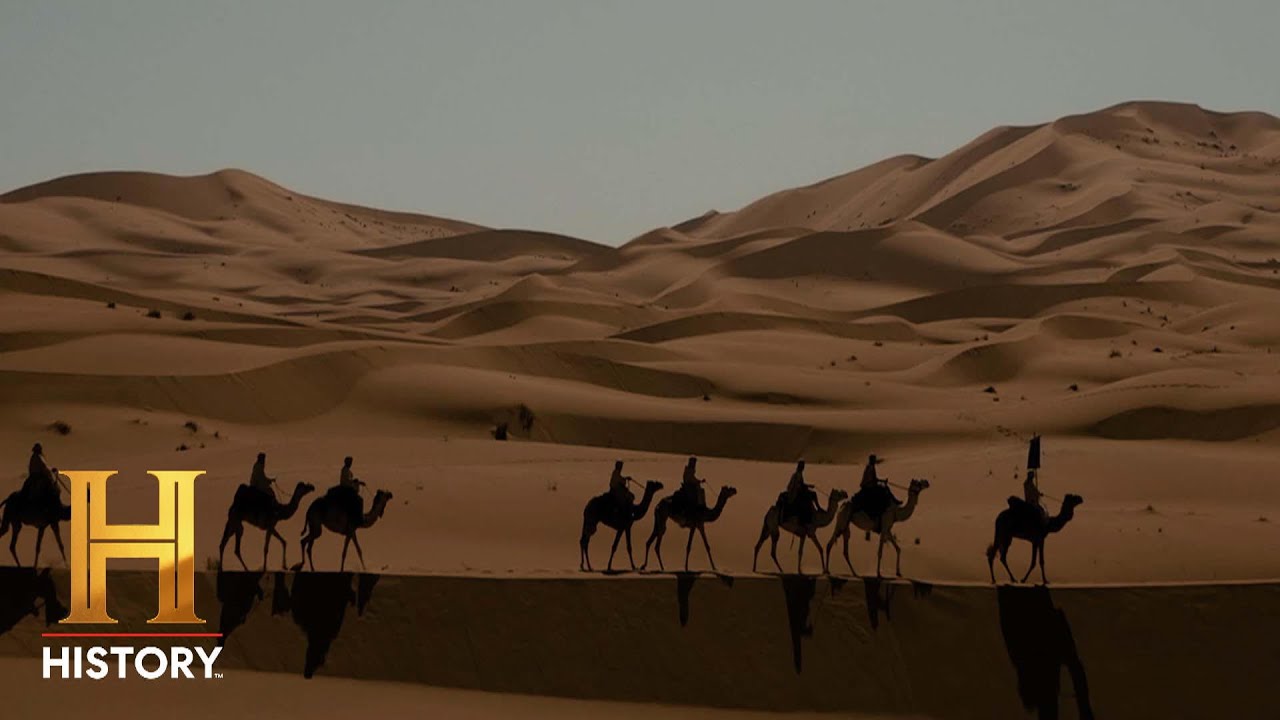
An estimated 60 million people lived under the Islamic Empire, which governed the largest territory in the world over a thousand years ago.
Cleopatra, Egypt's last Pharaoh, navigated a tumultuous reign marked by political chaos, with her lost tomb remaining a significant historical mystery.
Seven wonders of the modern world, including the Coliseum in Rome and the Temple of Ta Prohm in Cambodia, are explored for their architectural and cultural significance.
The Eiffel Tower, standing 324 meters tall, has welcomed nearly 280 million visitors since its opening in 1889.
Egypt's Great Pyramid at Giza, built 4,500 years ago, remains the only intact structure of the Seven Ancient Wonders of the World.
180,000 cat mummies were destroyed in the 19th century, yet countless others remain, raising questions about ancient Egyptian animal mummification practices.
Ashraf 'The Angel' Marwan, an Egyptian billionaire, dies mysteriously after being exposed as a spy.
A trucker reported a vehicle parked on the Hernando de Soto bridge in Memphis on November 16, 2001, leading to the investigation of Dr. Don Wiley's disappearance.
Children dig in Gaza Tunnels for Hamas, risking their lives in a dangerous conflict.
On January 25, thousands gathered in Cairo, initially believing the protest would be just another demonstration, but it quickly escalated into a significant uprising.
Mogos Redae shares his torture experience by smugglers in the Egyptian Sinai region.
Eight or nine different countries are currently being targeted for revolutionary training by consultants who previously helped organize the Egyptian uprising.
Egypt's abattoirs are exposed for their brutal treatment of animals exported from Europe, raising ethical concerns about livestock exportation practices.
Tens of thousands flee Gaza for Egypt, seeking peace and a new life amid ongoing conflict.
More than 60,000 political prisoners remain in Egypt as President Abdel Fatah al-Sisi prepares to host the COP27 climate change conference.
The Guardian documents the Muslim Brotherhood's protests in Rabaa al-Adawiya against Morsi's removal.
Jared Kushner presents his Middle East peace plan in Bahrain, focusing on the Palestinian economy.
Egypt's divorce rate has tripled over the past 15 years, with more than 60% of young couples facing challenges in their marriages.
Nawal El Saadawi discusses the ongoing revolution and the challenges from Mubarak and the Muslim Brothers.
Sea levels could rise between 50 centimeters to 1 meter within the next 50 to 100 years, potentially displacing over 5 million people in Egypt.
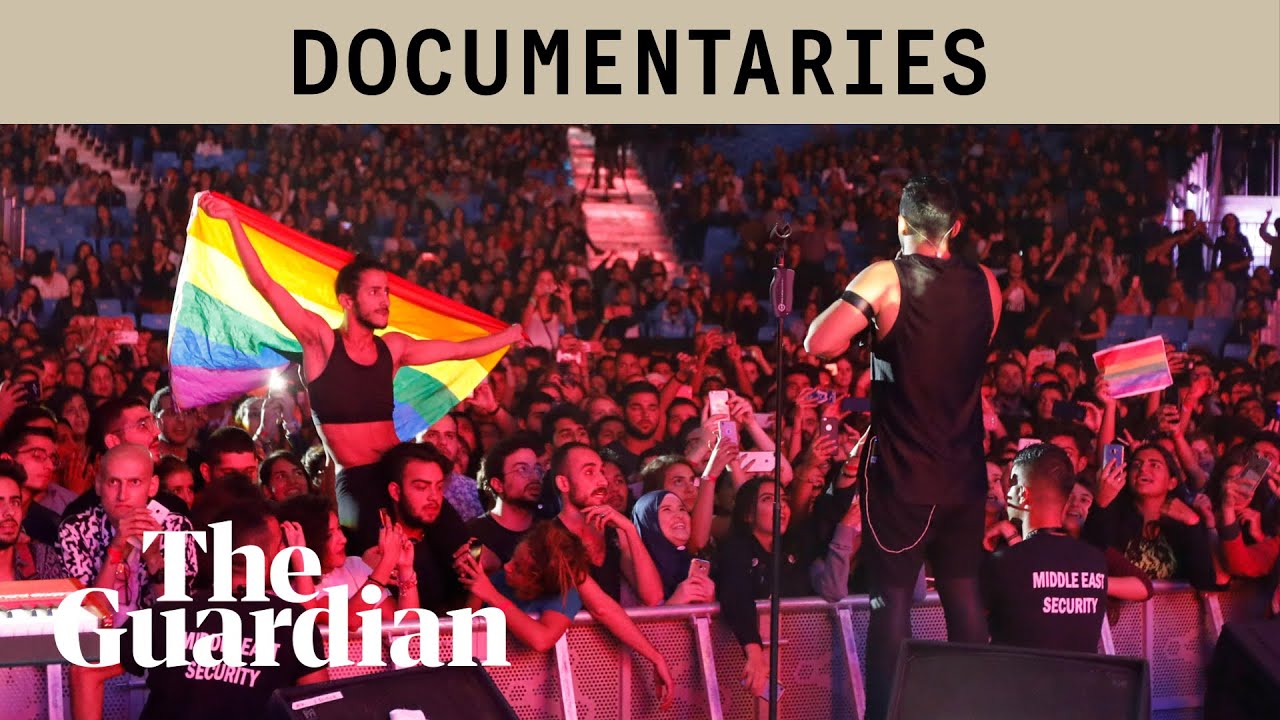
35,000 fans attended a concert where an Egyptian supporter waved a rainbow flag, leading to violent repression against the band and its supporters.
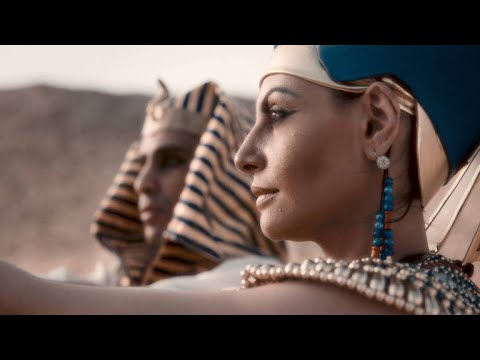
Cleopatra struggles in 44 BC as Julius Caesar's death ignites rival Roman factions in Egypt.
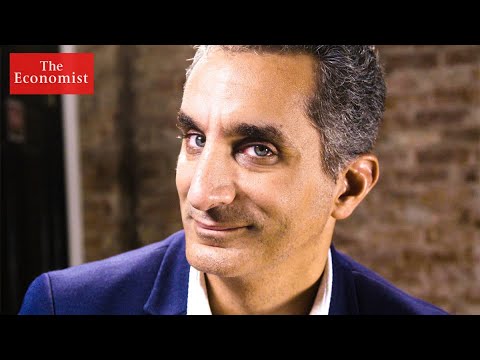
Bassem Youssef discusses political satire's role in democracy on Egypt's Arab Spring anniversary.
In 44 BC, Egypt suffers famine and political turmoil under Cleopatra after Julius Caesar's death.
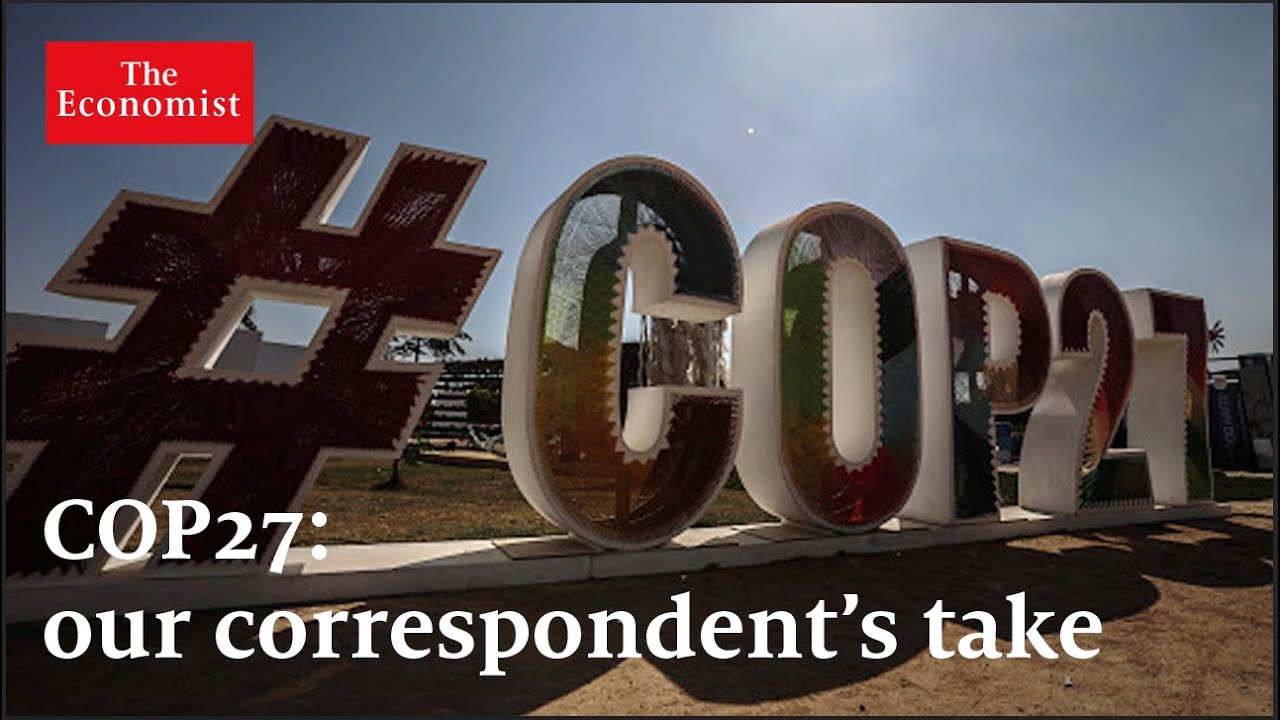
Catherine Bayik discusses COP27 outcomes in Charnel Shake, Egypt, highlighting key wins and losses.
When Akhenaten came to power, he abolished the worship of multiple gods, mandating the exclusive veneration of Aten, the sun god.
In the desert of Abydos, Egypt, Egyptologist Kim Reiholt analyzes a fragmented papyrus kings list that may confirm the existence of the previously unknown pharaoh Senebkai.
In 1906, Charles Lang Freer purchased an ancient Greek codex containing the four New Testament gospels for $7,750, marking a significant biblical discovery.
Nefertiti's bust contains one of the most beautiful faces, sculpted using a mathematical formula.
Israel's response to Hamas's attack raises legal concerns over its blockade and targeting practices.
King Thutmose IV uncovers the Great Sphinx, gaining kingship through this legendary discovery.
The Syrian conflict escalates after protests against Bashar al-Assad's regime in 2011.
The U.S. intervenes in the Persian Gulf War following Saddam Hussein's invasion of Kuwait.
New evidence suggests King Djedefre may have built the Great Sphinx after all.
Experts examined DNA from royal mummies to clarify Tutankhamun's family tree.
Ramesses II is recognized as Egypt's greatest pharaoh, known for his impressive funerary temple in Luxor and his significant contributions to the nation's history.
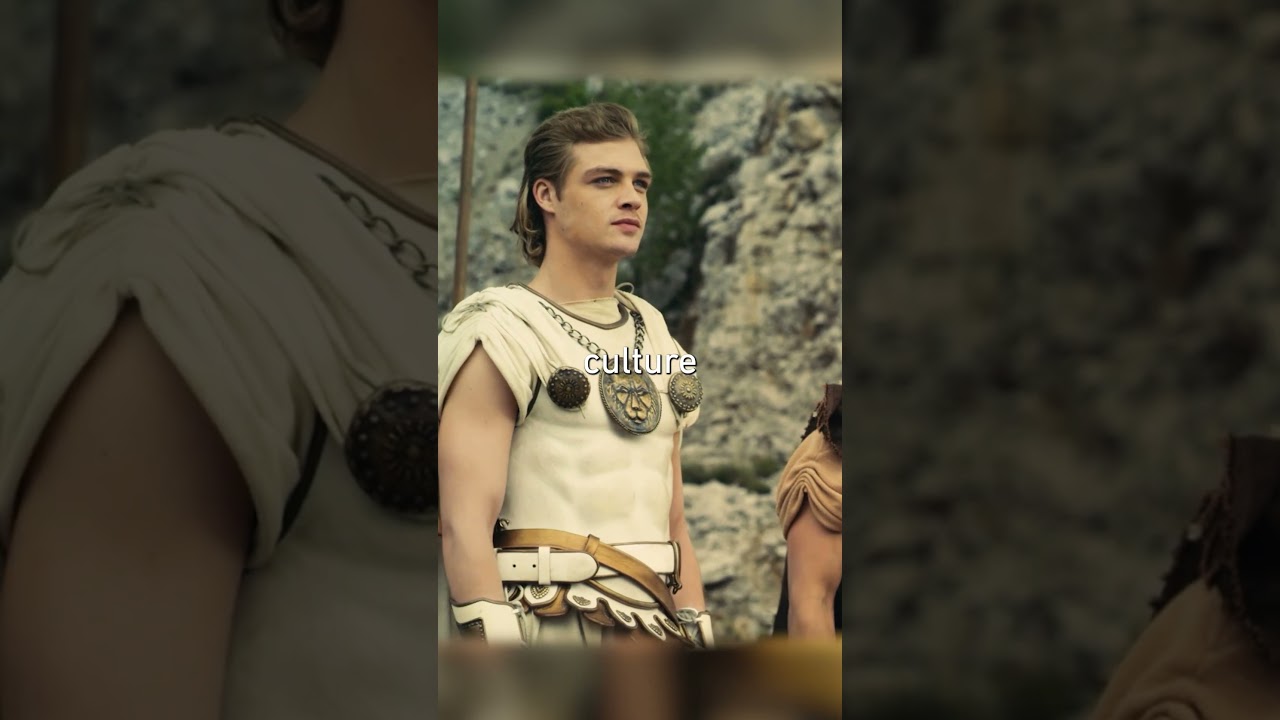
Alexander the Great founded at least 10 cities named after him, with Alexandria established in 331 BCE as the most significant among them.
Joyce Carol Oates and Cherie Maroni celebrate the beauty and complexity of cats in poetry.
In January 331 B.C., Alexander the Great became Pharaoh of Egypt, fulfilling his perceived destiny as a divine ruler.
At age 18, Cleopatra becomes queen of Egypt after the death of her father, Ptolemy XII Auletes, and is named co-regent with her younger brother, Theos.
An Egyptian teen in Montreal confronts racism and stereotypes in Aziz Zoromba's film 'Simo.'
Three principal legends connected to the construction of the Egyptian pyramids involve Hermes, the ancient king Surid, and Shaddad Ibn Ad, a warlord linked to giants.
Omar reveals how Ancient Egyptian soldiers trained during the Egyptian New Kingdom era.
A burial shaft reveals a child's coffin, along with gold jewelry and ceramic vessels, during an archaeological dig in Egypt's desert.
In the 5th Century BC, an army of 50,000 men sent by Persian king Cambyses II vanished without a trace while crossing the Western desert of Egypt.
About 430,000 Jewish settlers live in the West Bank, surrounded by 2.7 million Palestinians, amid ongoing tensions and disputes over land.
Akhenaten, the father of King Tutankhamun, engaged in radical myth-making that transformed Egyptian religion during the 14th century B.C.
A pyramid with a perfectly square base measuring 2 kilometers on each side has been discovered beneath the ice of Antarctica.