From over 100,000 films, discover the handful you'll love.
Free or premium access to the world's largest documentary library.
Americas
224 films(Page 2 of 5)
Tommy Douglas, a former premier of Saskatchewan and leader of the New Democratic Party, is celebrated for his pivotal role in establishing Canada's Medicare system.
Raymond Boulanger smuggled over three tons of cocaine worth more than one billion dollars, linking U.S. intelligence operations to the drug trade in Canada.
Iceland has turned its volcanoes into allies, using geothermal energy to achieve 100% renewable energy for heating and electricity.
A 78-day armed standoff in 1990 between Mohawk protesters and Canadian authorities centered on land disputes in Oka, Quebec.
Andreas Kieling has five weeks to film giant grizzlies in the Bering Sea before the storm season begins.
The National Film Board of Canada produced over 500 films during World War II, aiming to shape national identity and values through wartime propaganda.
Donald Marshall Jr. served 11 years in prison after being wrongfully convicted of murder at the age of 17 in Sydney, Nova Scotia.
Rob Stewart and Rita Banerji highlight ocean conservation and Olive Ridley turtles in India.
John Ware, a Black cowboy who settled in Alberta, Canada, is re-examined by filmmaker Cheryl Foggo in relation to his legacy and anti-Black racism.
A group of women from the Six Nations of the Grand River Reserve blockaded their ancestral land in 2009 to prevent its development.
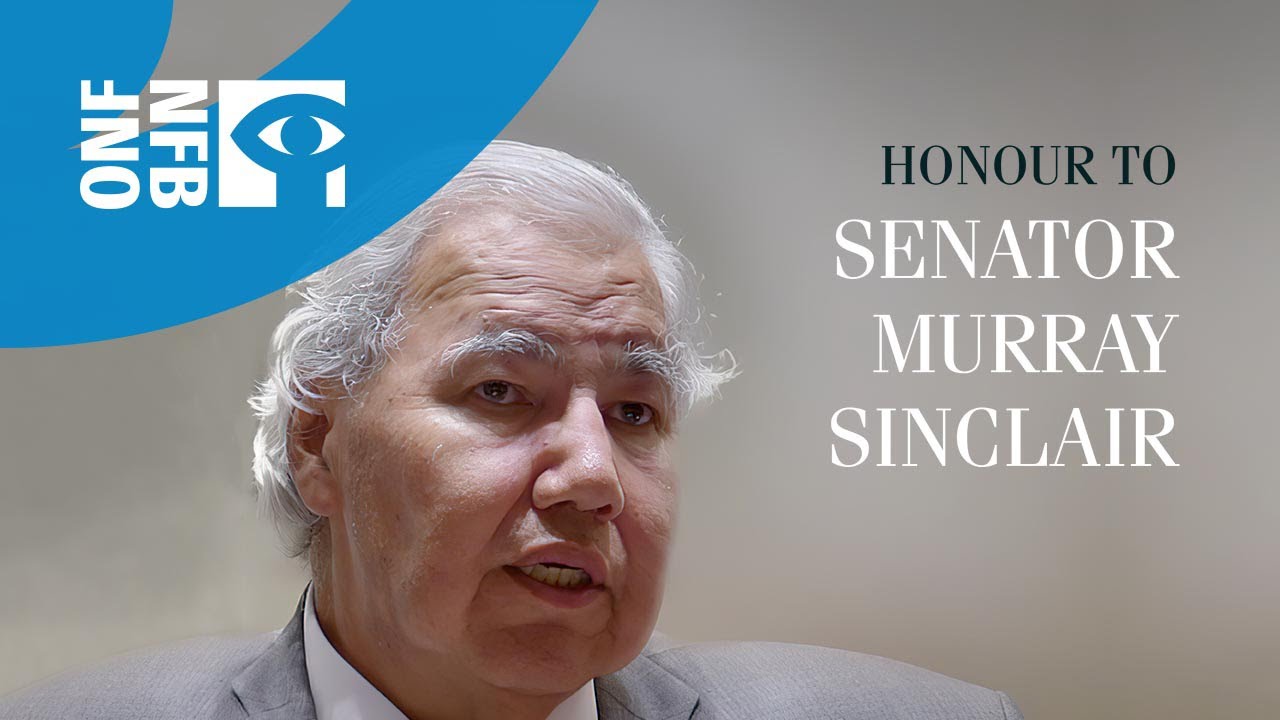
Senator Murray Sinclair's impactful speech on reconciliation highlights the painful truths of Canada's residential school system and inspires hope for a united future.
At age two, Gil Cardinal was placed in a non-Indigenous foster home, where he remained until adulthood while searching for his biological family.
Canada's 21st Battalion faces heavy shelling and mud as they prepare for the Battle of Courcelette in September 1916 during World War I.
A 101-minute documentary features musical performances that blend blues, rock, and traditional beats to address First Nations rights in Canada.
Gold extraction reveals the stark contrast between large mining companies and small-scale miners, highlighting environmental and human rights issues in the industry.
Phil Comeau investigates the Ordre de Jacques-Cartier, a secret society that influenced Canadian society for decades, through the lens of his father's involvement.
Robson ventures to Eastern Canada for world-class fishing experiences today.
Canada's vast landscapes are showcased through activities like heliskiing in the Rockies, rodeos in the prairies, and wildlife encounters with bears and wolves.
Eighty-four teachers work at the Helen Betty Osborne Ininiw Education Resource Centre, with nearly half coming from the local First Nations community.
Up to 20,000 babies worldwide were born with severe deformities due to thalidomide, a drug linked to the worst drug disaster in history.
At Wing Fong Farm in Ontario, Lau King-Fai, her son Yeung Kwan, and migrant Mexican workers cultivate Asian vegetables for Chinese markets and restaurants.
Mi'kmaq fishermen in Burnt Church, New Brunswick, faced federal opposition in 2000 for exercising legally affirmed fishing rights, highlighting deep-rooted conflicts.
Lincoln Cannon, a member of the transhumanist movement, advocates for making death optional through the ethical use of technology.
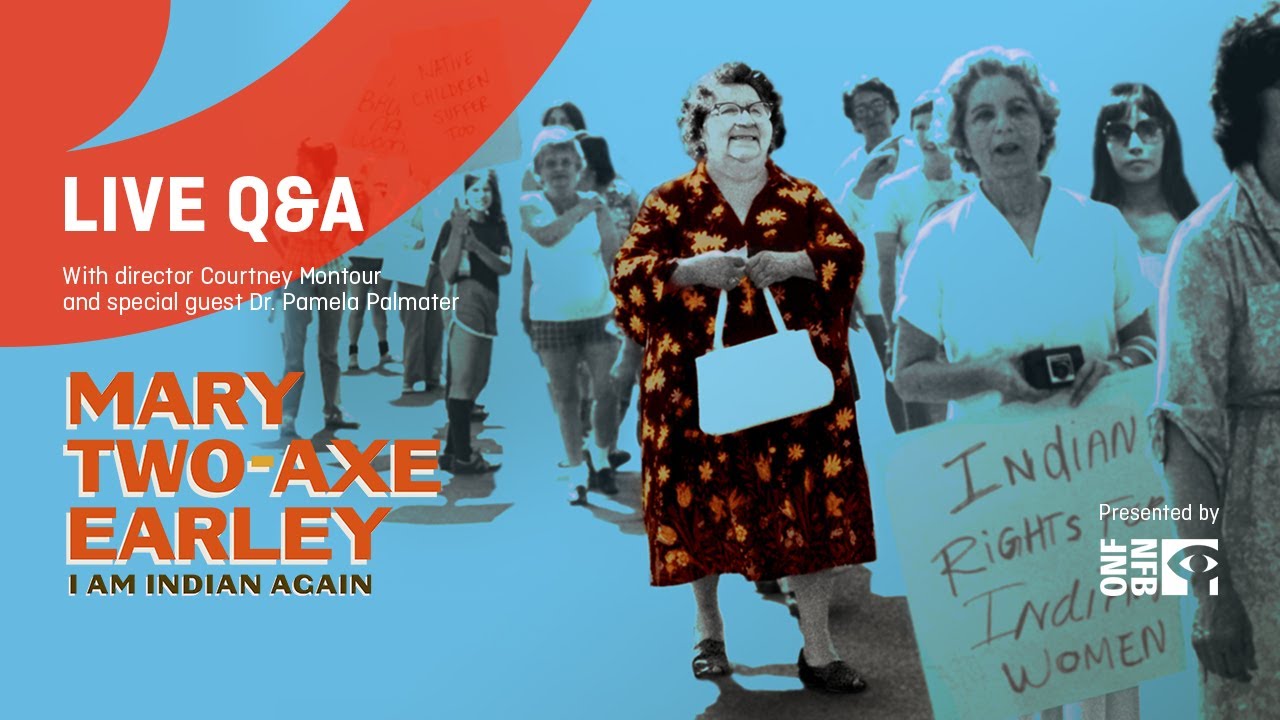
Mary Two-Axe Earley fought for over two decades against discriminatory policies in Canada’s Indian Act, significantly impacting Indigenous women's rights.
Mixed ancestry in Canada is explored through the experiences of seven individuals, highlighting the complexities of identity in a categorically driven society.
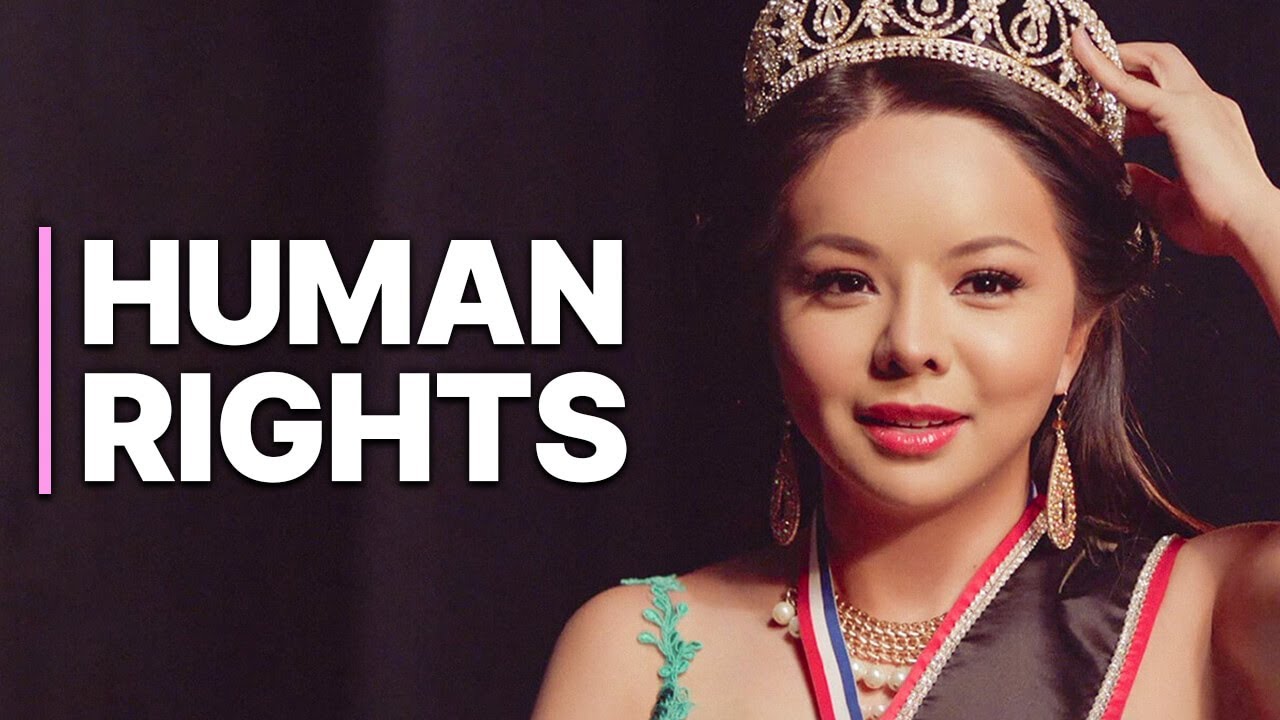
Anastasia Lin faced threats to her family as she spoke out against human rights abuses in China while competing in the Miss World pageant.
Canada's refusal to join the 2003 US-led military mission in Iraq highlights the complexities of diplomatic relations and the potential costs of failed diplomacy.
In the sub-Arctic town of Dawson City, Yukon, a diverse group of farmers cultivates crops in the harsh boreal forest, showcasing their resilience and connection to the land.
In 1992, an Iranian student named Habib committed suicide outside a small Ontario town after escaping the Ayatollah's regime in Iran.
Tamara Segura returns to Cuba to confront her father's alcoholism and the enduring effects of the Cuban Revolution on her family and community.
Two prominent African-Canadian lesbian artists, Faith Nolan and Grace Channer, perform and discuss their artistic collaboration and its impact on the community.
Retired filmmaker Kathleen Shannon reflects on her life, career, and the impact of the 's Studio D in promoting women's stories.
In Burkina Faso, a group of women confront cultural taboos surrounding female sexuality and support each other in healing from the trauma of female genital mutilation.
In 1947, a train sank in Slocan Lake, British Columbia, prompting a team of divers and a 99-year-old brakeman to recover the historic locomotive.
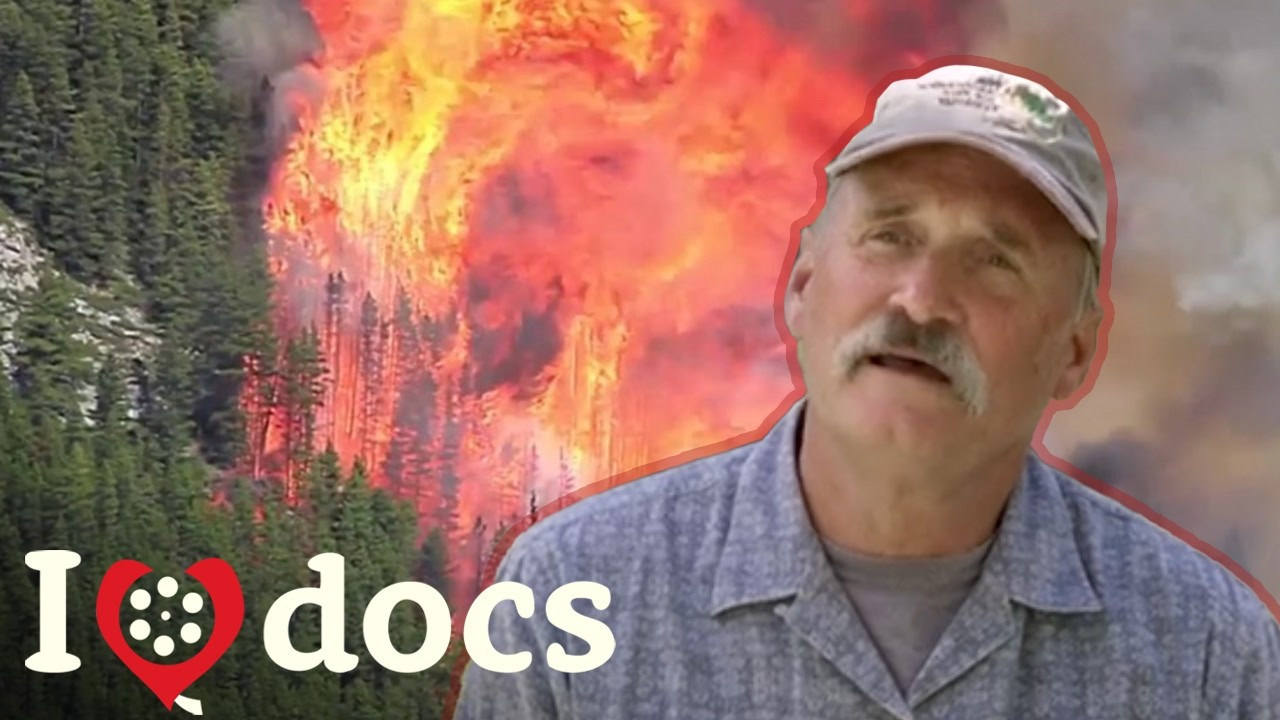
A thousand firefighters mobilized from across Canada to combat a mega fire that destroyed three suburbs in Fort McMurray, Alberta, in May 2016.
Captain Larry Fuda's emergency landing on one set of landing gear and other survival stories highlight aviation crises faced by pilots like Eric Moody and William Query.
Paul Bernardo and Karla Homolka, infamously known as the 'Ken and Barbie Killers,' orchestrated a series of brutal crimes in Canada during the early 1990s.
Cyril explores the Suwannee River in Florida and the Fraser River in Canada, seeking to catch massive white sturgeon while highlighting conservation efforts.
Canadian police use an undercover operation to extract confessions from Robert Pickton.
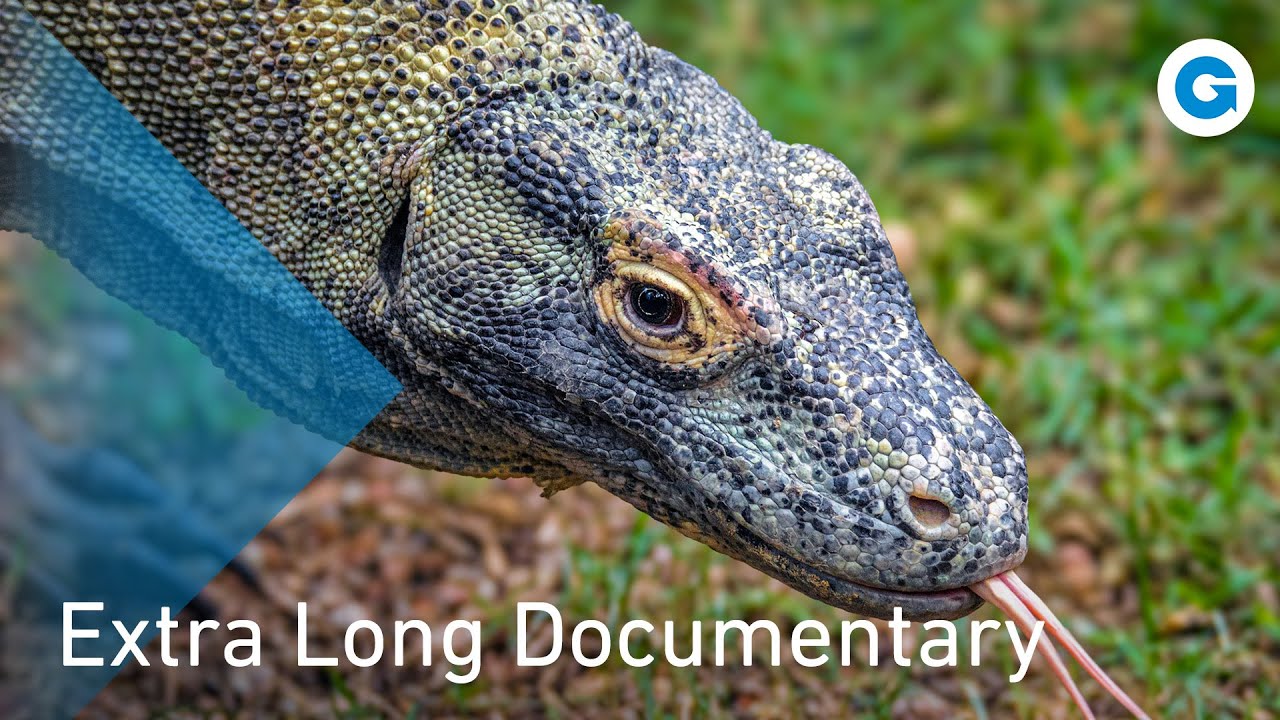
Andreas Kieling travels to Indonesia, Canada, and Rwanda to film endangered species like the Komodo Dragon, emphasizing the critical need for conservation.
Global trade at the G7 summit in Canada raises questions about fairness and deception.
A famous Twitter chatbot created by Microsoft became a racist and xenophobic account, prompting the company to shut it down due to user manipulation.
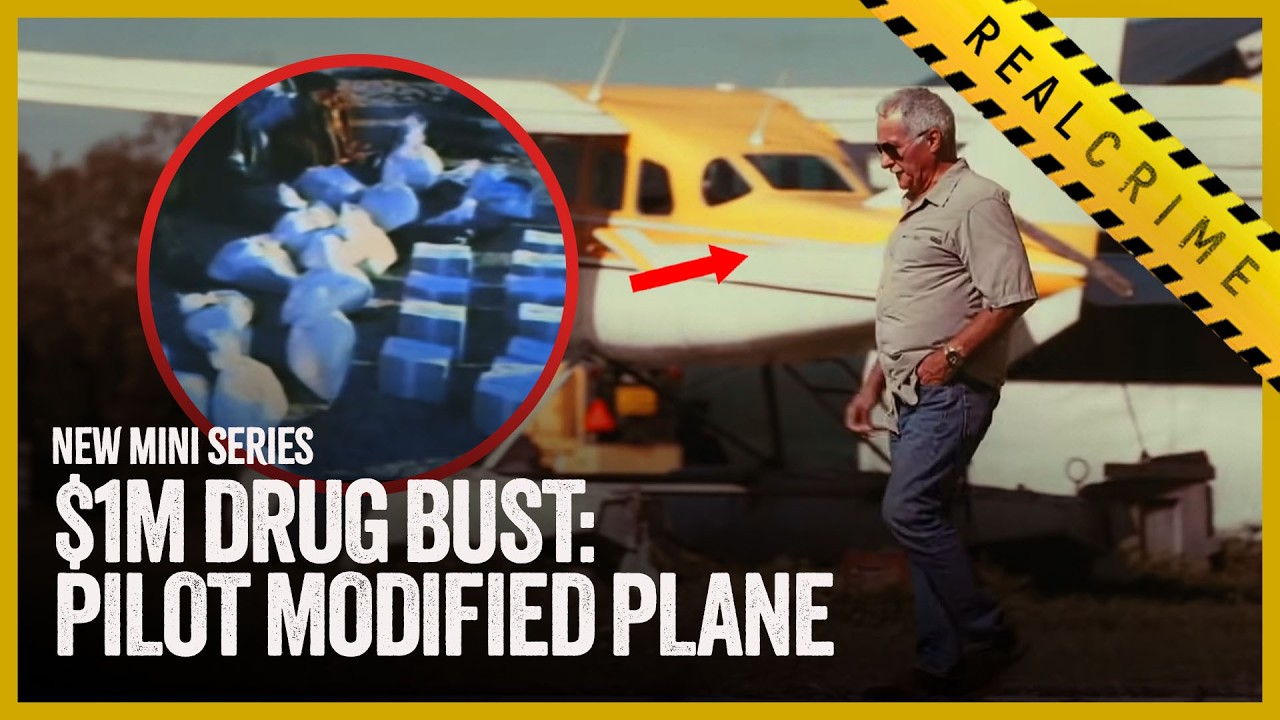
4,000 kilos of cocaine are smuggled from Colombia to Canada in what is described as the largest drug bust in Canadian history.
General Motors plans to close its Oshawa plant, ending 100 years of automobile production and leaving the community grappling with job loss and uncertainty.
Between 1980 and 2012, nearly 1,200 Indigenous women in Canada were reported missing or murdered, with some estimates suggesting the number could be as high as 4,000.
Sky News reports on the arrest of two suspects in the Christmas Eve shooting of Ellie Edwards.
Chris discusses Sir Martin Frobisher's legacy and global economic connections in Frobisher Hall.
In January 2000, Darrell Night, an Indigenous man, survives being abandoned by police in freezing temperatures, prompting investigations into multiple suspicious deaths of Indigenous individuals.