From over 100,000 films, discover the handful you'll love.
Free or premium access to the world's largest documentary library.
A hand-picked shelf of acclaimed documentaries you can stream free right now.
308 films
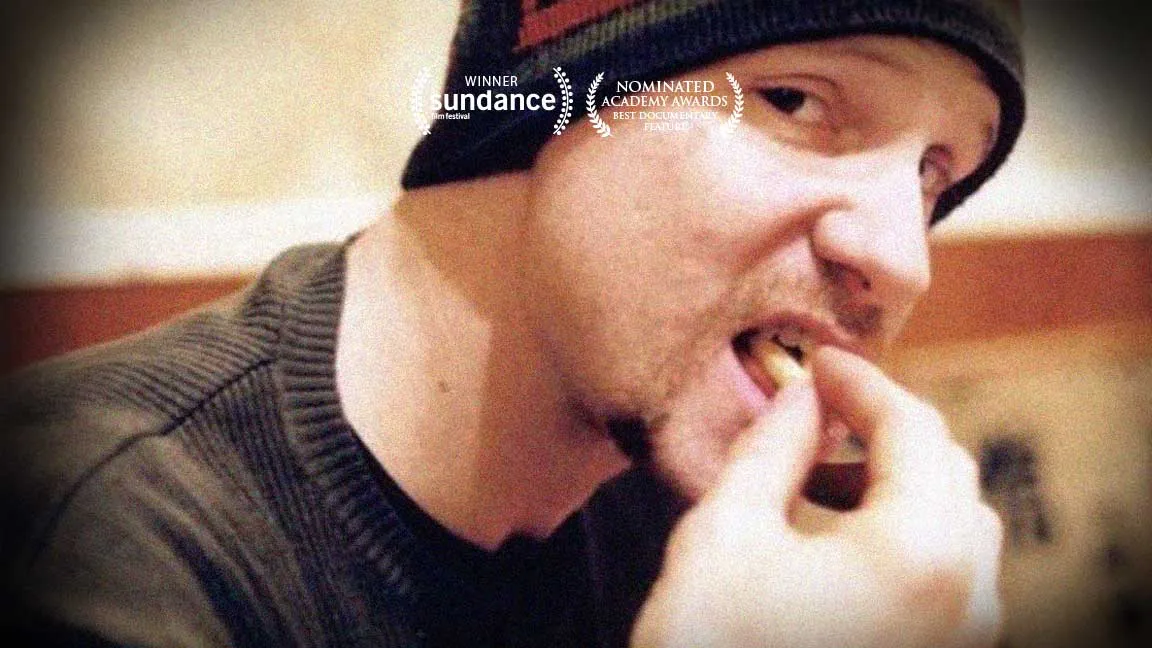
Spurlock consumed an average of 5,000 calories per day over 30 days, leading to a weight gain of 24.5 pounds and serious health issues.
In June 2013, Edward Snowden leaked classified documents that revealed extensive NSA surveillance programs, sparking a global debate on privacy and civil liberties.
Artificial Intelligence can help identify areas at risk of famine, according to experts featured in the documentary.
Over $20 trillion in losses resulted from the 2008 financial crisis, leading to millions of foreclosures and job losses across the United States.
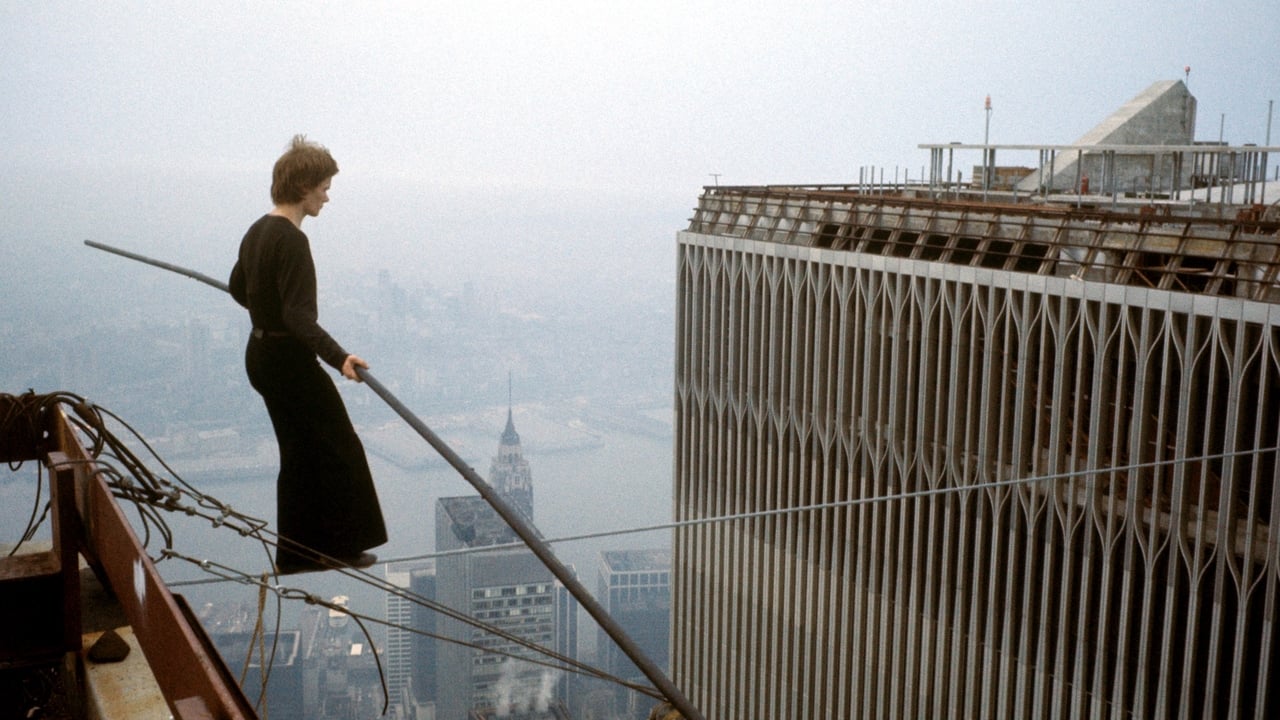
1,350 feet above the ground, Philippe Petit performs an illegal high-wire act between the Twin Towers of the World Trade Center on August 7, 1974.
Five former members of the Church of Scientology recount their experiences in a film that won three Emmy Awards and a Peabody Award.
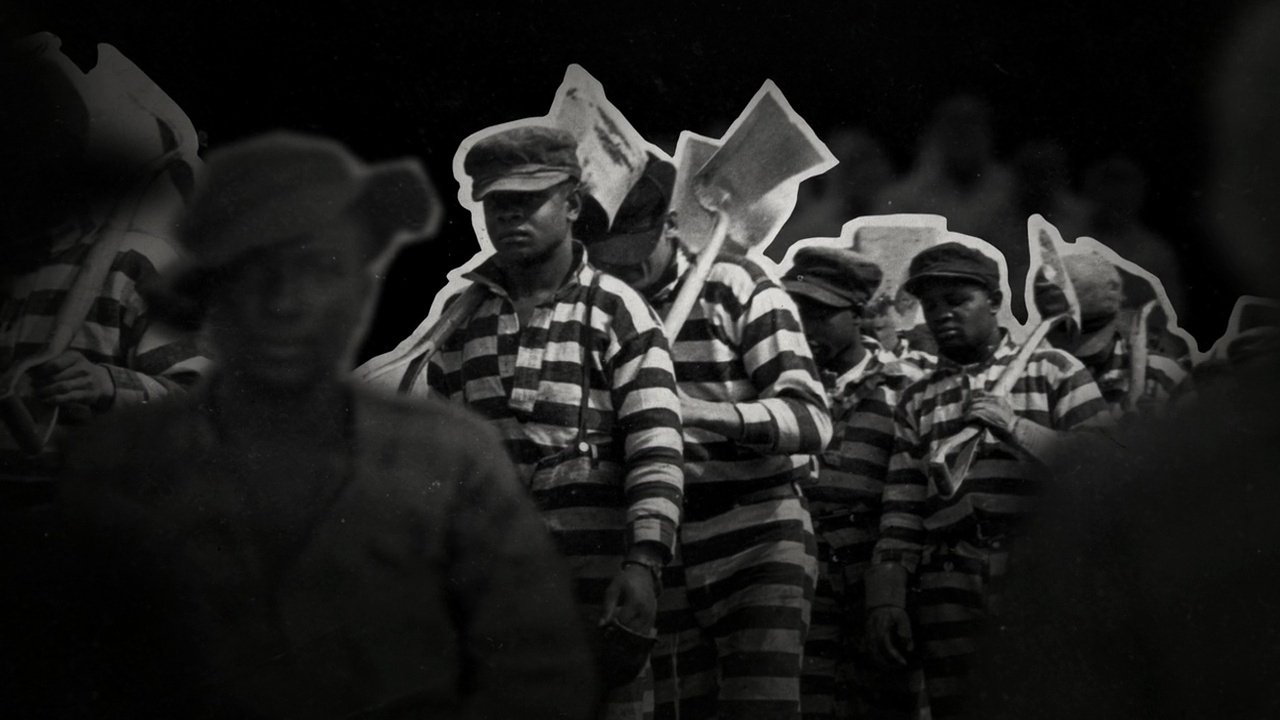
The United States, with 5% of the world's population, accounts for 25% of the world's prisoners, reflecting a significant issue of mass incarceration.
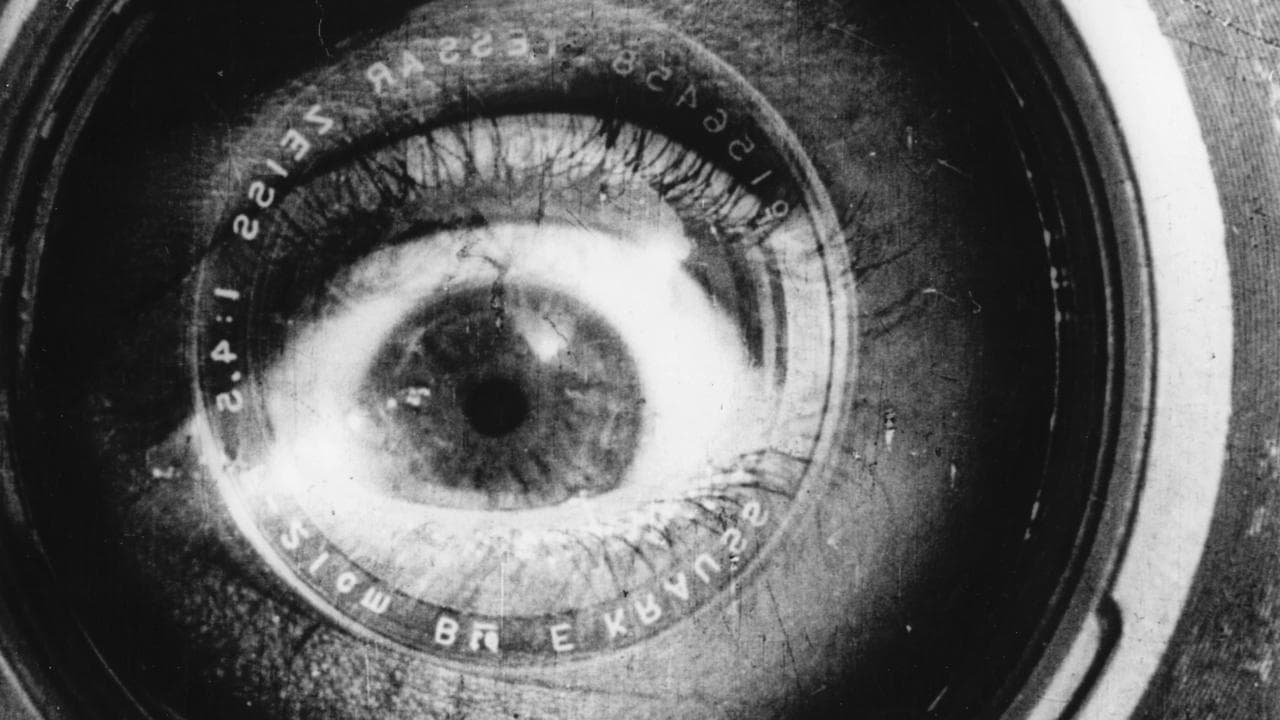
Six reels of film capture Soviet citizens in Moscow, Kiev, and Odessa during the late 1920s, focusing on their daily activities without actors or intertitles.
Urban life in the United States contrasts sharply with natural landscapes, revealing the effects of technology on society and the environment through visuals and Philip Glass's music.
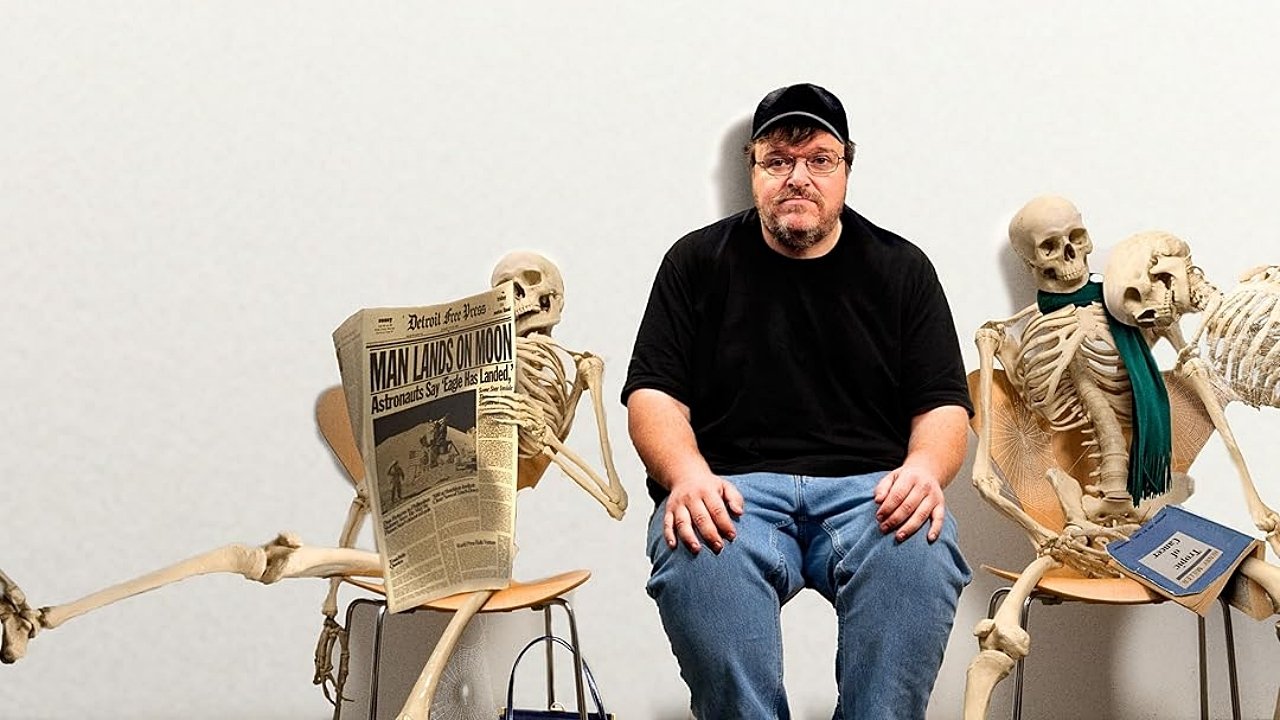
Nearly 50 million Americans lack health insurance, with 18,000 dying each year due to being uninsured, according to statistics presented in the film.
Fifty percent of jobs may be somewhat or extremely threatened by artificial intelligence in the next 15 years, according to experts in the film.
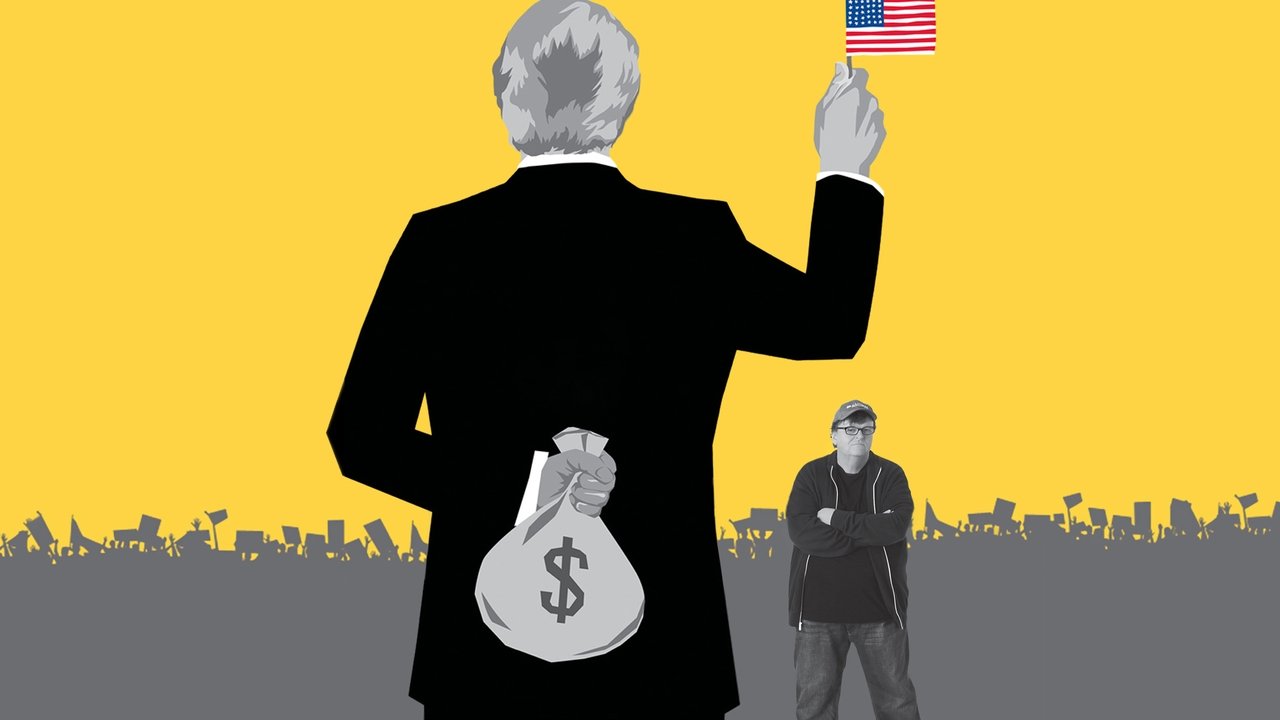
Michael Moore critiques corporate power and the banking system, focusing on the struggles faced by American workers and families in an industrial society.
Bodybuilders clash in a fierce showdown for bodybuilding supremacy.
James Baldwin's unfinished manuscript, "Remember This House," reflects on the lives and assassinations of Medgar Evers, Malcolm X, and Martin Luther King Jr.
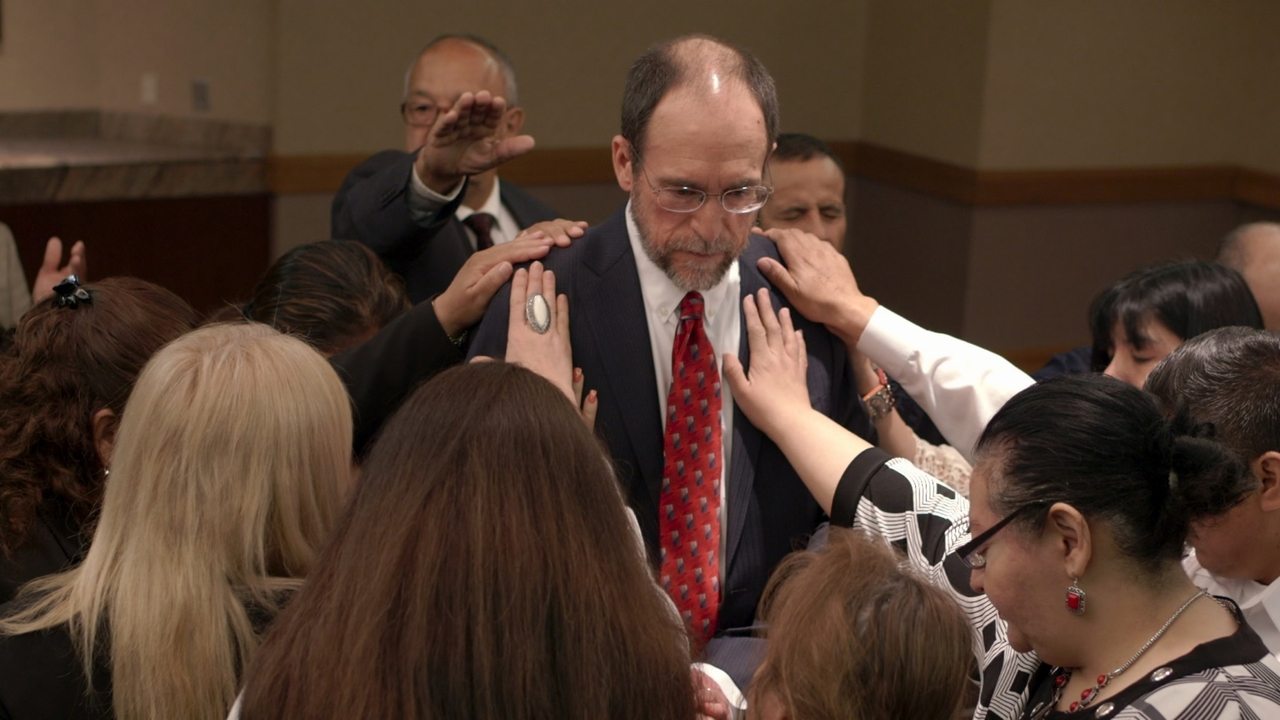
Three children at a North Dakota summer camp are taught to develop their "prophetic gifts" and encouraged to promote conservative Christian values.
A series of interviews features authors and philosophers discussing the law of attraction, claiming that thoughts can attract desired outcomes.
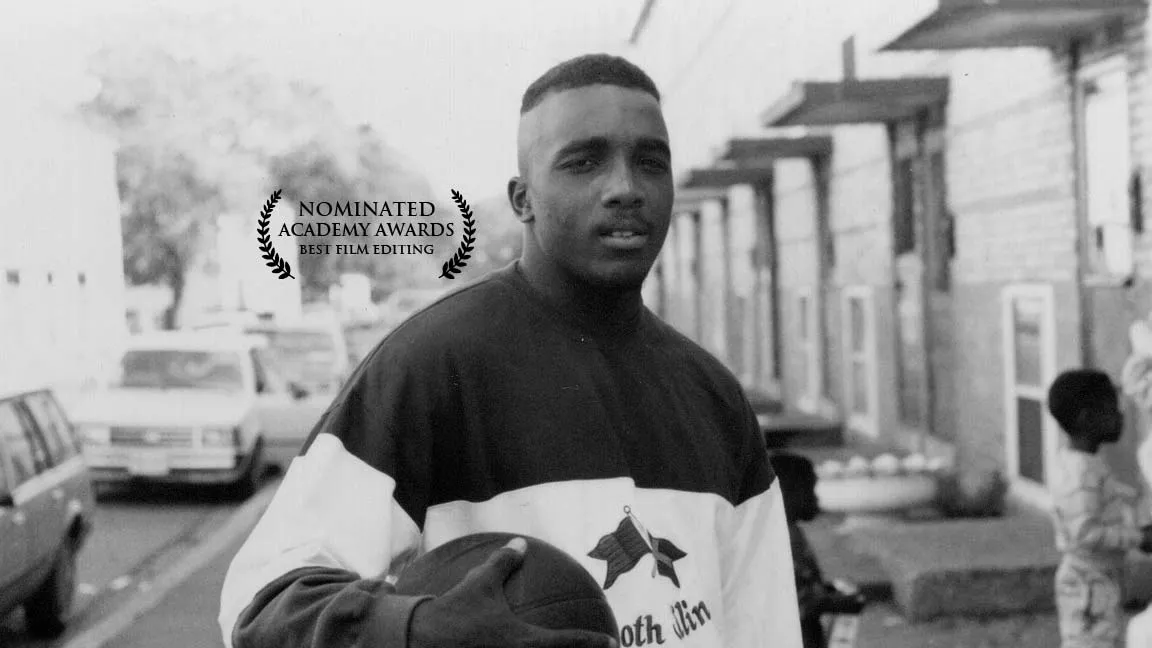
William Gates and Arthur Agee navigate the challenges of high school basketball at St. Joseph High School in Illinois while pursuing their dreams of professional careers.
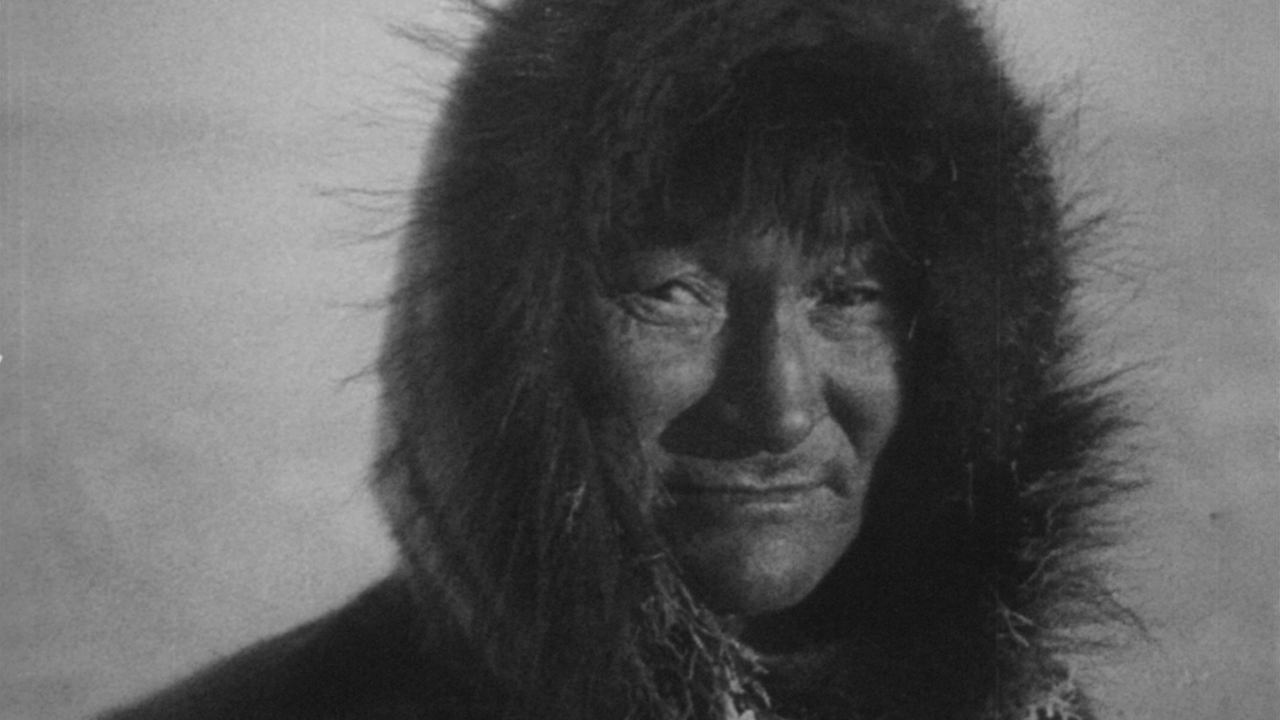
The 1922 film depicts the lives of the Inuit people in northern Quebec, illustrating their survival techniques in a harsh climate.
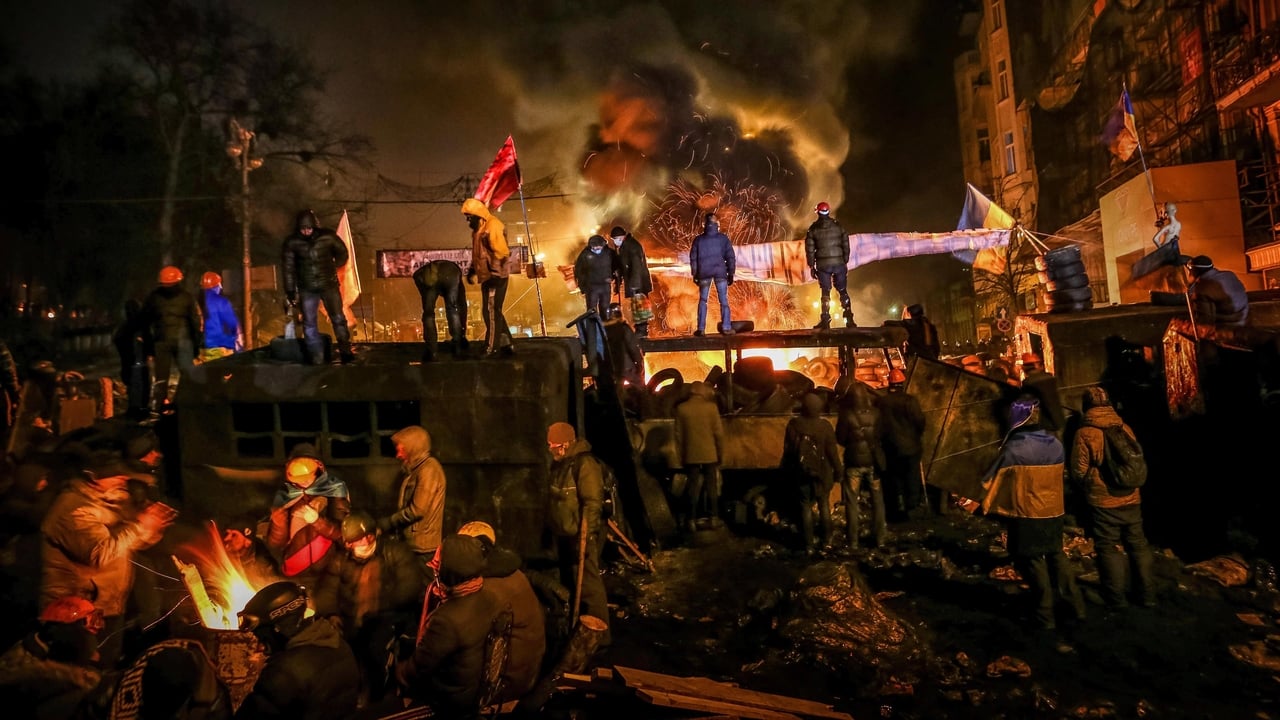
More than 100 days of protests in Kyiv culminated in violent clashes between demonstrators and police during the 2013-2014 Maidan uprising.
Michael J. Fox reflects on his experiences during the making of Back to the Future, featuring insights from director Robert Zemeckis and actor Christopher Lloyd.
Five years of conflict in Aleppo are documented through the eyes of a journalist and mother raising her daughter amid the Syrian Civil War.
Living paycheck to paycheck, one individual reflects on the emptiness of consumer purchases and the pursuit of happiness through material possessions.
Ross Ulbricht faces trial in 2015 for founding Silk Road, a dark web marketplace, as experts discuss Bitcoin's impact on online commerce.
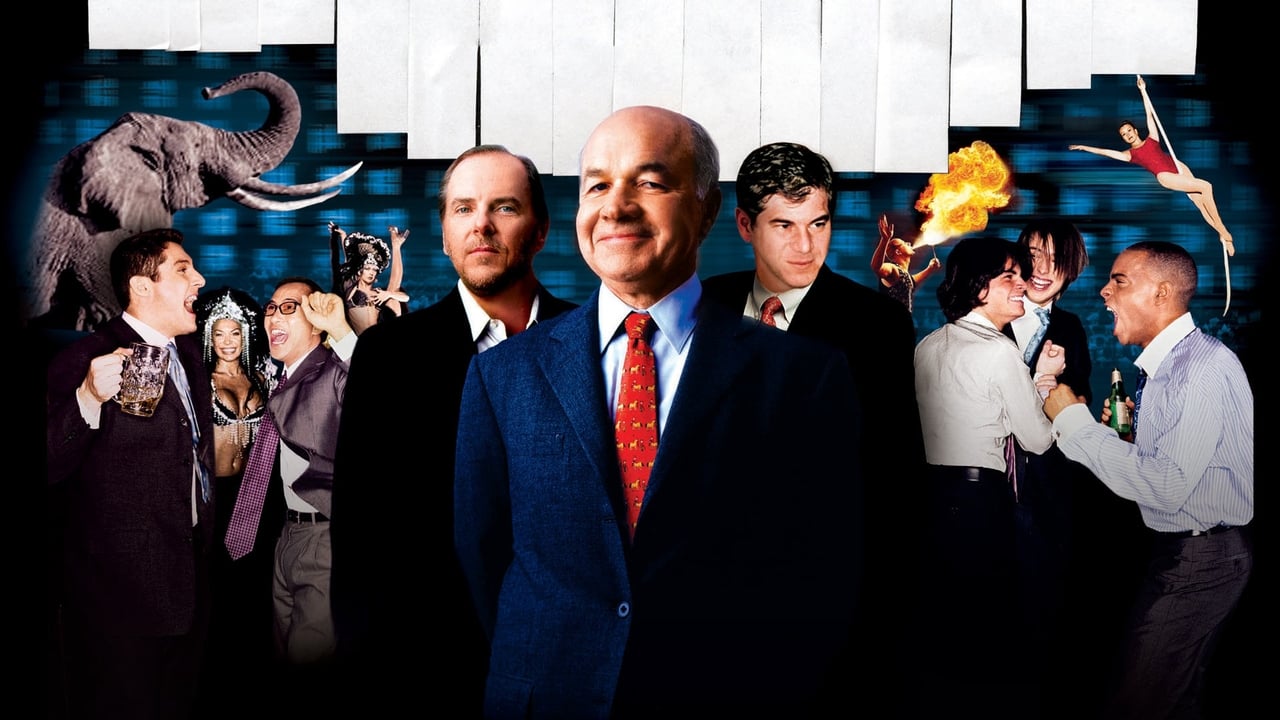
Enron Corporation's rise and fall illustrates the fraudulent practices and ethical failures of executives like Kenneth Lay and Jeffrey Skilling, culminating in a major scandal.
Louis Theroux and former Scientology official Marty Rathbun stage dramatic re-enactments of alleged abuses within the church after being denied access.
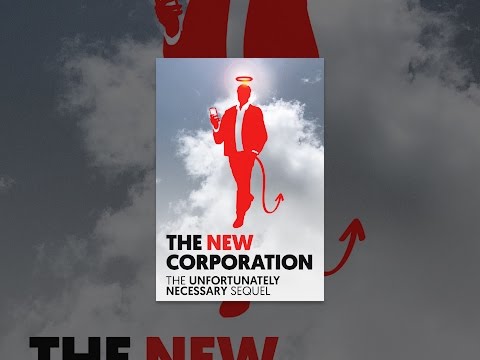
95% of the business community is honest, yet scandals involving companies like Enron and Worldcom have sparked a crisis of confidence in corporate practices.
Backup singers like Darlene Love and Lisa Fischer share their experiences supporting major artists such as Bruce Springsteen and Stevie Wonder.
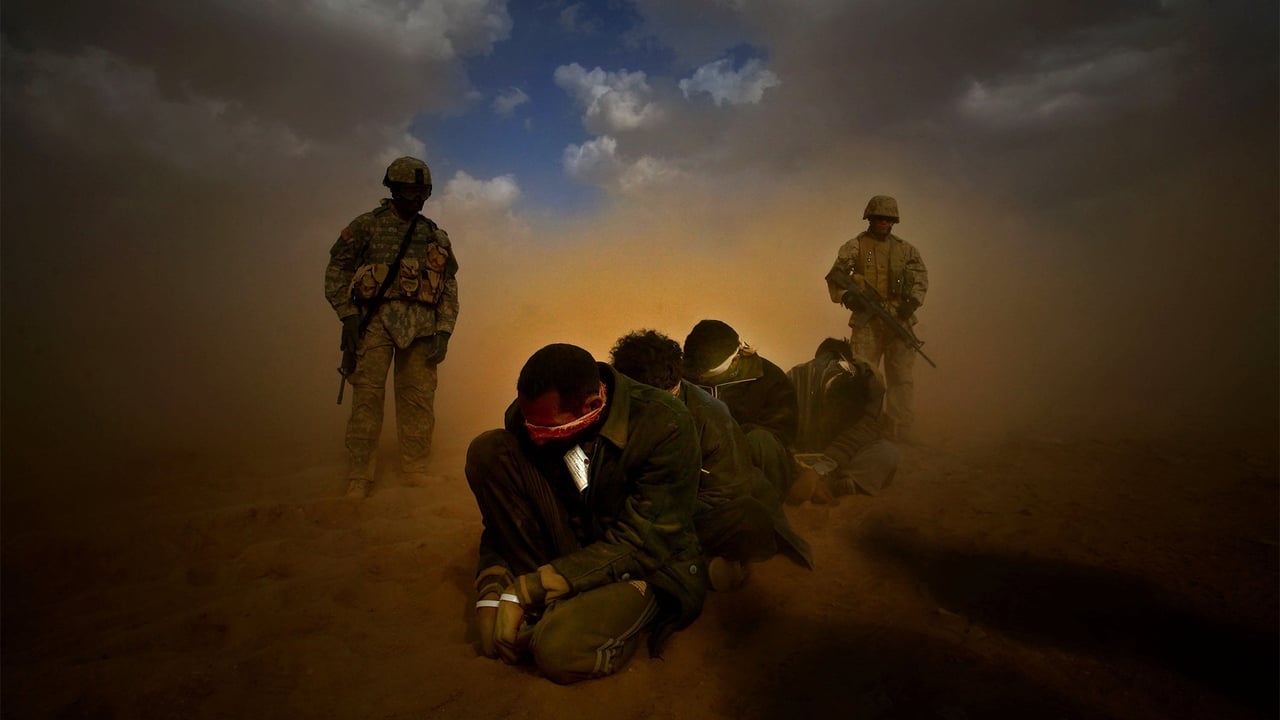
Dilawar, an Afghan taxi driver, died after being beaten for days at Bagram Air Base, with his death certificate marked "homicide."
In the past quarter century, the number of overweight children in the United States has increased from one in 20 to nearly one in five.
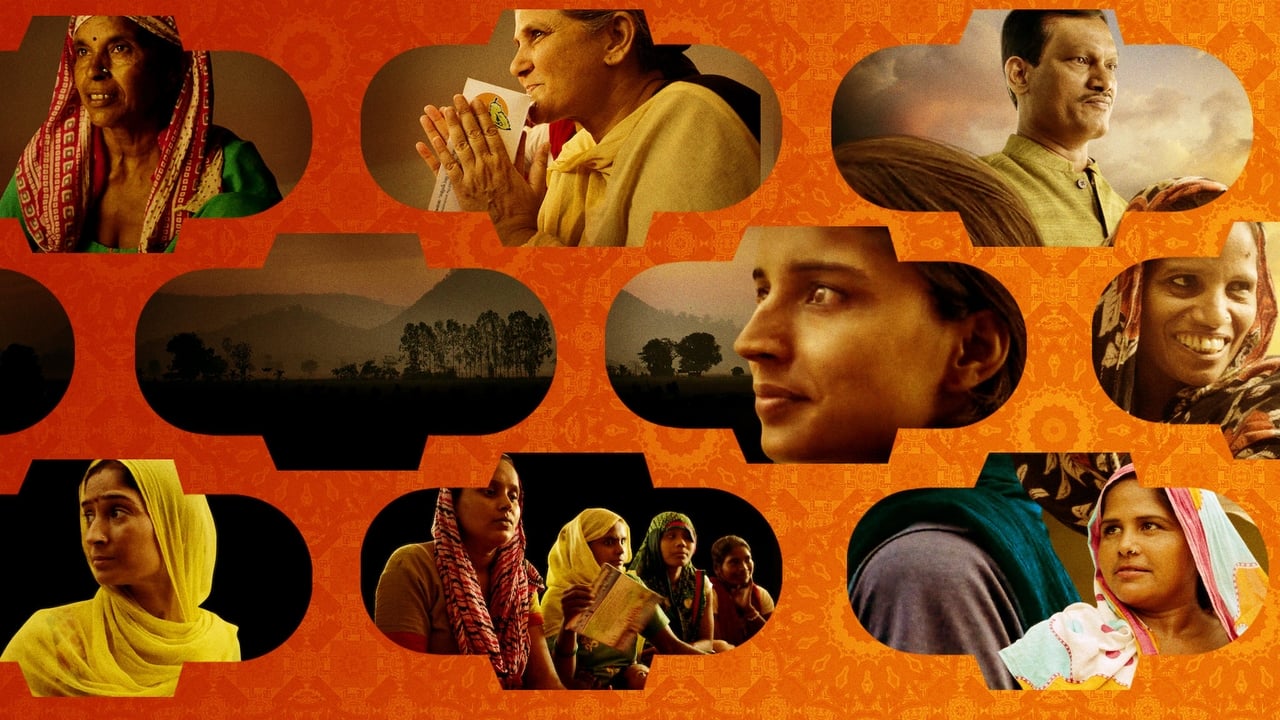
Women in Kathikera village learn to produce biodegradable sanitary pads, aiming to improve feminine hygiene and challenge menstrual taboos in their community.
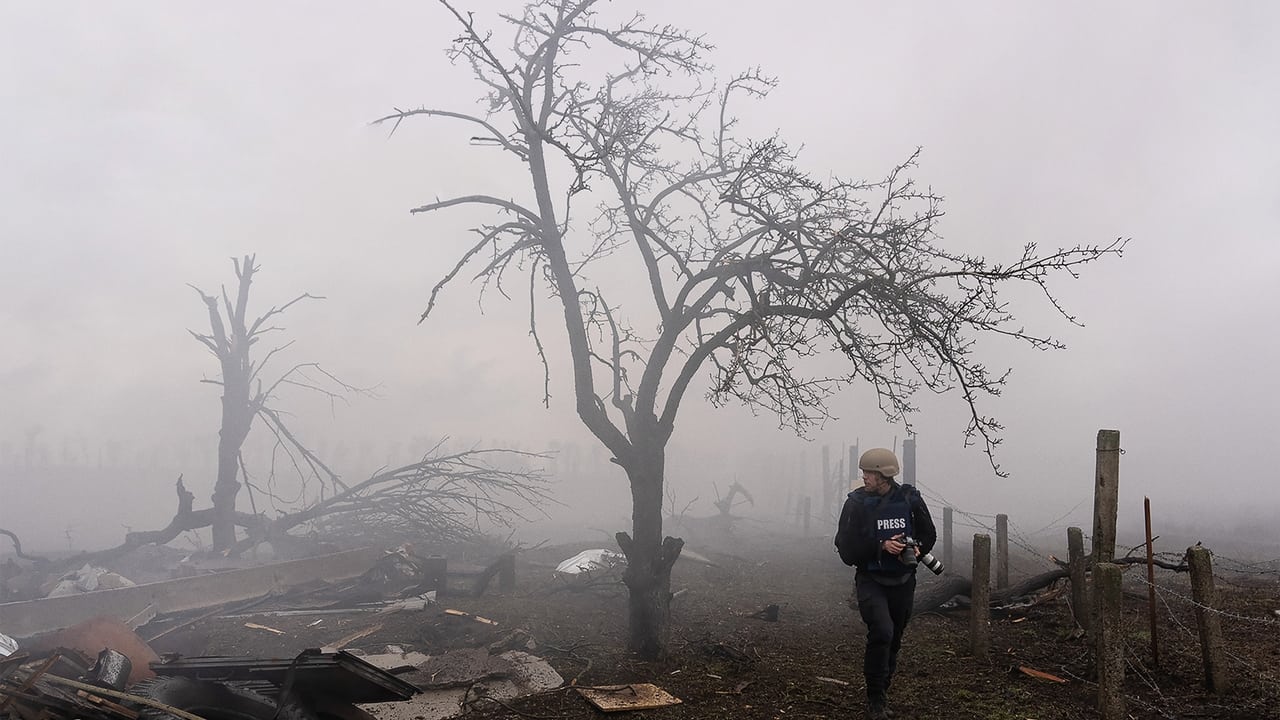
Thirty hours of footage were collected by Mstyslav Chernov and his team during the first weeks of the Russian invasion of Ukraine in Mariupol.
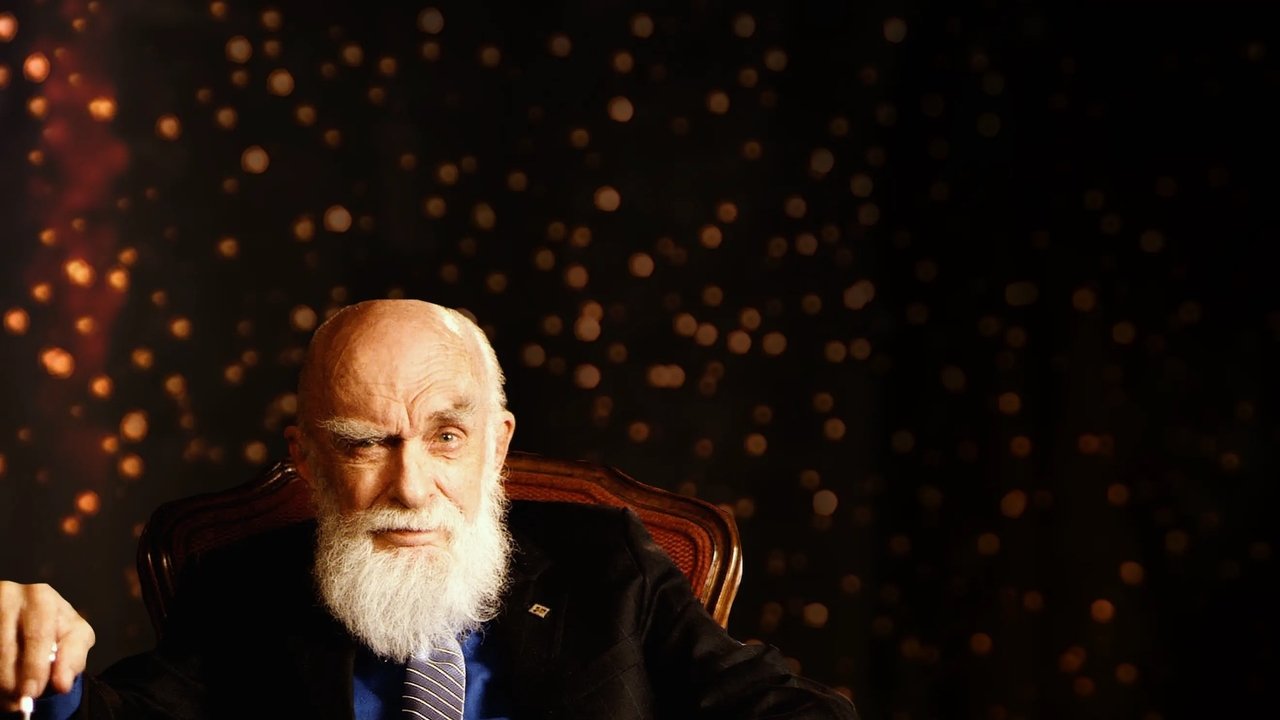
At age 81, James Randi publicly came out as gay while investigating the deception of psychics and faith healers in his long career as a skeptic.
Damon Gameau consumes 160 grams of sugar daily for 60 days, leading to weight gain and fatty liver disease while examining hidden sugars in marketed 'healthy' foods.
Five years passed from the start of production to the completion of the film, which reveals family secrets tied to Sarah Polley's identity.
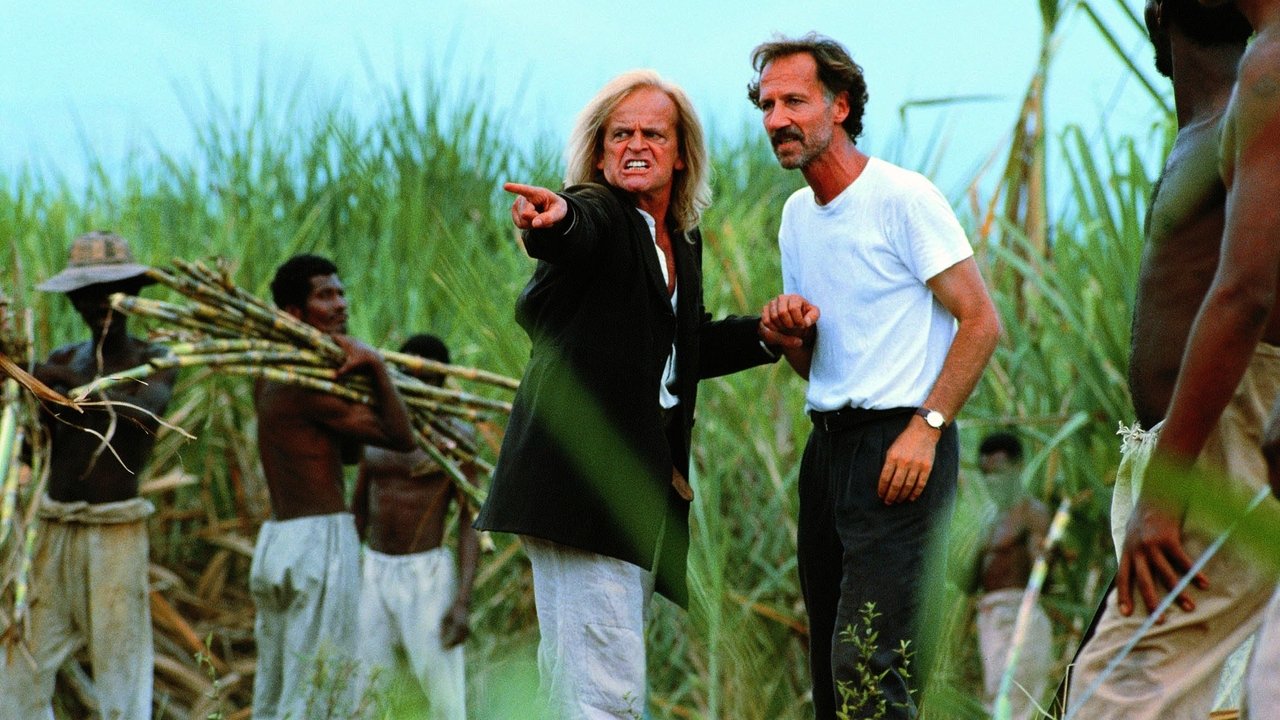
Five films were made between Werner Herzog and Klaus Kinski, marked by intense conflicts and a complex creative partnership.
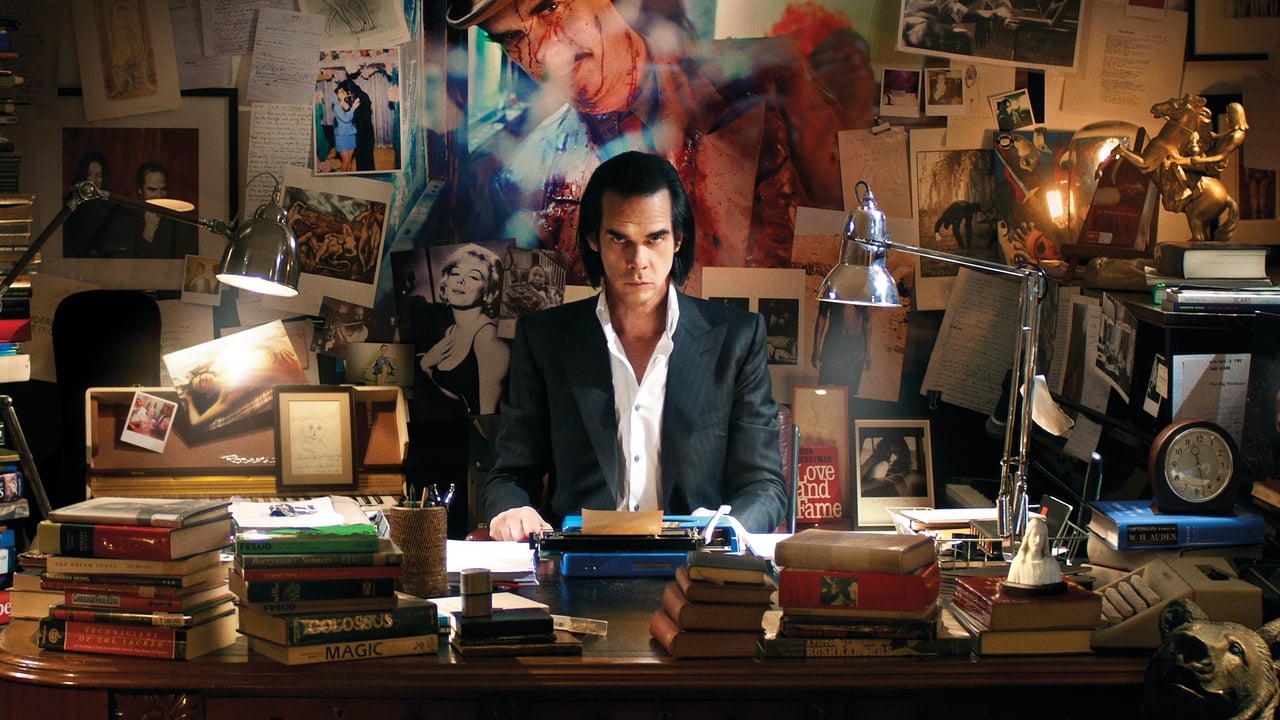
An intimate day in the life of musician Nick Cave unfolds creatively.
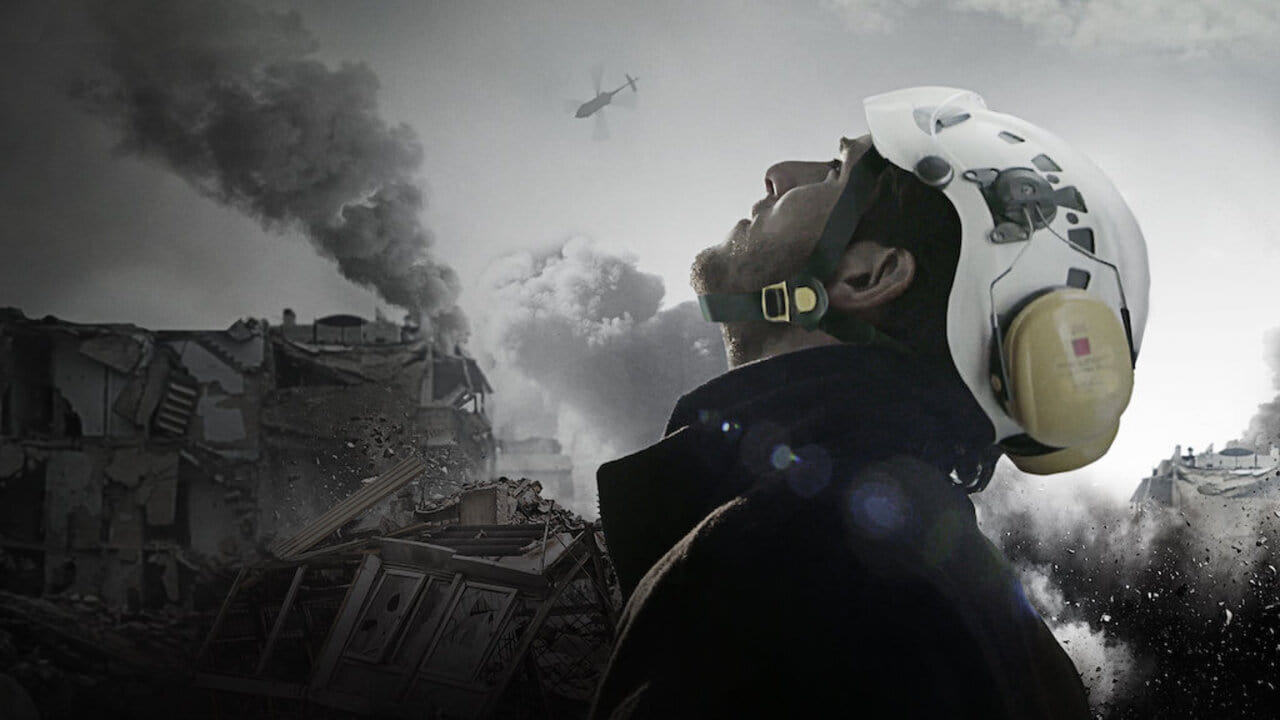
Three volunteers from the White Helmets respond to airstrikes in Aleppo, digging through rubble to rescue victims trapped beneath collapsed buildings.
Paul Elam, founder of A Voice for Men, claims men are the majority of the homeless, suicides, and school dropouts in America.
The top 1/10th of a percent in the United States holds a disproportionate amount of wealth, contributing to unprecedented levels of inequality.
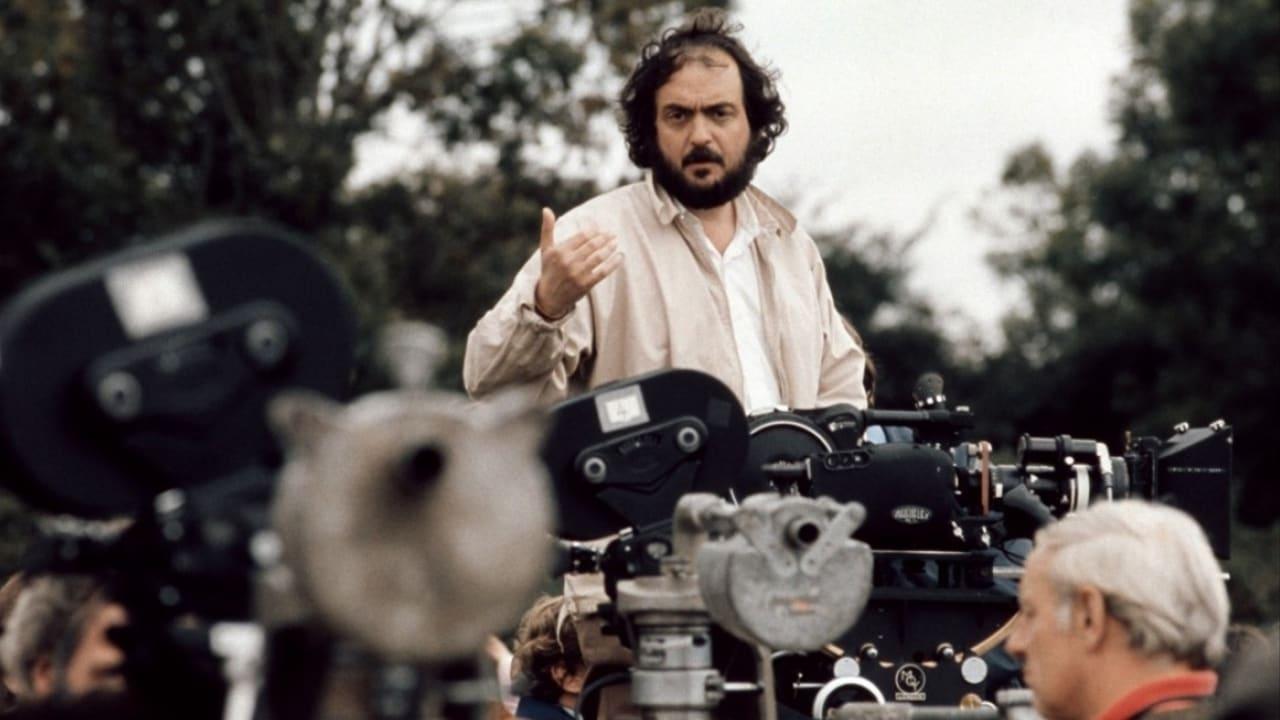
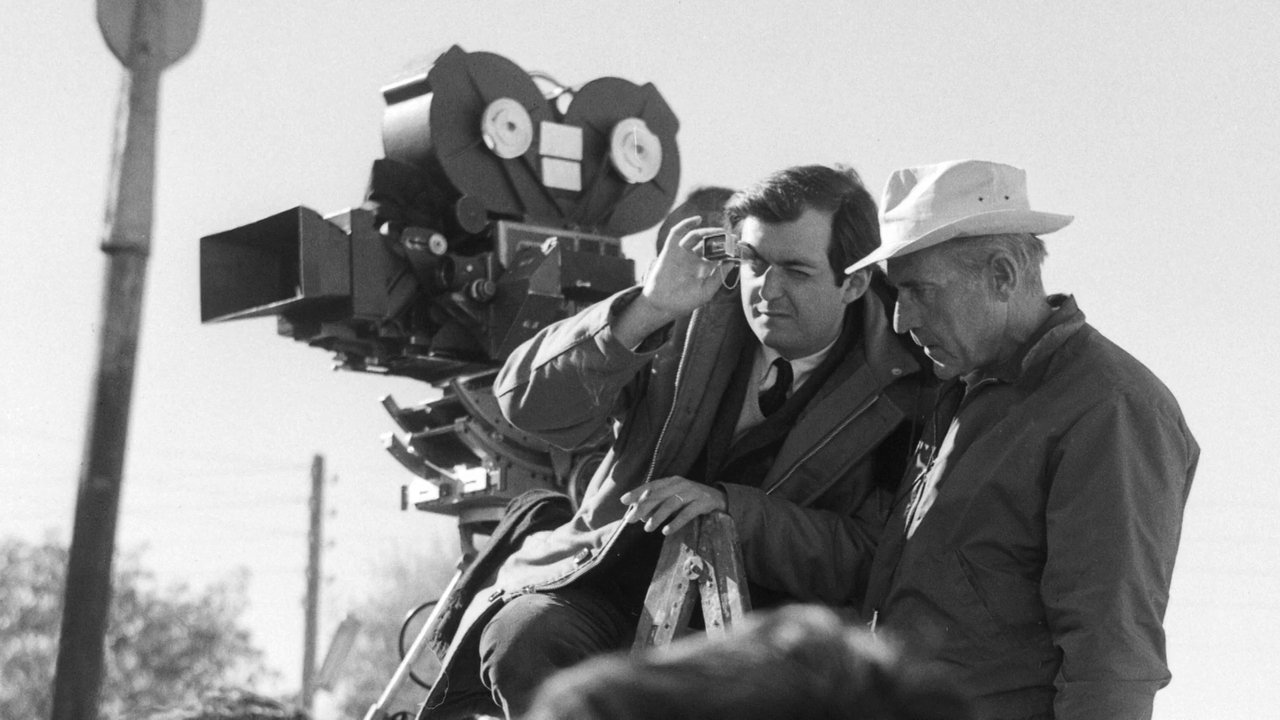
Stanley Kubrick's life and cinematic legacy are explored through interviews with Jack Nicholson, Nicole Kidman, and insights from directors like Steven Spielberg.
Leonard Nimoy's legacy as Mr. Spock is explored through personal memories, interviews with Star Trek cast members like William Shatner, and archival footage.
Explore the cult love for the infamous 'Troll 2' through fan devotion.
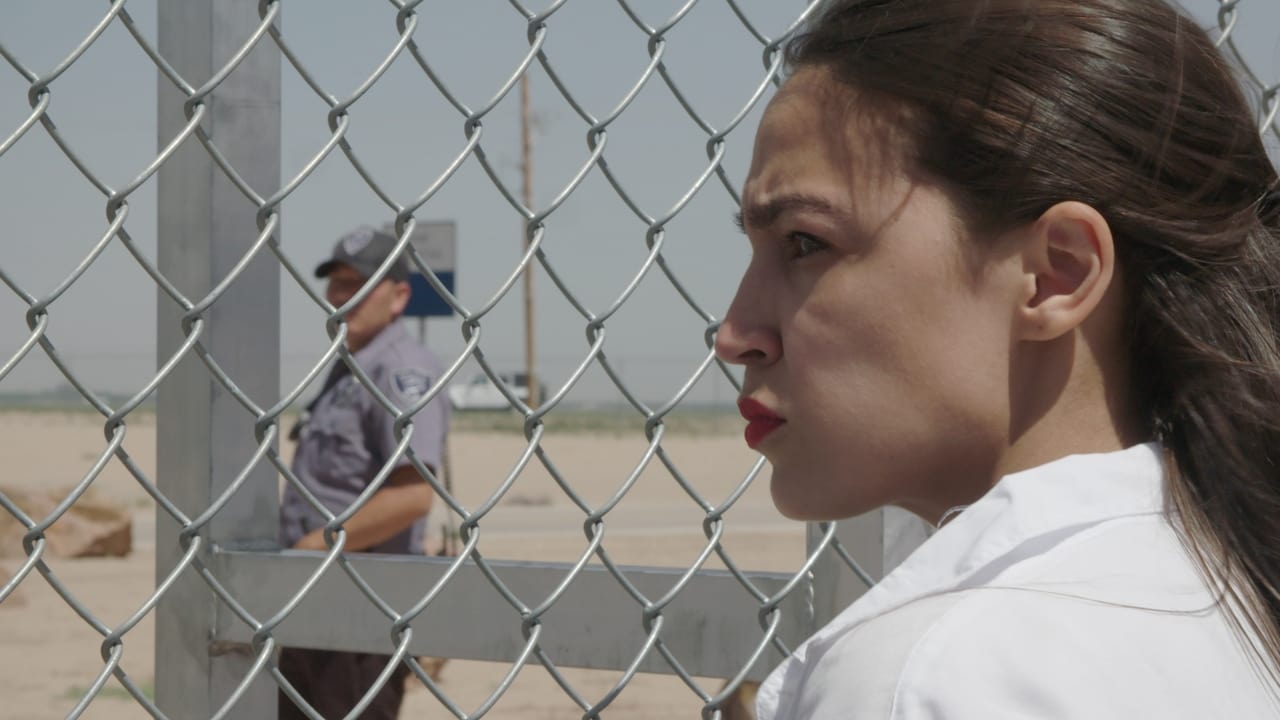
In 2018, Alexandria Ocasio-Cortez and three other women launch campaigns for Congress against established incumbents in their respective states.
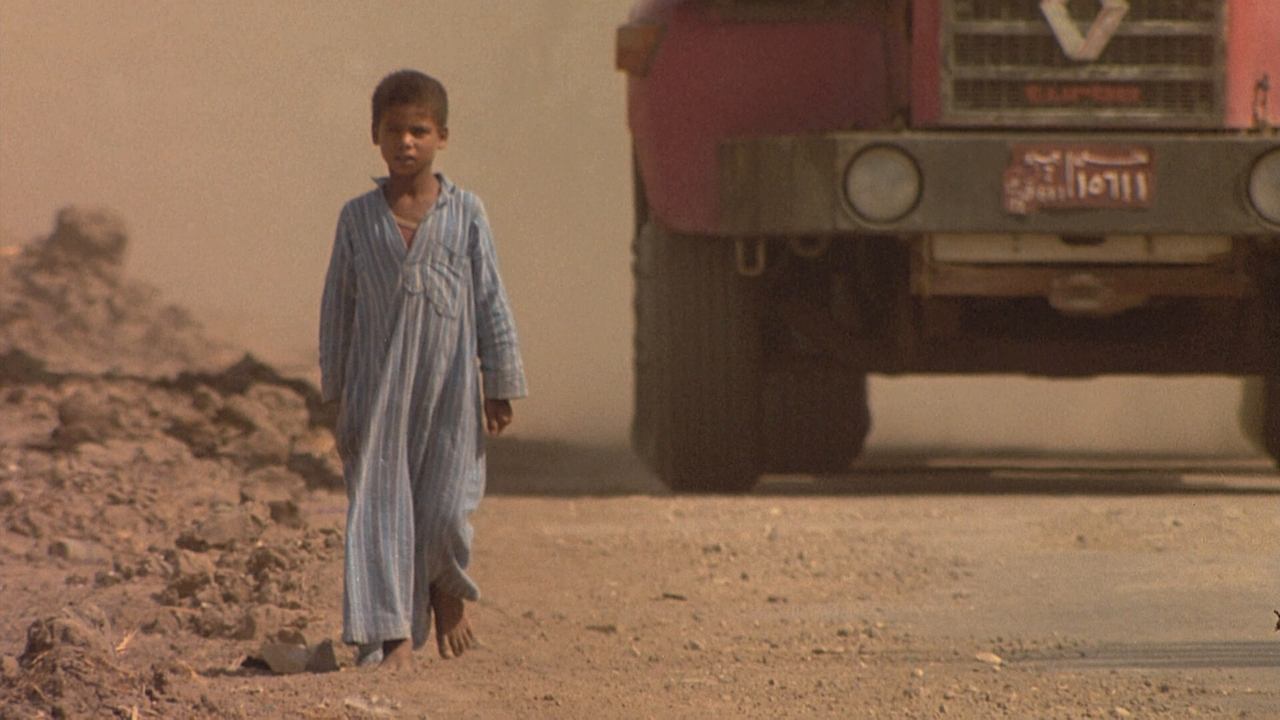
A compelling visual exploration of life amid rapid modernization.
Five major chicken producers dominate the market, making it difficult for new entrants to source live chickens for fast food restaurants.
Five children disappeared in Staten Island during the 1970s and 1980s, leading to the conviction of Andre Rand for one of the kidnappings.
Twenty-three international thinkers discuss the failures of Neo-classical economics and its impact on global quality of life.
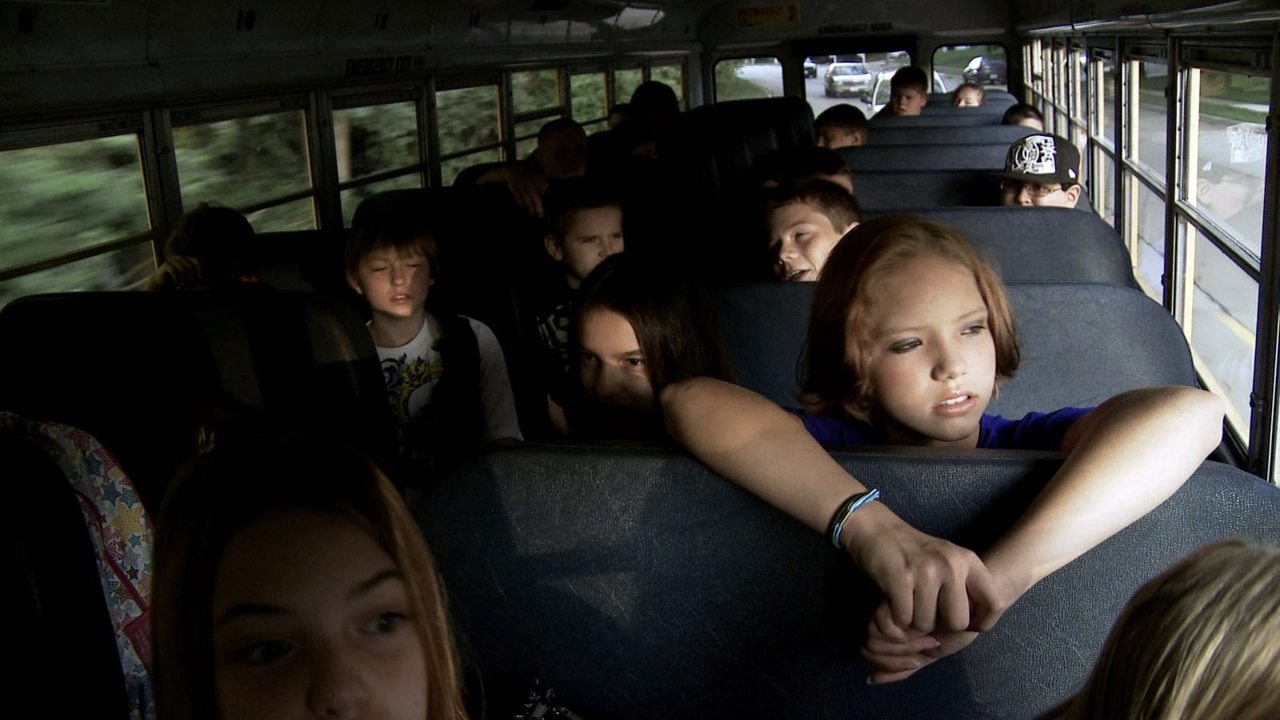
Over 5 million American kids face bullying in schools, online, and on the streets, making it a common experience among young people in the United States.
A 20-year study links chronic diseases like obesity and cancer to diets high in processed and animal-based foods, advocating for a plant-based approach.
Camp Jened opened in 1971 as a summer camp for teens with disabilities, becoming a catalyst for future disability rights advocates like Judith Heumann.
A $1,000,000 prize pool attracts professional players from around the world to a Dota 2 tournament in Cologne, Germany, in August 2011.
Three teenagers were wrongfully convicted in 1994 for the murders of three eight-year-old boys in West Memphis, Arkansas, and imprisoned for over 18 years.
President George W. Bush urged Americans to go shopping after 9/11, reflecting the deep-seated consumerism that drives human behavior.
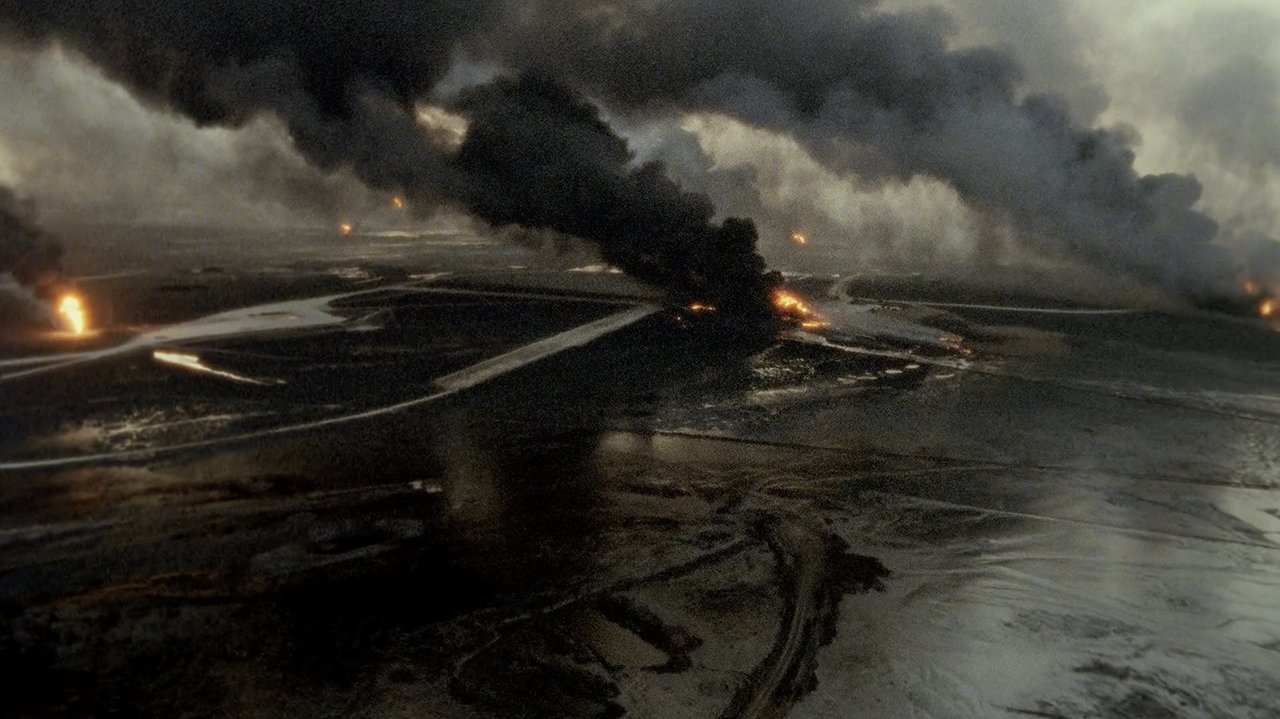
Thirteen sections depict the aftermath of the Gulf War in Kuwait, focusing on the oil fires that blacken the sky and scar the land.
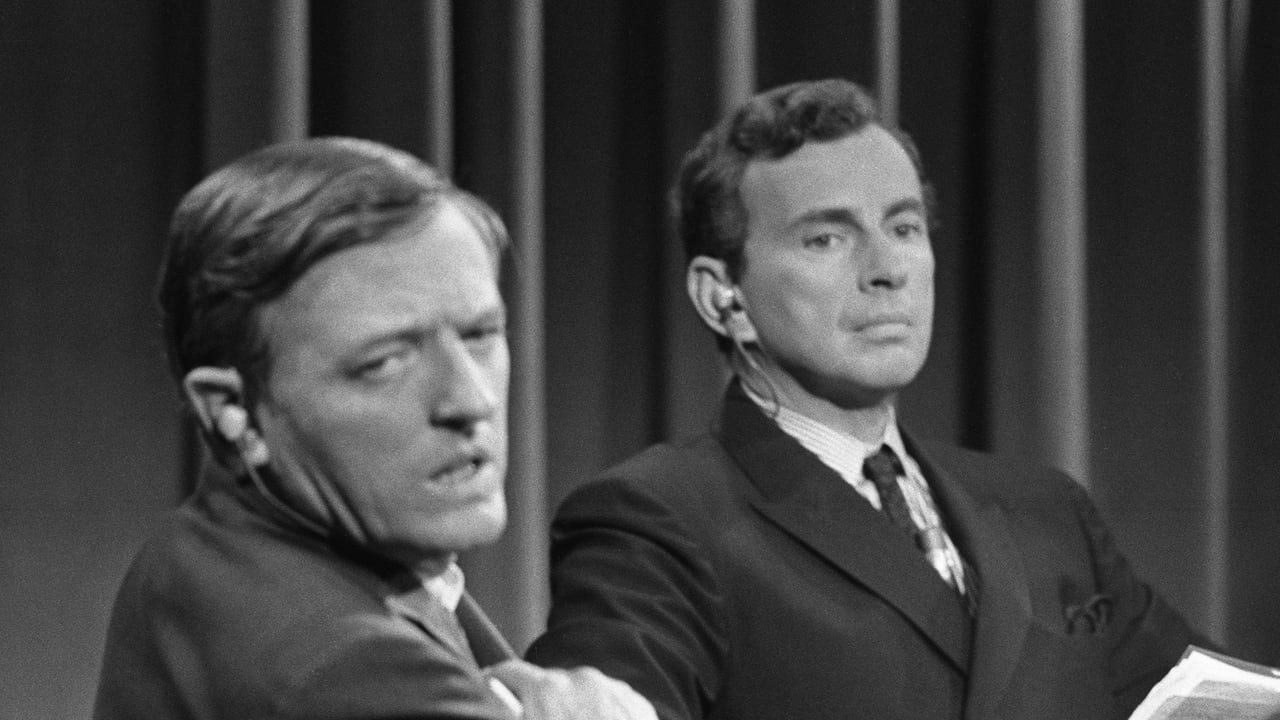
Ten televised debates took place between Gore Vidal and William F. Buckley Jr. during the 1968 United States presidential election.
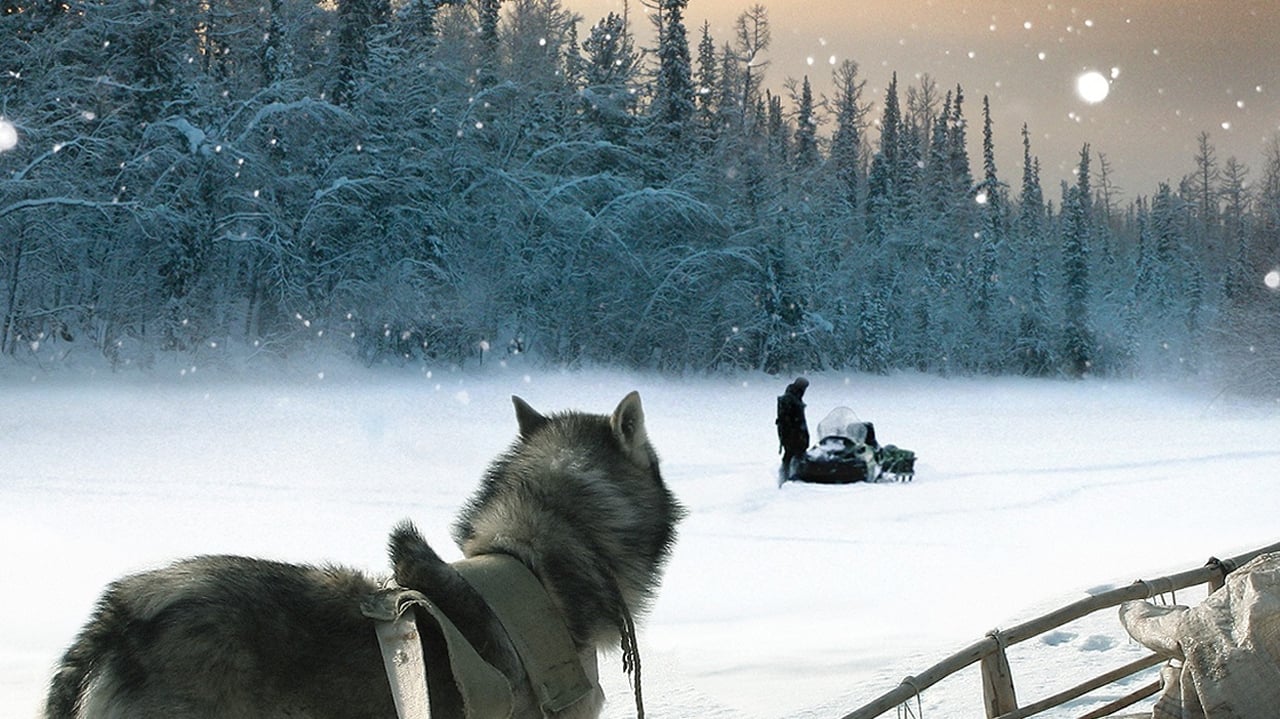
Four seasons unfold in the isolated village of Bakhta, where Russian trappers hunt fur animals and fish in the harsh Siberian taiga.
American musician Daniel Johnston from West Virginia struggled with bipolar disorder while producing influential art, featuring personal recordings and interviews.
In 1957, the launch of Sputnik marked the beginning of the Space Age, prompting the United States to establish NASA within a year.
A team of divers, scientists, and photographers documents the rapid disappearance of coral reefs around the world due to climate change.
A billion-dollar short position against Herbalife sets the stage for a fierce battle between hedge fund manager Bill Ackman and the company's executives.
The United States ranks 64th in income inequality among developed nations, worse than countries like the Ivory Coast and Cameroon.
A map from The Los Angeles Times shows red dots representing homeless individuals and yellow dots for tents and makeshift shelters throughout the city.
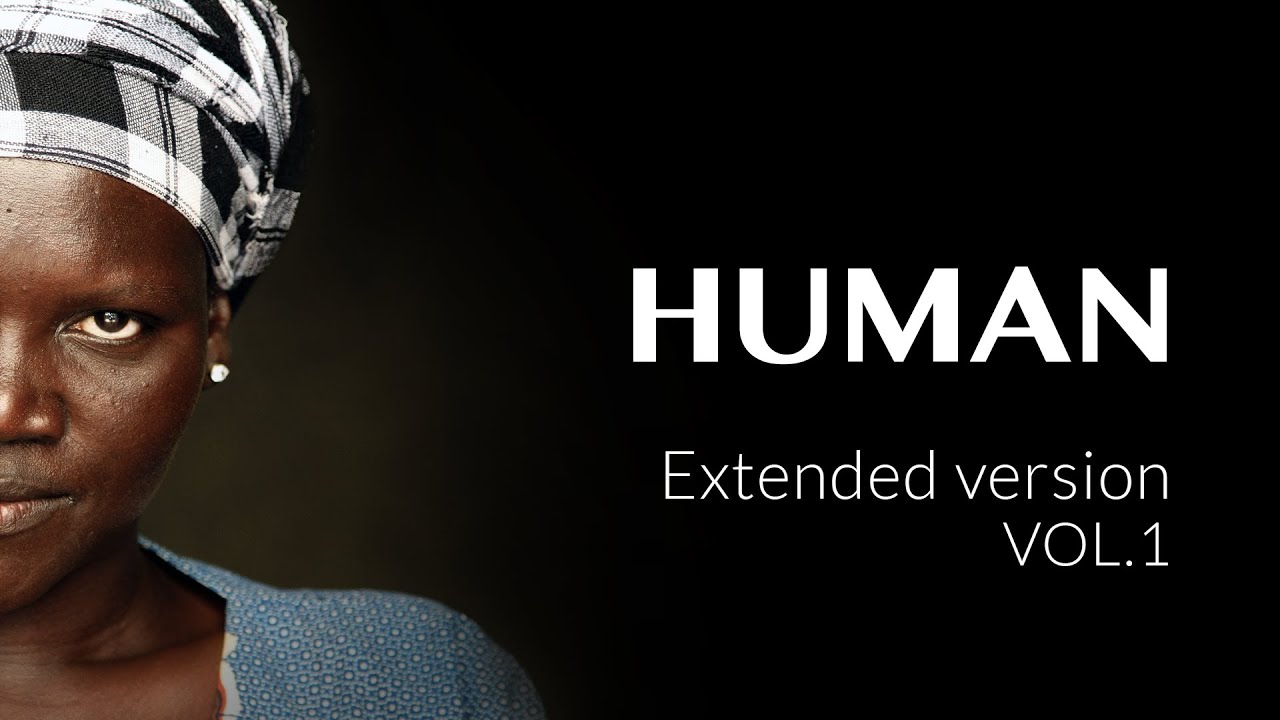
Two thousand individuals from 60 countries share their personal stories, addressing themes of love, work, and poverty in a global context.
840 pages make up the September 2007 issue of Vogue, which is documented in the film about the magazine's production process.
A crowd of punk rock fans cheers as the Germs perform, capturing the raw energy of the Los Angeles punk scene in 1979 and 1980.
Norwegian black metal is linked to a series of murders and church arsons that shocked the world in the 1990s.
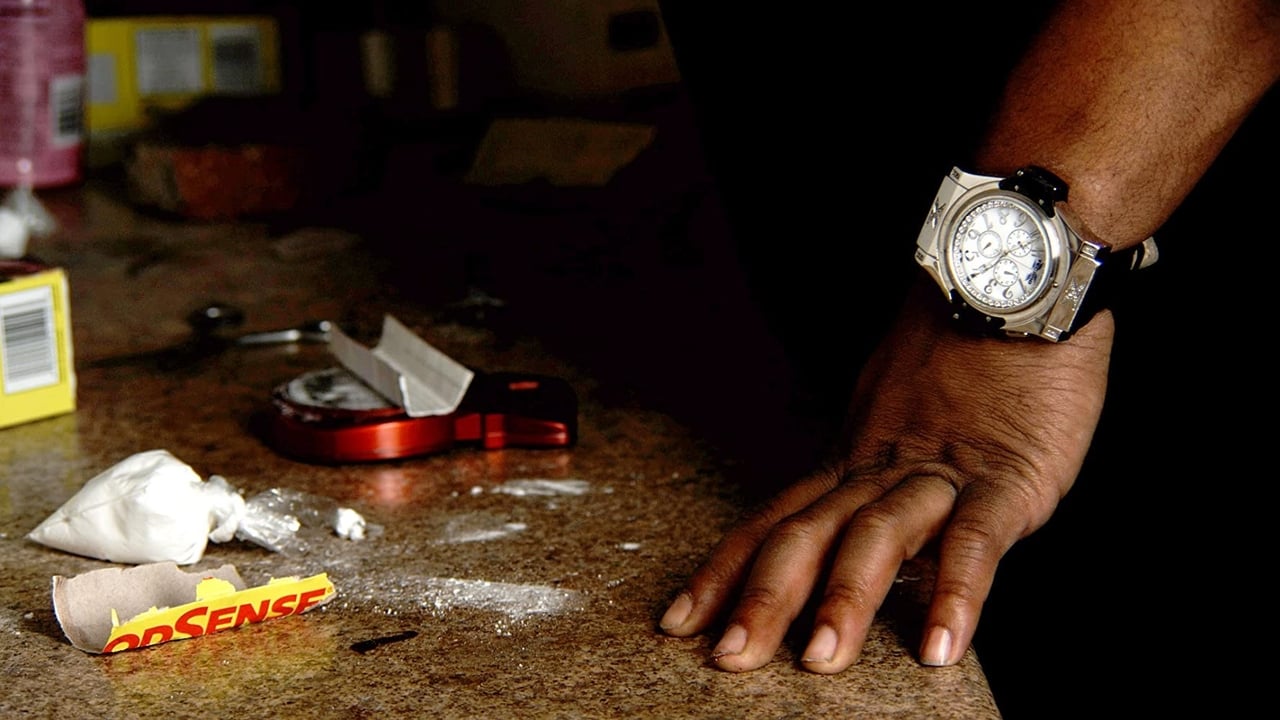
Ten steps outline how to profit from the drug trade, featuring insights from dealers, prison employees, and lobbyists on the War on Drugs.
Mark Zupan and the American wheelchair rugby team prepare for the 2004 Paralympic Games in Athens, facing intense competition from Canada.
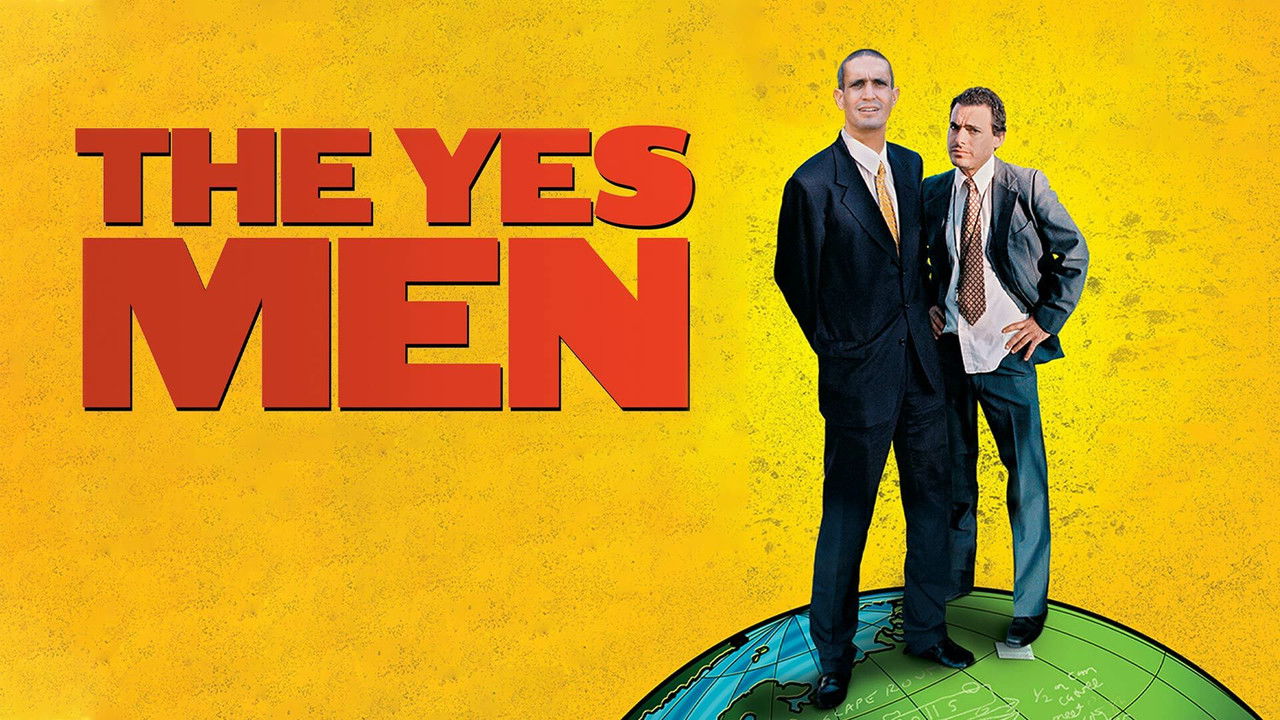
Two anti-globalization activists impersonate WTO representatives to stage elaborate hoaxes, including a fake press conference and a fraudulent website.
Al races down Mountain Highway at speeds of 67 kilometers per hour in a shopping cart, alongside a group of men collecting bottles for cash.
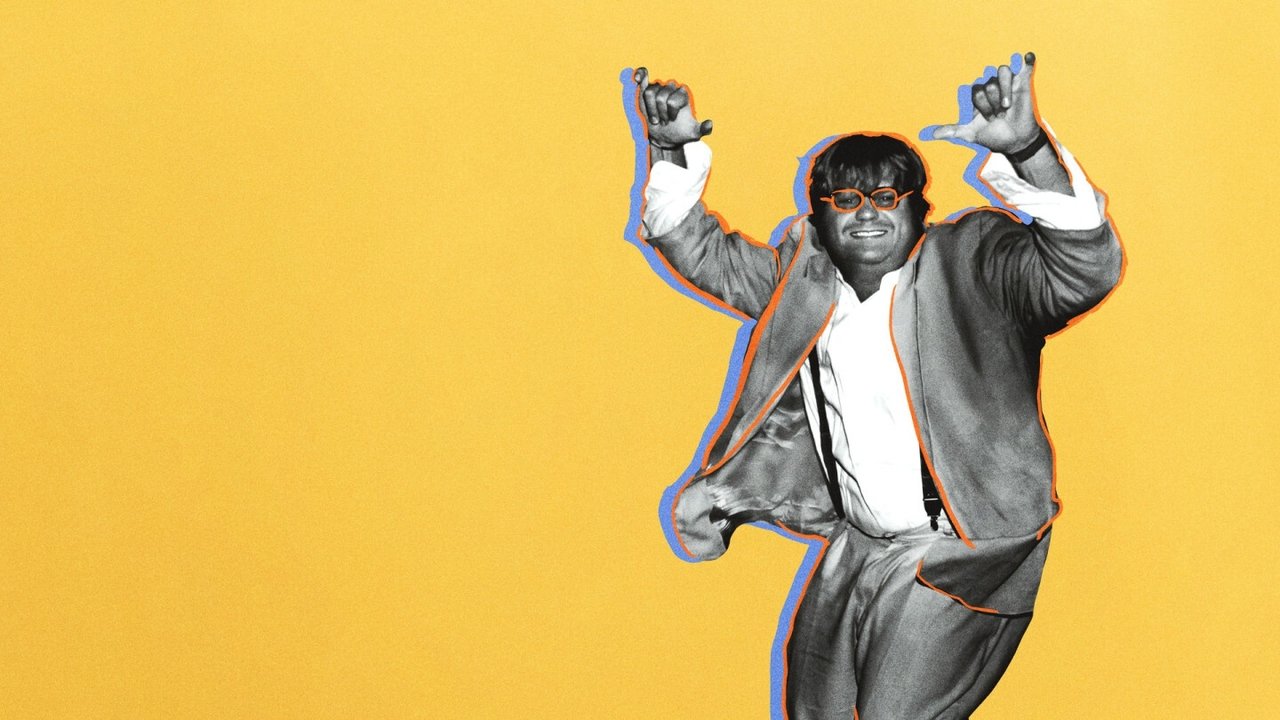
More than 30 interviews with actors and comedians, including Adam Sandler and Mike Myers, reveal the life and career of Chris Farley.
Aaron Swartz faced a potential 35 years in prison and a $1 million fine for his activism before his death at age 26.
William Ford, a 24-year-old teacher, was murdered in April 1992, and an all-white grand jury in Suffolk County chose not to indict his shooter.
Acker Merrall & Condit sold $35 million worth of Rudy Kurniawan's wines in 2006, later revealing many were counterfeit.
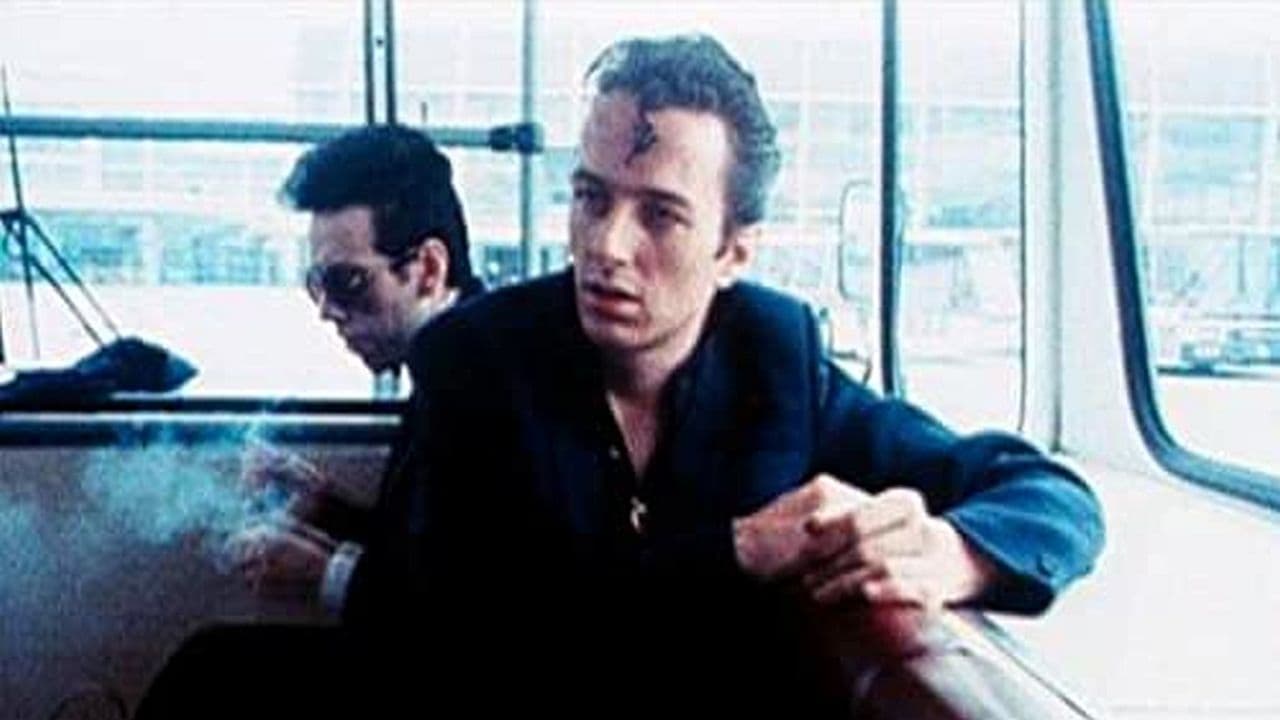
Joe Strummer, the lead singer of The Clash, is portrayed through interviews and archival footage, highlighting his impact on music and social issues.
More than 500 hours of footage were recorded to document the Manassas Tigers' attempts to achieve a winning season in high school football.
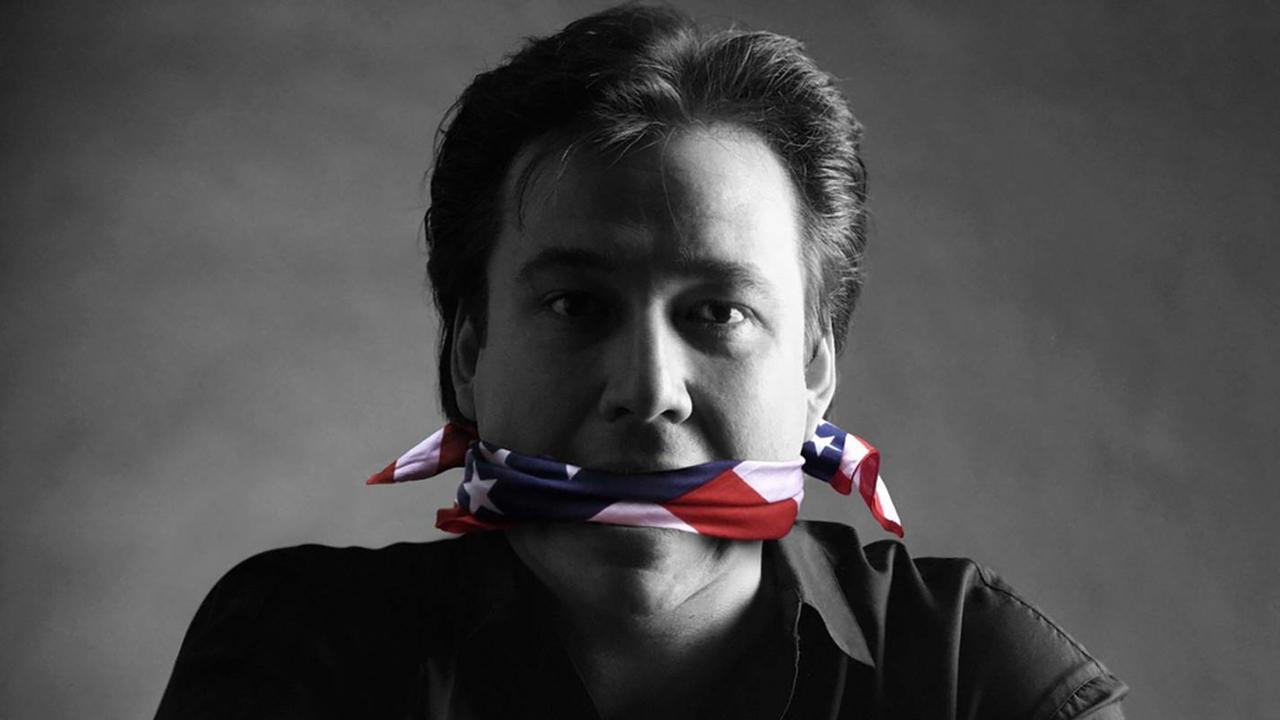
Bill Hicks, a prominent comedian from Valdosta, Georgia, is remembered for his incisive social commentary and the impact of his work before his death from cancer in 1994.
A 40-year marriage between artists Ushio and Noriko Shinohara unfolds in Brooklyn, revealing their struggles and artistic pursuits.
Explore the evolution of sound in cinema through expert insights.
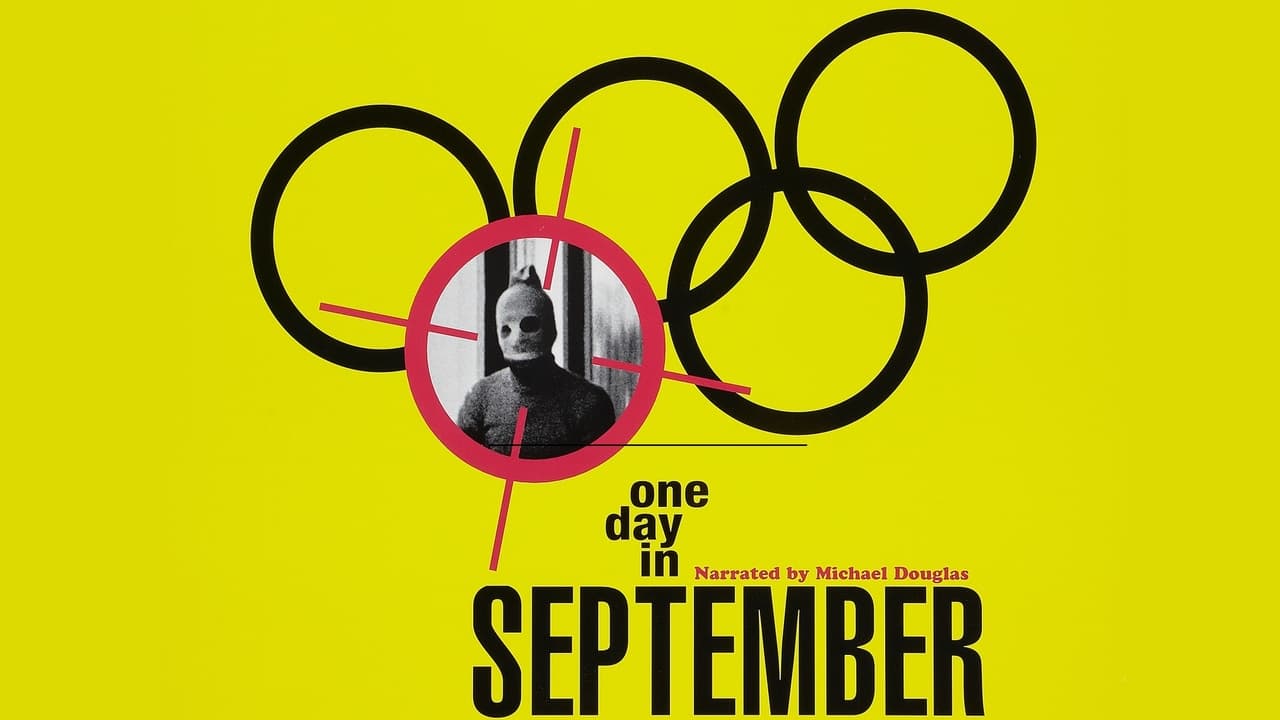
Eleven Israeli athletes were murdered by Palestinian terrorists during the 1972 Summer Olympics in Munich, Germany.
Filmed between August 1987 and February 1988, the documentary features interviews with established heavy metal performers like Ozzy Osbourne and Alice Cooper.
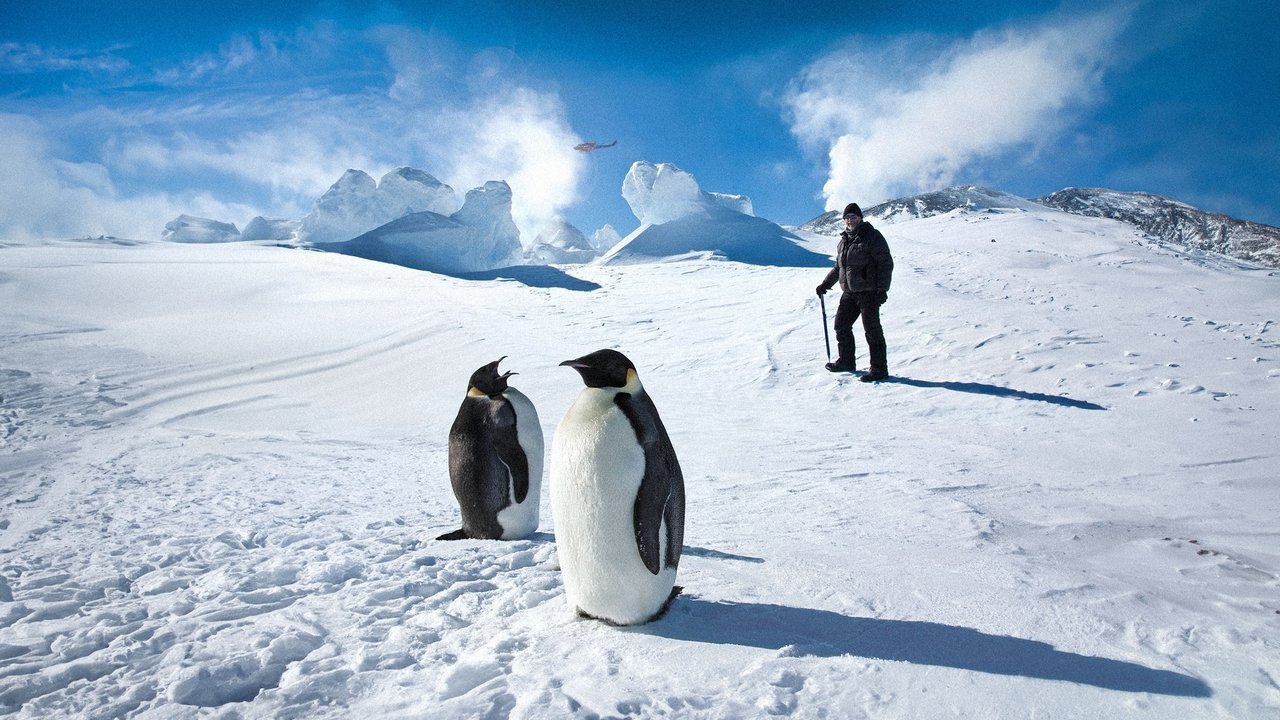
A year in Antarctica includes four months of complete darkness, as documented through time-lapse photography at McMurdo Station and Scott Base.
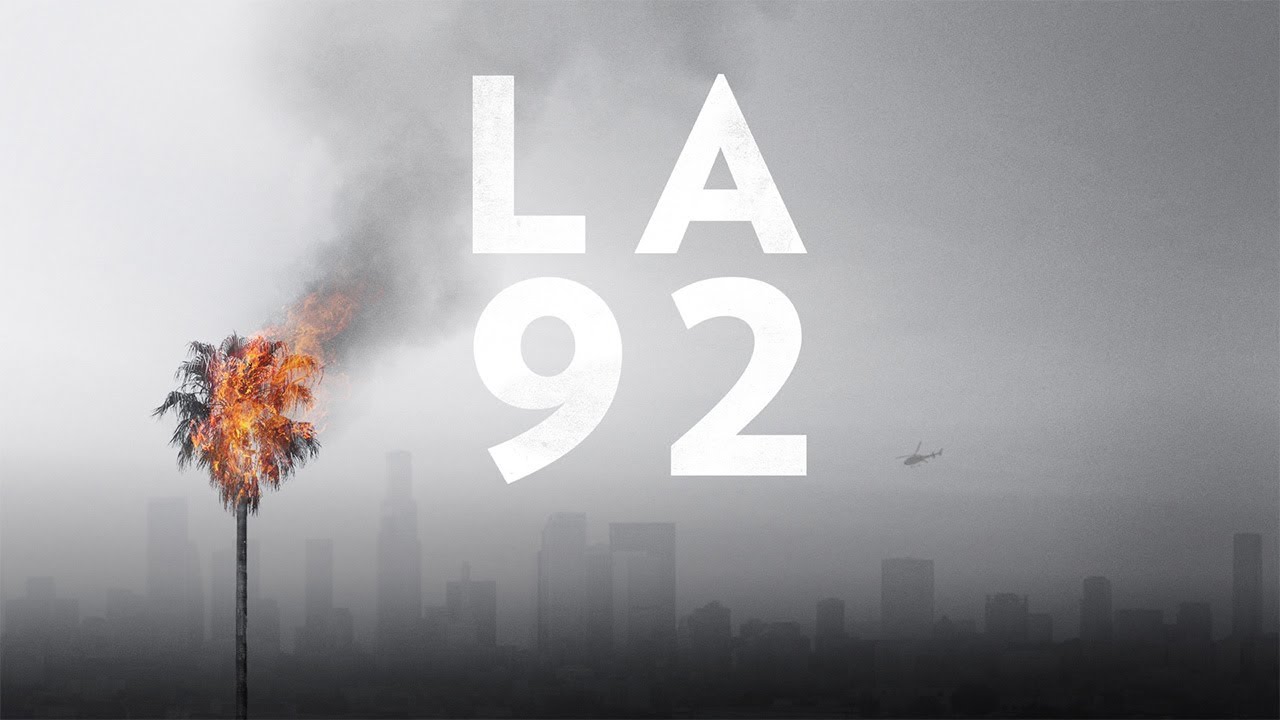
Thirty-four people died during the 1992 Los Angeles riots, which lasted nearly a week and involved widespread violence and looting across the city.
Jesus Christ's life is explored through key events such as his years in the wilderness and his ministry, providing insight into his humanity.
Maureen Sullivan, a sex surrogate, works with clients Kipper and John to address their sexual insecurities and improve their relationship skills.
Fini Straubinger, who has been deaf and blind since her teens, advocates for the rights of deaf-blind individuals facing isolation from the world.
In 2003, Fox News's coverage of the Iraq invasion faced scrutiny from former employees who described pressure to conform to conservative viewpoints.
A 75-foot replica of the 'Flying Wing' plane is constructed in Mississippi as three friends reunite to complete their childhood remake of Raiders of the Lost Ark.
Manny Pacquiao, a world champion boxer and congressman, navigates personal and professional challenges while captivating the hearts of his nation.
Children today face challenges like cyberbullying and addiction, as parents express concerns about their mental health and safety in a digital world.
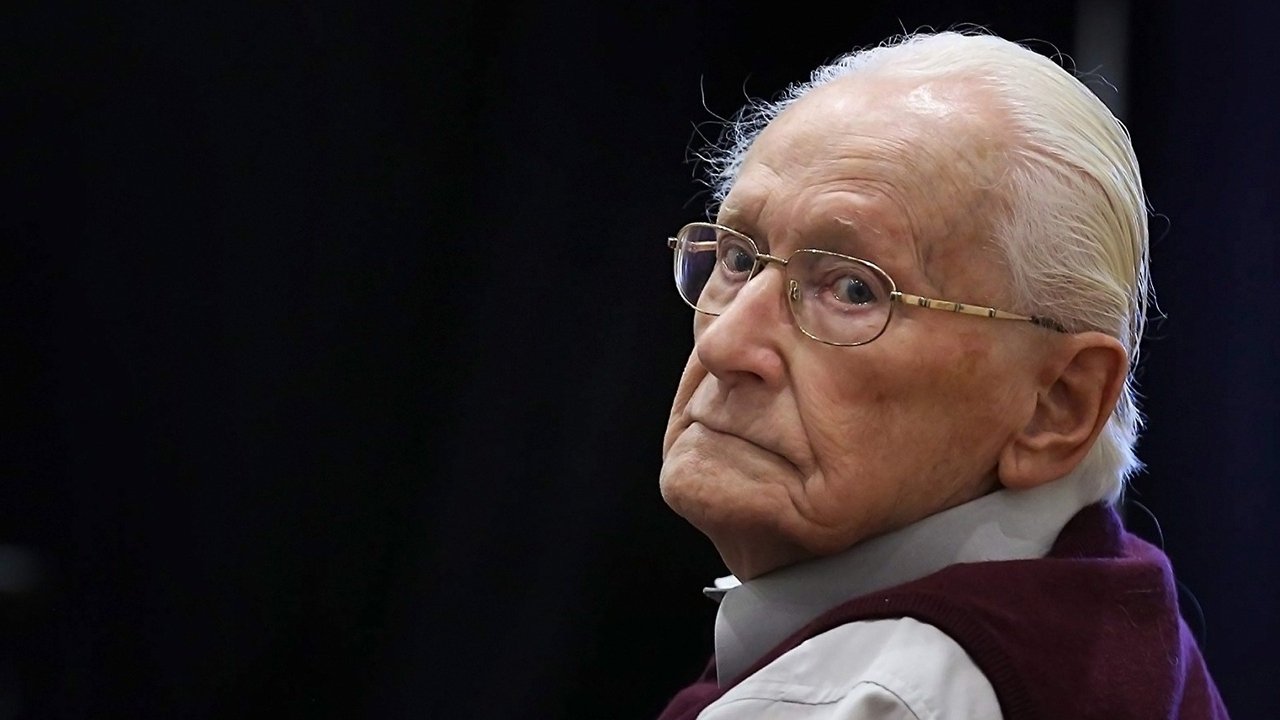
At 94 years old, Oskar Gröning stands trial in 2015 for his role in the murder of 300,000 Jews during the Holocaust at Auschwitz.
A jury deliberates for just 45 minutes before finding 15-year-old Brenton Butler not guilty of murder in Jacksonville, Florida.
Ice-T states that rap music saved his life and emphasizes that the film focuses on the craft of writing rap, not the material aspects of the genre.
Anton Yelchin's life and career are depicted through personal journals, photographs, and interviews with family and friends, reflecting his influence on Hollywood.
Subway graffiti artists in New York City created over 1,000 unique tags and murals during the late 1970s and early 1980s, transforming urban landscapes.
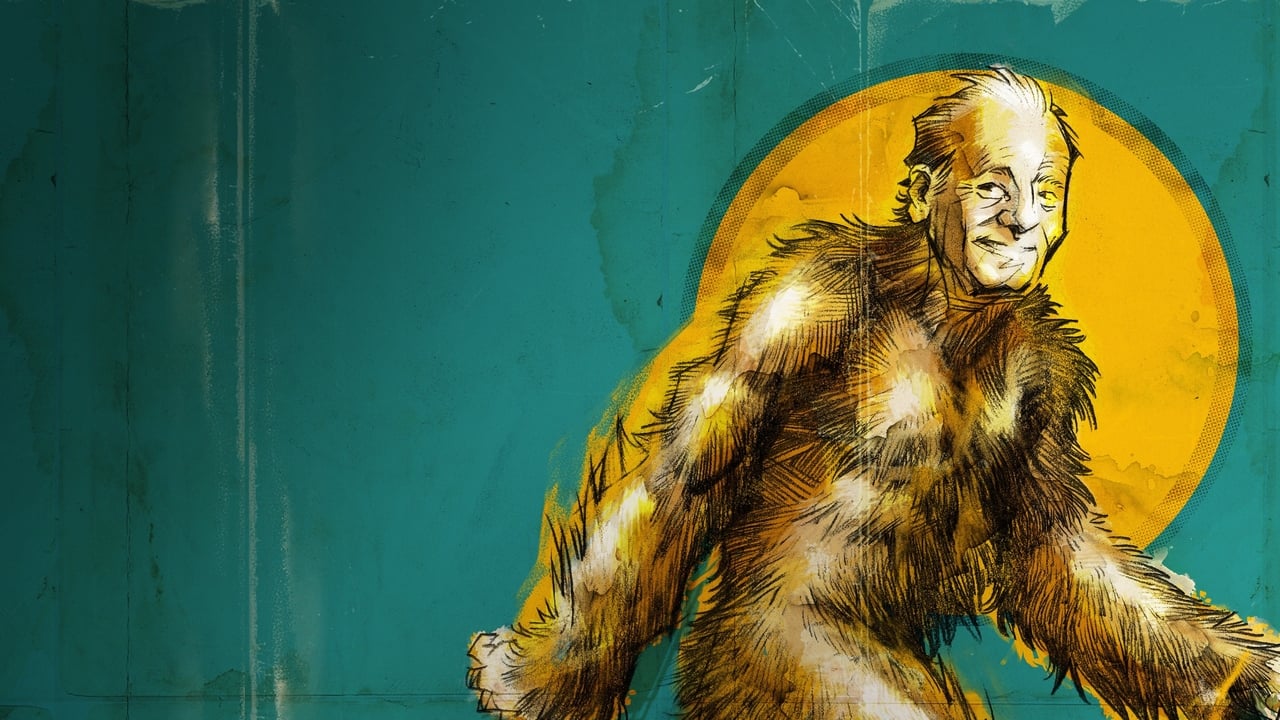
Bill Murray's spontaneous interactions with everyday people, including crashing weddings and joining karaoke sessions, highlight the joy he brings to ordinary lives.
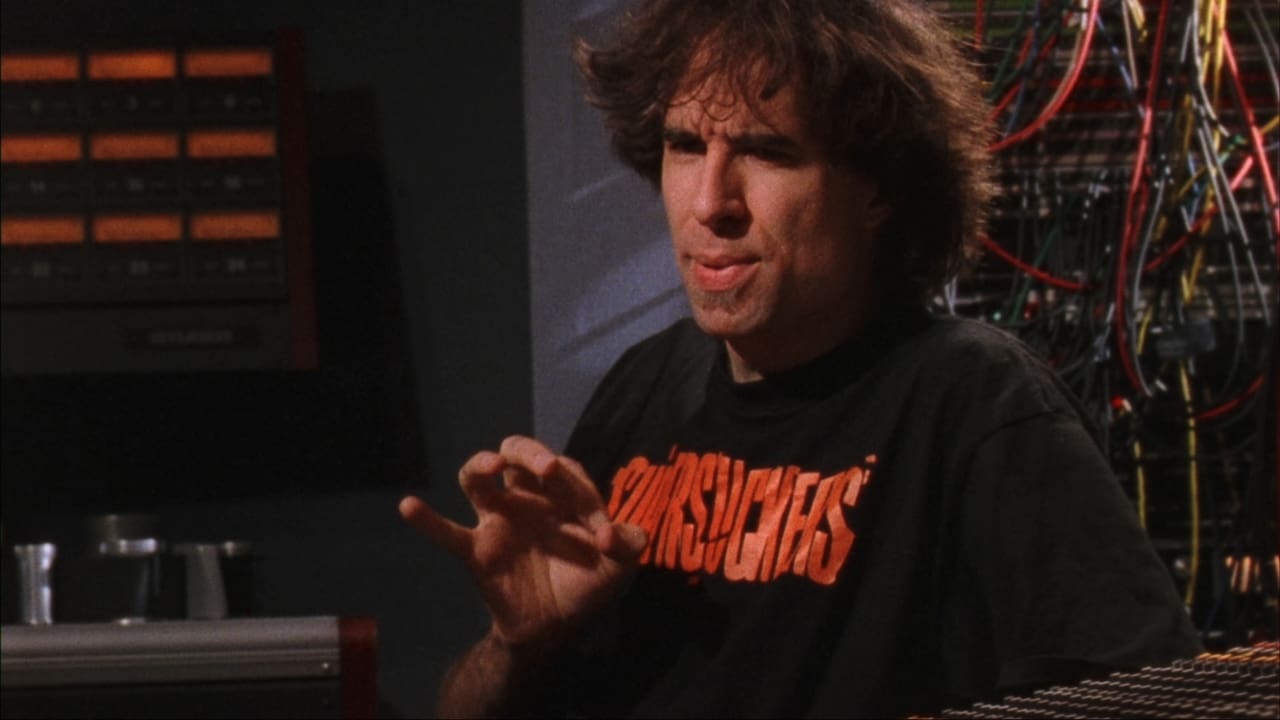
Nirvana, Pearl Jam, and Soundgarden sold millions of records, defining the grunge movement that emerged from Seattle's underground music scene in the early 1990s.
Five young basketball players from Akron, Ohio, rise to prominence as they compete for a state championship during the late 1990s.
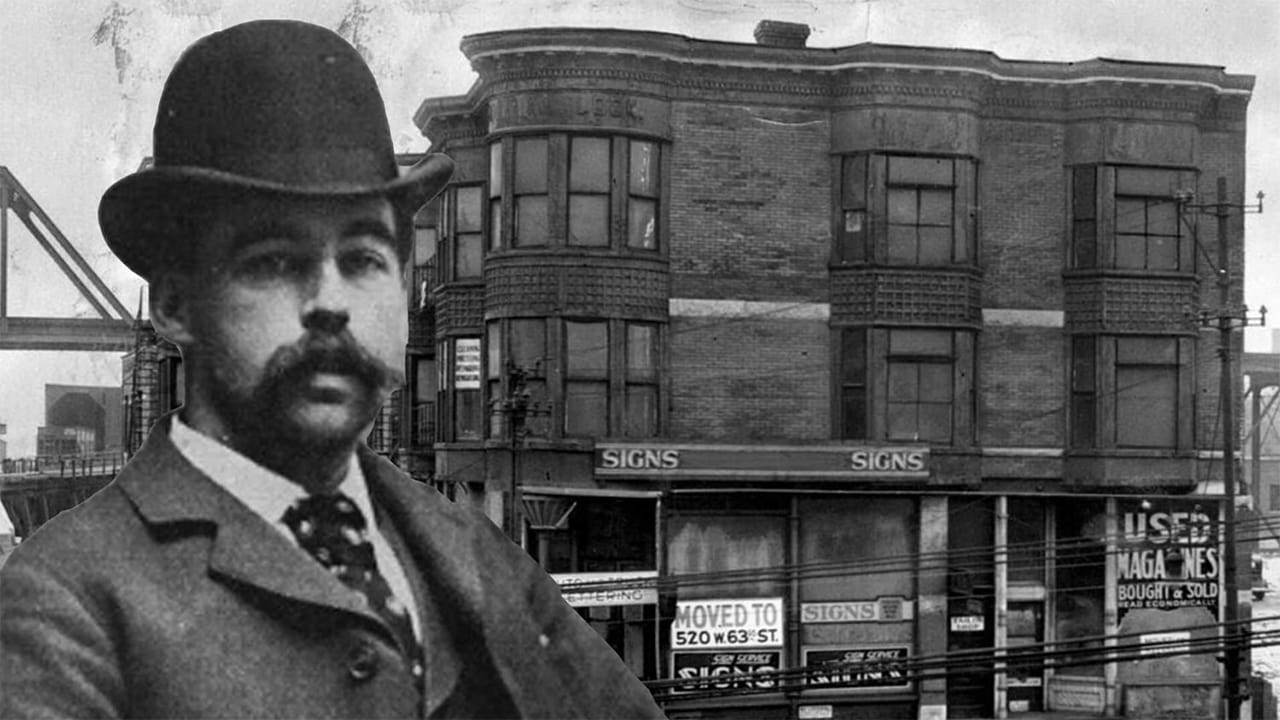
Over 100 rooms in H.H. Holmes' hotel were designed with hidden traps, including torture chambers and gas rooms, to facilitate his murders.
The Aran Islands in Ireland illustrate the daily lives of fishermen and farmers in 1934, highlighting their struggles against a harsh environment.
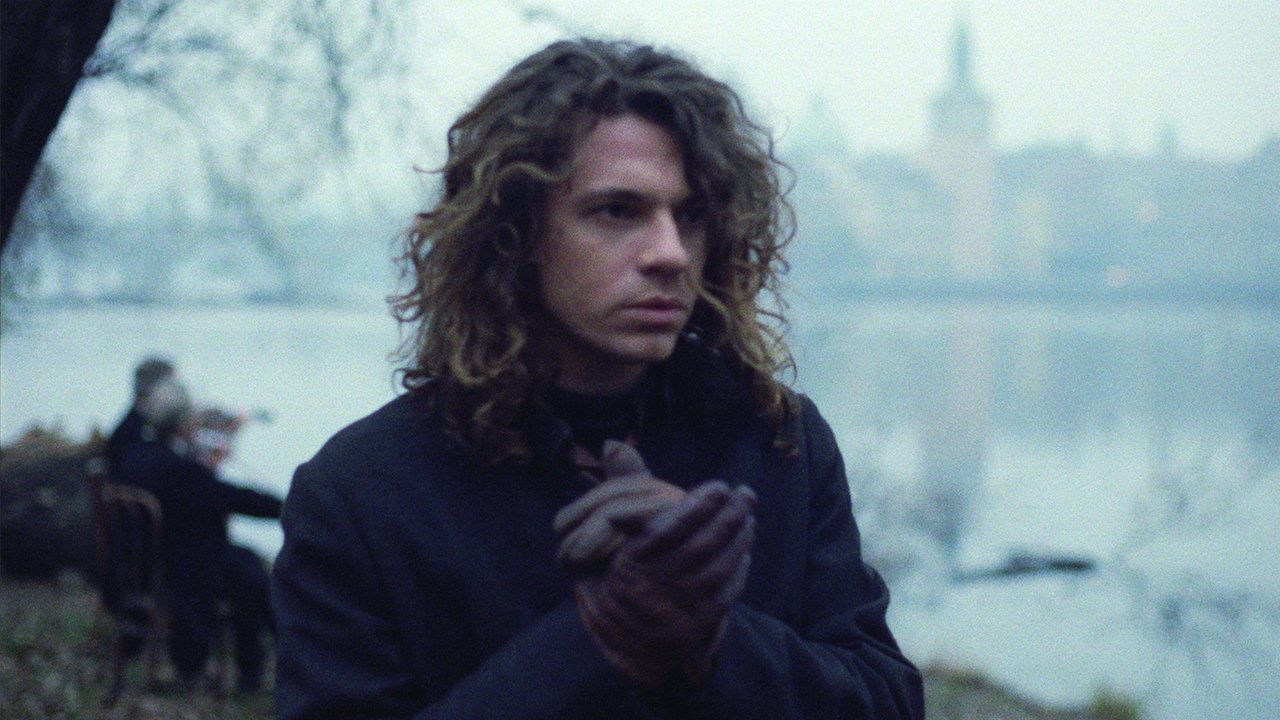
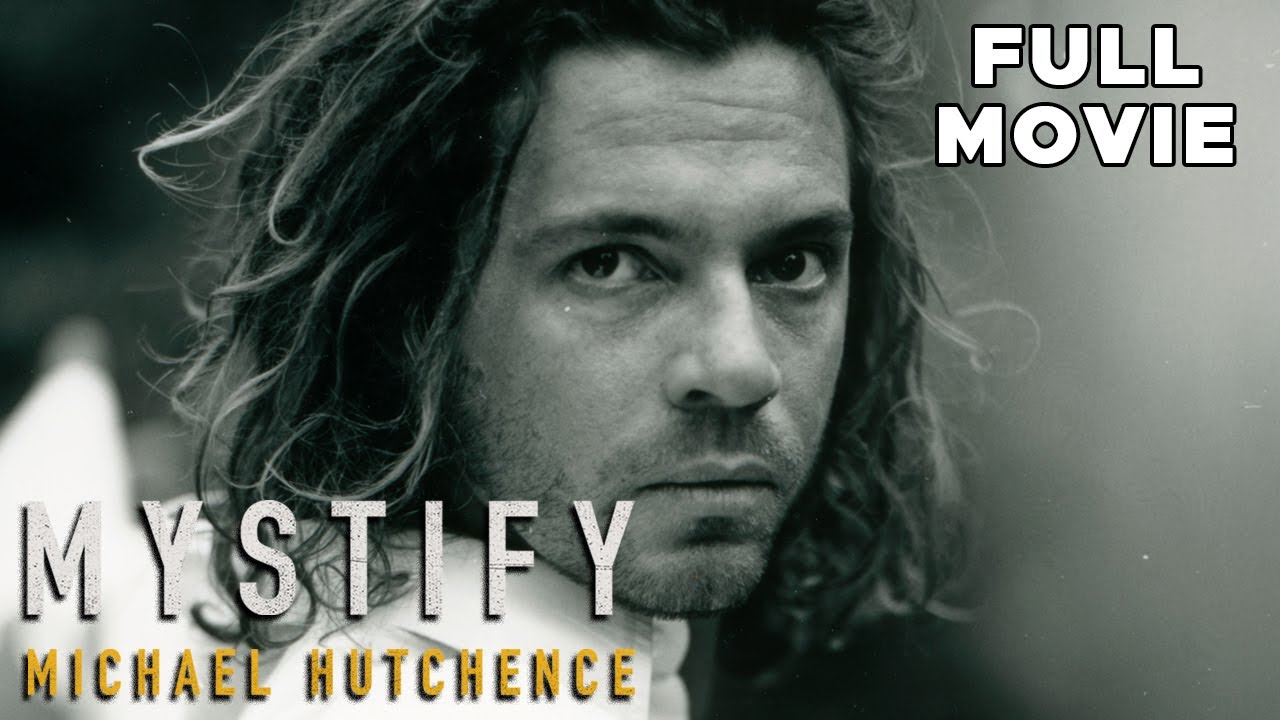
Michael Hutchence's life is explored through rare home videos, personal accounts from friends and family, and key moments like his relationship with Kylie Minogue.
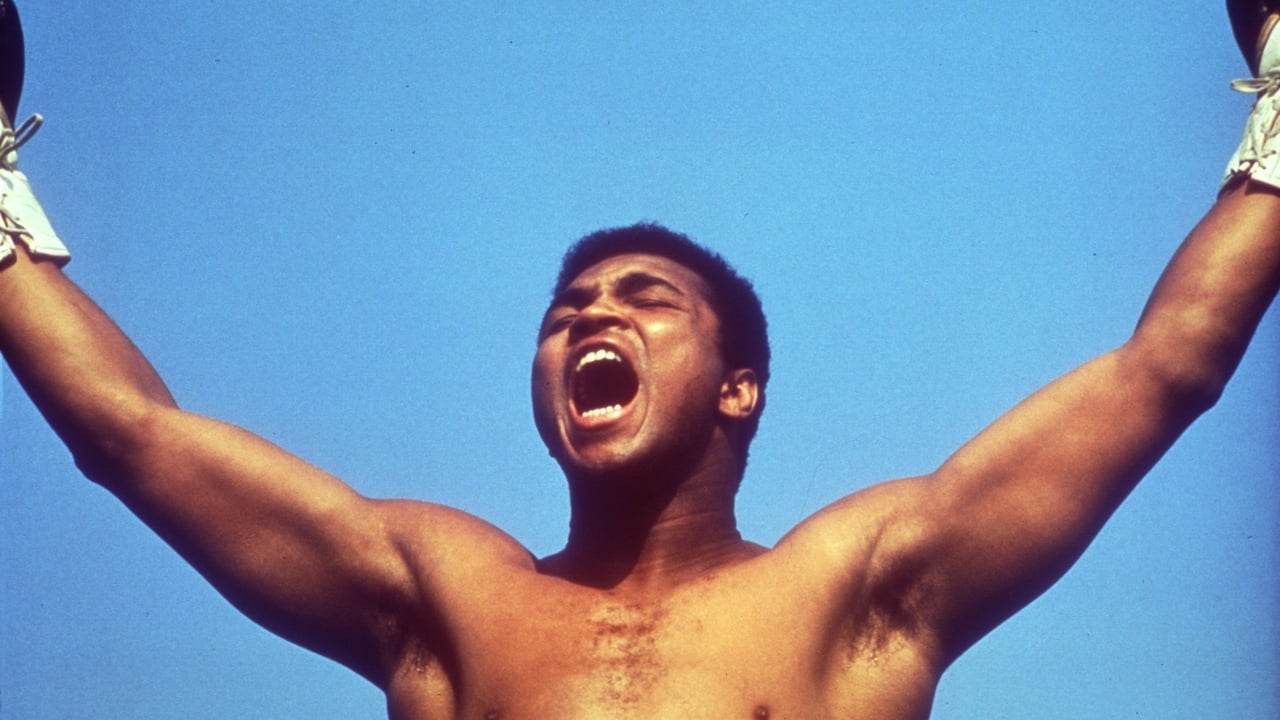
Ten former rivals of Muhammad Ali reflect on their experiences with the three-time world heavyweight champion in this 100-minute tribute.
Gottfried's unique comedic style and career are explored through interviews, archival footage, and insights from fellow comedians and friends.
In April 1893, HP Lovecraft's father was hospitalized for violent hallucinations, profoundly impacting Lovecraft's life and work in horror literature.
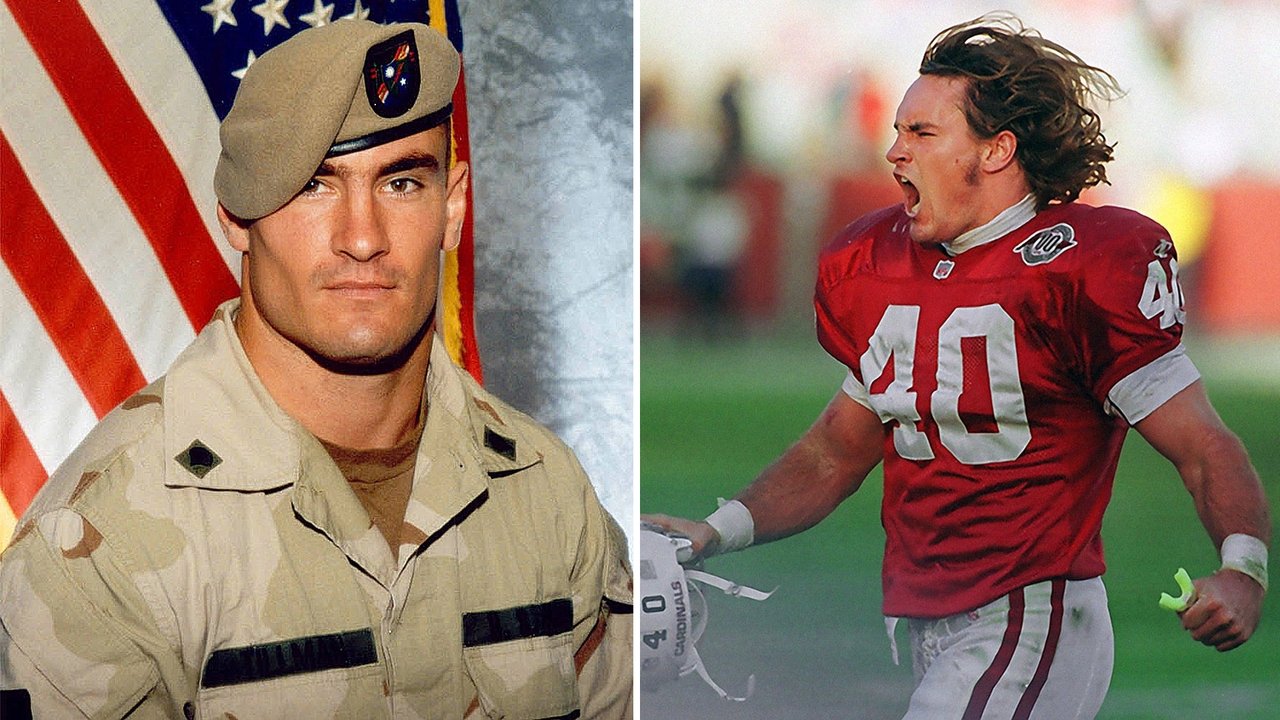
3,000 pages of redacted military documents reveal the coverup surrounding Pat Tillman's death in Afghanistan and the manipulation of his legacy.
Bransk, Poland, once home to 2,500 Jews before the Holocaust, becomes the site of reflection for two elderly Polish-American Jews and a local historian.
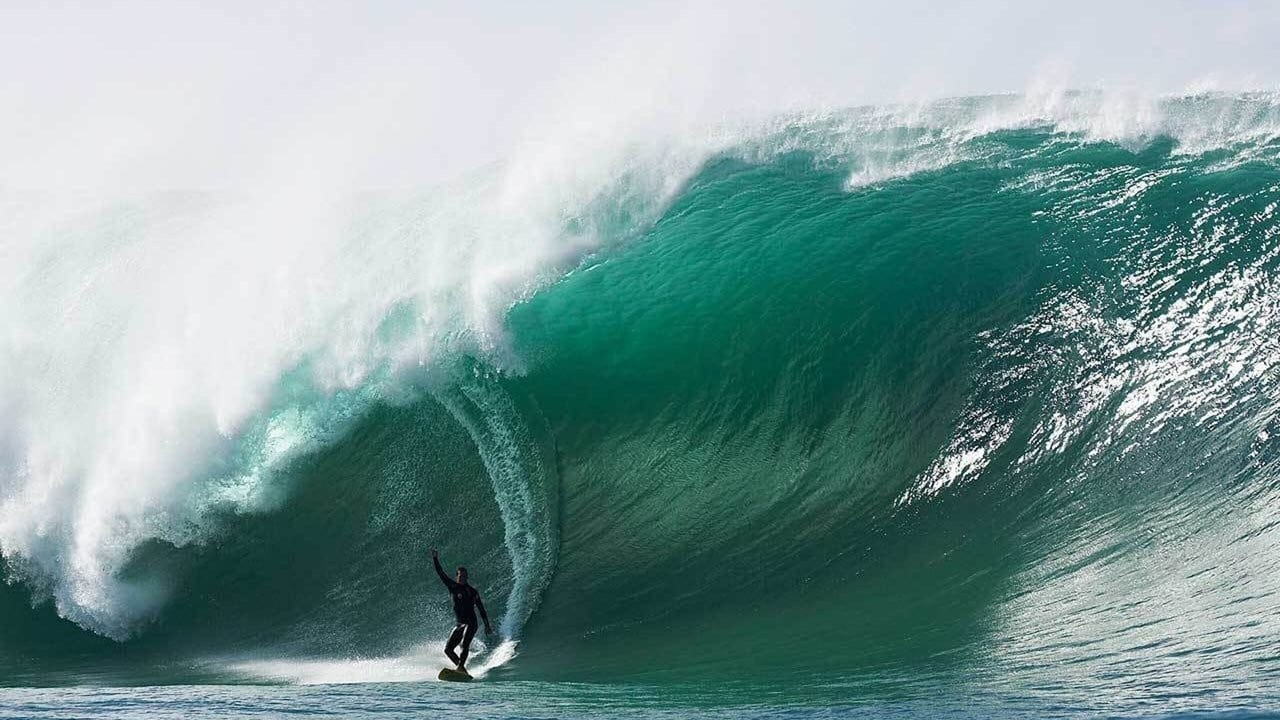
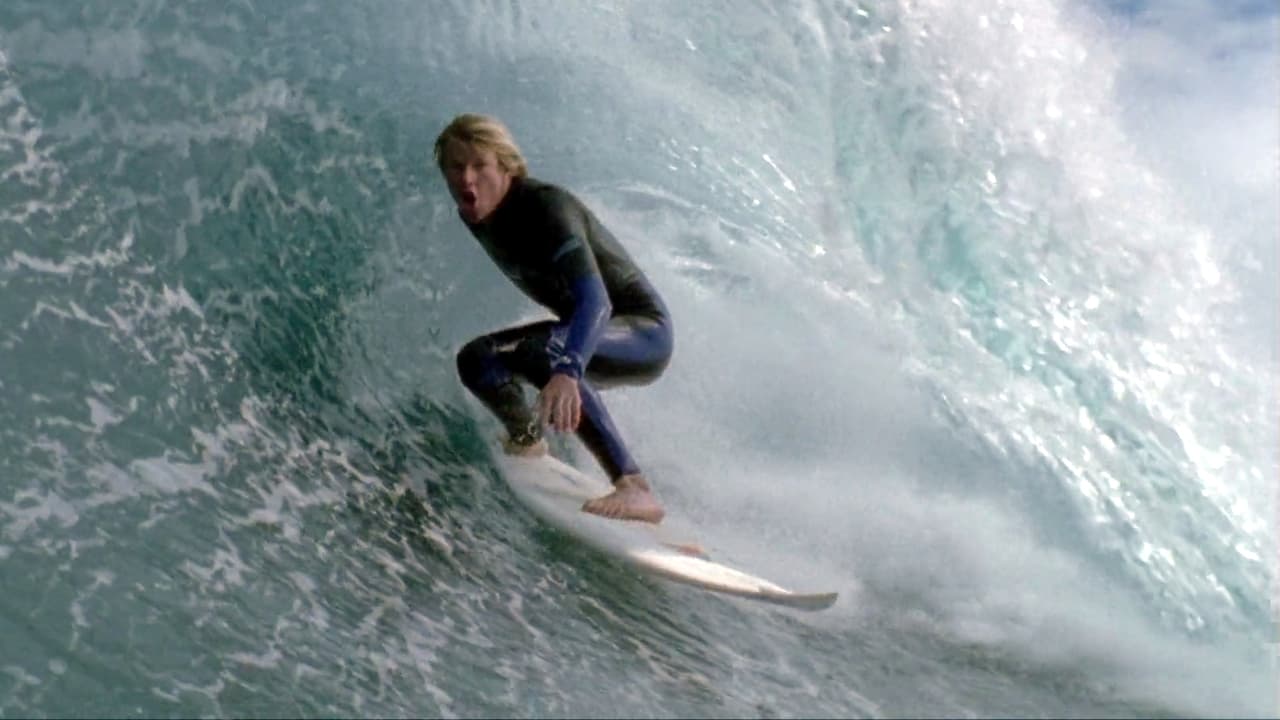
15 years of solo surfing at the "graveyard" led to legendary status for some big wave surfers, despite the dangers that claimed lives like Mark Foo's.
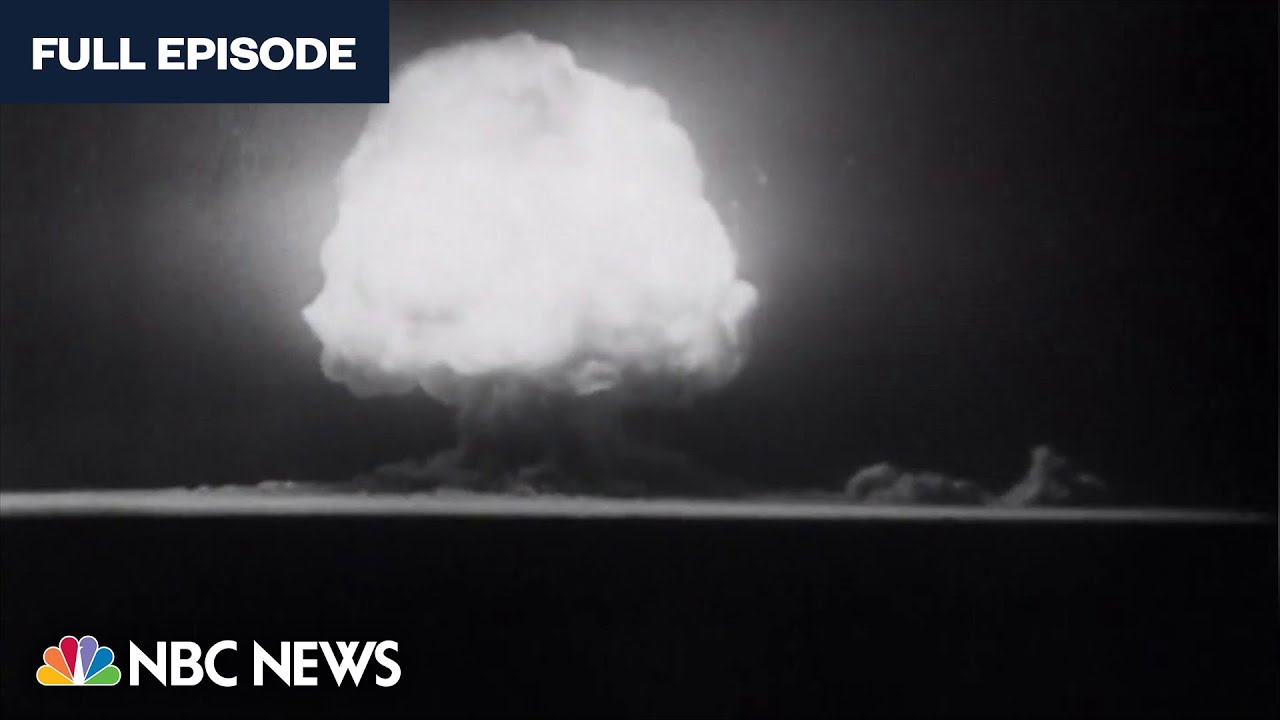
A single plane dropped an atomic bomb on Hiroshima at 8:15 AM on August 6, 1945, killing approximately 70,000 people instantly.
In 1934, Malcolm Wheeler-Nicholson founded National Allied Publications, later known as DC Comics, chronicling the creation of iconic superheroes like Superman and Batman.
Aileen Wuornos, a notorious American serial killer, is analyzed through her traumatic life events and the factors that contributed to her violent behavior.
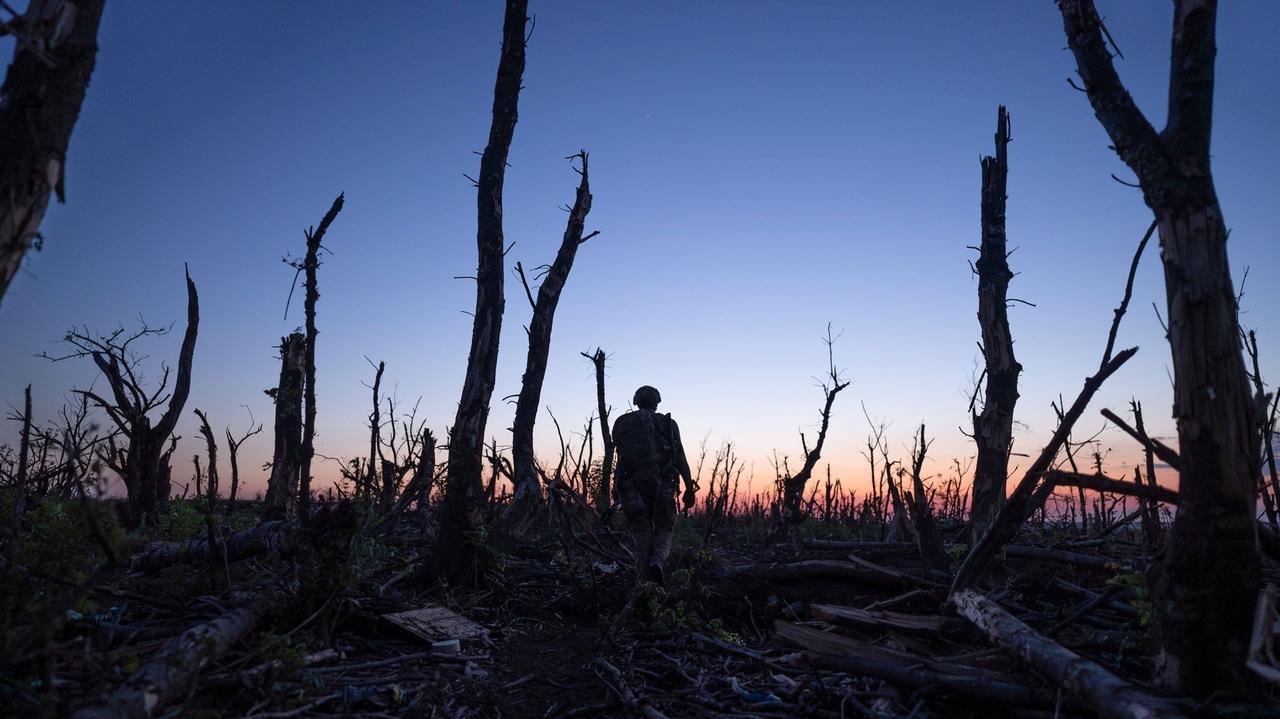
Ukrainian forces aim to advance through 2,000 meters of heavily fortified forest to capture the village of Andriivka from Russian control.
Stanley Kubrick shares insights about his filmmaking process through archival footage and rare audio interviews in this exploration of his artistic legacy.
A 107-minute documentary features William Friedkin discussing his career, including his work on The Exorcist and The French Connection.
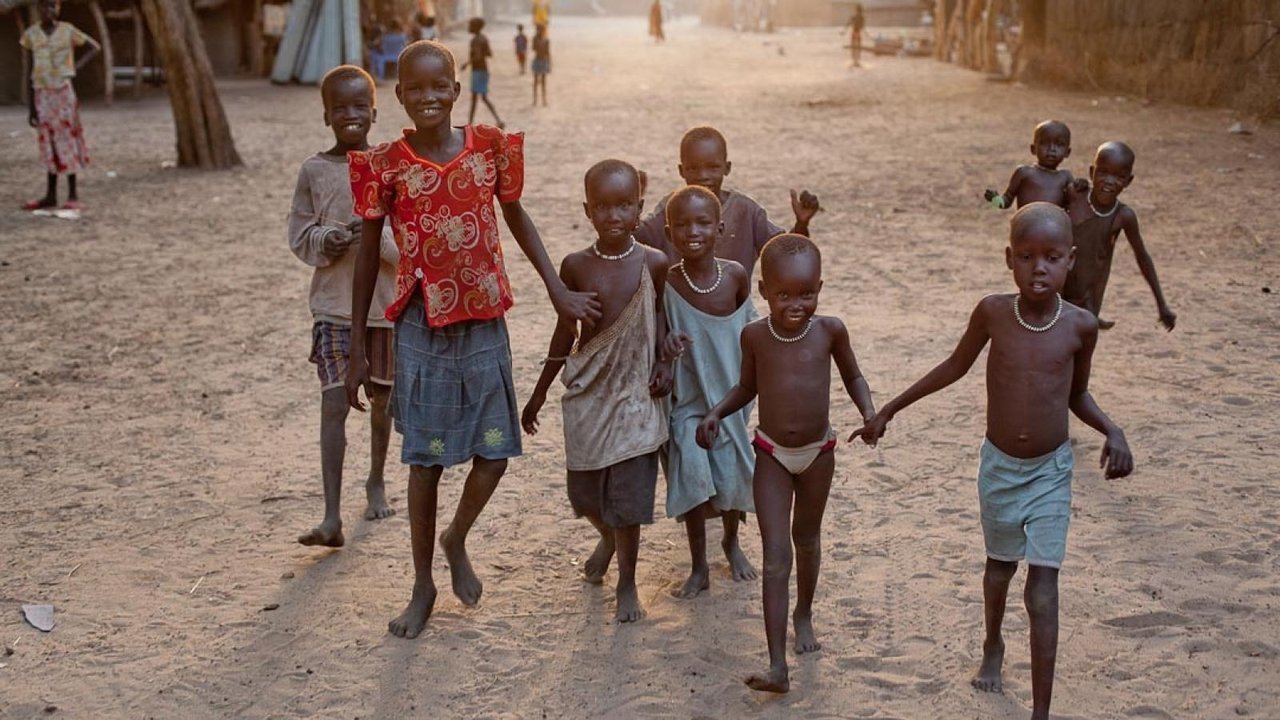
3,600 Lost Boys of Sudan, including John Bul Dau, Daniel Abul Pach, and Panther Bior, resettled in the United States after years of fleeing war and violence.
Two Kalachakra initiations in 2002, led by the fourteenth Dalai Lama, are documented in this film, one disrupted by his illness in Bodh Gaya, India.
Four bands perform in a gritty portrayal of homeless teenagers in Los Angeles, who embrace a punk lifestyle marked by music, drugs, and rebellion.
Bitcoin was created to provide an alternative to the banking system during a serious financial crisis, as stated by various participants in the film.
Las Vegas was incorporated on March 16, 1911, and transformed from a frontier town into a major gambling hub influenced by organized crime.
Giger's work includes the design of the alien creature in Ridley Scott's 1979 film, which has influenced generations of artists and filmmakers.
Over 80,000 musical instruments are maintained in a downtown Los Angeles warehouse for local public school students by craftspeople specializing in repairs.
114,000 email addresses are leaked by a hacker, exposing a list of AT&T customers and raising concerns about privacy and security.
On May 31, 1986, fans gathered in the parking lot of the Capital Centre in Landover, Maryland, to tailgate before a Judas Priest concert.
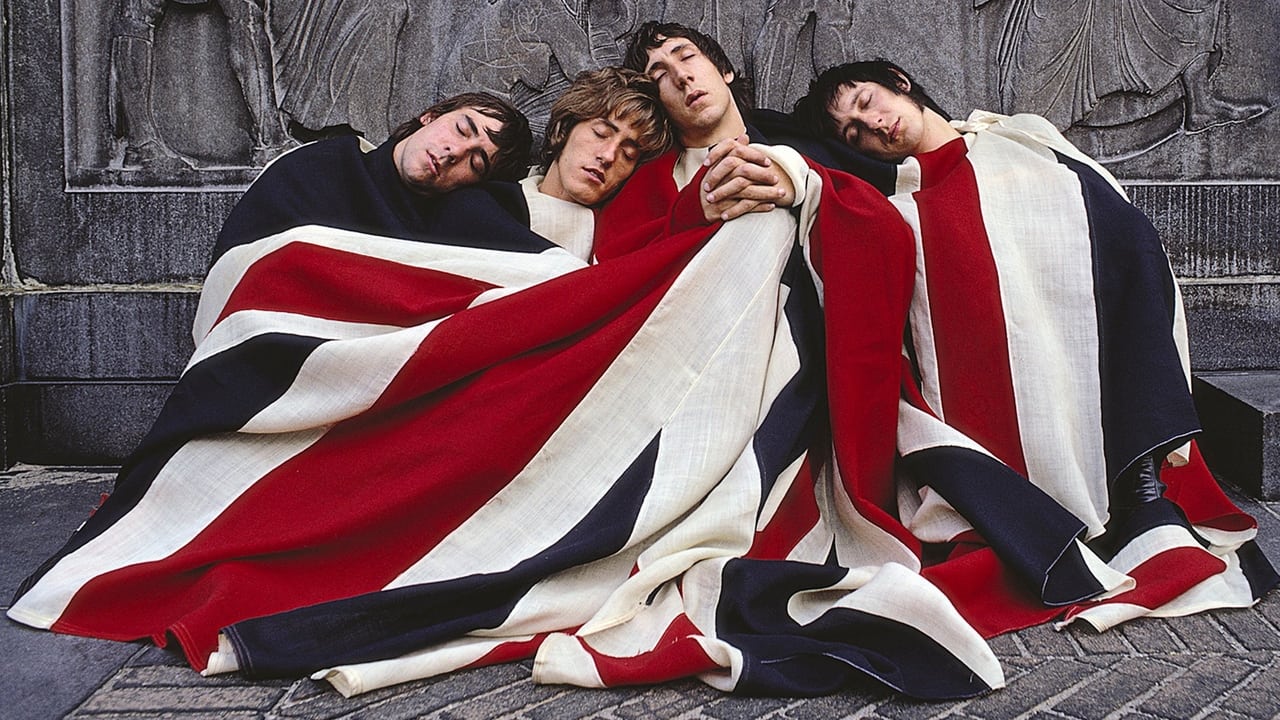
A performance filmed at Shepperton Studios in May 1978 marks the last appearance of drummer Keith Moon with the band before his death three months later.
In a post-Cold War world, Richard Haass and VICE correspondents examine America's role in global conflicts across Syria, Ukraine, the South China Sea, and South Korea.
Interviews with 1980s and 1990s actors and filmmakers reveal how iconic action films like "Die Hard" and "Rambo" shaped modern cinema.
Over fifty comedians from the US, Canada, Britain, and Australia discuss whether misery is a prerequisite for humor in this 2015 documentary.
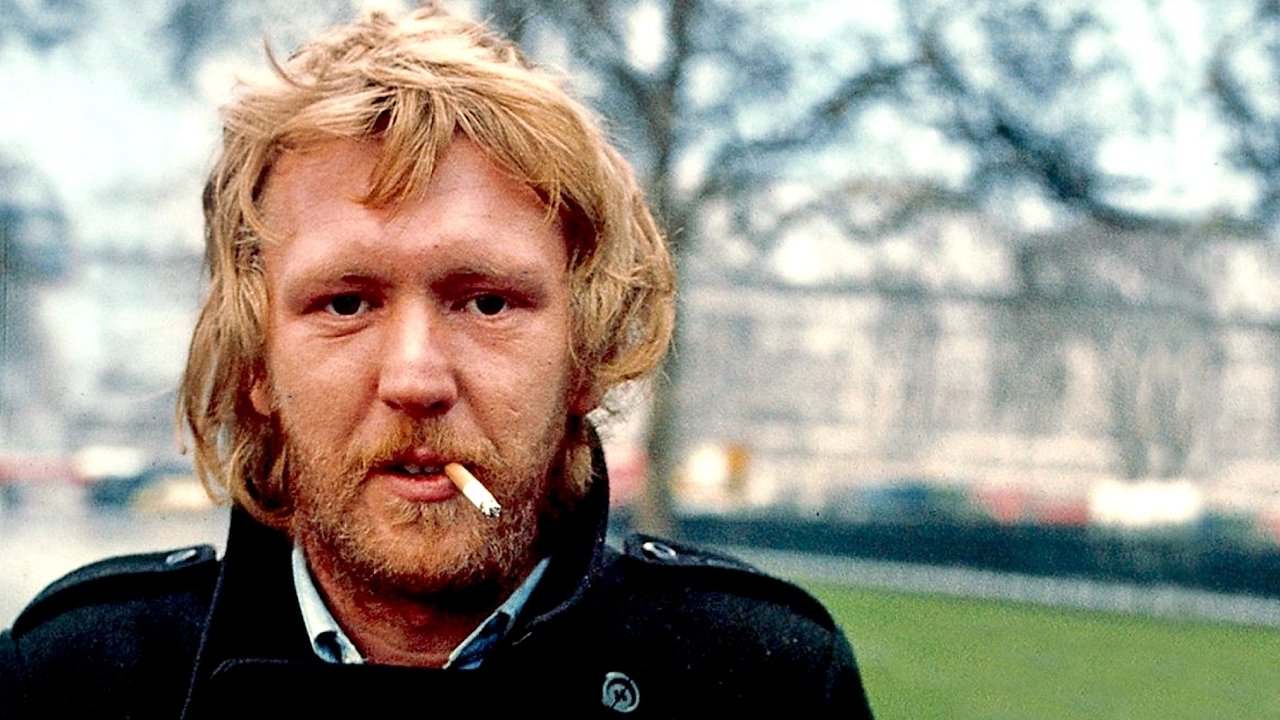
Harry Nilsson, a celebrated singer-songwriter known for hits like “Everybody’s Talkin’” and “Without You,” is examined through interviews with musicians such as Brian Wilson and Yoko Ono.
Migrant workers in the United States average $900 a year while working 136 days to harvest food for the nation's consumers.
In 1957, Ingmar Bergman released two acclaimed films, directed four plays, and produced a TV movie, all while facing personal challenges.
Over 15,000 gang-related deaths have occurred in Los Angeles County in the past 20 years, marking a long history of violence between the Crips and Bloods.
At the Banzai Pipeline in Hawaii, renowned surfers like Laird Hamilton and Kelly Slater navigate some of the world's most challenging waves and iconic surf spots.
Ancient civilizations, including the builders of the pyramids and Easter Island monuments, may have been influenced by extraterrestrial visitations thousands of years ago.
The NFL faces scrutiny over its handling of brain injuries and the long-term effects of concussions on players, as revealed by FRONTLINE's investigation.
Lusia Harris scored 40 points in a single game, outpacing the entire opposing team, and later became a three-time national champion at Delta State University.
Vreeland served as editor-in-chief of Vogue for nearly 25 years, transforming the magazine into a leading force in the fashion industry.
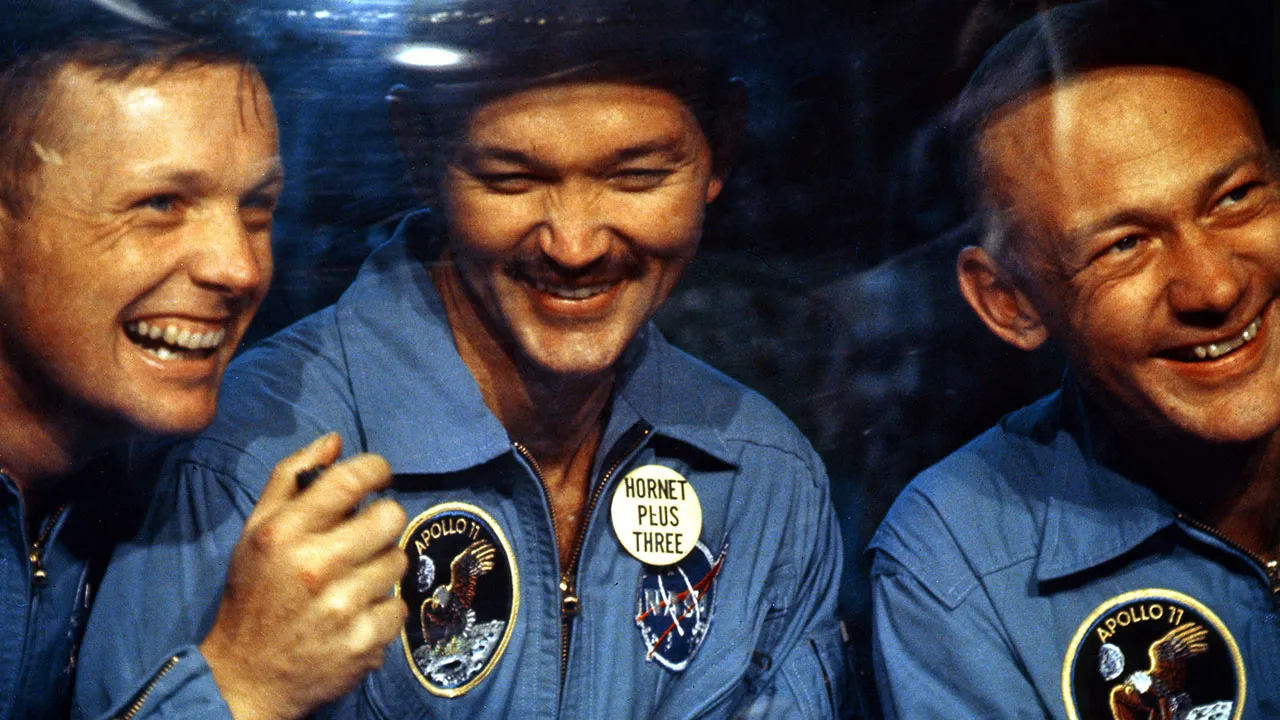
Neil Armstrong, the first person to walk on the Moon during NASA's Apollo 11 mission in 1969, is explored through archival footage and personal stories.
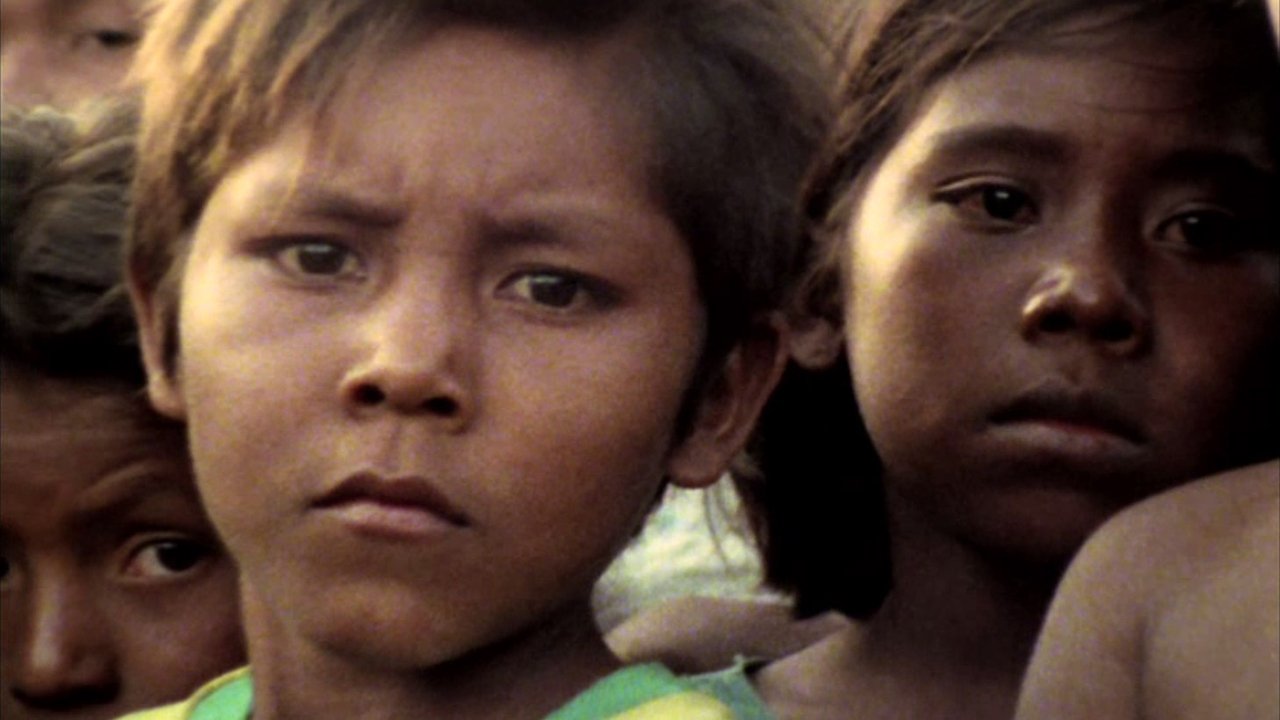
Miskito Indians enlist child soldiers in their battle against Sandinistas.
Athletes discuss the risks of extreme sports, with one skier contemplating a descent from a ridge while assessing unstable cornices and warm conditions.
Werner Herzog reflects on his friendship with travel writer Bruce Chatwin while traveling through Patagonia and the Australian Outback.
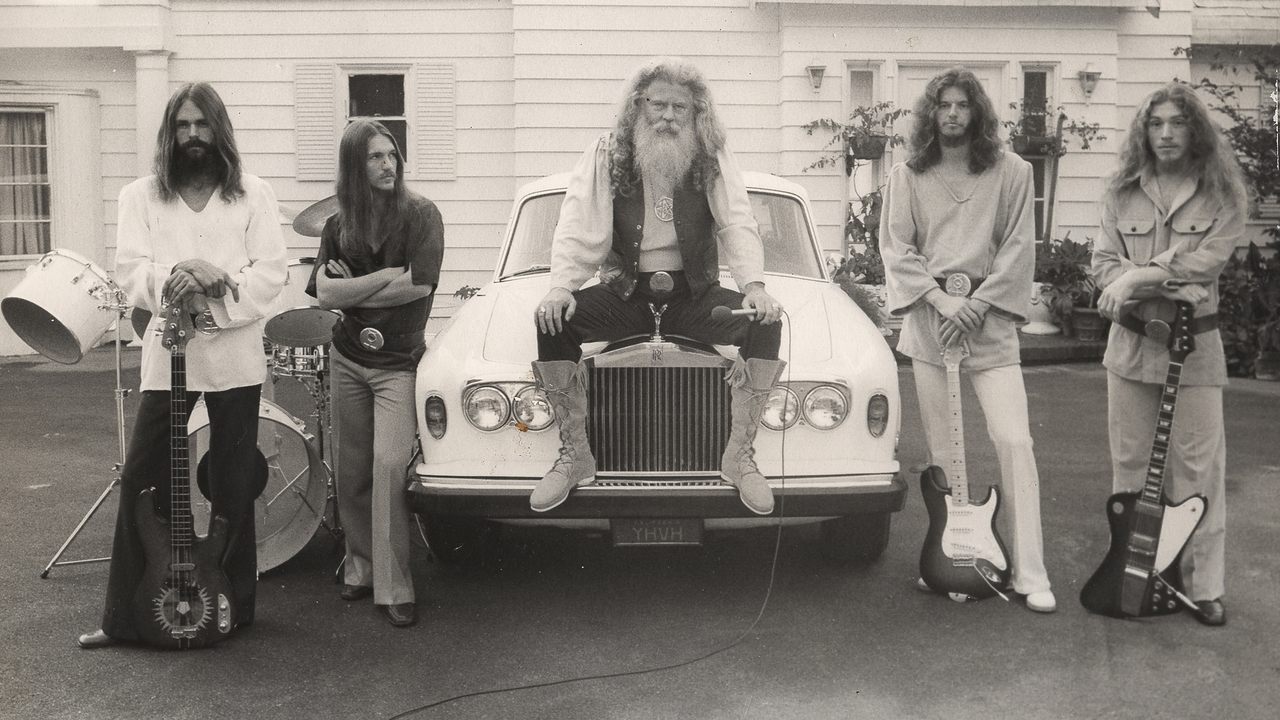
Over 60 cities screened a feature documentary about Father Yod and the Source Family, a group known for their radical communal lifestyle in 1970s Hollywood.
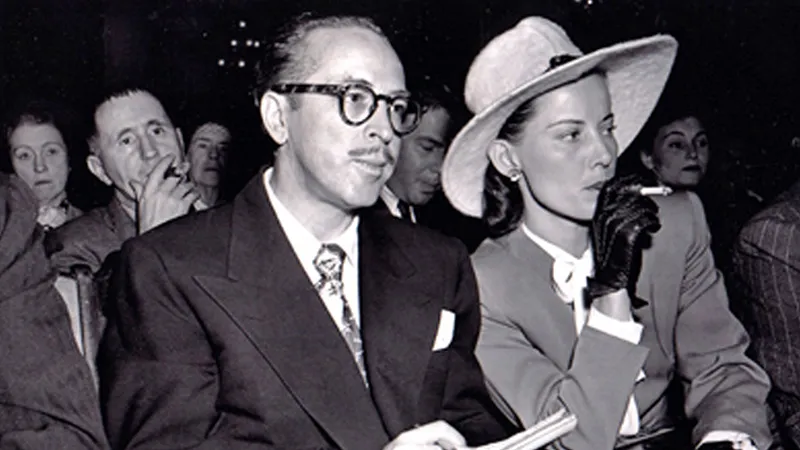
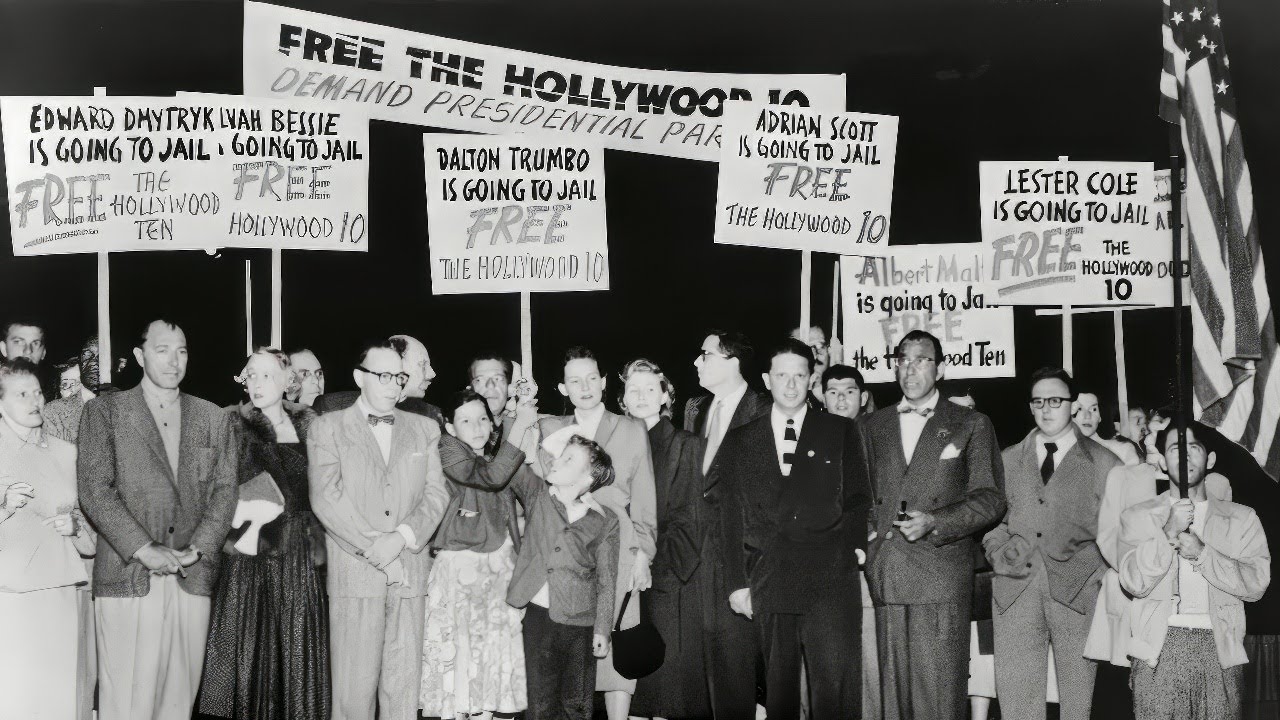
Ten screenwriters, directors, and producers, known as the Hollywood Ten, were blacklisted after refusing to testify before the House Un-American Activities Committee in 1947.
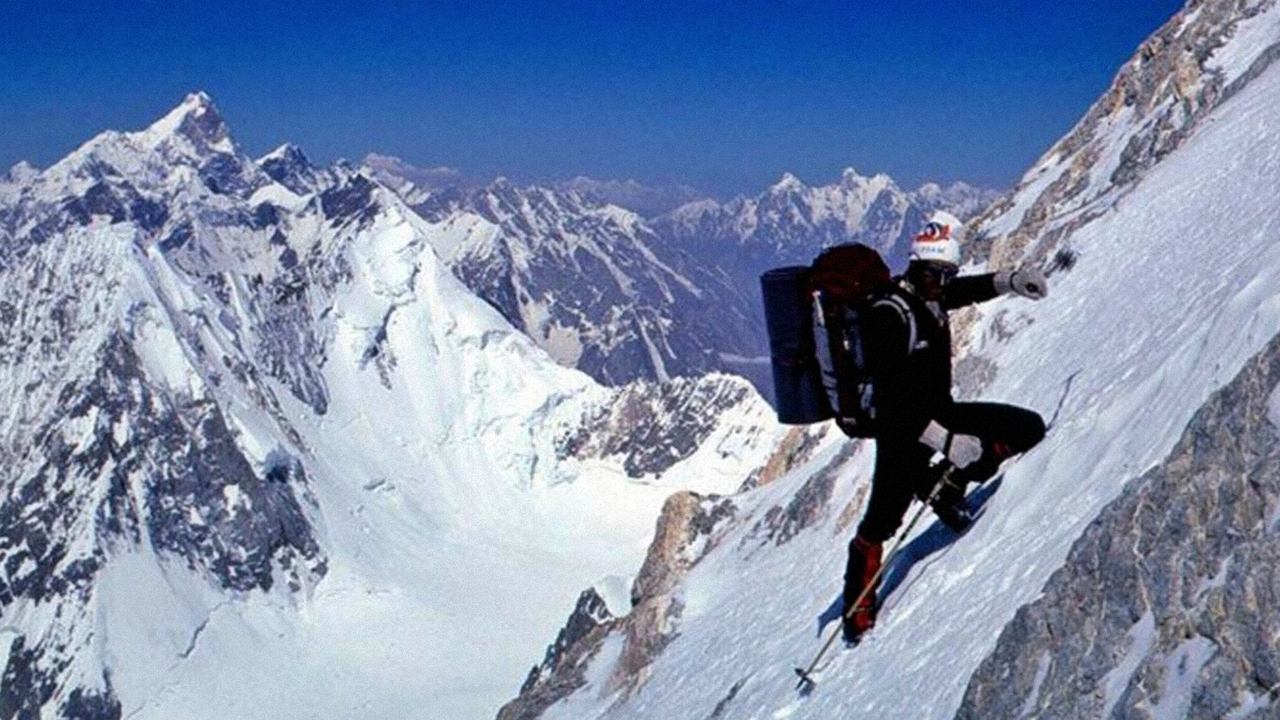
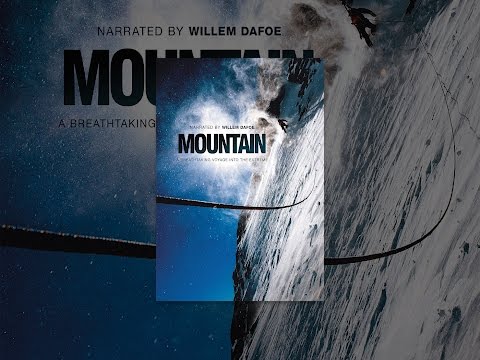
Two climbers ascend Gasherbrum I and II in a single expedition without returning to base camp, revealing their motivations and challenges along the way.
Striking black and white imagery in Godfrey Reggio's film explores humanity's relationship with technology, featuring expressive faces and a gorilla's behavior, accompanied by Philip Glass's score.
In the late 1980s, Arnold Friedman, a computer teacher in Great Neck, New York, faced allegations of child molestation after a foreign child pornography magazine was sent to his home.
Four competitors, each weighing over 400 pounds, compete in the Arnold Strongman Classic for the title of the strongest man on the planet.
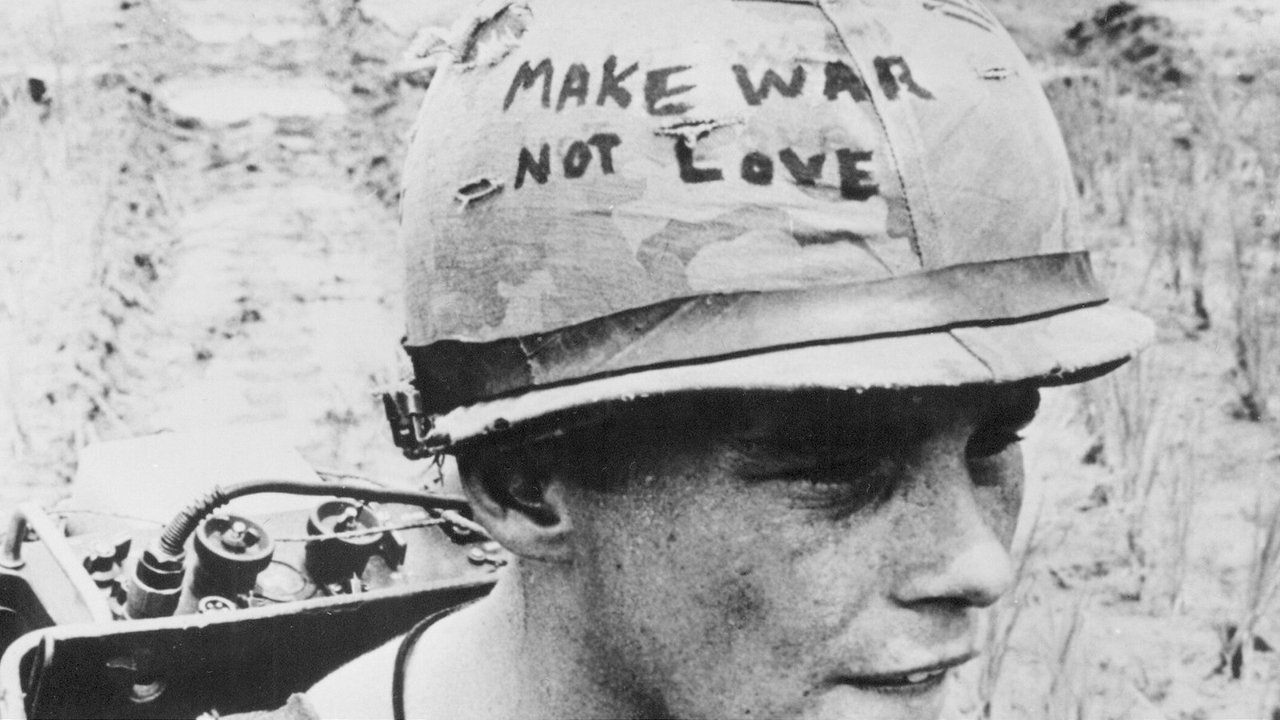
The Vietnam War is critically examined through interviews and archival footage, highlighting its effects on both Vietnam and American foreign policy.
China is building airstrips on disputed islands in the South China Sea, raising concerns about escalating tensions with the United States.
Since 1992, nearly 300 journalists have been killed in conflict, with around 200 believed to have been deliberately targeted by their killers.
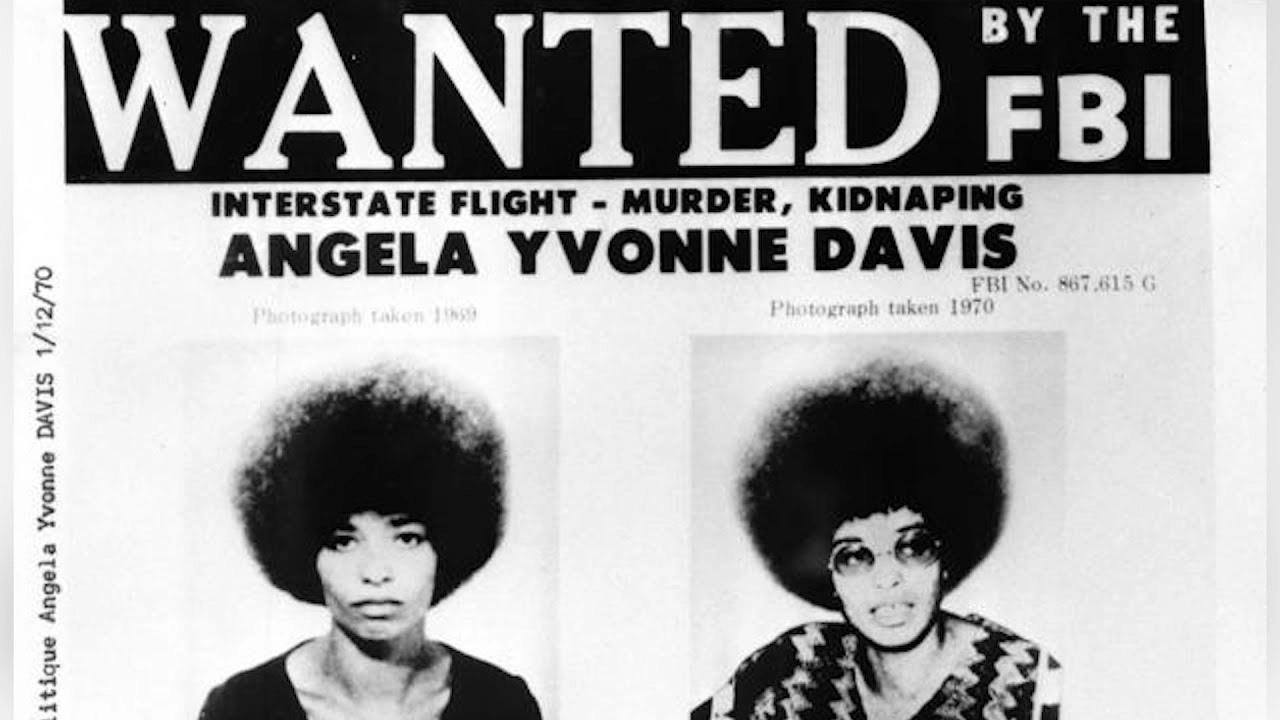
Angela Davis, a UCLA philosophy professor, rises as a political icon in the 1970s during a trial that labels her a terrorist, sparking a global movement for her release.
B.B. King, a Mississippi-born blues legend, is celebrated through interviews with Eric Clapton and Bono, alongside archival footage and live performances.
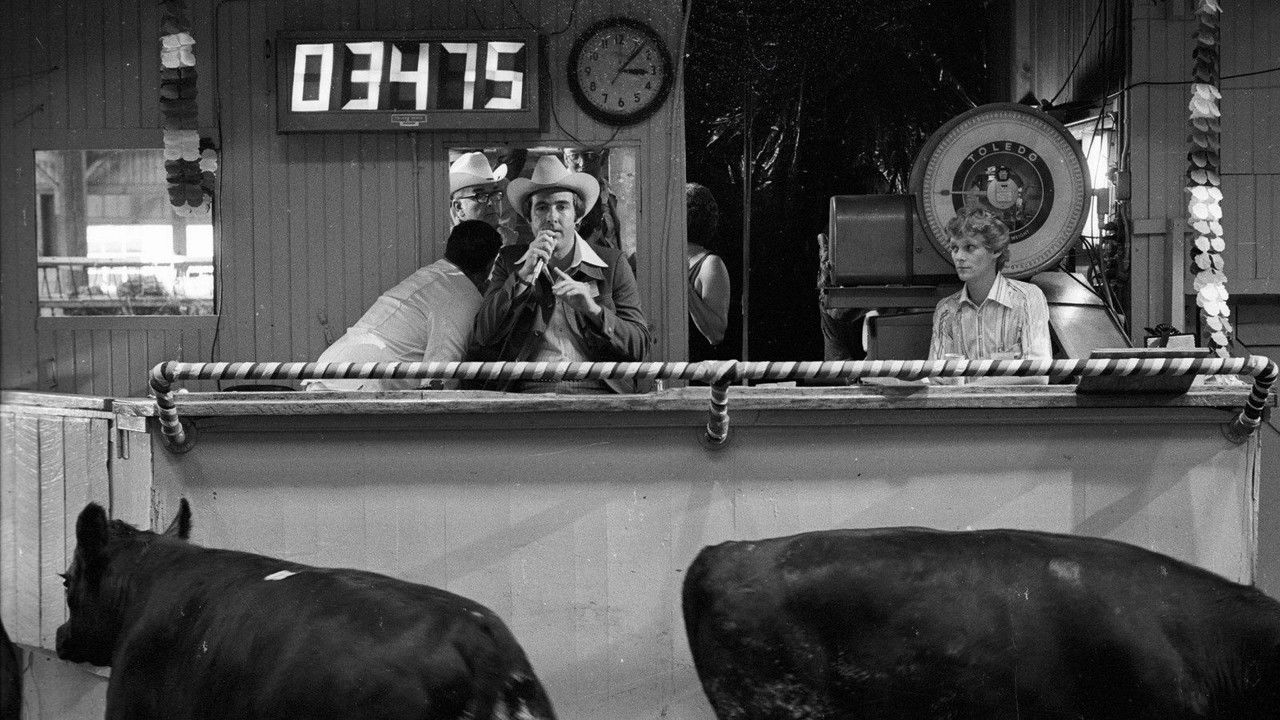
A captivating look at the art of auctioneering in rural Pennsylvania.
90% of the toys owned by one child in the early '80s were Star Wars related, reflecting the franchise's dominance in popular culture at the time.
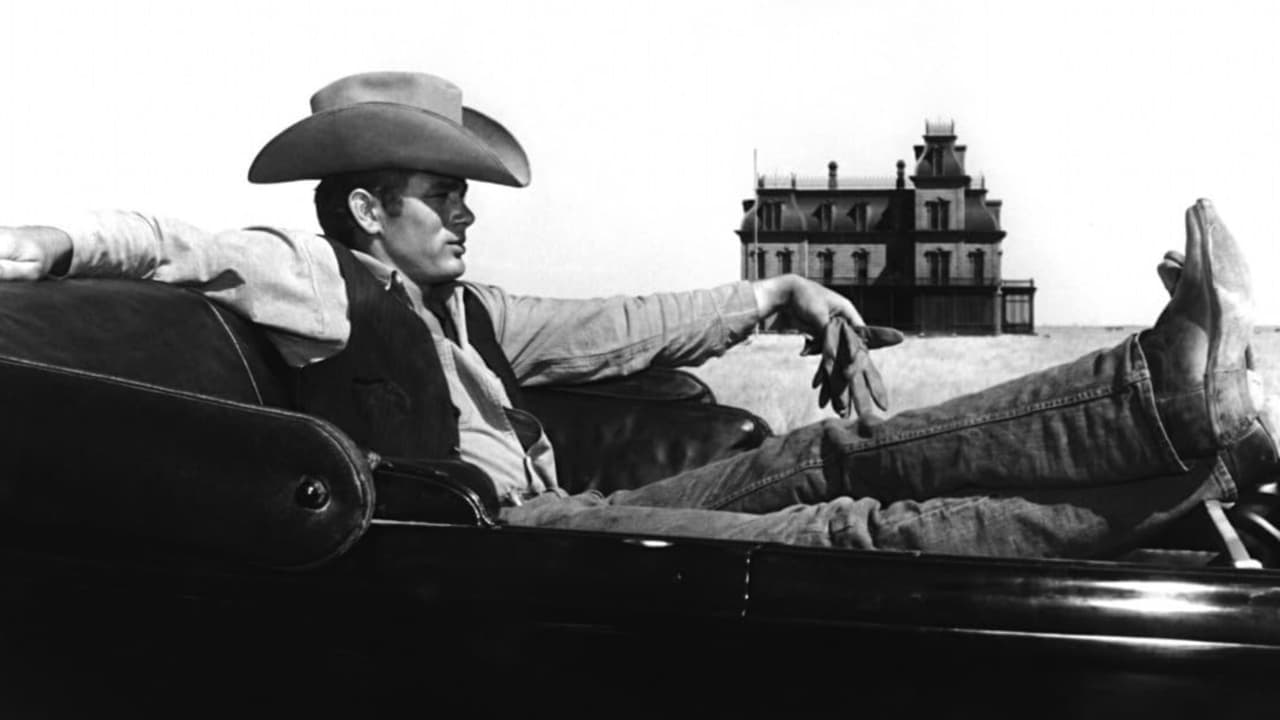
James Dean's mother died when he was nine years old, and he traveled home by rail with her body on the same train.
About 50 million Americans faced food insecurity in 2012, with one in four children struggling to secure enough food for themselves and their families.
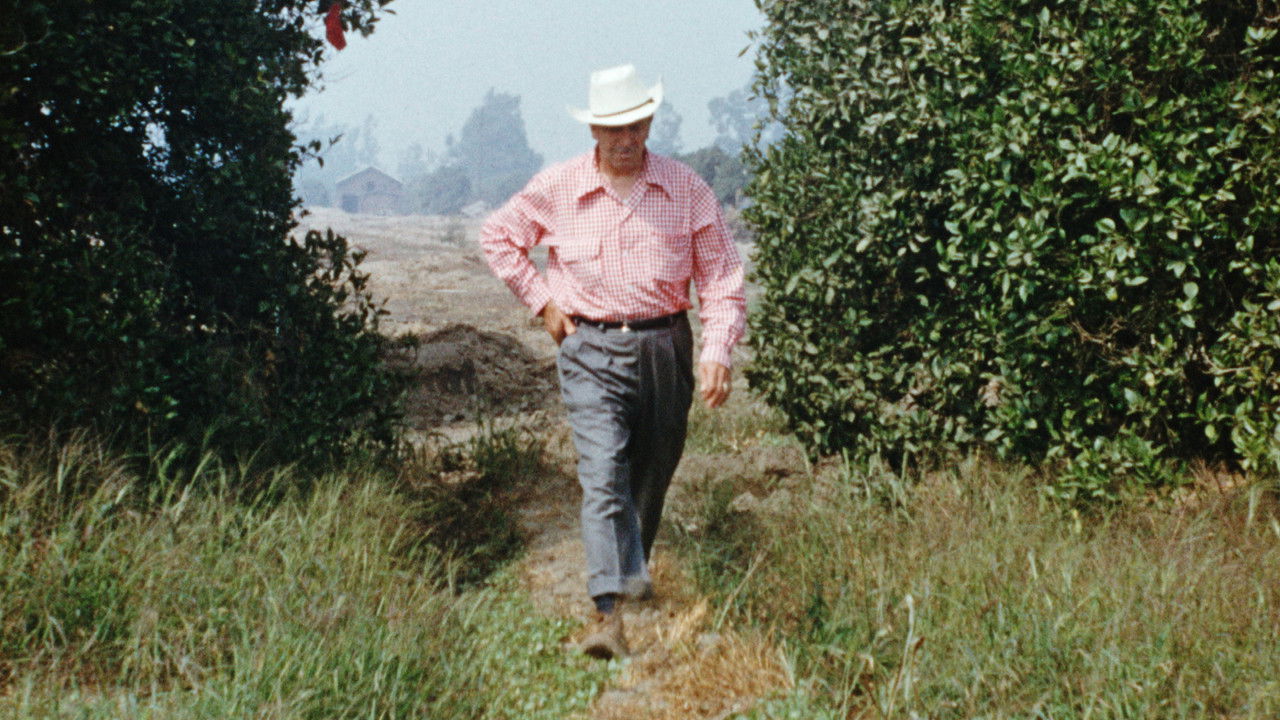
Walt Disney set the opening date for Disneyland in mid-summer 1955, a deadline many believed was impossible to meet.
B.B. King shares his life story, detailing his rise from an orphaned youth in Mississippi to a legendary figure in the music industry.
Superman, the iconic superhero created by Jerry Siegel and Joe Shuster, is explored through his origins, cultural impact, and evolution in this comprehensive documentary.
In 1968, journalism professor Joe Saltzman captured the voices and experiences of black America during a tumultuous period marked by civil rights struggles.
Harry Nilsson was born Harry Edward Nilsson III on Father's Day, 1941, and struggled with personal demons throughout his life and career.
17 languages provide subtitles for a film that won multiple awards, including the Award of Excellence at the Canada International Film Festival.
Uranium atoms, found in the Earth's crust, contain concentrated energy that was first harnessed in the mid-20th century for bombs and submarine power.
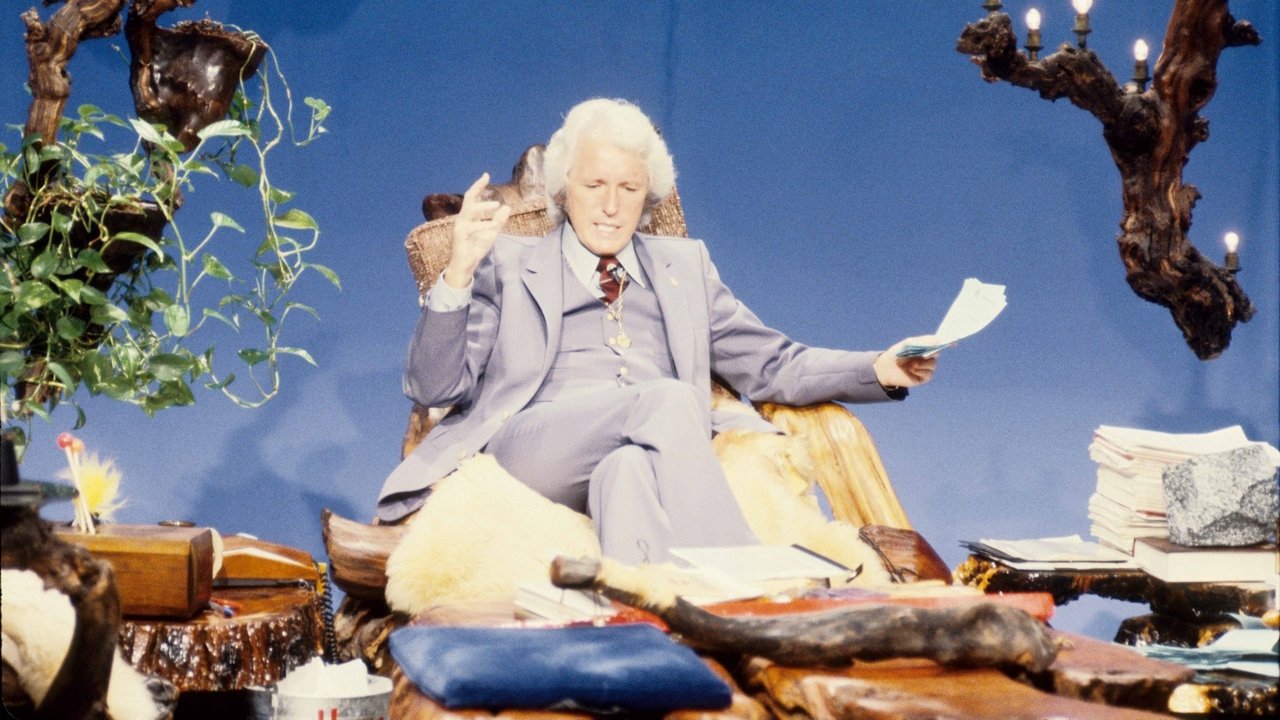
Scott refuses to speak on air until viewers pledge an additional $600, leading to several minutes of silence before he erupts in anger.
A chilling look at Bokassa's brutal reign in the Central African Republic.
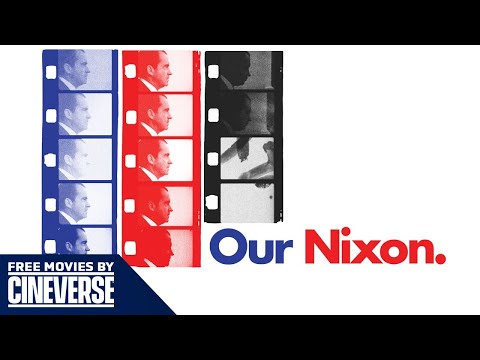
Over 500 reels of Super 8 home movies filmed by Nixon's aides provide a personal view of the presidency during a time of political upheaval.
Three key figures-Treasury Secretary Henry Paulson, Federal Reserve Chair Ben Bernanke, and New York Fed President Timothy Geithner-worked to prevent economic collapse during the 2008 financial crisis.
Young men of the Wodaabe tribe engage in beauty pageants marked by extravagant makeup and intricate posturing to attract potential mates.
Over 20 women accuse Russell Simmons of sexual abuse, with Drew Dixon being the first to publicly share her story in the context of the #MeToo movement.
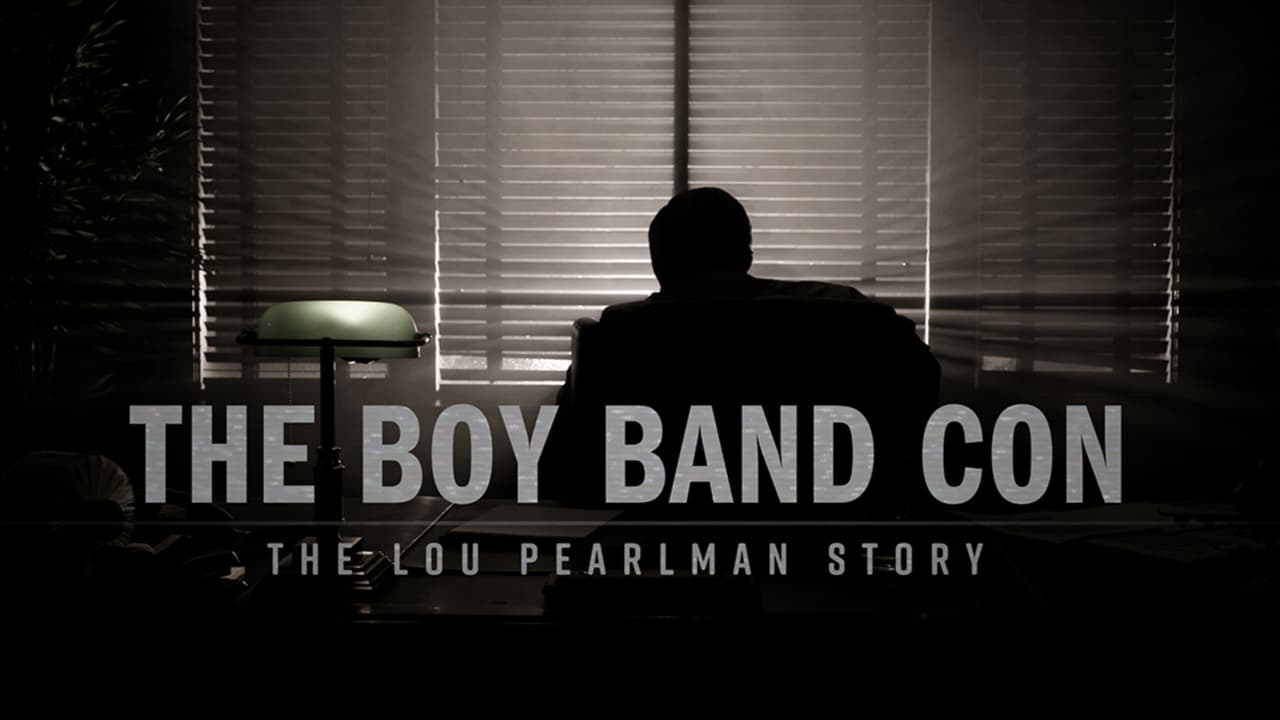
Lou Pearlman orchestrated a Ponzi scheme that defrauded investors of $300 million while managing popular boy bands like NSYNC and the Backstreet Boys.
Since 1864, the United States has operated under a debt-based banking system, which the film argues is fundamentally flawed and unsustainable.
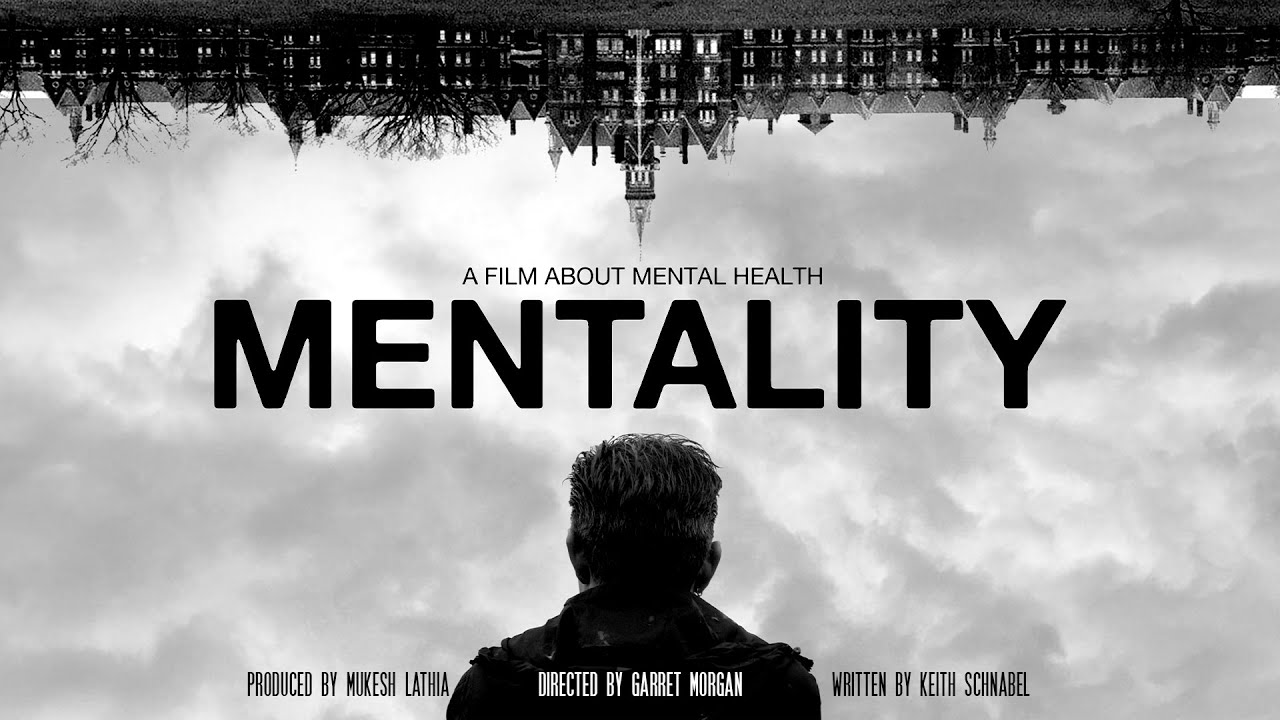
Suicide rates have reached their highest levels, with millions facing untreated mental illness in the United States, often ending up in prison or on the streets.
More than 250,000 US troops are stationed at 716 military bases across 38 countries, reflecting America's extensive global military presence.
Explores the raw truth behind the lives of stand-up comedians.
In the early 2000s, corporate scandals like Enron and WorldCom led to widespread protests against the growing power of corporations.
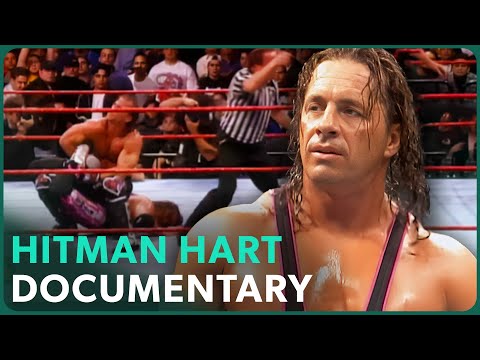
Half a billion people watch WWE every week, as Bret Hart faces a critical decision about his legacy before his final match in Montreal.
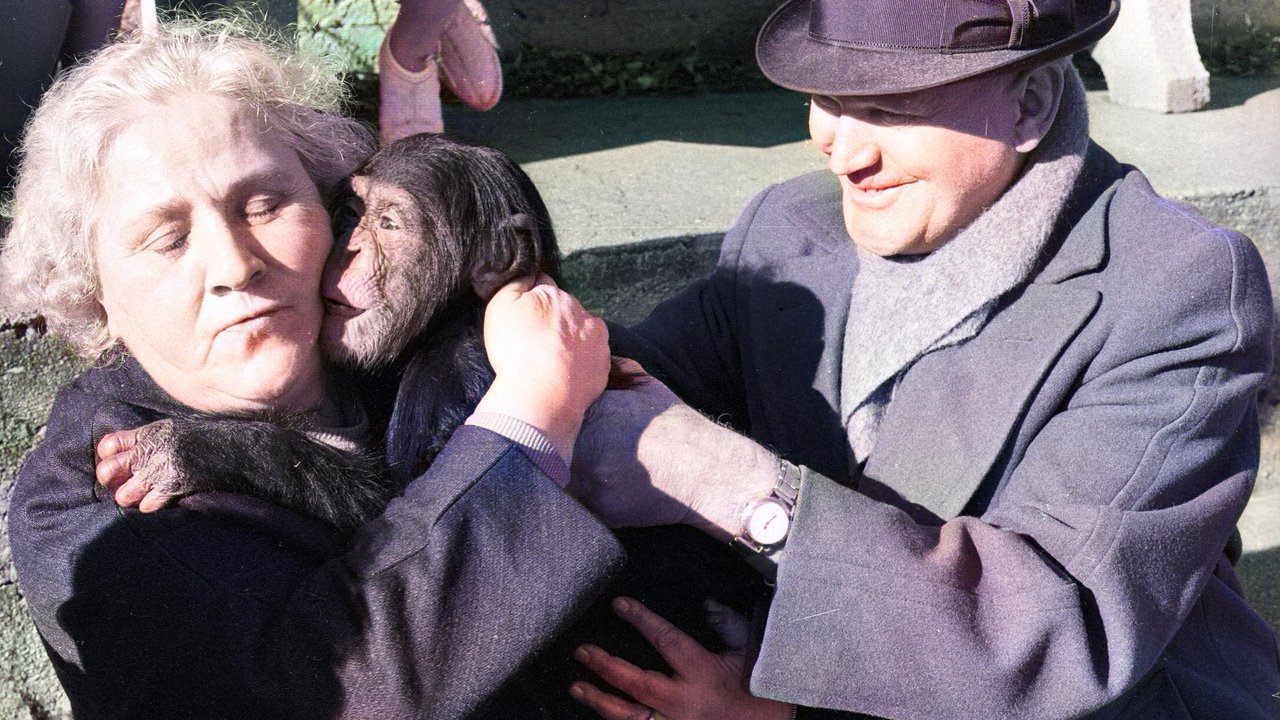
Over 100 hours of unseen footage document Jane Goodall's work with chimpanzees in Gombe Stream Game Reserve, starting in 1960.
A 42-minute sermon by Reverend Huie Rogers critiques human greed and societal failures at the Bible Way Church of Our Lord Jesus Christ in Brooklyn.
A Haitian radio personality and human rights activist, Jean Dominique fought against oppression until his assassination in 2000.
Shen Dong spent the first 23 years of his life in a North Korean labor camp before finding freedom and sharing his story in New York City.
Ren & Stimpy, a groundbreaking animated series from the early 1990s, is examined through the lens of its creator's controversial legacy and its lasting impact on media.
The top one-tenth of a percent in the United States holds a disproportionate amount of wealth, contributing to unprecedented levels of inequality.
Sergey Zimov aims to restore an ecosystem that disappeared 10,000 years ago by reintroducing ancient megafauna to combat climate change in Siberia.
On 26 September 1983, Stanislav Petrov, the command officer at Russia's main nuclear command post, faced a false alarm of five incoming U.S. missiles.
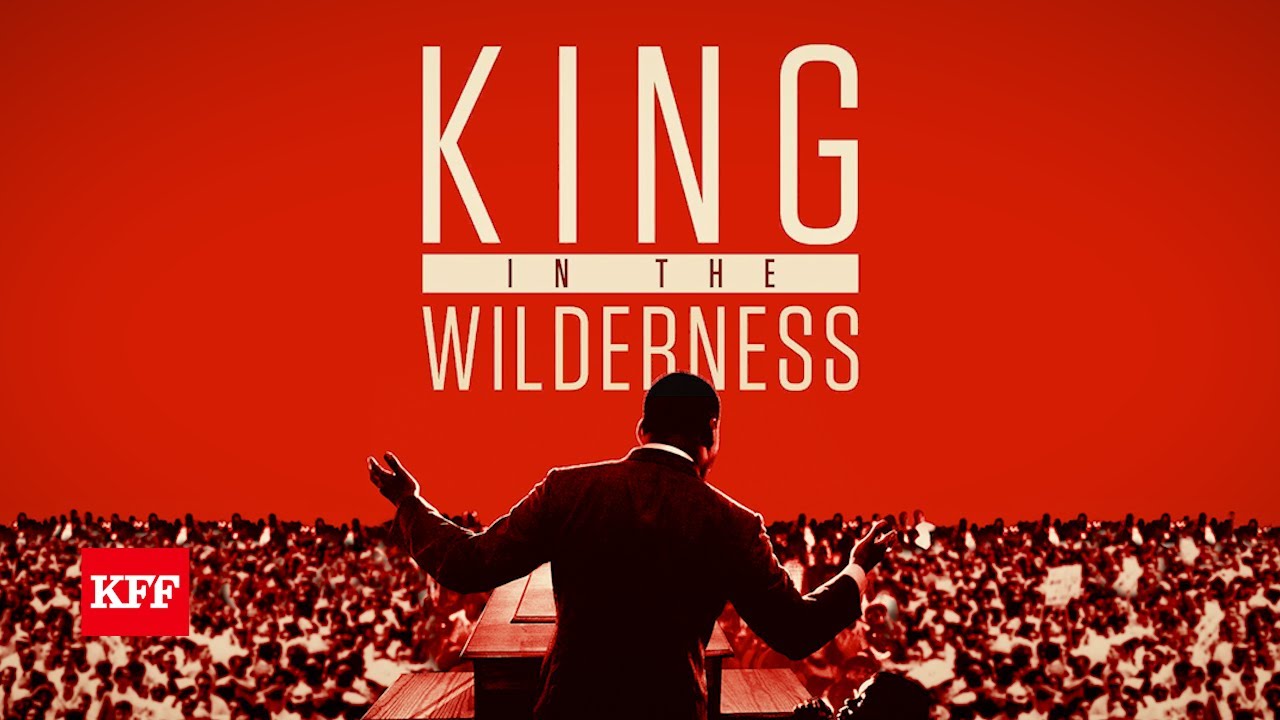
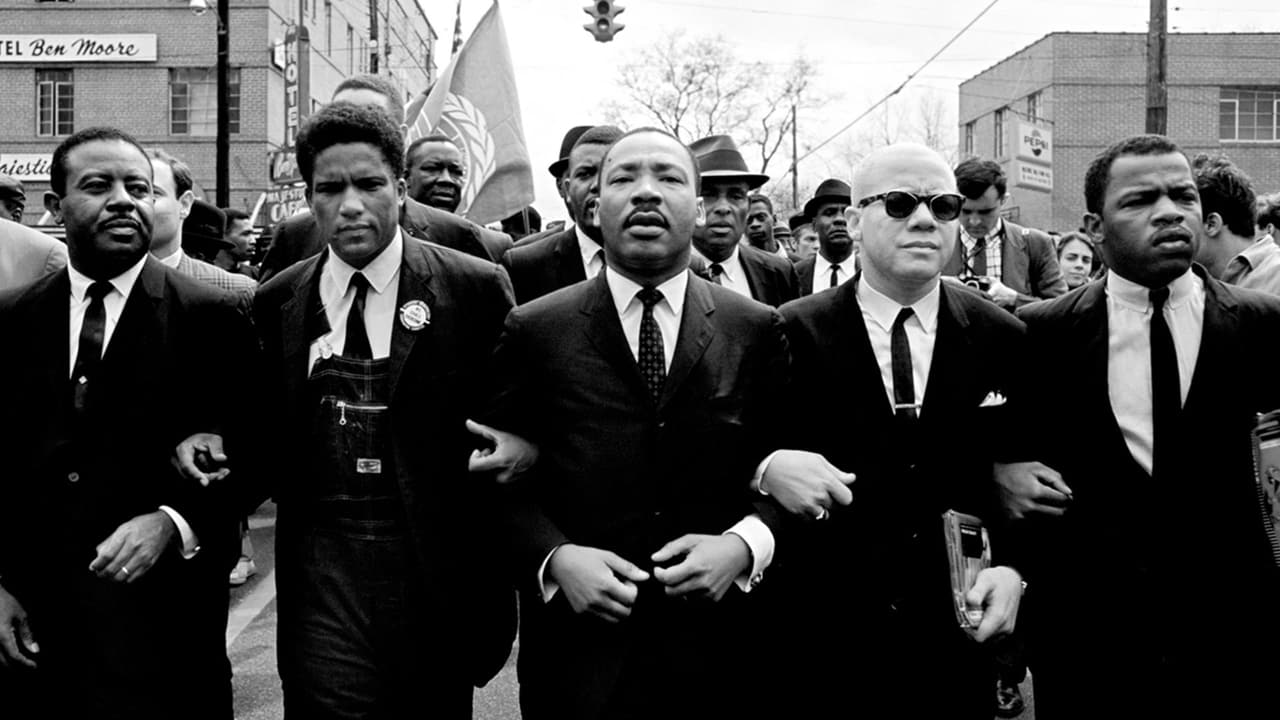
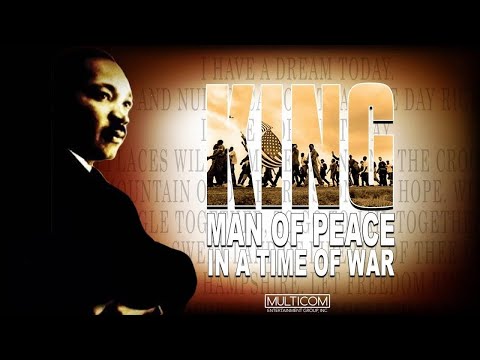
In the 18 months before his assassination, Martin Luther King Jr. faced overwhelming pressure and disappointment as he fought against racism, war, and poverty.
5:30 AM on July 25, 2020, marks the start of a global collection of video clips capturing daily life during the COVID-19 pandemic.
Nickelodeon grew from a small local channel to a global entertainment leader, influencing the childhoods of millions through shows like Rugrats and Doug.
Tokyo hosted the 1964 Olympic Games, marking the first time the event was held in Asia, showcasing athletic achievements and cultural exchange.
Aileen Wuornos, a convicted murderer on death row in Florida, raises questions about her status as a serial killer and the commercialization of her story.
Three couples face a judge in an Iranian family court in 1998, where men can divorce without consequence while women risk losing financial support.
At 80 years old, Gordon Lightfoot reflects on his career, sharing insights from personal archives and studio sessions that span decades of music.
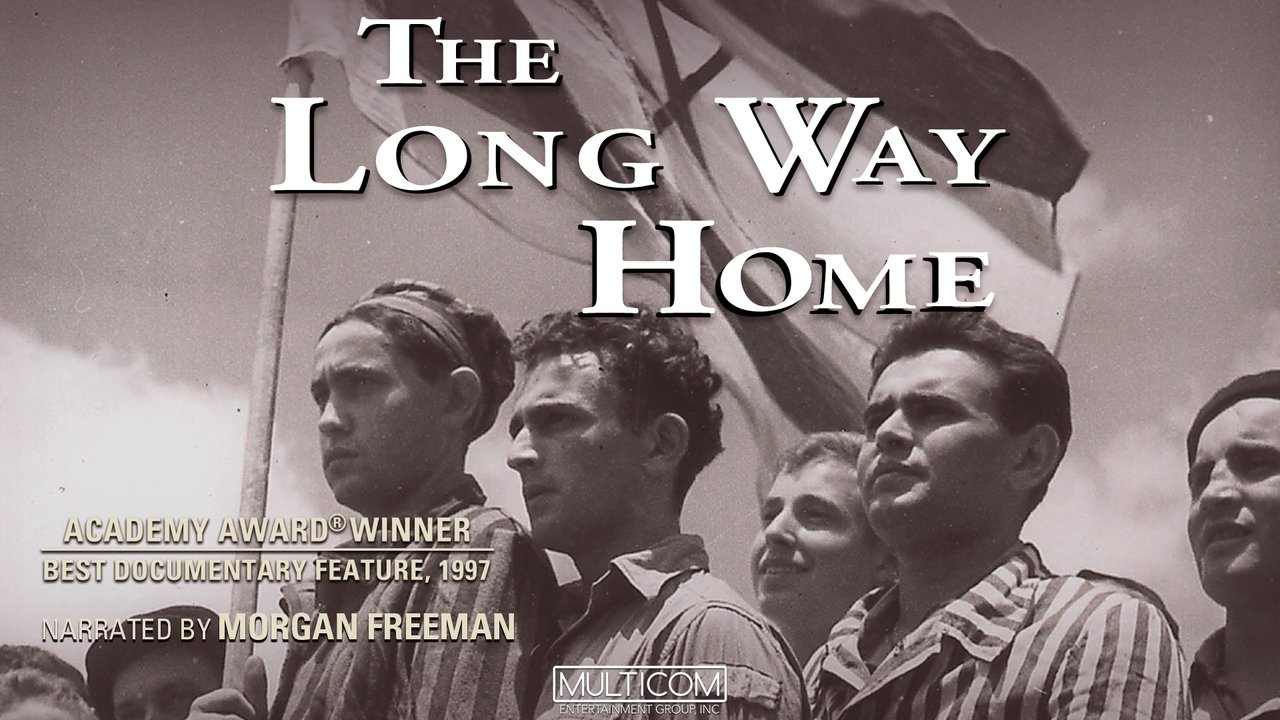
Post World War II Jewish refugees faced significant challenges from liberation to the establishment of the modern state of Israel in 1948.
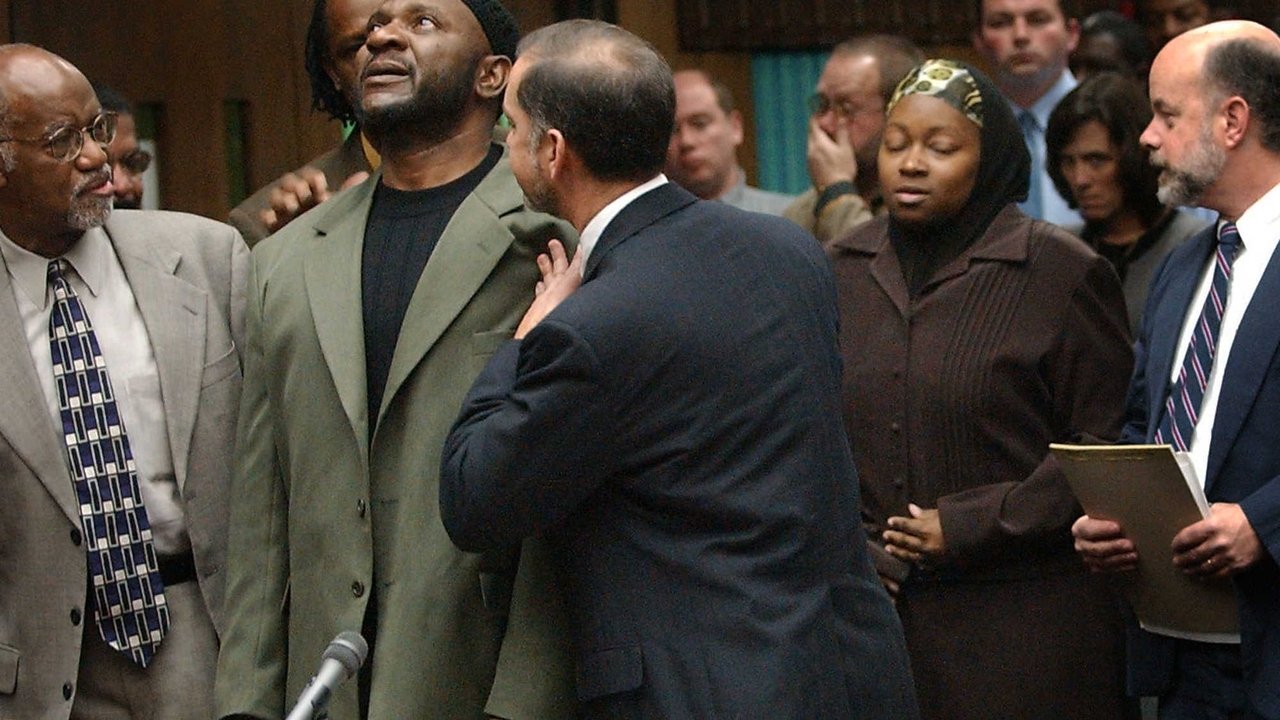
Nearly 20 years pass before Darryl Hunt is exonerated for a crime he did not commit, revealing systemic failures in the American criminal justice system.
Werner Herzog's creative process and personal life are explored through rare archival footage and interviews with actors Christian Bale, Nicole Kidman, and Robert Pattinson.
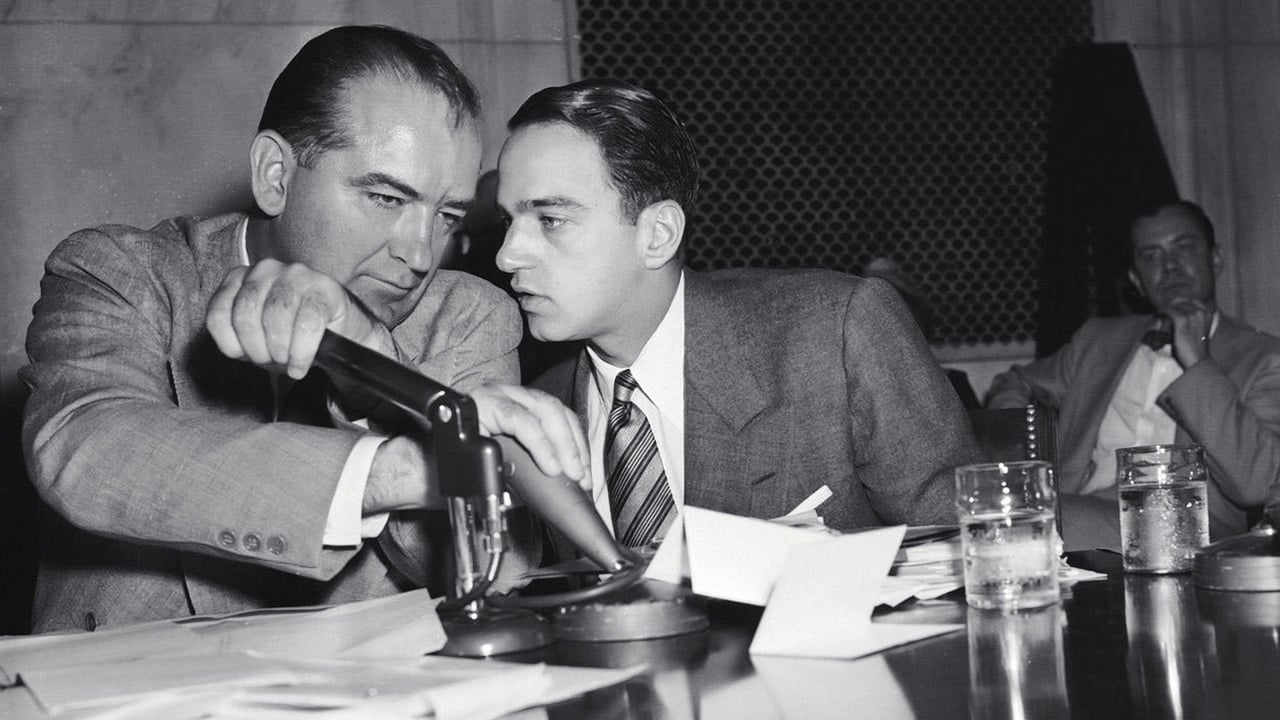
At age 20, Roy Cohn graduated from Columbia Law School and became a prominent figure in American politics, influencing leaders like Donald Trump.
Trevor Noah reflects on his experiences of not fitting in while performing stand-up comedy in front of a South African audience.
A group of New York City police officers, known as the NYPD 12, files a lawsuit against the department's illegal quota system that targets young minorities.
Orson Welles quotes H.G. Wells, stating that in the early 20th century, Earth was being watched by intelligences greater than man's.
Obsessive Compulsive Disorder (OCD) affects individuals through intrusive thoughts and ritualistic behaviors, revealing the internal struggles faced daily by its sufferers.
Unaccompanied Central American children navigate dangerous conditions in Mexico as they attempt to reach the United States in search of a better life.
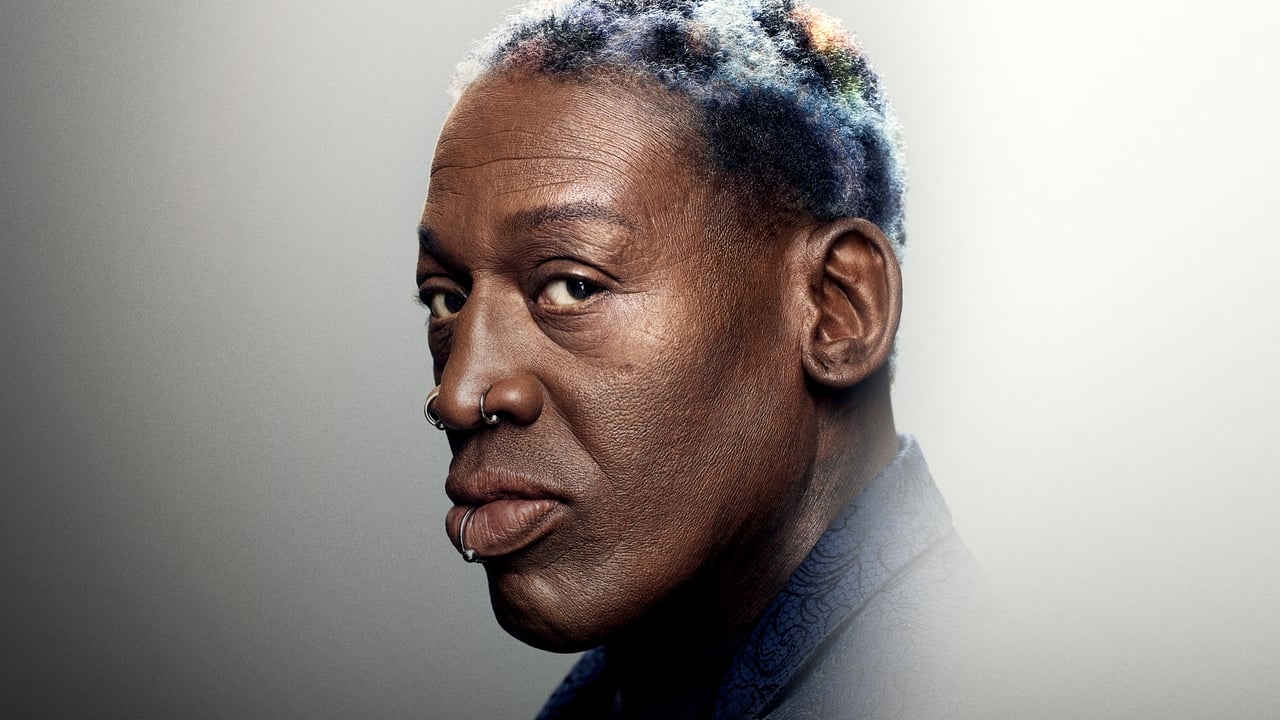
Dennis Rodman, known for his time with the Chicago Bulls and Detroit Pistons, reflects on his life and identity shaped by loss and rebellion.
Large tech companies have a level of control and ability to manipulate society that historical totalitarian regimes could only have dreamed of.
Five miles of un-bloodied sand marked the site of the D-Day landings in Normandy, a key moment in the Allied campaign against Nazi Germany in 1945.
Patty Hearst's kidnapping by the Symbionese Liberation Army in the 1970s marked a pivotal moment in American history, blending crime with media sensationalism.
Maria Ressa, named Time Magazine Person of the Year in 2018, faces legal charges aimed at silencing her criticism of President Rodrigo Duterte.
Aleister Crowley, known as "The Great Beast," was a controversial figure in modern occultism, revered by some as a prophet and condemned by others as a Satanist.
Four daughters of Johnny Cash and Vivian Liberto share their mother's story in a documentary featuring archival recordings of both parents.
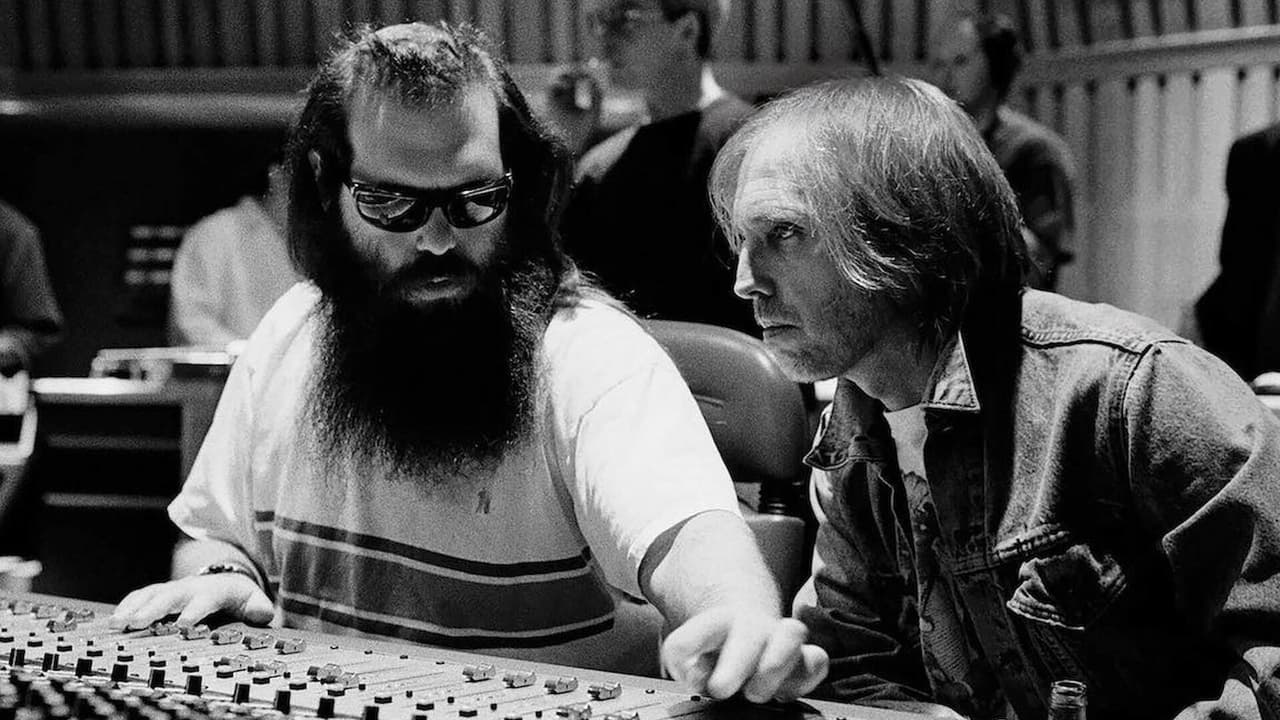
Tom Petty describes feeling more comfortable being himself while working on his solo album "Wildflowers," a project he considers a personal endeavor.
Erich von Daniken's theories propose that ancient civilizations were influenced by extraterrestrial visitors, raising questions about humanity's past.
In the aftermath of the murders of Biggie Smalls and Tupac Shakur, new evidence implicates the LAPD and Suge Knight in the violent events that rocked hip-hop.
In May 2019, Jeff Bezos unveiled his lunar lander, Blue Moon, as part of his vision for colonizing space while facing scrutiny over Amazon's market dominance.
Chronic traumatic brain injury is found in female athletes, challenging the perception that concussions primarily affect male sports.
Over 40,000 runners participated in the 2005 Chicago Marathon, as captured in this documentary about their training and competition.
Over the course of 51 days in 2014, Israel dropped nearly 20,000 tons of explosives on Gaza, resulting in over 2,000 Palestinian deaths.
Eleven former students of Jane Elliott return to Riceville, Iowa, to reflect on their experiences from a controversial classroom exercise on discrimination.
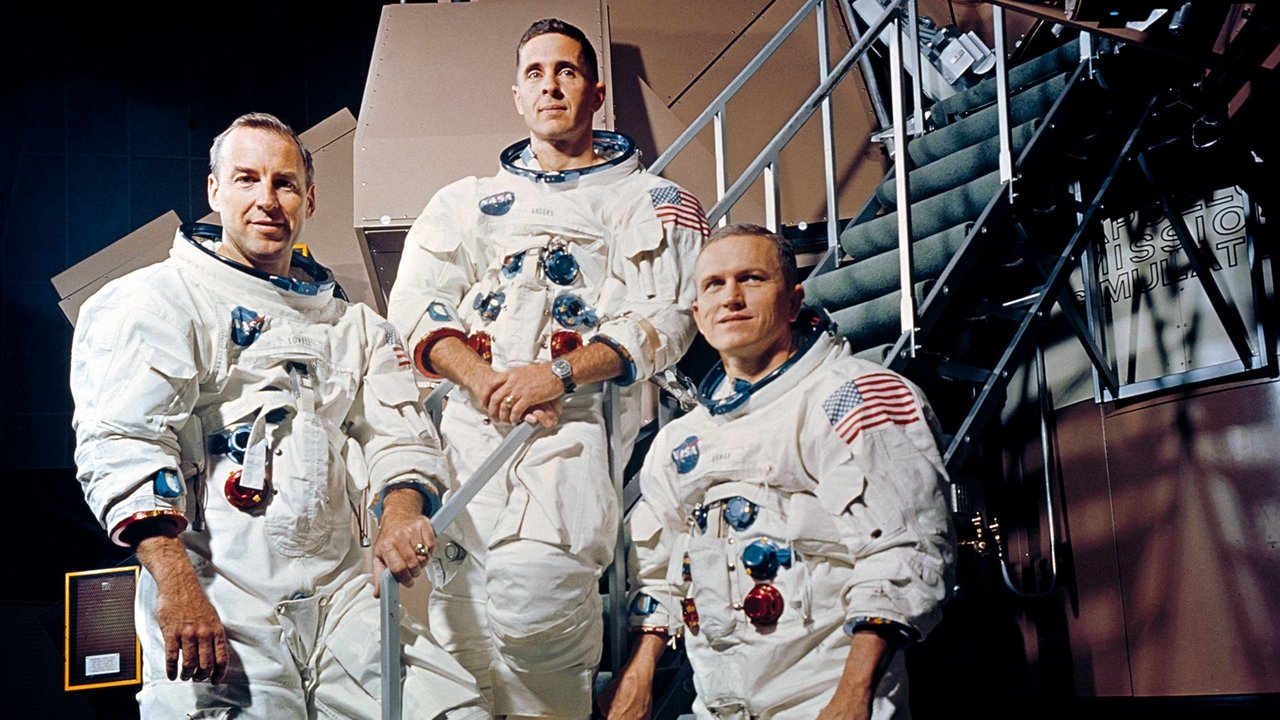
Apollo 8 launched on December 21, 1968, becoming the first crewed spacecraft to leave low Earth orbit and orbit the Moon before returning safely to Earth.
Sunset Boulevard has served as a cultural epicenter in Los Angeles since the 1920s, shaping the rise and fall of numerous Hollywood careers and legends.
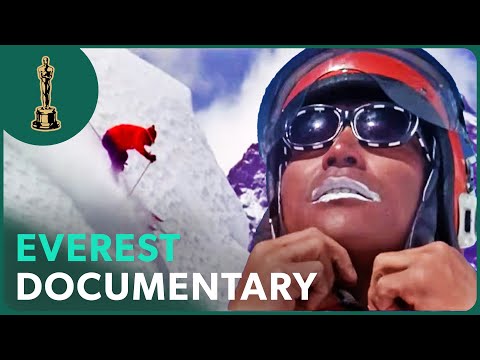
On March 13, 1970, Yuichiro Miura skied 6,600 feet down Mount Everest in two minutes and 20 seconds, using a parachute to control his descent.
Coachella has hosted performances by major artists like Beyoncé, Radiohead, and Tupac Shakur since its inception in 1999 at the Empire Polo Club in Indio, California.
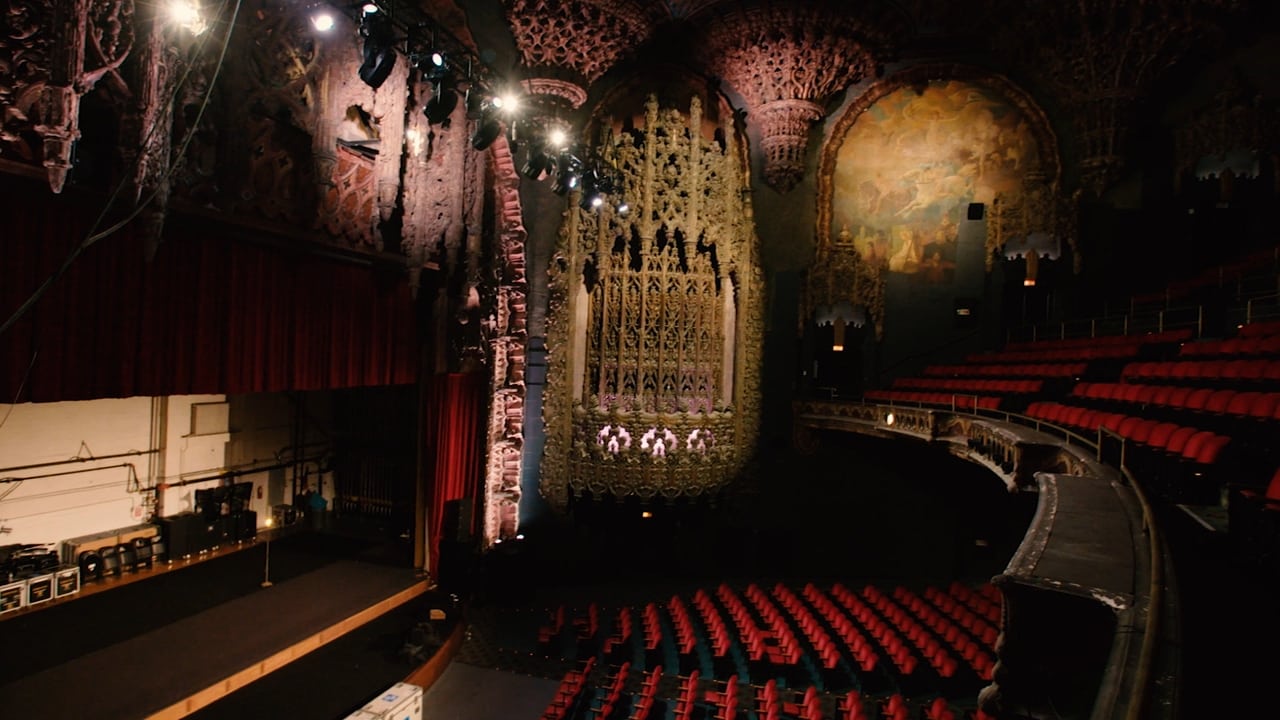
Iconic movie palaces like the Fox Theatre in Detroit and Grauman's Chinese Theatre in Los Angeles highlight the architectural and cultural significance of cinema's golden age while addressing their decline and preservation efforts by the Theatre Historical Society of America.
In 1929, J. Krishnamurti broke away from the Theosophical Society, which had supported his rise as a spiritual leader.
One hundred seventy years of freedom is framed as the basis for America's fight against totalitarian regimes during World War II.
Egyptian revolutionaries during the Arab Spring confront oppressive regimes in a struggle for democracy and human rights, highlighting their bravery and resilience.
On August 28, 1963, two hundred thousand Americans gathered in Washington, D.C., to demand jobs, housing, and desegregated schools during a historic civil rights march.
Finding Joe highlights Joseph Campbell's hero's journey through interviews and children's enactments.
Alice Cooper and Ozzy Osbourne appear alongside live performances from bands like Megadeth and Faster Pussycat in the late 1980s Los Angeles metal scene.
A typical American teenager processes over 3,000 advertisements in a single day, reflecting the intense marketing strategies aimed at this demographic.
From late October to mid-December 1943, San Pietro was the site of intense fighting as Allied forces sought to capture the town from German troops.
Graffiti writers in New York City, some as young as 15, claim control over subway trains, using them as canvases for their art.
Bill Hicks, a legendary Texan comedian, is portrayed in a biography that highlights his influence on American comedy and culture through his provocative insights.
Mission Control, the team behind NASA's Apollo program, navigated challenges from the Mercury and Gemini missions to the Apollo 1 tragedy and the Moon landings.
Banksy's multifaceted persona is explored through his political activism, environmental commitment, and connections to the music scene, raising questions about the importance of artist identity in appreciating art.
A woman with amnesia confronts her past and seeks meaning after a suicide attempt, guided by insights into spiritual philosophy.
A 13-year-old boy in Gaza City witnesses the loss of his friends one by one while searching for meaning in a chaotic world.
Dr. Martin Luther King Jr. led significant events in the civil rights movement, including the Montgomery Bus Boycott and the March on Washington.
Five friends travel 1,200 miles along the United States-Mexico border to evaluate the ecological effects of a proposed border wall.
The combined wealth of the 62 richest people equals that of three and a half billion people living on Earth.
Cory Booker, a 32-year-old city councilman, runs for mayor of Newark, New Jersey, challenging long-time incumbent Sharpe James in the 2002 election.
Dan Cohen volunteered at a nursing home and filmed how music helped residents with dementia recall memories and connect with their past.
By 1923, 100 million acres of grasslands had been converted into wheat fields, but drought and dust storms soon rendered much of the land unproductive.
Renowned sculptor Andy Goldsworthy creates natural art installations using materials like ice, stone, and leaves in various landscapes across the world.
On July 20, 1969, nearly a billion people watched as Neil Armstrong declared, "The Eagle has landed," marking humanity's first steps on the Moon.
Dietrich Bonhoeffer, a German theologian, opposed the Nazi regime and was arrested by the Gestapo in 1945 for his involvement in plots to assassinate Adolf Hitler.
Chris Farley, a celebrated comedian known for his work on Saturday Night Live, is portrayed through interviews and archival footage that highlight his career and personal challenges.
Christian Schmidt and Giuliana Pachner engage in philosophical dialogue about the human condition within an abandoned building in Lausitz and the Libyan desert.
Andy Kaufman's life and career are examined through interviews with Bob Zmuda, Danny DeVito, and Steve Martin, alongside rare performance footage.
Kailash Satyarthi's organization has rescued over 87,000 children from child labor and exploitation since its founding in 1980.
Zappy Zapolin discusses the biblical concept of Mana and its possible connection to psychedelics with spiritual leaders and celebrities throughout the film.
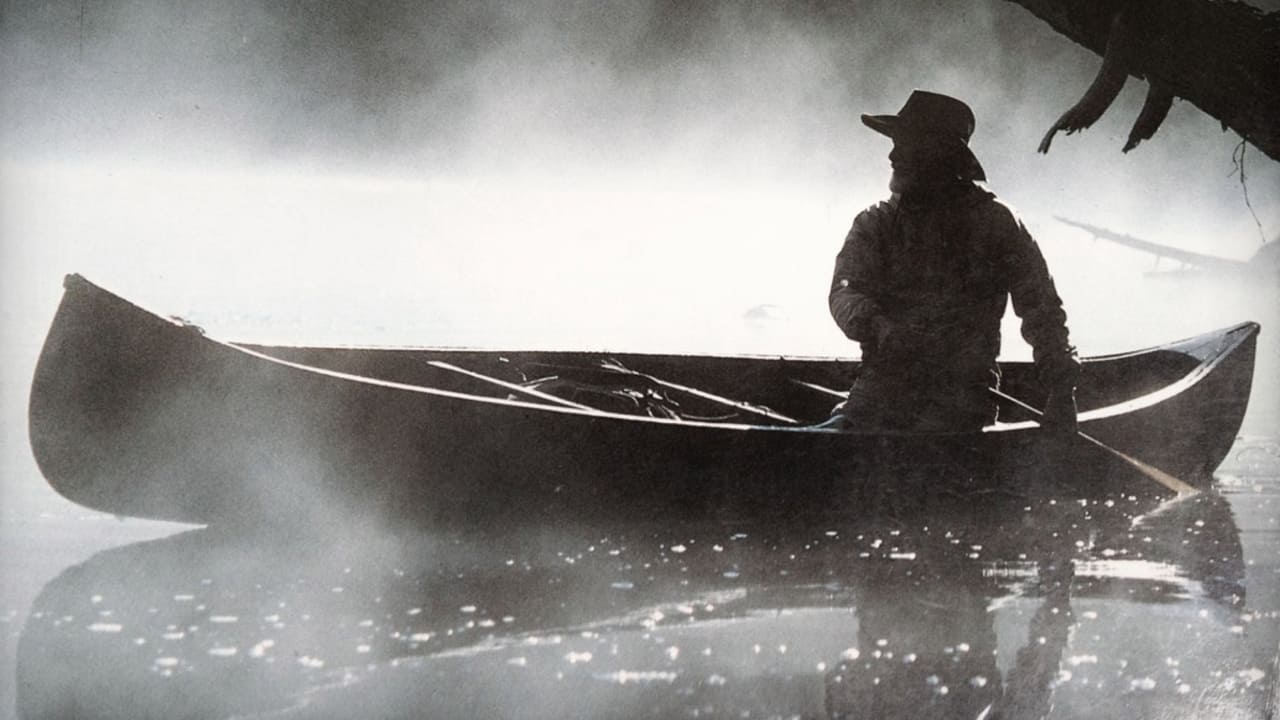
Bill Mason paddles through the largest and most spectacular lake in the world, sharing his love for nature and canoeing in Ontario's waterways.
Mary Coley, an African-American midwife in rural Georgia, illustrates midwifery practices and the socioeconomic challenges of the 20th century South.
A group of homeless teenagers in Los Angeles discuss their lives, with one stating, "We're the cockroaches."
His Holiness the Dalai Lama explores Tibetan Buddhist psychology and its scientific validation through emotion management techniques, while addressing his legacy at age 82.
Eight weeks pass as veterans at Mason General Hospital undergo treatment for combat-related psychological issues before returning to civilian life.
Chögyam Trungpa Rinpoche, a pivotal figure in the introduction of Tibetan Buddhism to America, challenged traditional norms while gaining recognition from spiritual leaders like the Dalai Lama.
Stephen Jenkinson, a clinical-practice leader at Mount Sinai Hospital, has worked with over 1,000 patients facing the end of their lives.
Michael Hutchence, the lead singer of INXS, is portrayed in a documentary that explores his complex life, struggles, and musical legacy.
Interviews with policy advisers and the experiences of four teachers reveal the significant challenges and political influences affecting the U.S. educational system today.
In Hollywood, make-up artists John Chambers and Tom Burman revolutionized film with their work on Planet of the Apes, influencing generations of creators.
Voice acting is explored through insights from prominent figures like John DiMaggio and Mark Hamill, highlighting the artistry behind beloved animated characters.
Martin Luther King Jr. was born in Atlanta, Georgia, in January 1929, and became a key figure in the Civil Rights Movement advocating for nonviolence.
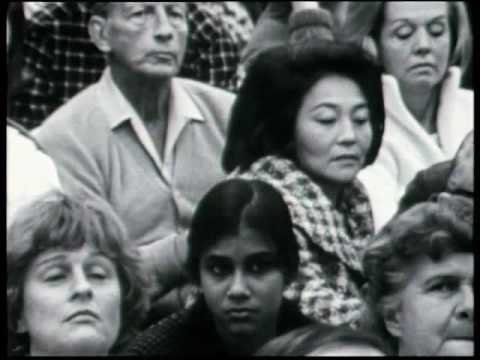
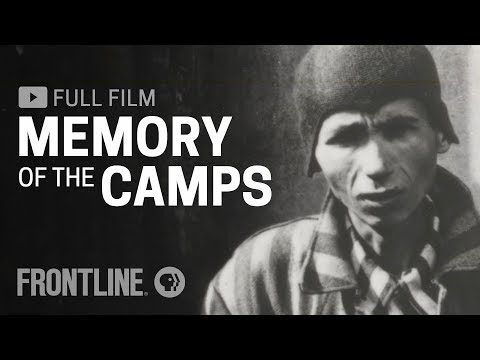
At least 6 million people died in Nazi Germany's system of camps, including more than 3 million Jews, as documented by Allied footage from 1945.
310 Afghan soldiers and police die each month, as Ben Anderson documents the challenges facing U.S. efforts to train local security forces before withdrawal.
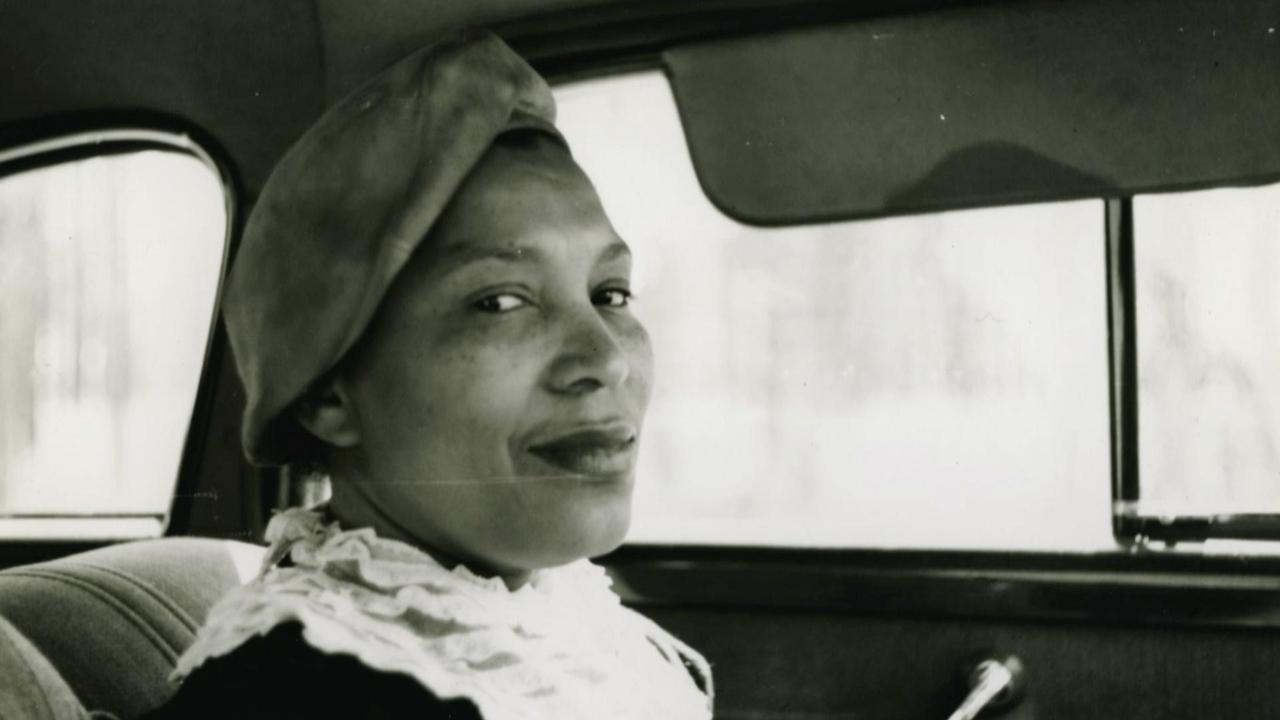
Over 100 folklore pieces collected by Zora Neale Hurston during her travels shaped her reputation as a leading authority on Black cultural narratives.
Over a million swifts inhabit the waterfalls near Kaieteur Falls in Guyana, where airship engineer Dr. Graham Dorrington attempts a historic flight.
A young boy receives a brand new rifle as oil drilling begins to disrupt life in the bayous of Louisiana.
A Navajo boy faces hardship and loss before escaping a white boarding school, leading to a pursuit through the ancient caves of Canyon de Chelly.
In October 1947, the House Un-American Activities Committee subpoenaed nineteen Hollywood figures to testify about their alleged ties to the Communist Party.
John Milius, known for his work on films like "Apocalypse Now" and "Jaws," is examined through the perspectives of industry giants such as George Lucas and Steven Spielberg.
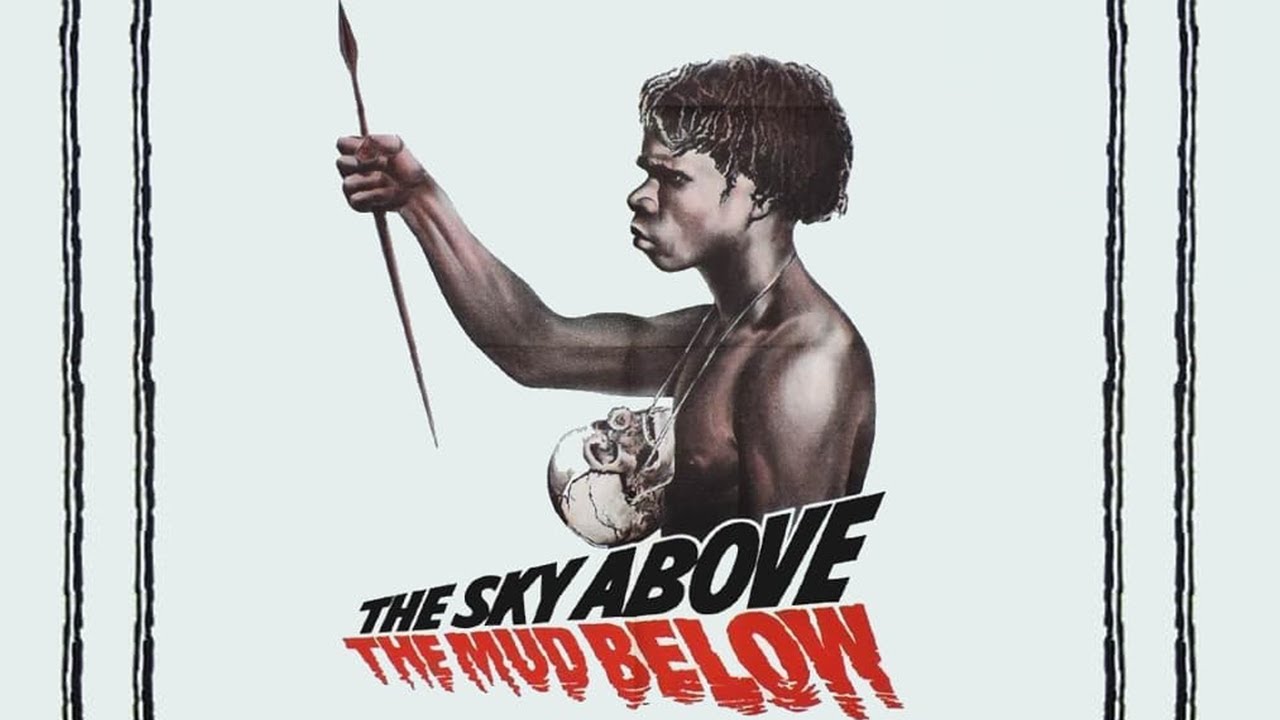
In 1959, six European explorers traveled to Dutch New Guinea, where they engaged with local villagers and observed their cultural rituals and daily life.
Menahem Golan and Yoram Globus transformed Cannon Films into a powerhouse of independent cinema in the 1980s, producing hits like "Breakin'" and reshaping Hollywood.
In Jacksonville, Florida, the murder of a white woman leads to the wrongful accusation of a Black teenager, prompting a defense lawyer's intervention that shifts the case's trajectory.
Pauline Kael's influential career as a film critic is examined, highlighting her controversial views and impact on the 20th century movie industry.
In the Gasherbrum mountains, mountaineers Hans Kammerlander and Reinhold Messner attempt to scale some of the world's most challenging peaks without supplemental oxygen.
Buster Keaton stars in his 87th movie, a 25-minute color short called The Railroader, while traveling across Canada on a railway speeder.
In East Hampton, New York, Edith Bouvier Beale and her daughter Edith 'Little Edie' Bouvier Beale navigate life as reclusive high-society dropouts in their decaying mansion.
Joe Strummer, the founding father of punk rock, died of a heart attack on December 22, 2002, at his home in Somerset.
Filmmaker Pepita Ferrari interviews 33 documentarians, including Werner Herzog and Kim Longinotto, about the challenges of representing reality in their work.
In Bodh Gaya, India, the largest Buddhist ritual is explored through interviews with The Dalai Lama and other prominent figures, captured by Werner Herzog.
Bob Dylan's 1965 tour of England is chronicled through performances and interactions with notable figures like Joan Baez, Donovan, and Allen Ginsberg, directed by D.A. Pennebaker.
Harvey Milk, San Francisco's first elected gay city supervisor, is remembered through interviews and insights from figures like Harvey Fierstein and Anne Kronenberg.
In the Sahara/Sahel region, the Wodaabe people engage in elaborate courtship rituals and beauty pageants, showcasing their unique cultural practices.
Artist and filmmaker David Lynch reflects on his formative experiences and the influences that shaped his artistic vision and creative process.
Anita Hill's testimony against Supreme Court nominee Clarence Thomas during the 1991 Senate Hearings sparked a national conversation on sexual harassment and race.
Jean Dominique, a Haitian radio journalist and human rights activist, is the focus of this documentary directed by Jonathan Demme, highlighting his impactful life and work.
Jean-Bédel Bokassa's authoritarian rule in the Central African Republic is scrutinized through personal testimonies and significant locations, highlighting his legacy of excess and human rights violations.
Unaccompanied child migrants from Central America face exploitation and violence while navigating Mexico in search of safety and a better life in the United States.
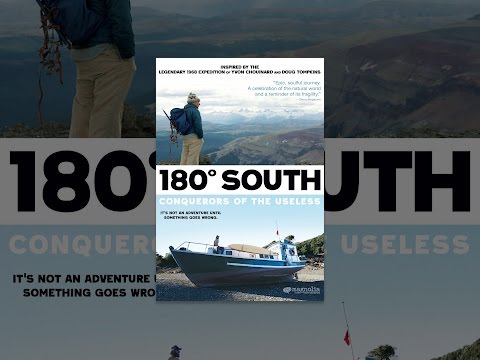
Jeff Johnson retraces the 1968 Patagonia expedition of climbers Yvon Chouinard and Doug Tompkins, highlighting their shift from climbing to environmental conservation.
Anita Hill's testimony against Supreme Court nominee Clarence Thomas during the 1991 Senate hearings sparked a national conversation on sexual harassment and race.
In early 20th century America, the emergence of cinema is explored through the stories of pioneering filmmakers, early movie stars, and innovative techniques.
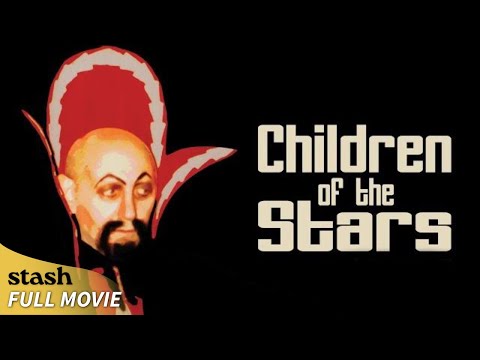
Ruth Norman, known as Archangel Uriel, established a 67-acre site in 1973 as a landing area for extraterrestrial beings called the Space Brothers.
Punk rock culture in the late seventies is captured through interviews and live performances by iconic bands like the Sex Pistols and The Clash, alongside infamous Sid & Nancy footage.
Woody Harrelson examines the influence of political and corporate systems on personal freedom and environmental issues, advocating for systemic change.
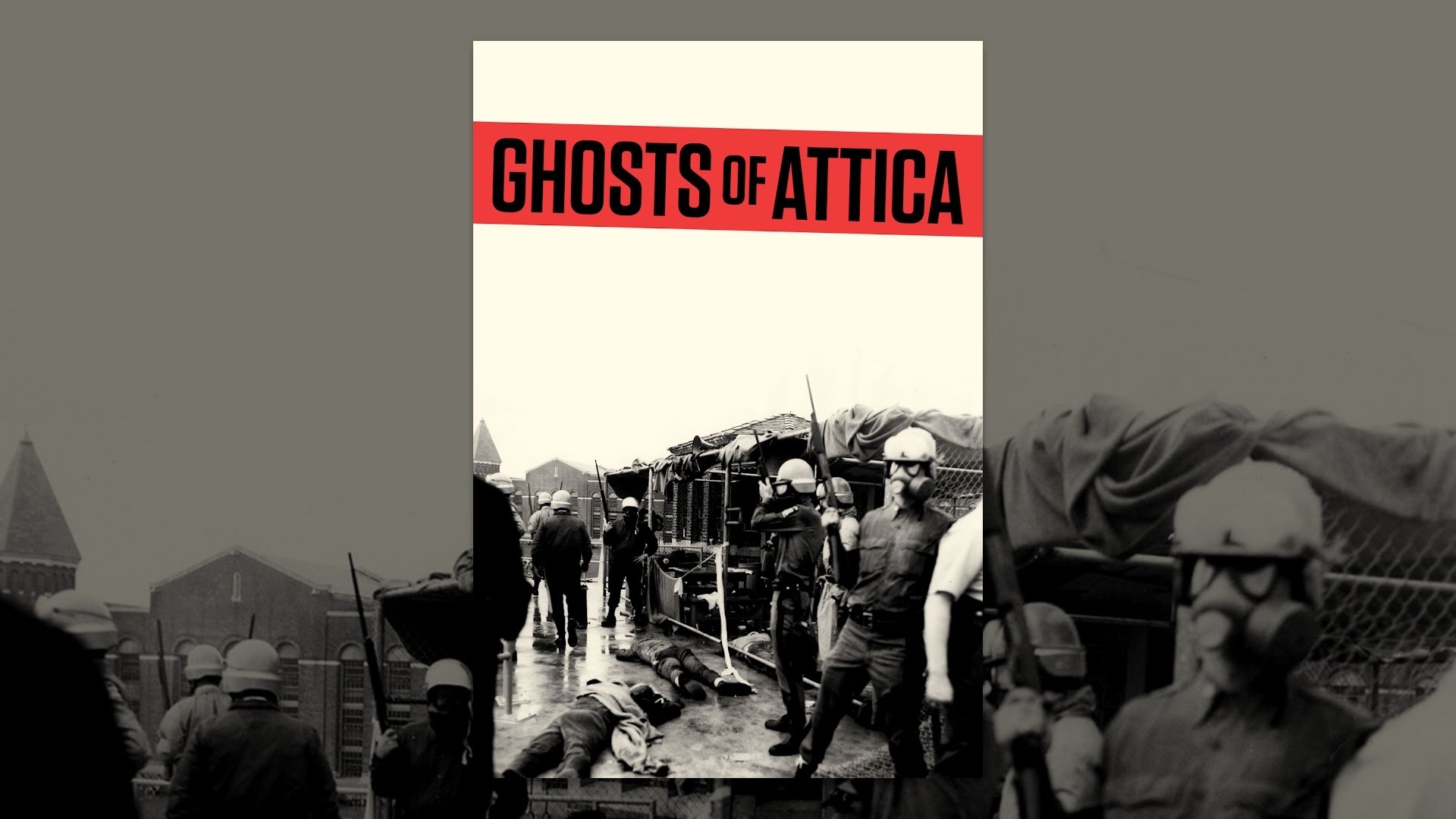
America's most violent prison rebellion at Attica Correctional Facility in 1971 led to deadly suppression, torture, and a nearly 30-year legal battle.
The tumultuous production of Francis Ford Coppola's Apocalypse Now reveals the challenges faced by the cast and crew in the Philippines during the Vietnam War era.
Caroll Spinney, the beloved puppeteer behind Big Bird and Oscar the Grouch on Sesame Street, reflects on his 45-year career and personal journey in this intimate portrait.
Jay Sebring, a pioneering figure in the hair and beauty industry, shaped Hollywood's male grooming standards and established a billion-dollar empire.
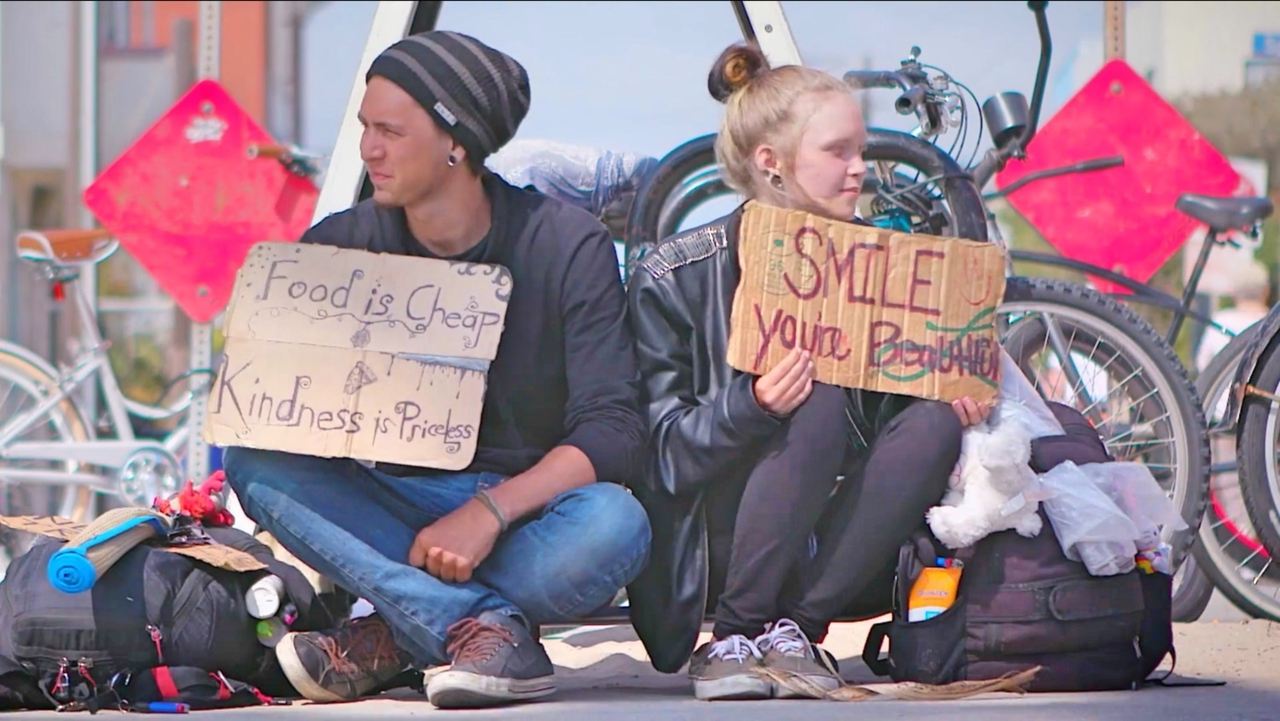
Rotimi Rainwater travels across the United States to confront youth homelessness, featuring insights from Jon Bon Jovi and Jewel on sex trafficking and the foster care system.
Ken Kesey, Neal Cassady, and the Grateful Dead are featured in archival footage documenting the Merry Pranksters' 1965 acid-fueled road trip across America.
In northern Albania, Prek Gjoni and Jovalin navigate a four-day trek to herd goats from the lowlands to the mountains, facing challenges like broken shoes.
Quadriplegic athletes compete in full-contact wheelchair rugby at the 2004 Paralympic Games in Athens, showcasing their resilience and determination.
New York's drag scene in the 1980s is chronicled through the vibrant balls, voguing competitions, and the aspirations of its iconic performers.
A young person prepares to travel from Chicago to New Orleans, advised to keep their bus ticket hidden and avoid talking to strangers.
Thousands of children in northern Uganda were influenced by Joseph Kony to turn against their families and participate in violence.
USA's torture and interrogation practices during the War in Afghanistan are examined through the case of Afghan taxi driver Dilawar, who died in U.S. custody.
A young man in Spain claims to be the missing 16-year-old son of a grieving Texas family, raising questions about identity and deception.
A final piece, “The Komarovo Waltz,” is unveiled for the first time as Oleg Karavaichuk reflects on his life in the bay-side community of Komarovo.
A thousand miles of levees were built along the Mississippi River to control flooding and manage the river's flow to the Gulf of Mexico.
More than 18% of children in the United States are classified as obese, prompting discussions on health risks and potential solutions to the obesity crisis.
Navy fighter squadrons on deployment provide rare air-to-air combat footage and insights into the life of F-14 pilots, influencing the blockbuster film.
Before the 1960s, the prevailing view of how markets worked was rarely expressed, marking a significant shift in investment strategies.



































































































































































![Murderball [Broadcast Edit]](https://i.ytimg.com/vi/fwMSIZADCik/maxresdefault.jpg)
![Paris Is Burning [Broadcast Edit]](https://i.ytimg.com/vi/P6mobnI74LQ/hqdefault.jpg)


![Taxi To The Dark Side [Broadcast Edit]](https://i.ytimg.com/vi/Nb-sWuKDJAk/maxresdefault.jpg)
![The Imposter [Broadcast Edit]](https://i.ytimg.com/vi/KOtMk0t1fo4/maxresdefault.jpg)