From over 100,000 films, discover the handful you'll love.
Free or premium access to the world's largest documentary library.
42 films
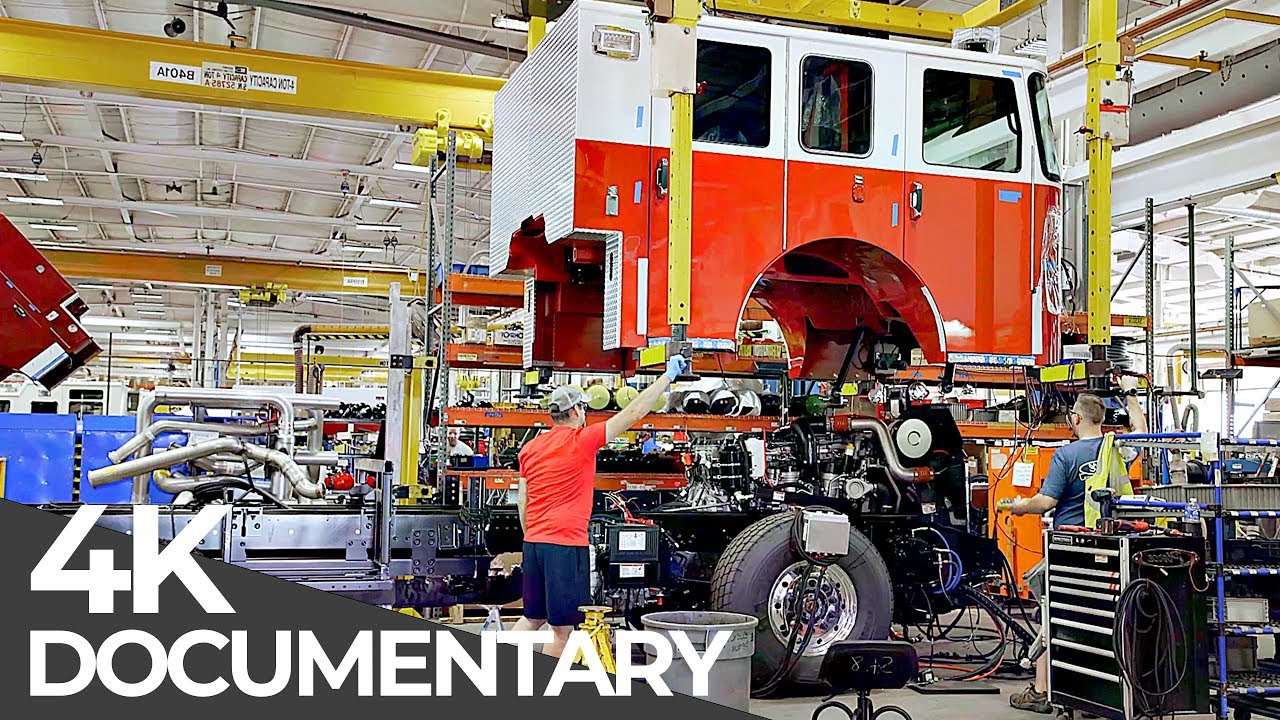
1,400 custom fire trucks are produced each year at Pierce Manufacturing in Appleton, Wisconsin, with each vehicle featuring over 13,000 components.
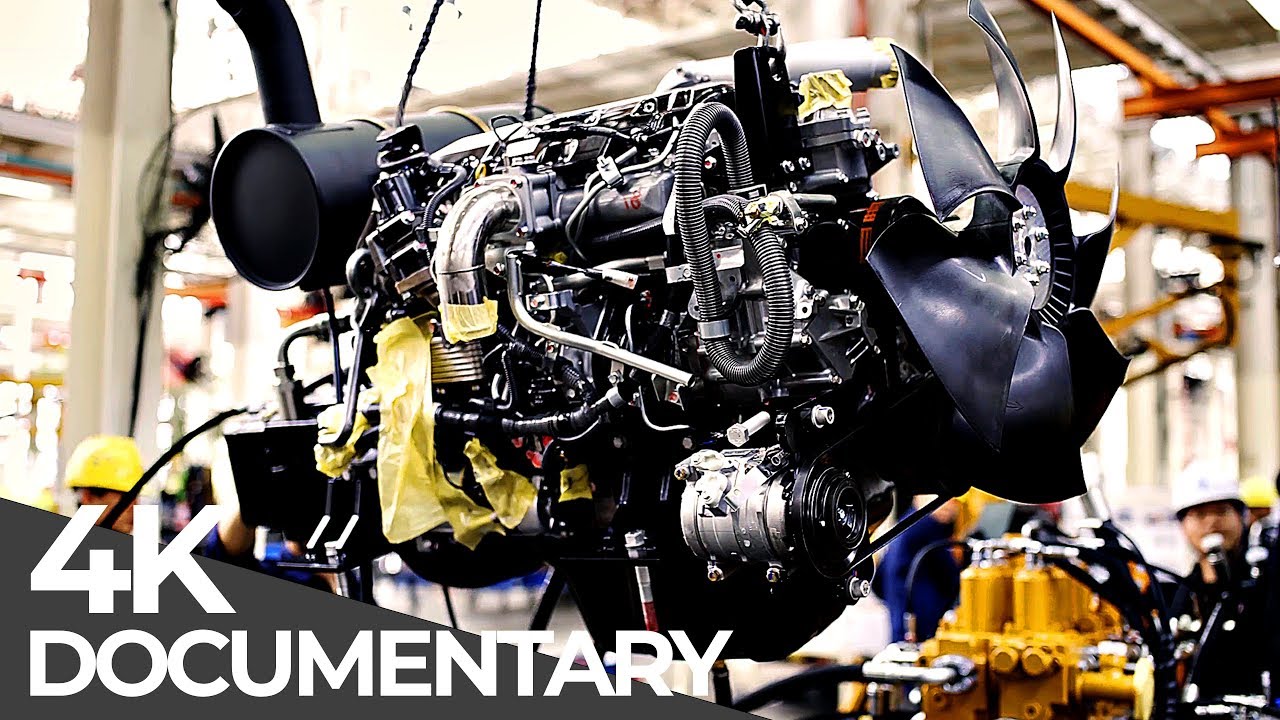
A new 23-ton excavator is built in just 24 hours at Sany's factory in Lingang, which produces up to 40,000 excavators each year.
Leech collectors risk their health by wading into marshes, allowing bloodsucking leeches to cling to their legs for medical use.
In December 1941, Japanese Admiral Isoroku Yamamoto predicted Japan would struggle against the industrial might of the United States, a forecast validated by the Battle of Midway.
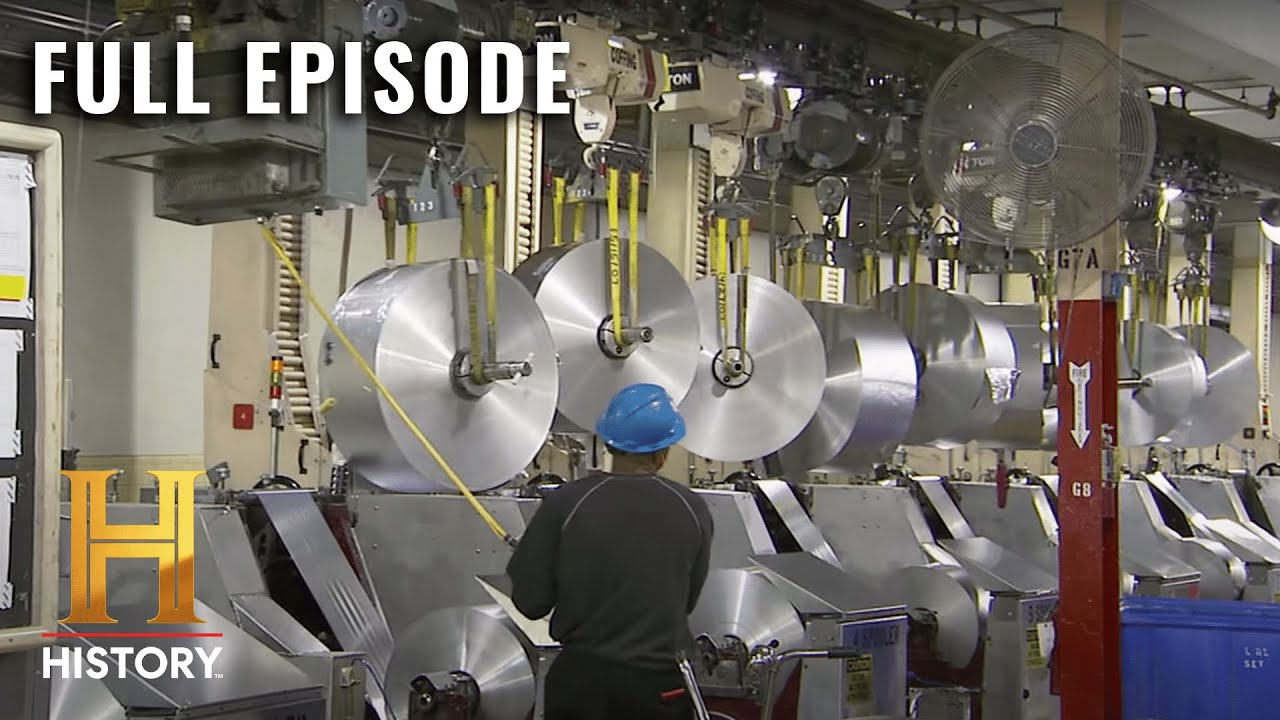
Watch how aluminum, once considered more valuable than gold, shapes our modern world.
More than 12,000 ships from around the world dock at the Port of Hamburg each year, supporting 160,000 jobs in the region.
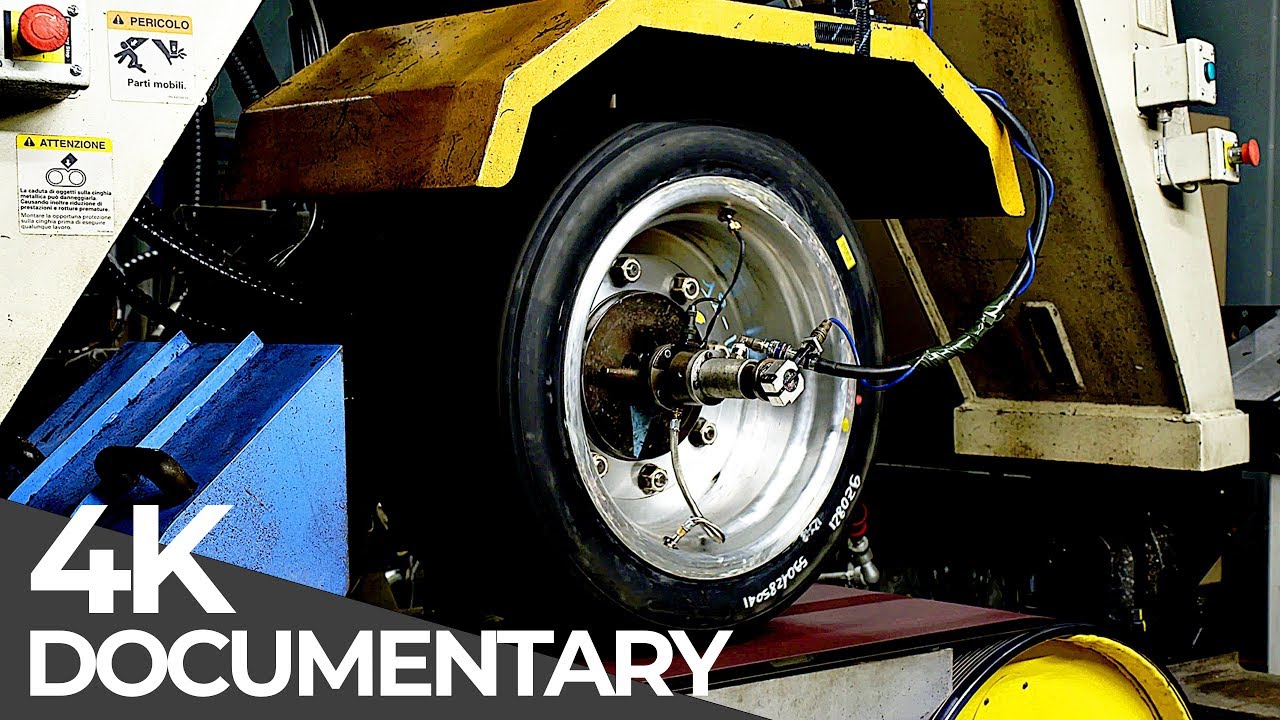
Pirelli, the world's most renowned tyre manufacturer, produces 75 million car tyres annually, utilizing advanced technology and materials to create high-performance products like the P-Zero.
Trains, from the 4.2-kilometer-long Sishen-Saldanha iron ore train in South Africa to Japan's luxurious Shiki-shima, showcase the diversity and innovation of rail transport.
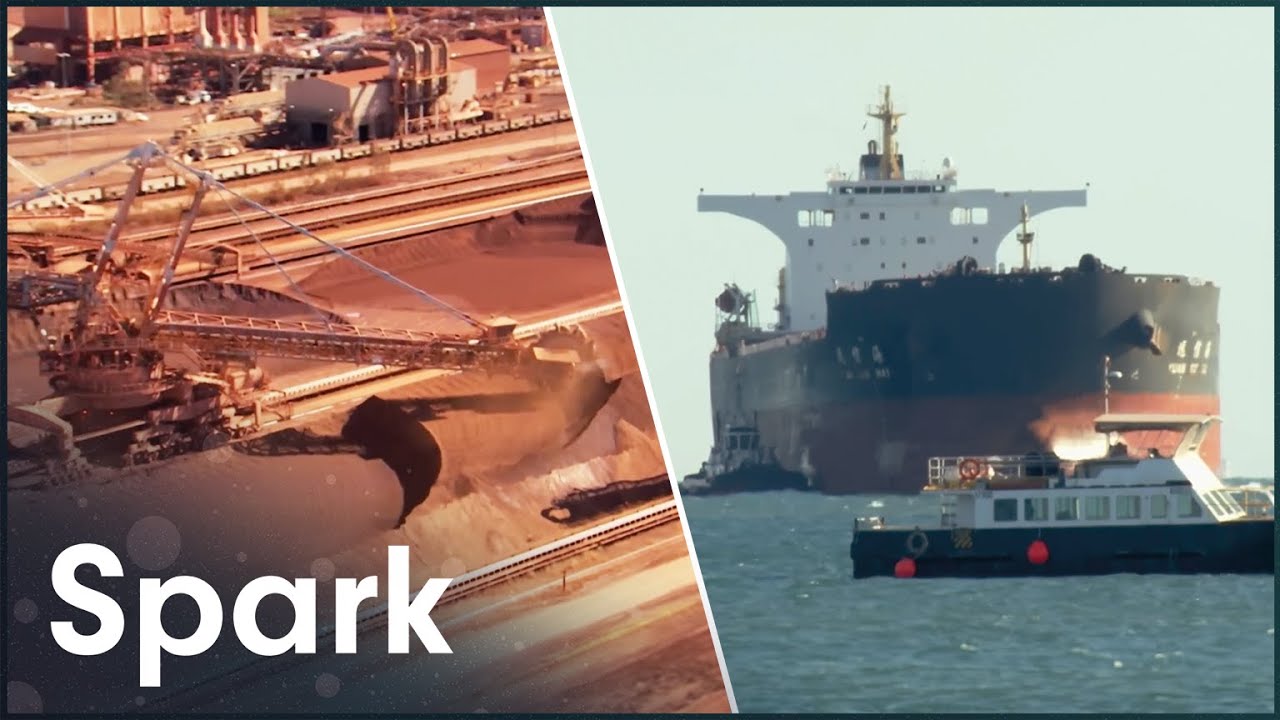
Last year, Port Hedland exported nearly 247 million tonnes of iron ore, making it the world's largest bulk export port.
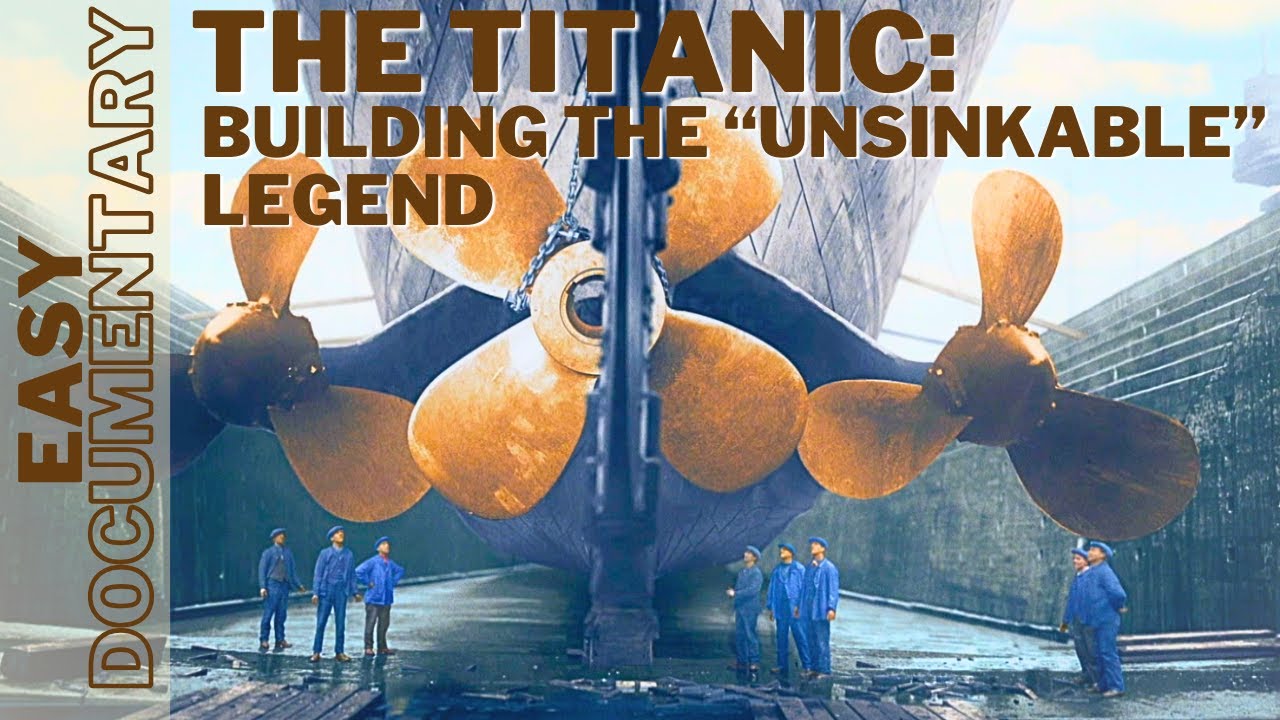
In Belfast, the construction of the Titanic, Olympic, and Britannic involved 15,000 workers laboring under perilous conditions to create a revolutionary ocean liner.
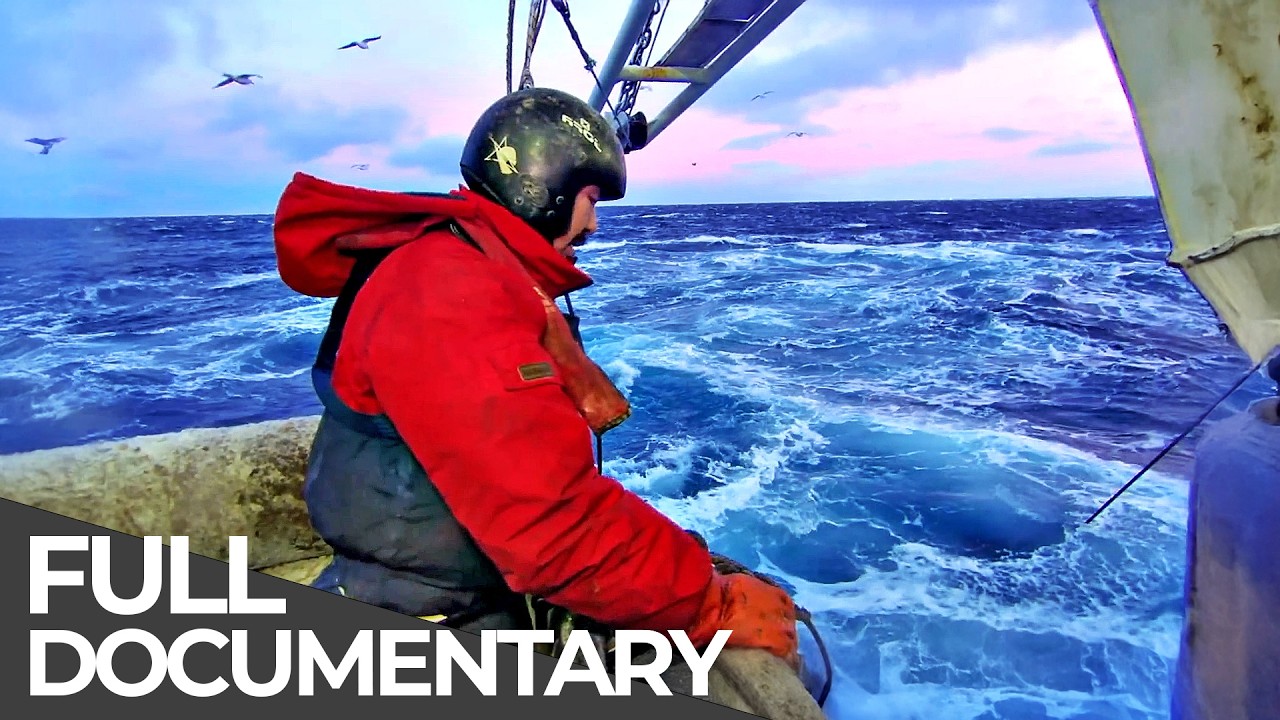
In the icy waters off Greenland, the Akamalik trawler and its crew navigate extreme conditions to sustain the nation's vital fishing industry.
A $200 million gamble on a new aircraft design aimed to revive a struggling Canadian factory and compete in the business jet market.
At Chantiers de l’Atlantique in Saint-Nazaire, 2,700 workers utilize advanced technology to construct some of the world's largest ocean liners and tankers.
Alfred Nobel's invention of dynamite revolutionized construction and mining, significantly impacting the extraction of natural resources that shaped the modern world.
In the District of Mackenzie, communities like Hay River and Yellowknife experience economic growth through modern technology in mining and lumber industries.
World War II's industrial mobilization, from Roosevelt's "Arsenal of Democracy" to Stalin's Five-Year Plans, reshaped labor and resource allocation on a massive scale.
Nuclear waste poses dangers that have remained hidden for thousands of years, as communities confront the consequences of past energy decisions.
Marylebone Station in London, once a hub of steam locomotives with only four platforms, is explored through its rich history and architectural significance.
A 2021 social-impact documentary examines flaws in the U.S. health care system, focusing on issues of accessibility and affordability.
Between 1993 and 1996, the East Midlands rail network featured steam locomotives and freight trains, including nine daily services to Wellington Power Station.
Britain's Industrial Revolution is examined through the innovations of engineers like Isambard Kingdom Brunel and Thomas Telford, highlighting monumental structures and social reform.
In Tierra del Fuego, Argentina, a booming electronics industry attracts migrants seeking jobs, raising concerns about its environmental impact on the surrounding mountains.
Iowa has the nation's fastest growing cancer rate, which some residents link to rising nitrogen levels in farm runoff contaminating local water sources.
On October 20, Holden built its last car in Australia, marking the end of an era for local manufacturing and the automotive industry.
The European Union produces only 0.1% of the world's lithium, forcing it to rely heavily on imports for battery manufacturing.
Secretary of Treasury Alexander Hamilton establishes an industrial city in New Jersey in 1791.
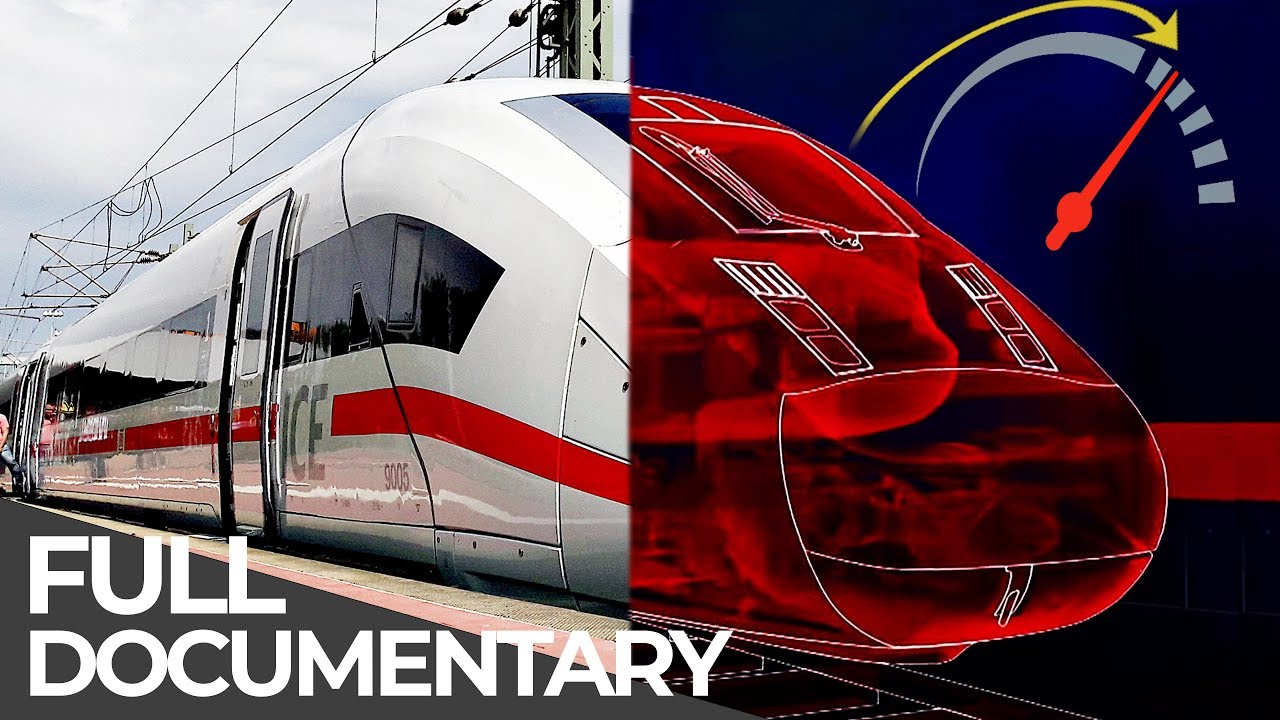
The Transrapid, a maglev train designed to revolutionize transportation in Germany, now sits abandoned at its test site after failing to achieve commercial success.
An immigrant from South Central Europe arrives in Gary, Indiana, to work at the Illinois Steel Company, showcasing safety practices in steel production.
Forty-four units of low-rent housing are completed in Ottawa's Mooretown development, providing homes for families earning less than $3,500 a year.
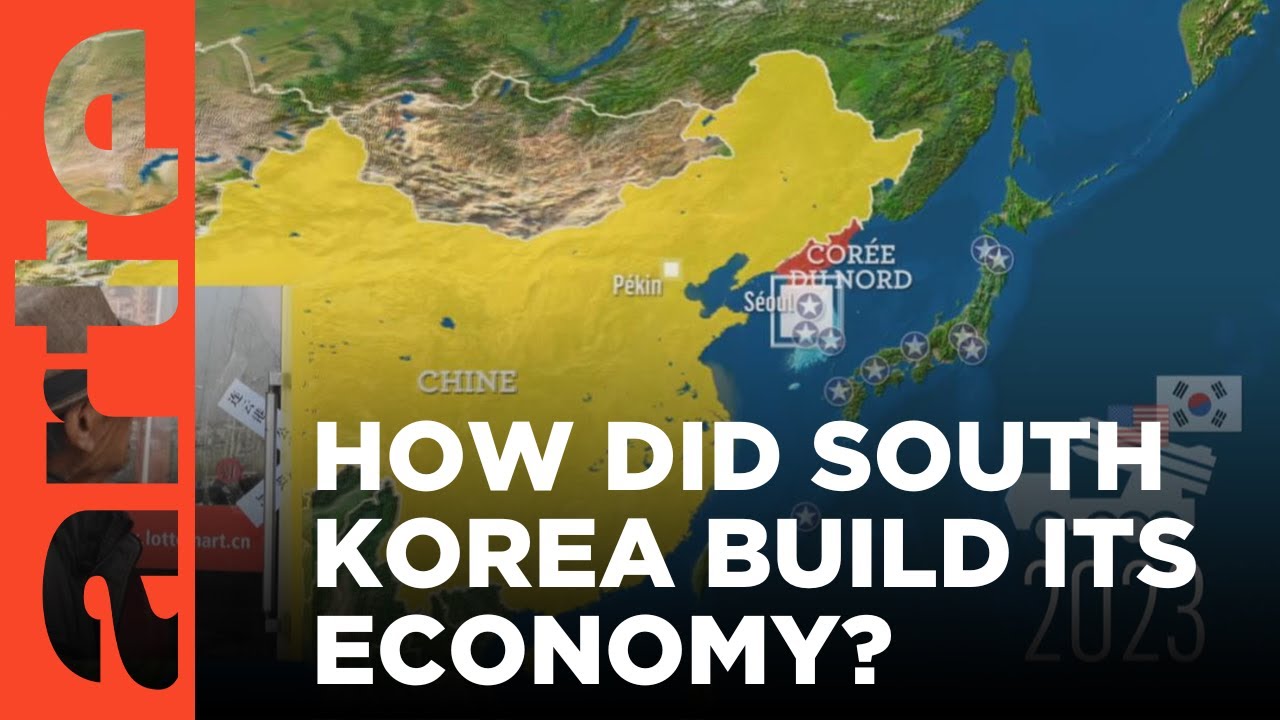
South Korea transformed from a war-torn nation in the 1950s into a global economic powerhouse through government policies, industrialization, and a focus on education.
In the early 1940s, urban life in America was examined through the lens of industry and society by the Ford Motor Company.
Military and security expenditures in the United States increased by 119% in less than a decade, reflecting the growing influence of the military-industrial complex.
Theresa May's industrial strategy focuses on Tech and Pharma to boost UK productivity.
Victor Mallet reports on West Bengal's efforts to restore its economic health in South Asia.
Britain revitalizes engineering through the Advanced Manufacturing Research Park in Sheffield.
Yuan Yang reports on China's slowing industrial growth and possible economic stagnation.
India aims to double coal production using high technology and quicker project completions.
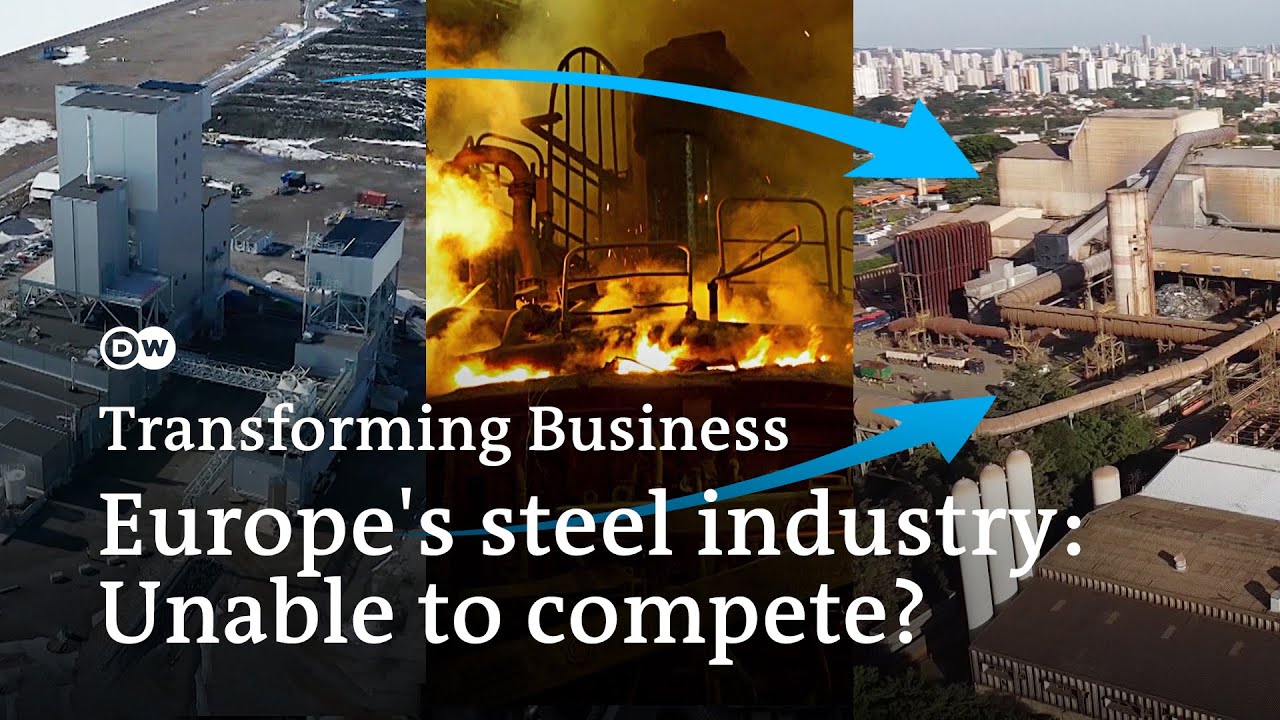
The energy crisis prompts Europe's steel industry to consider moving to North and South America.
The London Gateway super port revives maritime trade on the Thames, transforming goods distribution.
A protest movement in Wietze, Germany, targets the most modern slaughterhouse's practices.
India's manufacturing industry is experiencing a pivotal moment under Prime Minister Narendra Modi's leadership, with optimism for growth amid significant challenges.
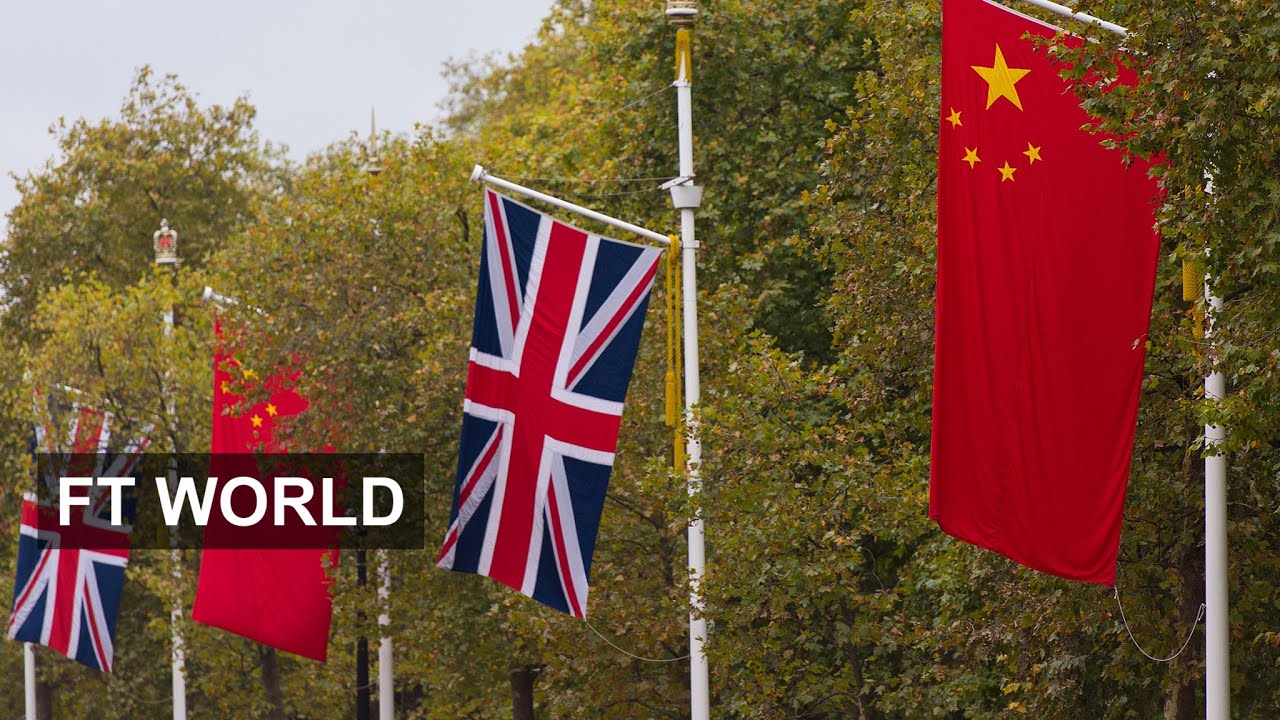
Xi Jinping's London visit aims to secure major investment deals for Britain.