From over 100,000 films, discover the handful you'll love.
Free or premium access to the world's largest documentary library.
12 films
On December 25, 1991, the Soviet Union officially ceased to exist, breaking apart into 15 independent republics after nearly 70 years of existence.
Twelve astronauts walked on the moon between 1969 and 1972, leaving behind footprints and equipment that will last for millennia.
Yuri Gagarin's space odyssey lasted just one hour and forty-eight minutes before he died in a plane crash on March 28, 1968.
A Mars colony could become a reality within the next decade, with plans for crewed flights and cargo missions already in development.
Voyager 1, launched in 1977, is now 22 billion kilometers from Earth and continues to transmit data from outside the solar system.
In 1961, President John F. Kennedy challenged America to land a man on the moon and return him safely to Earth within the decade.
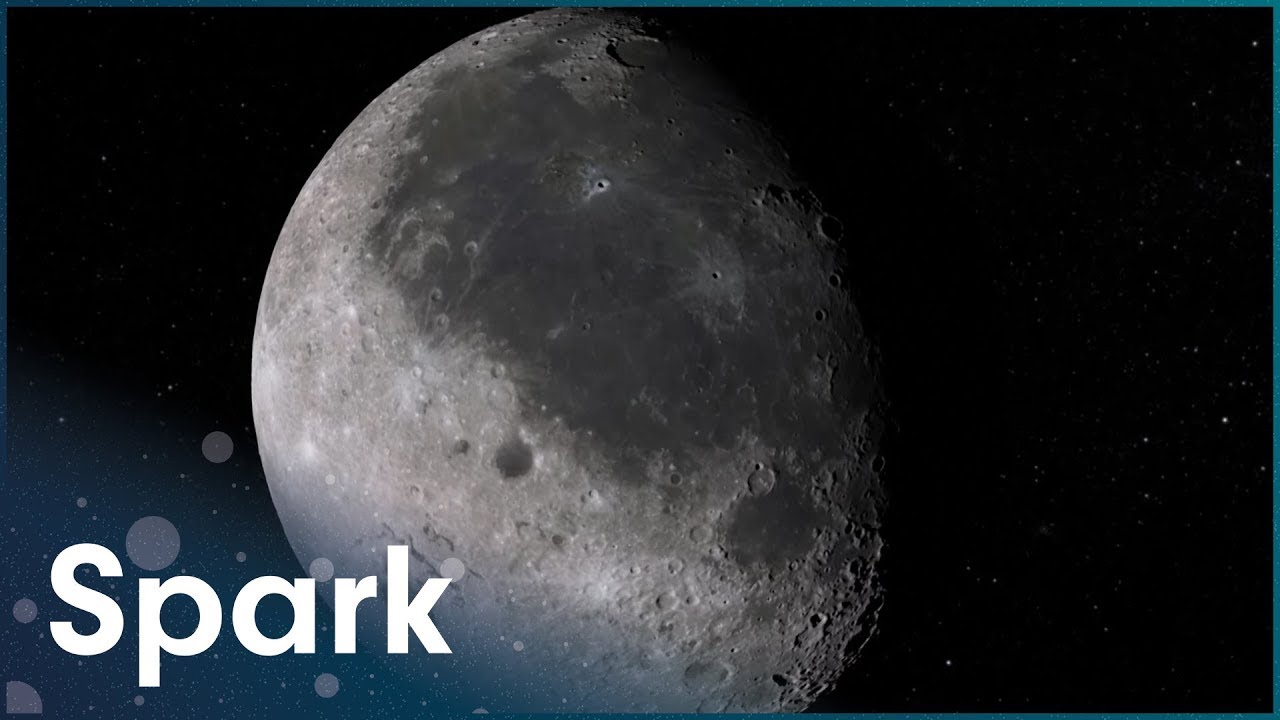
Three competing theories about the moon's origins emerged during the space race, each tested by unmanned lunar probes launched by the United States and the Soviet Union.
Voyager 1, launched in 1977, is now 22 billion kilometers from Earth and transmits data at a rate equivalent to sending Morse code.
NASA's Apollo missions returned lunar samples that revealed enough water locked inside the moon to cover its surface in a layer 1 meter deep.
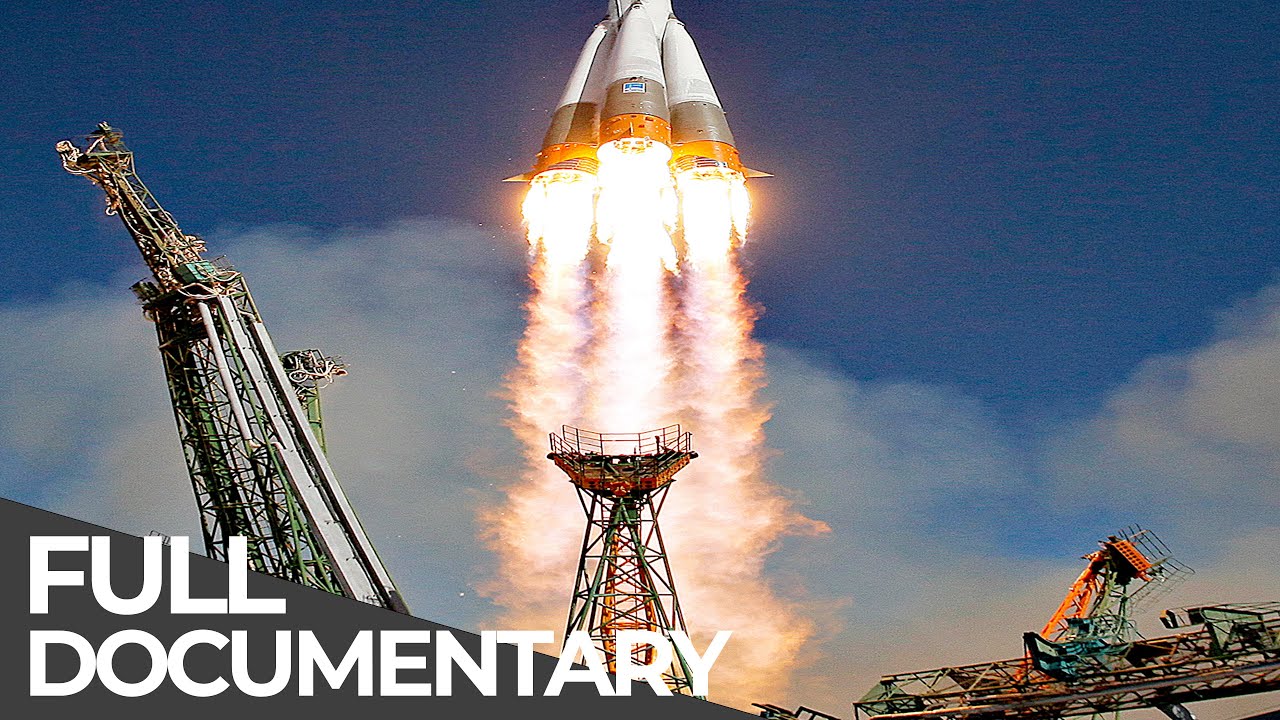
More than 1,800 trips to orbit have been made by variants of the Soyuz launcher since its first flight in 1957.
The International Space Station has been occupied since the year 2000, serving as a hub for scientific research and international collaboration in space.
On April 12, 1961, the Soviets launched Yuri Gagarin, the first person to orbit the Earth, intensifying the U.S. space race under President John F. Kennedy.