From over 100,000 films, discover the handful you'll love.
Free or premium access to the world's largest documentary library.
18 films
Woodrow Wilson's Nobel Peace Prize efforts to promote the League of Nations highlight America's persistent isolationism, even as the Charleston dance craze emerges.
10,000 politicians, diplomats, and spies arrived in Paris for the peace conference following World War I, where the Treaty of Versailles was negotiated.
Two thousand tons of TNT detonated in a chain reaction at Black Tom Island, leading to the FBI's transformation into a powerful national security agency.
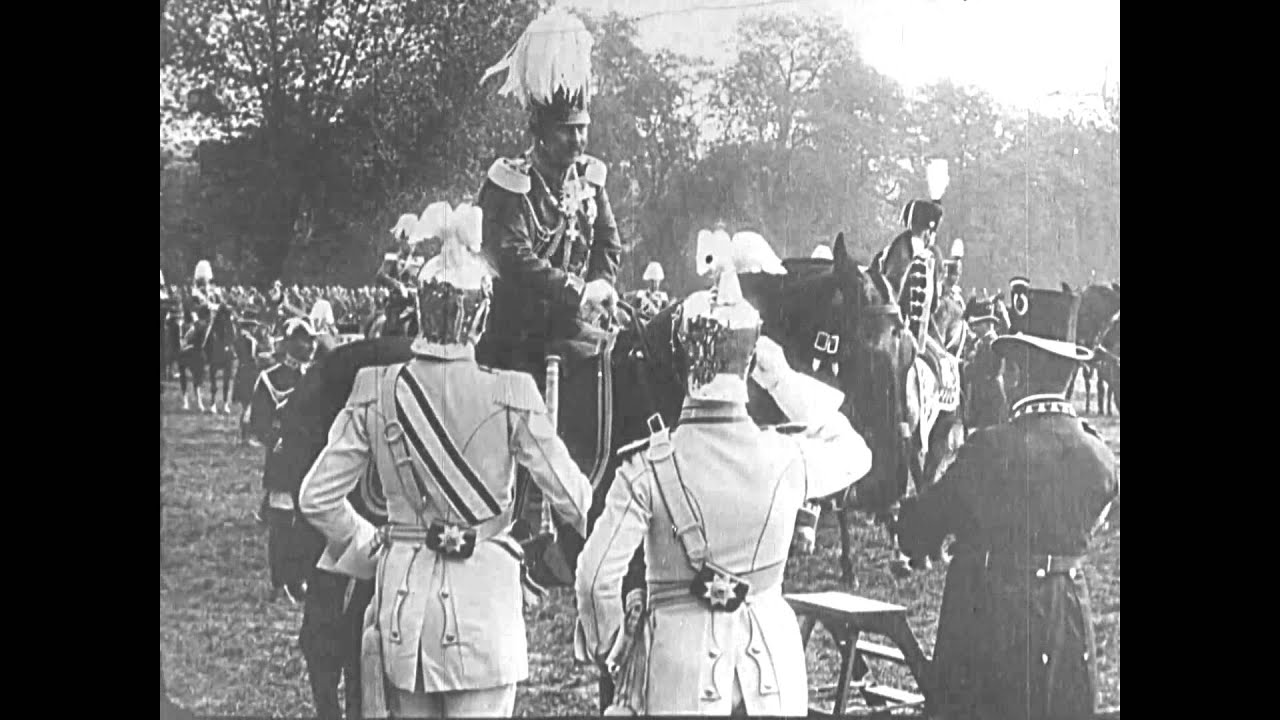
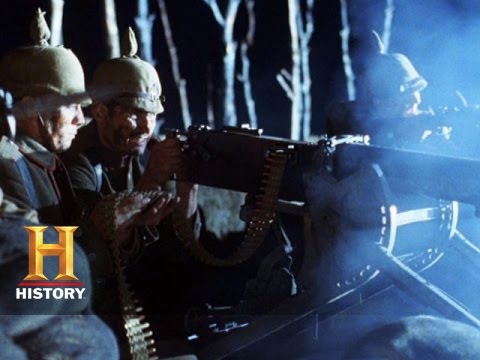
World War I is depicted through German films, U.S. military activities, and key events such as the Meuse-Argonne campaign and the Armistice celebration.
The influenza pandemic of 1918 killed more people worldwide than the total number of military deaths in World War I.
In 1919, Edith Wilson stepped in to manage presidential duties after her husband, Woodrow Wilson, suffered a massive stroke.
In 1917-1918, prominent figures such as President Wilson and General Enoch H. Crowder participated in the draft process, showcasing recruitment and internment activities during World War I.
During World War I, President Woodrow Wilson authorized a military invasion of Russia to defeat the Red Army and overthrow Vladimir Ilich Lenin.
The 19th Amendment, which granted women the right to vote, was passed by the Senate in June 1919 and ratified in August 1920.
Every $100 bill printed by the Federal Reserve represents a $100 loan to the United States, which incurs interest despite being government-issued.
In Mouzon, France, the 77th Division participates in post-armistice training activities, including troop reviews and military inspections by Generals Pershing and Alexander.
Armistice celebrations in 1918 featured President Wilson parading in Washington, D.C., while crowds in New York and Paris celebrated with captured war trophies.
Paris served as the backdrop for the 1919 peace conference, featuring key figures such as President Woodrow Wilson, Premier Georges Clemenceau, and King George V.
Over 23 universities in the U.S. have seen minority and Black student protests demanding changes to address institutional racism in higher education.
Silent footage captures key events of World War I from 1917 to 1918, including President Wilson's war declaration, troop maneuvers, and Armistice celebrations.
President Woodrow Wilson and Mrs. Wilson arrive in Brest, France, in 1919, where they are greeted by notable figures before returning to the U.S. with a parade in Washington, D.C.
Germany's decision to revive unrestricted submarine warfare in early 1917 prompted Woodrow Wilson to lead the United States into World War I that April.
By the summer of 1918, the Spanish Flu was spreading across the United States, yet the government chose to remain silent about the crisis.




![Documentary backdrop image for Post Armistice Training, 77th Division [1918-1919] (2018)](https://i.ytimg.com/vi/HLW_VLWJfGo/maxresdefault.jpg)