From over 100,000 films, discover the handful you'll love.
Free or premium access to the world's largest documentary library.
38 films
Edith Thompson and Frederick Bywaters were sentenced to death in 1923 for the murder of Thompson's husband, a case that shocked Britain and influenced views on capital punishment.
Thousands of women campaigned for suffrage over decades, facing abuse and imprisonment, while the Pankhurst sisters led the movement amid personal conflicts.
In 1776, America declared its independence and has since had 43 leaders, each shaped by the influences of money, religion, and rhetoric in politics.
On August 18, 1920, Tennessee became the 36th state to ratify the 19th Amendment, granting women in the United States the right to vote.
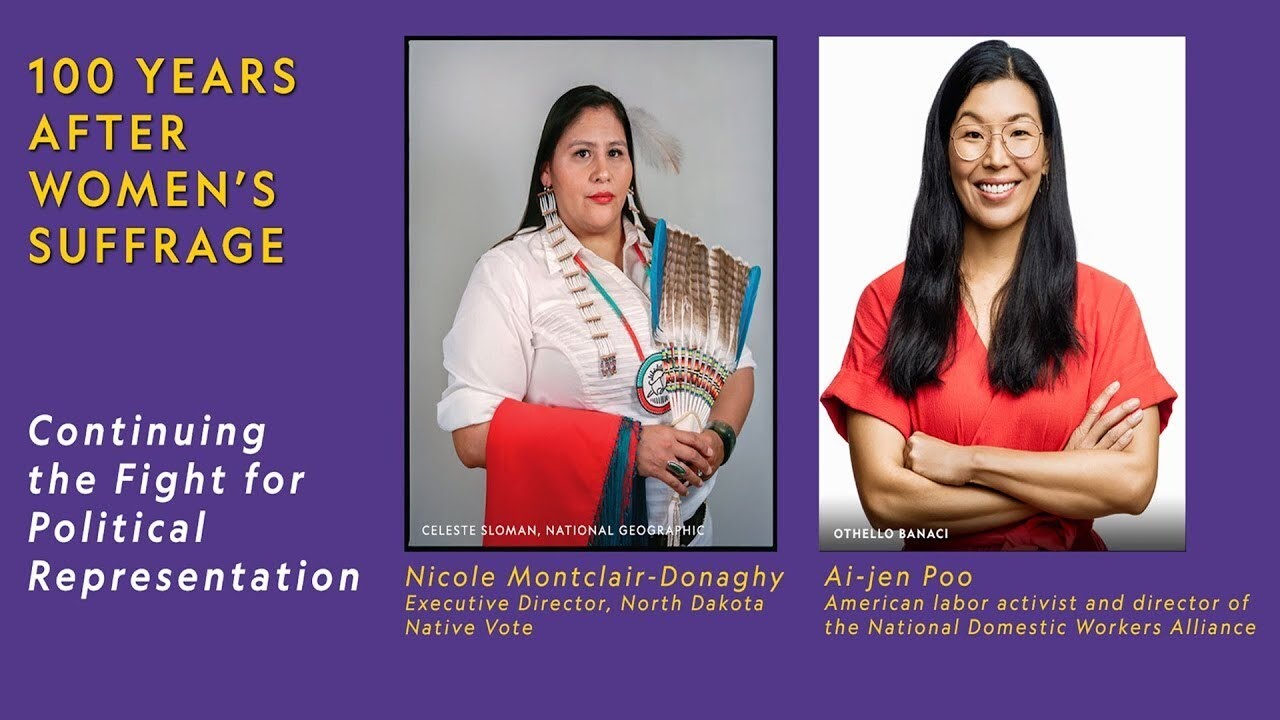
More than 70 years passed before women gained the right to vote, yet equal political representation remains unachieved a century later.
Rose Schneiderman, born into a Jewish family in Russian Poland, became a key figure in the 1909 garment workers strike advocating for women's suffrage in New York.
Michael Beschloss discusses the American presidents who waged major wars from the early 19th century through the Vietnam War.
In Nashville, Tennessee, opposing forces clash in 1920 over the ratification of the 19th Amendment, which granted women the right to vote.
The evolution of personal freedom in America during the 19th century highlights the contrasts between industrial progress and the struggles of marginalized groups.
During World War II, librarians and archivists collected enemy documents and seized Nazi texts from schools and bookstores across Europe.
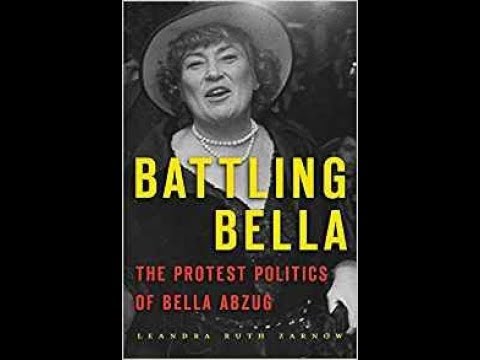
In 1970, Bella Abzug became one of 13 women in the House of Representatives, advocating for women's rights and social justice amid significant political opposition.
Eight years of peace and prosperity marked Dwight D. Eisenhower's presidency, driven by his "Middle Way" approach to leadership and decision-making.
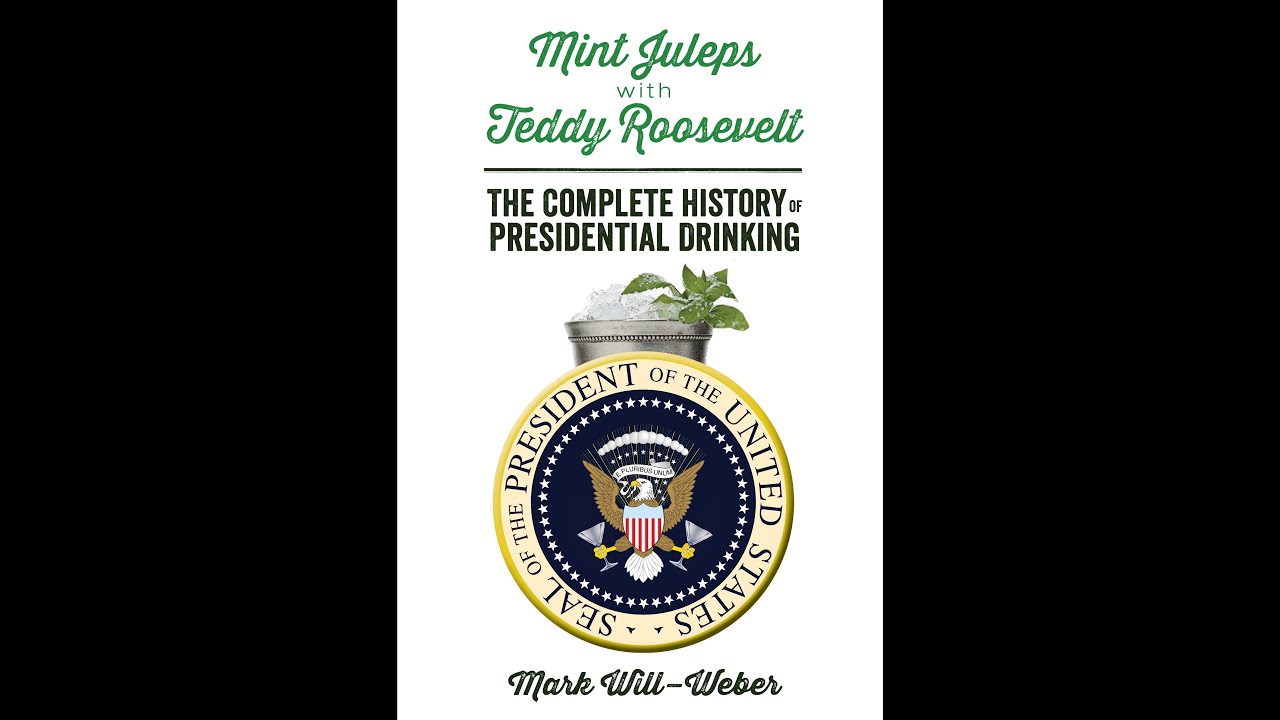
Mark Will-Weber discusses how the shift from alcohol taxes to income taxes influenced the prohibition movement and its impact on American society.
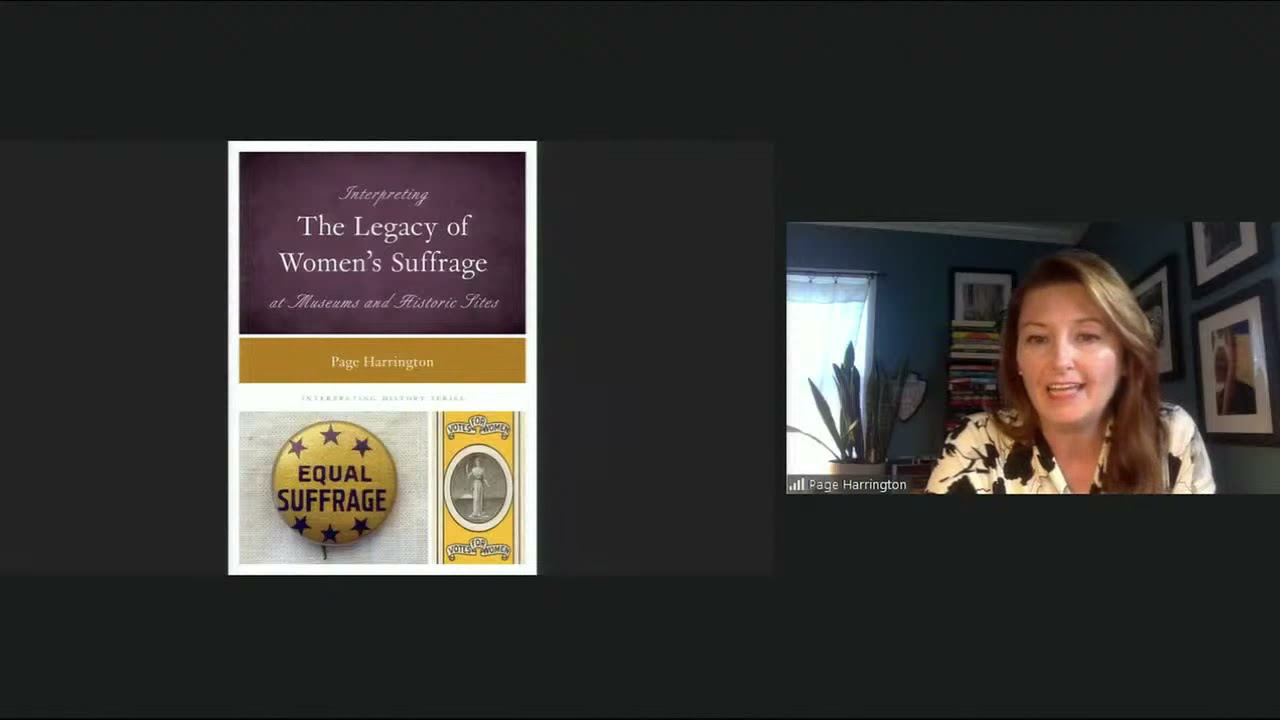
Grassroots efforts by working-class women significantly influenced the U.S. suffrage movement, as discussed by historians Page Harrington, Cathleen Cahill, and Alison Parker.
The evolution of freedom in America is marked by significant labor movements, the triumph at the Lawrence strike, and Susan B. Anthony's advocacy for women's voting rights.
Nearly 800 local leagues of the League of Women Voters continue the work of suffragists to promote women's voting rights across the United States.
On August 18, 1920, Tennessee's legislature ratified the 19th Amendment, granting women the right to vote and altering the American electorate.
Alice Paul, Ida B. Wells, Susan B. Anthony, and other suffragists are portrayed through music and dance in a performance celebrating the 19th Amendment.
An 1888 petition from the National Women's Christian Temperance Union called for a Prohibition Amendment to the United States Constitution.
Men's involvement in the women's suffrage movement, including the Men's League of Women's Suffrage, is examined through a panel discussion featuring notable authors and experts.
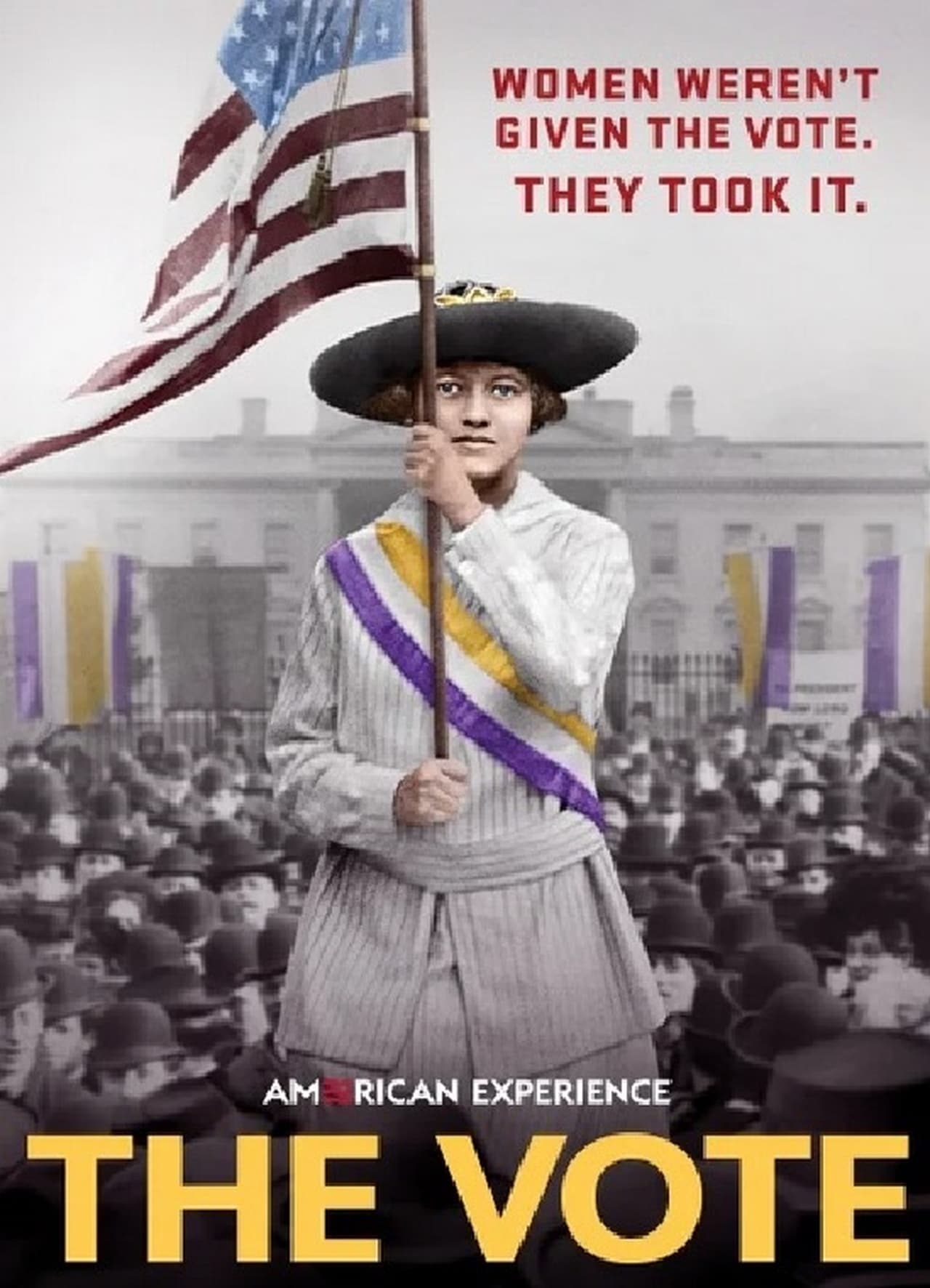
American women's fight for the right to vote is explored through the stories of diverse activists who protested for full citizenship across the nation.
The 19th Amendment, which granted women the right to vote, was passed by the Senate in June 1919 and ratified in August 1920.
A panel discussion features Joan Johnson, author of "Funding Feminism," examining the financial dynamics of the women’s suffrage movement.
The U.S. State Department played a key role in controlling the Pan-American Commission on Women's Rights during the early 20th century.
Jonathan Zimmerman has published more than 400 op-eds in major newspapers, discussing the ongoing tension between free speech and censorship in the U.S.
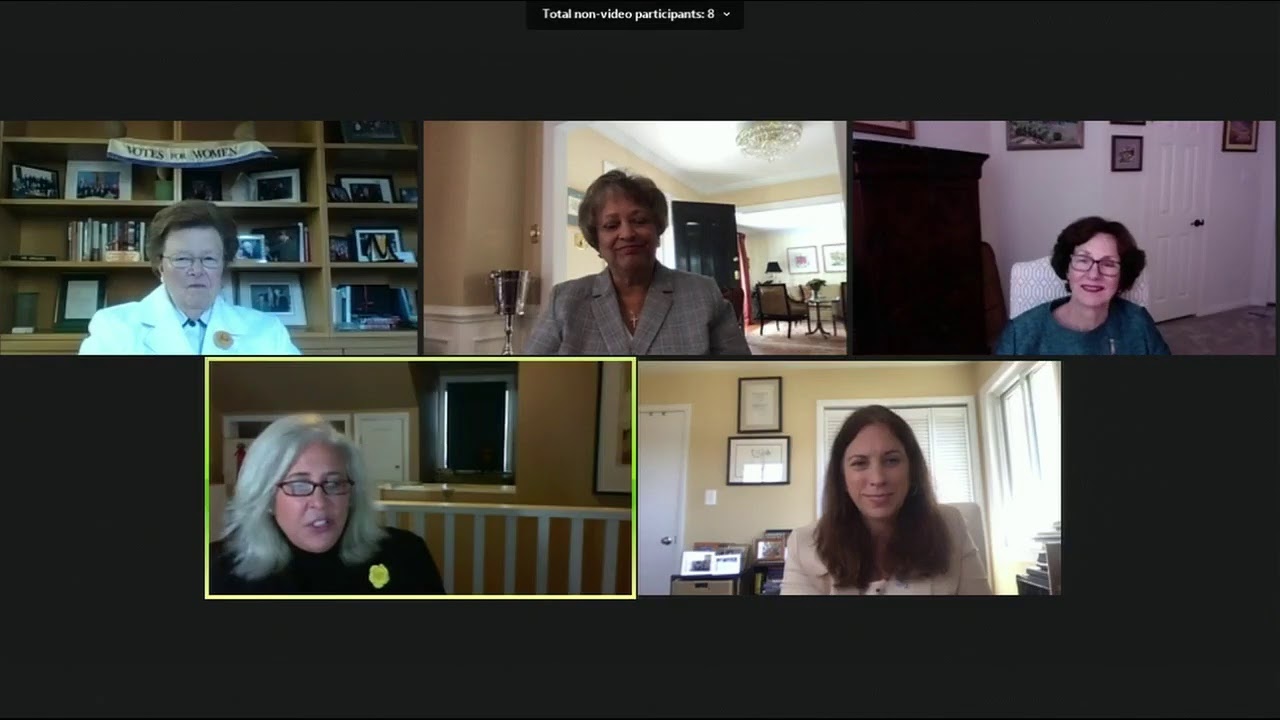
In 2020, the 100th anniversary of the 19th Amendment is commemorated through discussions led by the Women's Suffrage Centennial Commission and notable leaders like Senator Barbara Mikulski.
In anticipation of the 100th anniversary of the 19th Amendment, a panel featuring Elaine Weiss, Marjorie J. Spruill, and Carol Robles-Román examines opposition to women's equality.
Authors Winifred Conkling, Marjorie Spruill, and Elaine Weiss discuss their books on women's suffrage, including the fact that women in France did not gain the right to vote until 1945.
In 1942, 80 men participated in a daring air raid led by Lieutenant Colonel Jimmy Doolittle against Japan, which resulted in the capture and torture of two crews.
Two First Ladies, Melania Trump and Michelle Obama, shaped American perceptions of femininity and leadership during their time in the White House.
Tens of thousands of petitions related to women's suffrage are housed in the National Archives, revealing the activism that led to the 19th Amendment.
America has had 43 leaders since declaring independence in 1776, each facing unique challenges in the race for the presidency.
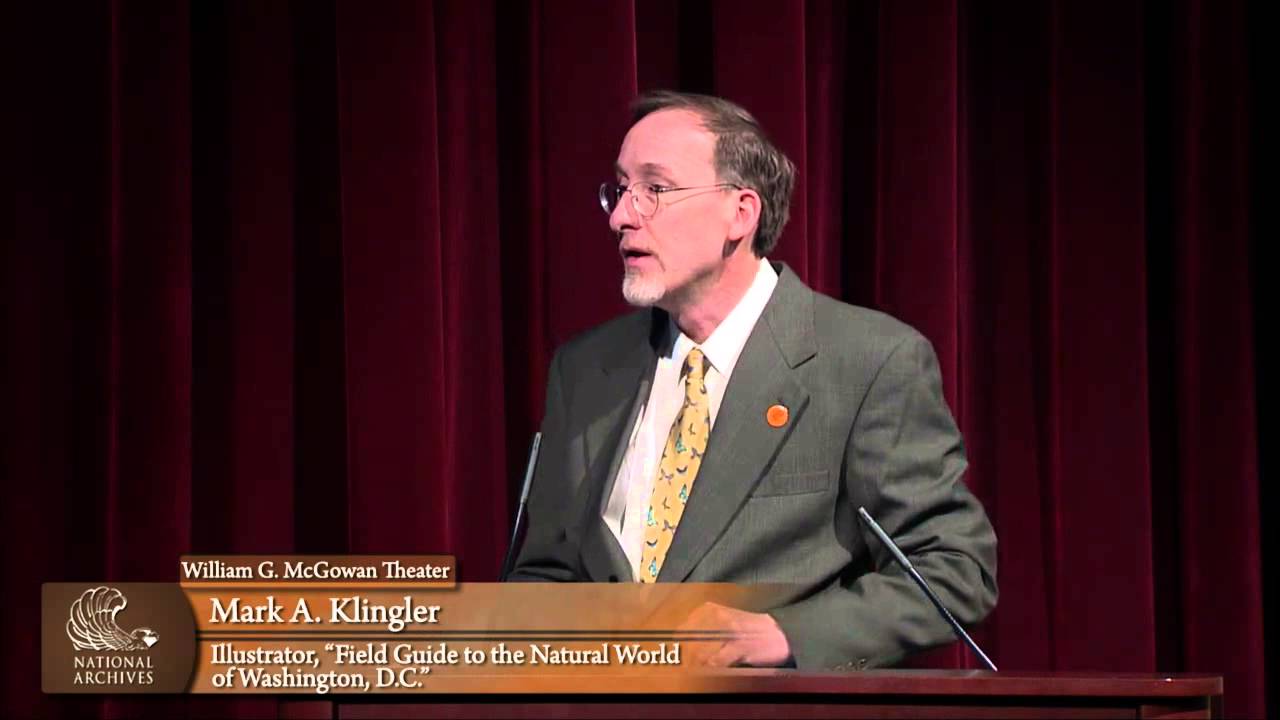
Mark A. Klingler, an award-winning artist, has collaborated with scientists for nearly 30 years to visually interpret stories of newly discovered and extinct species.
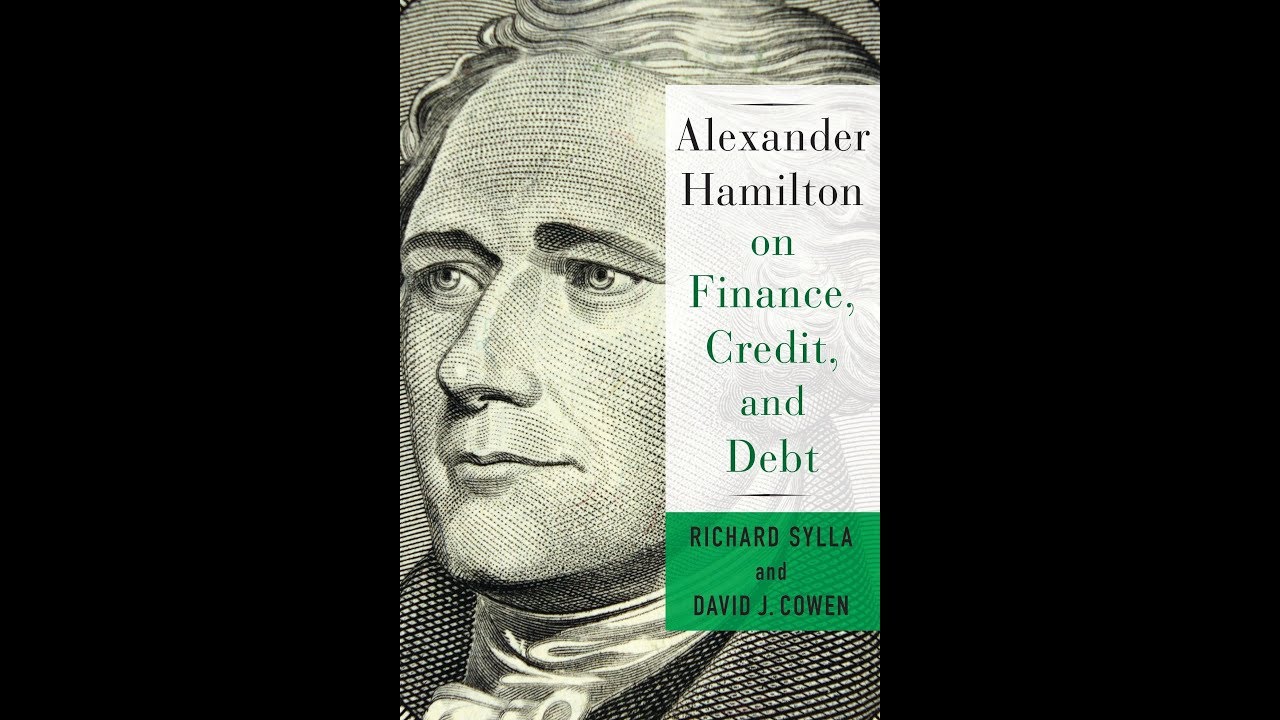
Richard Sylla discusses Alexander Hamilton's financial policies and their lasting influence on the modern economic system during a lecture at the National Archives.
Clara Lemlich was arrested 17 times while leading the Uprising of the 20,000, demanding better working conditions for garment workers in 1909.
In the 1920s, women began drinking together in illegal speakeasies, marking a shift in social norms during Prohibition.
More than 130 years ago, William Cobbett stated that the right to vote is the foundation of all other rights in a democratic society.
Women's suffrage in the early 20th century catalyzed the establishment of the American Welfare State, facing considerable resistance along the way.