From over 100,000 films, discover the handful you'll love.
Free or premium access to the world's largest documentary library.
39 films
In the past 60 years, volcanic eruptions have killed at least 27 scientists while they studied these powerful natural events.
Between 50 and 60 volcanoes erupt each year, with 20 actively erupting at any given moment, posing risks to nearby communities and ecosystems.
About 1,000 cone-shaped houses carved from volcanic rock make up the village of Kandovan, which has been inhabited for nearly 1,500 years.
Between 50 and 60 volcanoes erupt each year, with 20 active at any given moment, posing risks to nearby communities and ecosystems.
At least 10,000 aircraft would be needed to inject sulfur particles into the stratosphere every two years to reflect sunlight and cool the planet.
Yellowstone National Park, home to the world's largest volcanic system, experienced a catastrophic eruption 6,000 years ago that covered 3,000 square miles in ash and lava.
A gigantic crater over 180 km in diameter lies beneath the Gulf of Mexico, marking the site of the asteroid impact that caused the extinction of the dinosaurs.
In 1906, San Francisco experienced a catastrophic earthquake that reshaped the city and highlighted the vulnerabilities of urban infrastructure.
Mass extinctions throughout Earth's history, including the asteroid impact that killed the dinosaurs, highlight the planet's vulnerability to catastrophic events.
Masaya volcano has been active for over 30,000 years and is preparing for its first major eruption in more than 200 years.
Geological disasters, including heat waves in New Delhi and landslides, can cause significant casualties and suffering, rivaling more catastrophic events like earthquakes and volcanoes.
Mount Kilauea has been erupting continuously for years, ejecting as much as 650,000 cubic yards of lava each day, posing a constant threat to nearby communities.
Fiji faces frequent tropical cyclones, with the last category 5 storm recorded as the most violent in the country's history, threatening its vulnerable communities.
A 25,000-mile arc of tectonic activity stretches from the glaciers of Alaska to the deserts of Chile, shaping the Earth's surface through earthquakes and volcanic eruptions.
Natural disasters such as tsunamis, volcanic eruptions, and forest fires are interconnected phenomena that act as climate regulators, revealing a complex natural world.
Since 1996, thousands of dinosaur fossils unearthed in China have revealed that many species were covered in feathers and some could fly.
Abrupt climate change could lead to catastrophic winters in North America and parts of Europe, raising concerns among experts about a potential "big chill."
Yellowstone has experienced three super eruptions, with the largest releasing thousands of cubic kilometers of material over the past 2.1 million years.
Chernobyl's radioactive fallout has caused an estimated 200,000 deaths across Russia, Belarus, and Ukraine since the disaster in 1986.
Over 100 major tsunamis have struck in the past century, killing hundreds of thousands and causing billions in damages.
A Category 3 hurricane striking New York City would result in catastrophic storm surges and intense winds impacting one of the world's most densely populated areas.
In 2026, scientists assess the potential threat of a catastrophic asteroid impact on Earth, similar to the event that led to the extinction of the dinosaurs.
An eruption from Yellowstone released an estimated 1,000 cubic kilometers of ash and rock, far surpassing the output of Mount St Helens and Mount Pinatubo.
The formation of the solar system, the challenges of landing on Mars, and Earth's catastrophic events are explored in this comprehensive marathon.
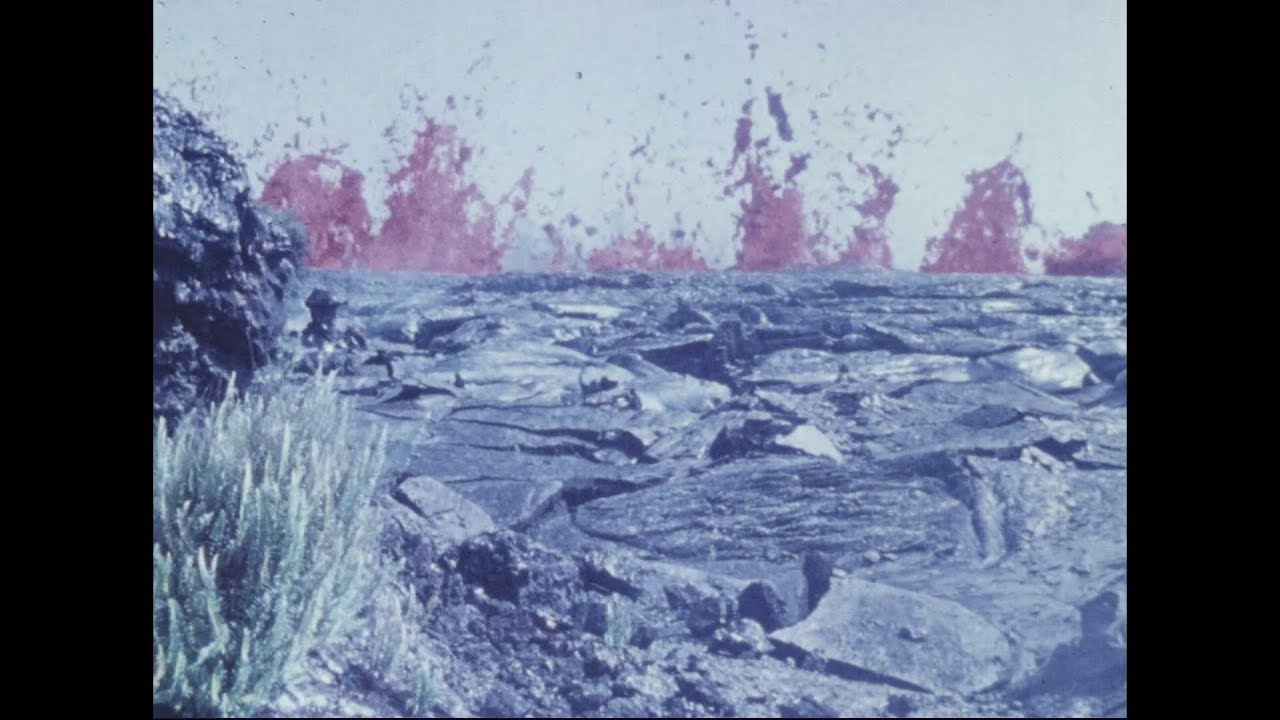
Hawaii Volcanoes National Park showcases the 1979 eruption of Pauahi Crater, highlighting the geological activity of Kilauea and Mauna Loa.
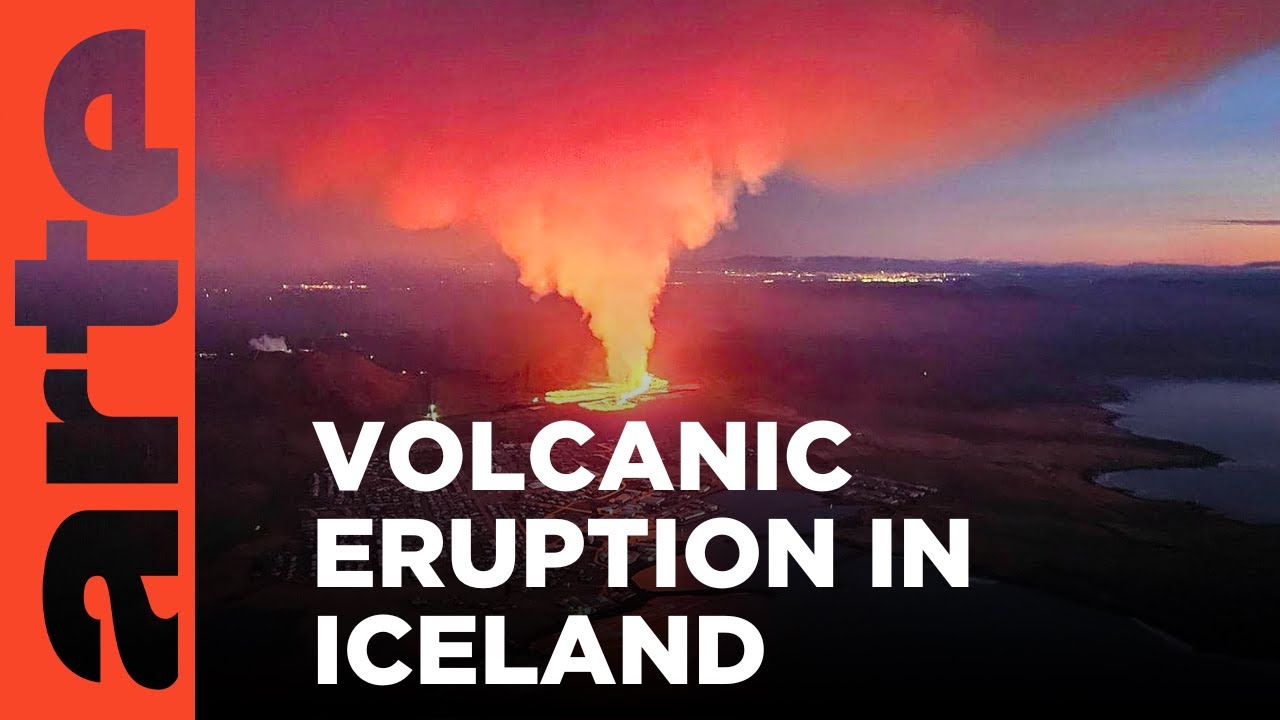
Grindavik, a town in southern Iceland, faces ongoing challenges as residents choose to remain despite the dangers posed by six volcanic eruptions and government evacuation orders.
An asteroid the size of Mount Everest struck Earth 65 million years ago, causing the extinction of 70% of all species, including the dinosaurs.
99% of all species that have ever lived are now extinct, wiped out by global catastrophes that continue to threaten humanity today.
99% of all species that ever existed have been wiped out in a series of global catastrophes that nearly stopped evolution on Earth.
In February 2011, a powerful earthquake struck Christchurch, causing widespread destruction and significant loss of life in the city.
650 million years ago, Earth experienced a deep freeze that encased the planet in ice, pushing life to the brink of extinction.
A colossal amount of magma released from volcanic eruptions created a deadly chemical cocktail that affected the entire planet.
In 2021, scientists from Harvard planned a test flight of a balloon over Sami territory to research solar geoengineering's potential effects.
A giant fossilized footprint from a crocodile relative, dating back 230 million years, provides clues to New York City's geological history.
Loch Ness is 23 miles long and over 700 feet deep, shaped by volcanic activity and geological movements over millions of years.
The January 2024 volcanic eruption in Iceland threatened Grindavik, prompting journalists and the public to capture the event while examining volcanic risks.
NASA's Operation IceBridge has flown over Greenland more than 100 times since 2009, collecting data to create a 3D map of the ice sheet's age.
A team of scientists and drone pilots embarks on a ten-mile round trip across treacherous terrain to study the melting of Vatnajökull glacier.
Chicago's reputation as the "Windy City" leads to a dangerous misconception that tornadoes cannot strike its downtown area filled with skyscrapers.