From over 100,000 films, discover the handful you'll love.
Free or premium access to the world's largest documentary library.
26 films
In 1836, astronomer Franz von Gruithuisen proposed that wildfires on Venus were ignited by its inhabitants, despite the planet having no moons.
An airship up to 130 meters in length could sail the turbulent upper winds of Venus, offering a potential habitat for future human settlers.
Venus's double-eyed vortex measures 1,800 meters wide, featuring hurricanes that whirl around each other in its turbulent atmosphere.
NASA's Cassini spacecraft detected water vapor above Enceladus' South Pole during its 2005 flyby, revealing unique geological activity on the moon.
Voyager 1 has left the influence of the solar wind and is heading for interstellar space after more than 40 years in operation.
Venus's surface reaches temperatures of 900 degrees Fahrenheit, making it inhospitable and resembling a furnace rather than a potential home for life.
Mariner 2 successfully transmitted data from Venus after 100 days in deep space, marking a significant achievement in early interplanetary exploration.
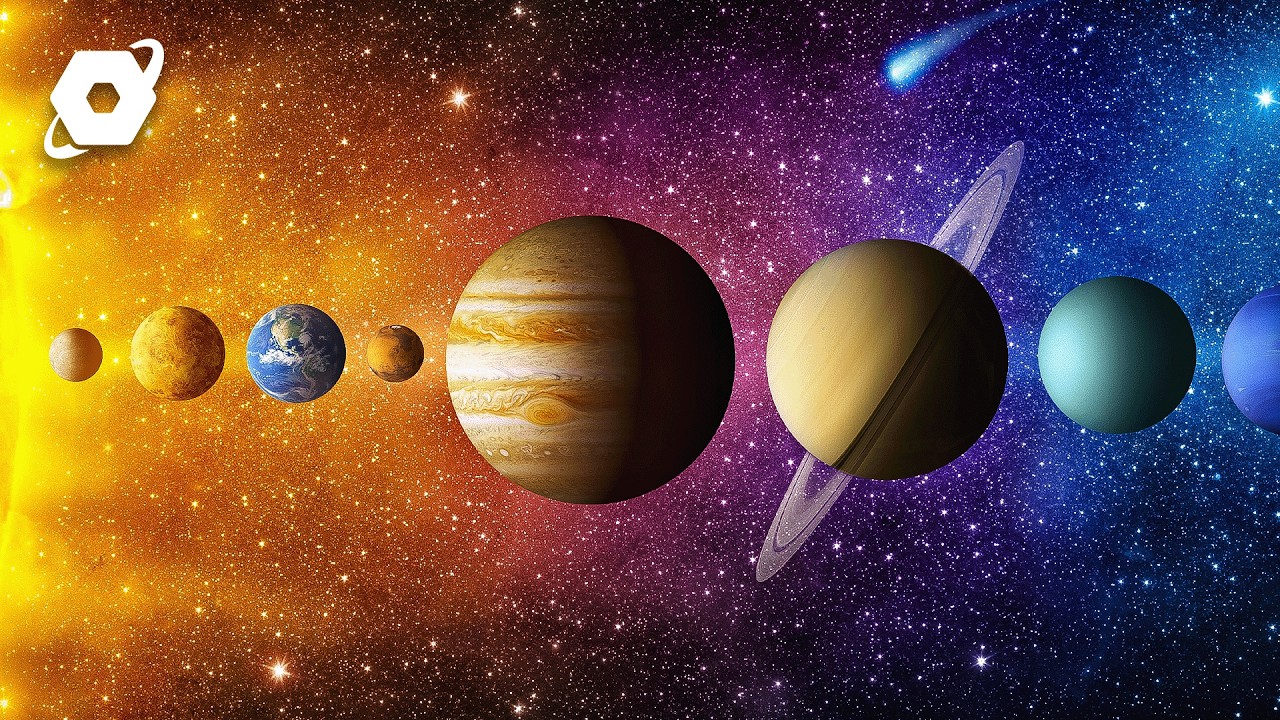
Mercury, Venus, and Mars are examined for their unique characteristics and the insights they provide into the formation of the Solar System and potential off-world colonies.
Venus has a surface temperature of 900°F, making it one of the most hostile environments in the solar system, raising concerns about Earth's future.
By the end of the century, sea levels are expected to rise as much as one meter, threatening coastlines around the world.
Venus's double-eyed vortex measures 1,800 miles wide and features hurricanes that whirl around each other, raising questions about the potential for life on other planets.
4.7 billion years ago, a tumultuous event led to the formation of the inner solar system's planets, including Mercury, Venus, Earth, and Mars.
Only two probes have been sent to investigate Mercury, with the first close-up imagery coming from the US probe Mariner 10 in 1974.
NASA's Kepler space telescope focuses on 150,000 stars in the Milky Way to detect Earth-like exoplanets by measuring light dimming during planetary transits.
Venus once had a similar climate to Earth but is now a hostile environment.
Solar Orbiter has traveled over two and a half billion kilometers since its launch in 2020, studying the sun's atmosphere and solar winds.
Imran Khan is shot at a rally in Islamabad, demanding snap elections after his ousting.
In the clouds of Venus, researchers explore the possibility of life-forms thriving in the planet's upper atmosphere, utilizing findings from extreme Earth environments.
NASA's Kepler space telescope detected two planets orbiting Kepler-62, located 1,200 light-years from Earth, that may hold water and support life.
Light pollution in New York City obscures the beauty of planets like Saturn and Jupiter.
By the end of the century, sea levels are expected to rise as much as 1 meter, inundating coastlines around the world.
This episode discusses why Venus spins backwards and its unique characteristics.
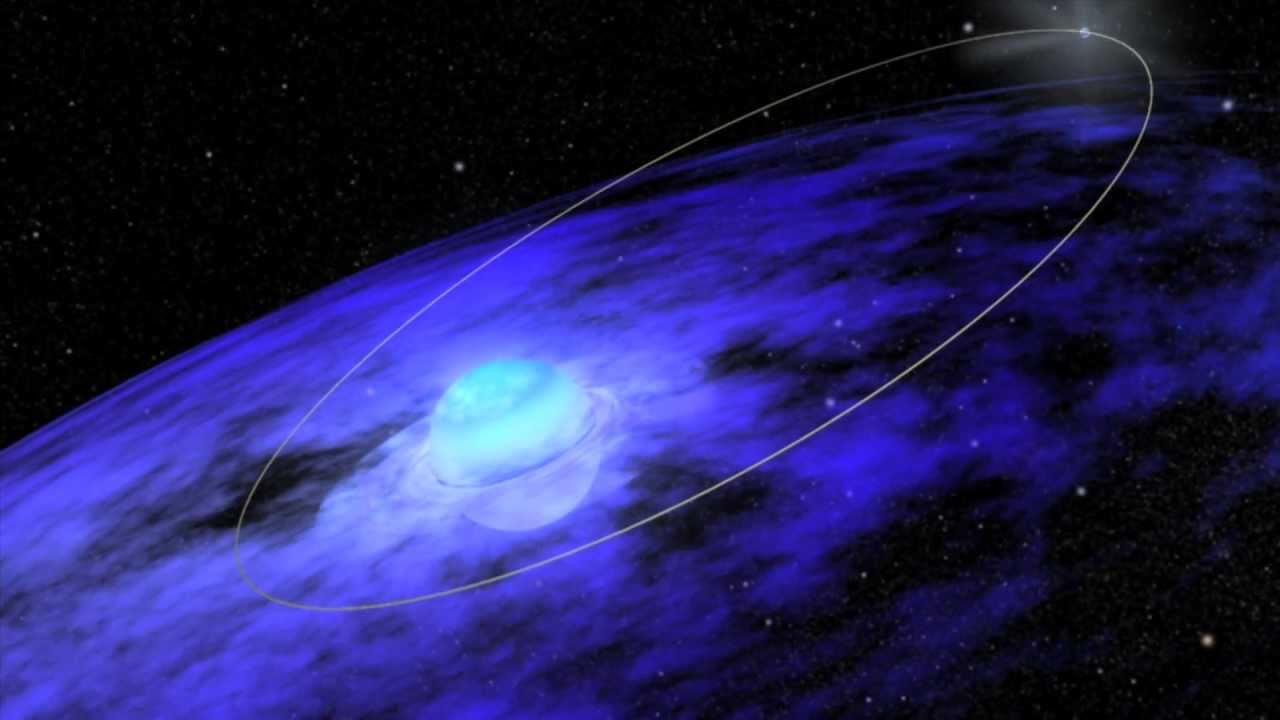
A unique star system in Crux generates gamma rays during close encounters every 3.4 years.
Watch how engineers develop probes to explore Venus' extreme conditions and gather data.
Venus has a surface temperature hot enough to melt lead, illustrating the extreme consequences of a runaway greenhouse effect.
NASA's Cassini spacecraft detected jets of water vapor spewing from the south pole of Enceladus, a moon of Saturn, in November 2005.