From over 100,000 films, discover the handful you'll love.
Free or premium access to the world's largest documentary library.
34 films
Over 5,000 artifacts were found in Tutankhamun's tomb, including a coffin made of more than 200 pounds of solid gold.
5,398 objects from Tutankhamun's tomb are reunited for the first time in a new $1 billion museum, revealing insights into the pharaoh's life and legacy.
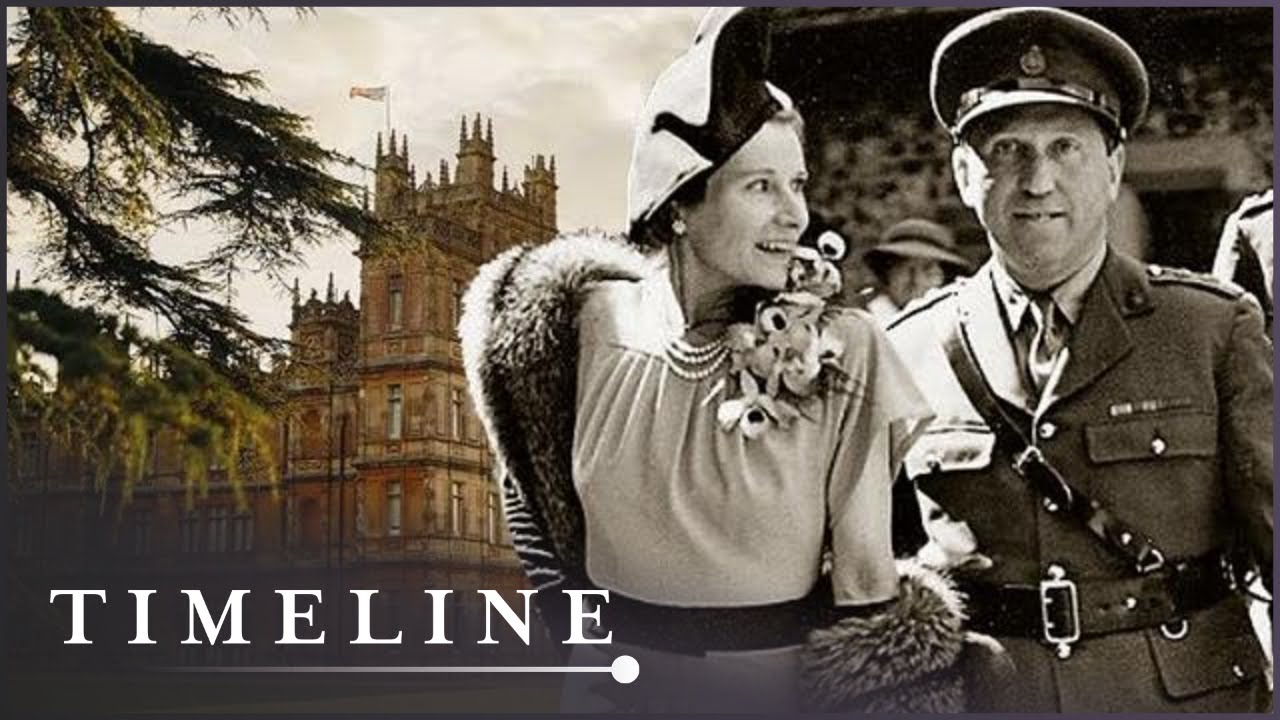
A 6,000-acre estate in Hampshire requires the current Lord Carnarvon to find one million pounds each year to maintain Highclere Castle.
A team of experts reconstructs two replicas of ancient Egyptian chariots to test their effectiveness in warfare during the New Kingdom era.
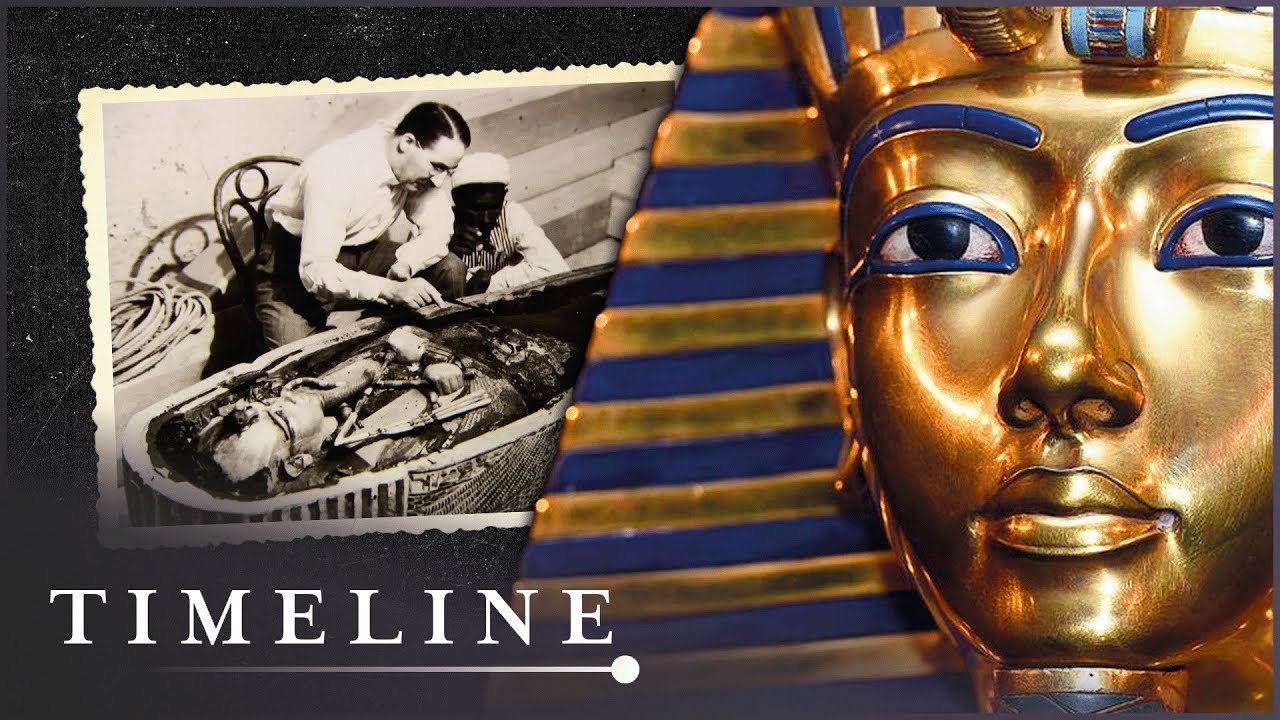
Crafted from 22 pounds of gold, Tutankhamun's death mask has sparked debate over whether it was originally made for him or for Queen Nefertiti.
Five thousand treasures belonging to Pharaoh Tutankhamun will be housed in Cairo's new $1 billion museum for the first time in 100 years.
Tutankhamun's burial was a rush job, with evidence suggesting that powerful factions competed for the throne immediately following his unexpected death in 1323 BC.
More than 100 tombs have been uncovered in the necropolis at Taposiris Magna, revealing clues about life in ancient Alexandria.
Ancient Egypt has been studied for almost 4,000 years, beginning with the Egyptians themselves and later by Greek, Roman, and Arab scholars.
Tutankhamun died around 1324 BCE after only a decade on the throne, and his tomb contained lavish gold and grave goods.
Tutankhamun was born in the late 1340s BC and became pharaoh during a time of significant religious and political upheaval in ancient Egypt.
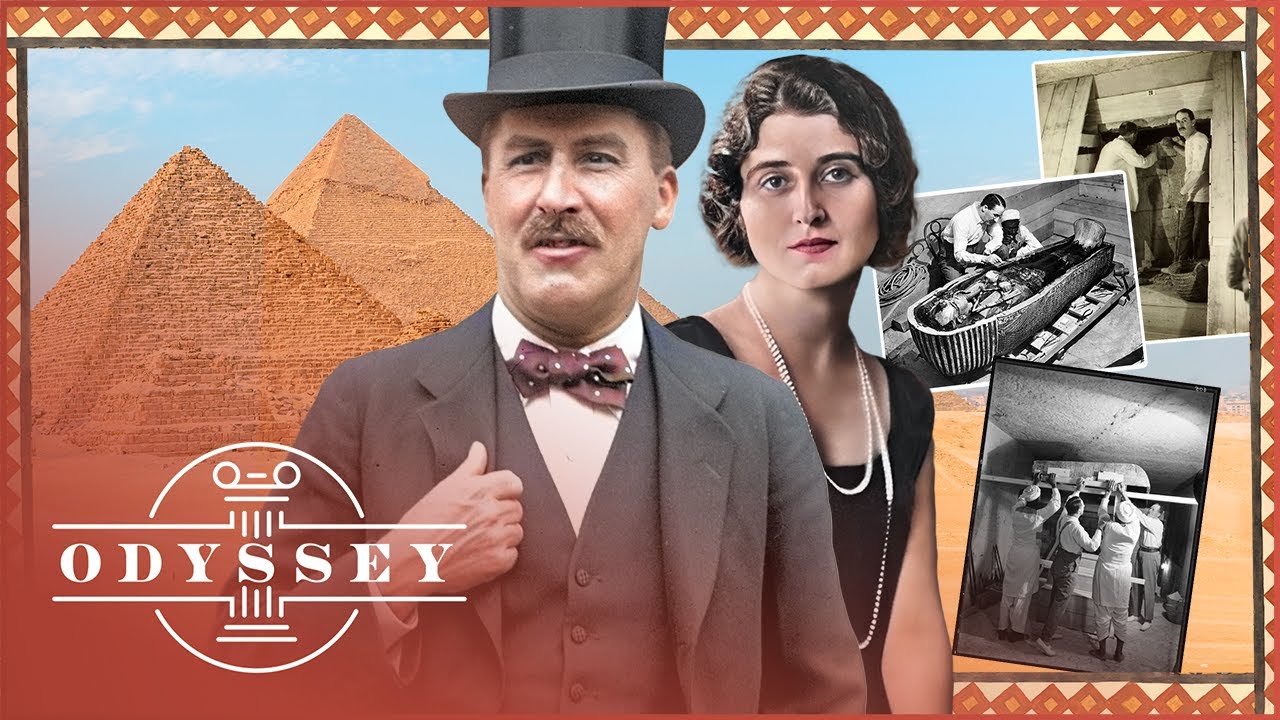
Howard Carter, aided by the Earl of Carnarvon, discovered Tutankhamun's tomb in the Valley of the Kings in 1922, uncovering its famous golden mask.
Over 4,000 miles of the Nile River shaped the civilization of ancient Egypt, influencing agriculture and culture for thousands of years.
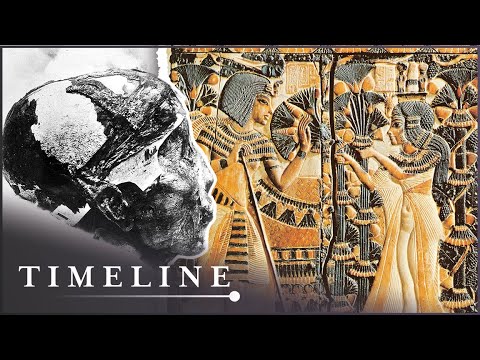
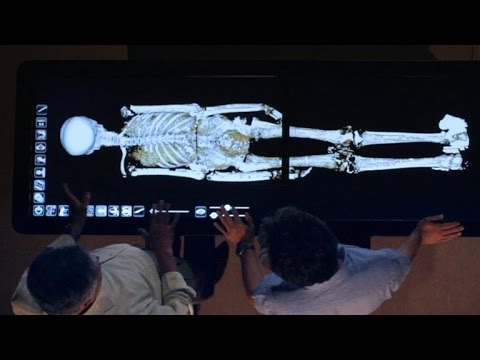
Tutankhamun's lineage is examined through modern scientific techniques, revealing the incestuous relationship of his parents and insights into ancient Egypt's culture.
Harry Burton captures Howard Carter's Tutankhamun excavation, making history in photography.
5,398 objects from Tutankhamun's tomb will be displayed together for the first time in a new $1-billion museum, revealing secrets of the young pharaoh's life.
Dan Snow and team retrace the final 100 days of Tutankhamun's life in ancient Egypt.
On December 4, 1970, Bruce Gernon and his father encountered a strange cloud while flying from Andros Island in the Bahamas to Palm Beach, Florida.
Archaeologists Miriam Cooke and Dominic Montserrat explore ancient Egyptian mysteries, including pyramid construction, Pharaoh Akhenaten's reforms, and Tutankhamun's treasures.
Seventeen people connected to the discovery of Tutankhamun's tomb died under mysterious circumstances, fueling rumors of a pharaoh's curse.
Dan Snow and team reveal the daily life of Tutankhamun in ancient Egypt's final days.
Thirteen unarmed civilians were killed by British paratroopers during a protest in Northern Ireland on January 30, 1972, known as Bloody Sunday.
Tutankhamun's mask, nearly 3,500 years old, may contain erased hieroglyphics that could reveal the name of its original owner.
Ancient myths and legends, including the Beast of Gévaudan, werewolves, Pharaoh's Curse, and the lost city of Atlantis, are examined through modern archaeological and scientific perspectives.
A 3,000-year-old baboon mummy may help locate the mythical Land of Punt, once thought to be a mere legend in ancient Egyptian history.
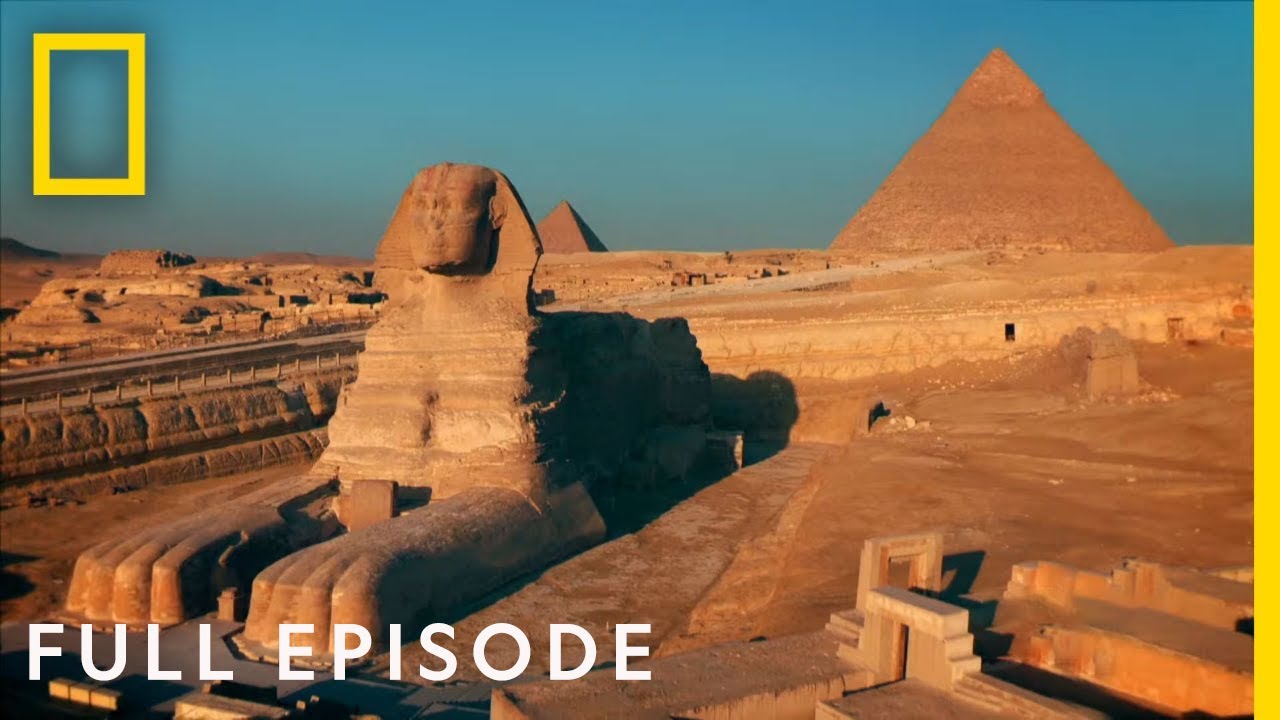
The Great Sphinx at Giza is the oldest and largest colossal statue from ancient Egypt, yet its purpose and meaning remain largely unknown.
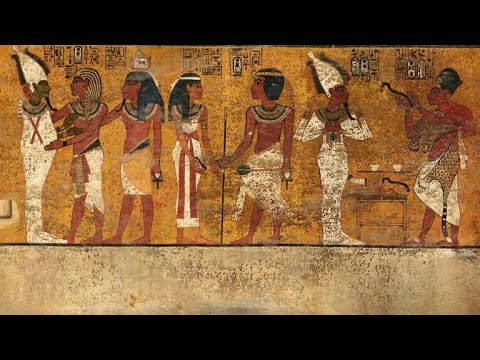
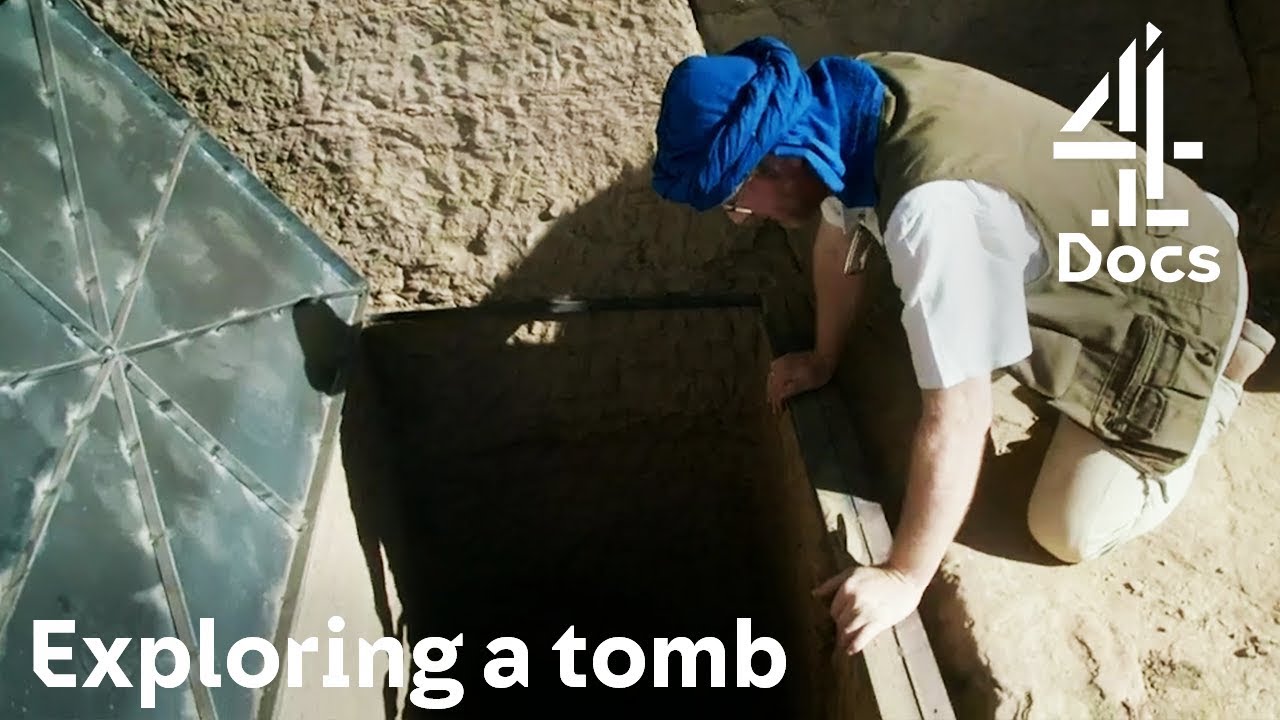
Conservation experts recently use cutting-edge technology to scan King Tut's tomb for hidden features.
A 4,000-year-old mummy named Shamai is removed from his coffin, revealing new insights into ancient Egyptian family power dynamics.
More than 3,000 metric tons of gold are mined each year, with a third of that total coming from China, Russia, and Australia.
Tutankhamun's life and afterlife reflect his vital role in ancient Egyptian religion, particularly in ensuring the sun god Ra's daily rise.
Many believe that King Tut was murdered, revealing new insights into his death and health.
Archaeologists have made claims about Tutankhamun's tomb and its burial goods' origins.
An ancient Egyptian army fell sick when beer ran out, forcing them to drink water instead.
Experts examined DNA from royal mummies to clarify Tutankhamun's family tree.