From over 100,000 films, discover the handful you'll love.
Free or premium access to the world's largest documentary library.
40 films
Yuval Noah Harari and Mustafa Suleiman discuss AI's future and its impact on Humanity.
Some fear that identity politics may threaten the rights of others in society today.
Transgender athletes may take part in the Olympic Games, raising fairness and inclusion debates.
Bassem Youssef discusses political satire's role in democracy on Egypt's Arab Spring anniversary.
Britain's Labour Party supports a second referendum on leaving the EU, raising key questions.
America spends $40 billion annually on a zero tolerance drug policy with little success.
Congo battles another Ebola outbreak, claiming 400 lives with no effective treatment available.
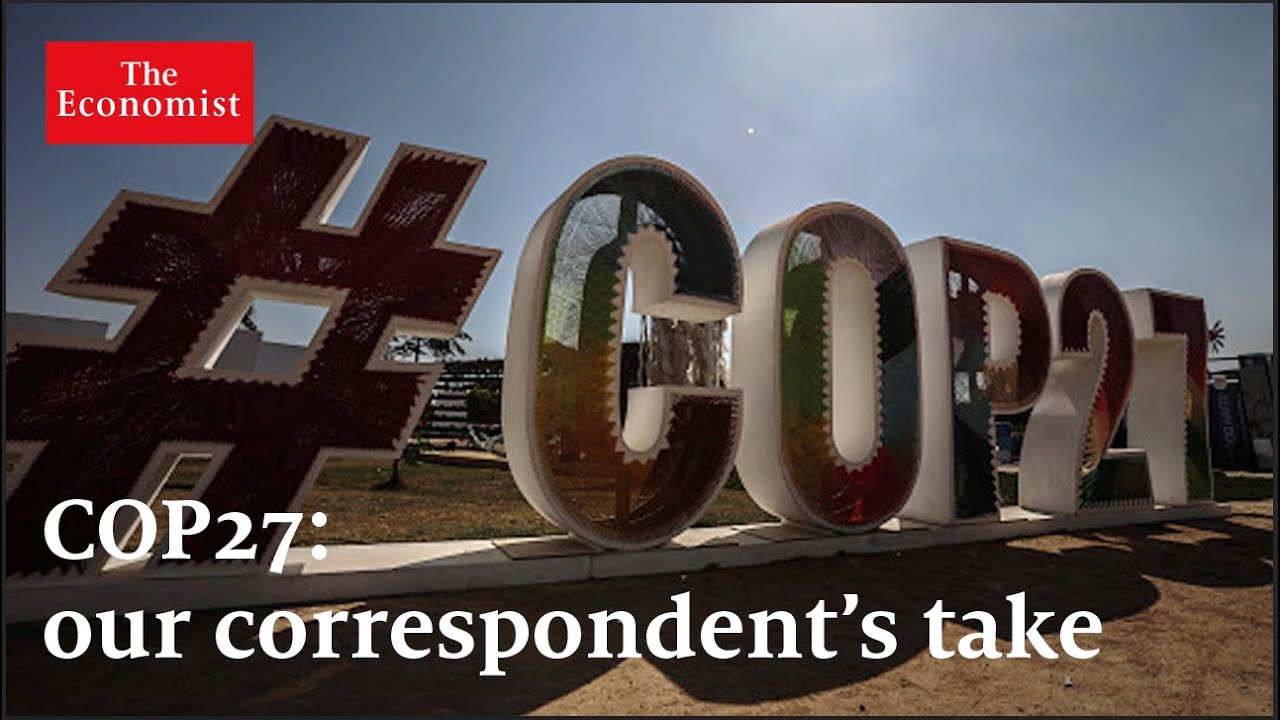
Catherine Bayik discusses COP27 outcomes in Charnel Shake, Egypt, highlighting key wins and losses.
Covid-19 is one of the most virulent and disruptive viruses to have ever existed, with millions more deaths than reported.
The Economist discusses the potential second wave of Covid-19 with Zanny Minton Beddoes and Slava Chang.
Daily Watch features a series of short films from The Economist that explore a range of topics, enhancing engagement with current events and insightful narratives.
Joe Biden currently has a strong chance of winning the presidency in the 2020 election.
Generative AI transforms technology with tools used by millions, discussed by The Economist's experts.
Emma Hogan discusses the economic impact of migrants from the EU into Britian.
A hoax call about an active shooter at Aspen Elementary School triggers a police response.
Many dream of home ownership, but policies promoting it may harm the economy significantly.
Tom Wainwright discusses Parliament's rejection of Theresa May's Brexit plan and its implications.
Emoticon diplomacy humorously depicts how Europeans view each other through animated infographics.
Robert Guest discusses how Western Muslims are becoming more liberal amid Islamist tensions.
In Japan, people live beyond 84 years, while in Lesotho, life expectancy is just 53 years.
Portugal's innovative drug policies, including the incineration of four tons of narcotics monthly, contrast with Colorado's regulatory strategies in addressing drug-related issues.
Climate change calculations rely on scientific data and models that assess the impact of human activity and natural processes on global temperatures.
Kim Jong Un celebrates his birthday today while discussing non-violent actions against dictators.
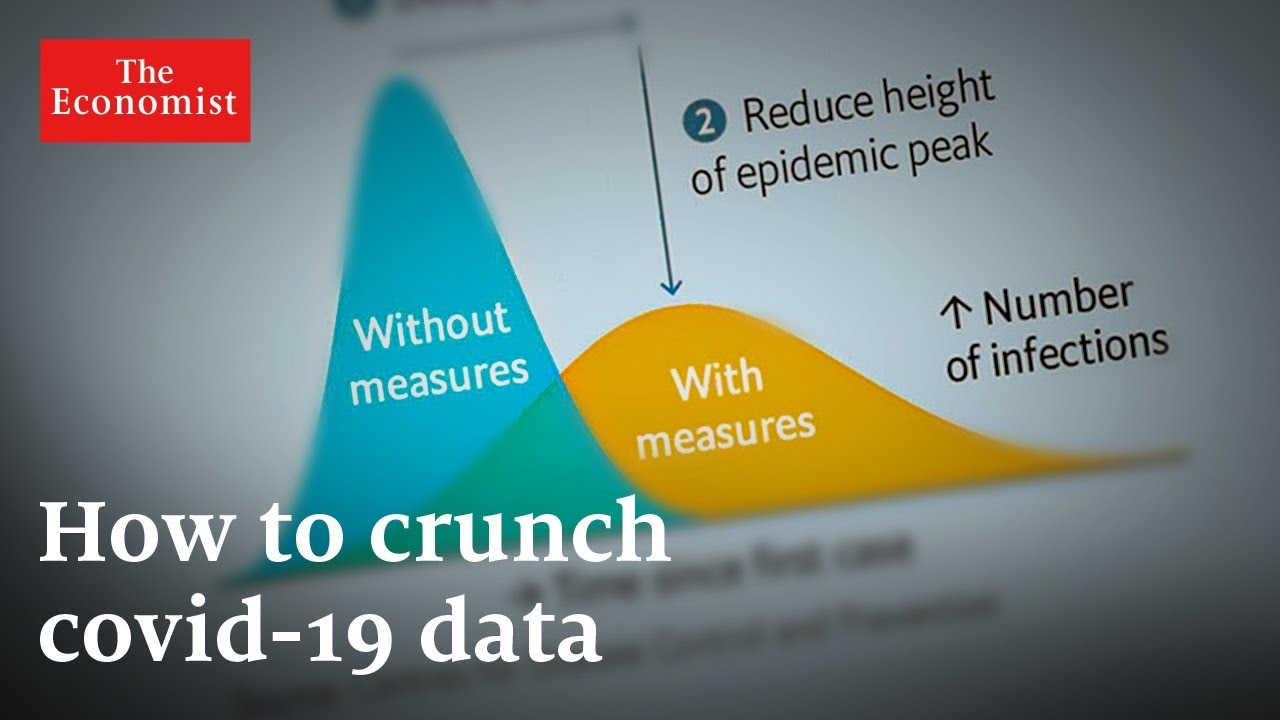
Data analysis has become essential in tracking the COVID-19 pandemic, as demonstrated by James French's use of Google Maps to monitor foot traffic in cities like Rome and New York.
Quantum computing may crack encrypted networks and solve global challenges, says The Economist.
Ireland votes on May 25th to potentially repeal its abortion ban, including cases of rape.
NASA and private companies aim to send astronauts to Mars despite daunting challenges.
Tarana Burke reflects on the critical moment of the global MeToo movement one year later.
Lane Greene from The Economist highlights sexism in language and its societal impact.
Matt Steinglass discusses the Netherlands' potential recognition of three-parent families.
The video discusses the need for taxation to support public services amid an aging population.
Human activity disrupts Earth's carbon balance, prompting urgent climate change solutions.
Humankind faces climate change and AI threats, illustrated in a cartoon for The Economist.
Lane Greene from The Economist discusses the nature of lies and human deception.
Sandra from The Economist uses satellite data to track military activity in Ukraine amid Russia's invasion.
Karl Marx remains surprisingly relevant, predicting capitalism's pitfalls and flawed solutions.
Facebook's privacy issues may lead to its replacement by new technology.
Political inaction on climate change is examined through the lens of global institutions and the challenges faced by both developed and developing nations.
St Patrick's Day is celebrated by 149 million people in America alone as a global event.
In Saudi Arabia, Zanny Minton Beddoes assesses the implications of the kingdom's social revolution on women's rights and societal norms during a road trip around Riyadh.