From over 100,000 films, discover the handful you'll love.
Free or premium access to the world's largest documentary library.
24 films
More than 120 mountains in the Alps rise over 13,000 feet, surrounding deep lakes that host unique ecosystems and hidden aquatic life.
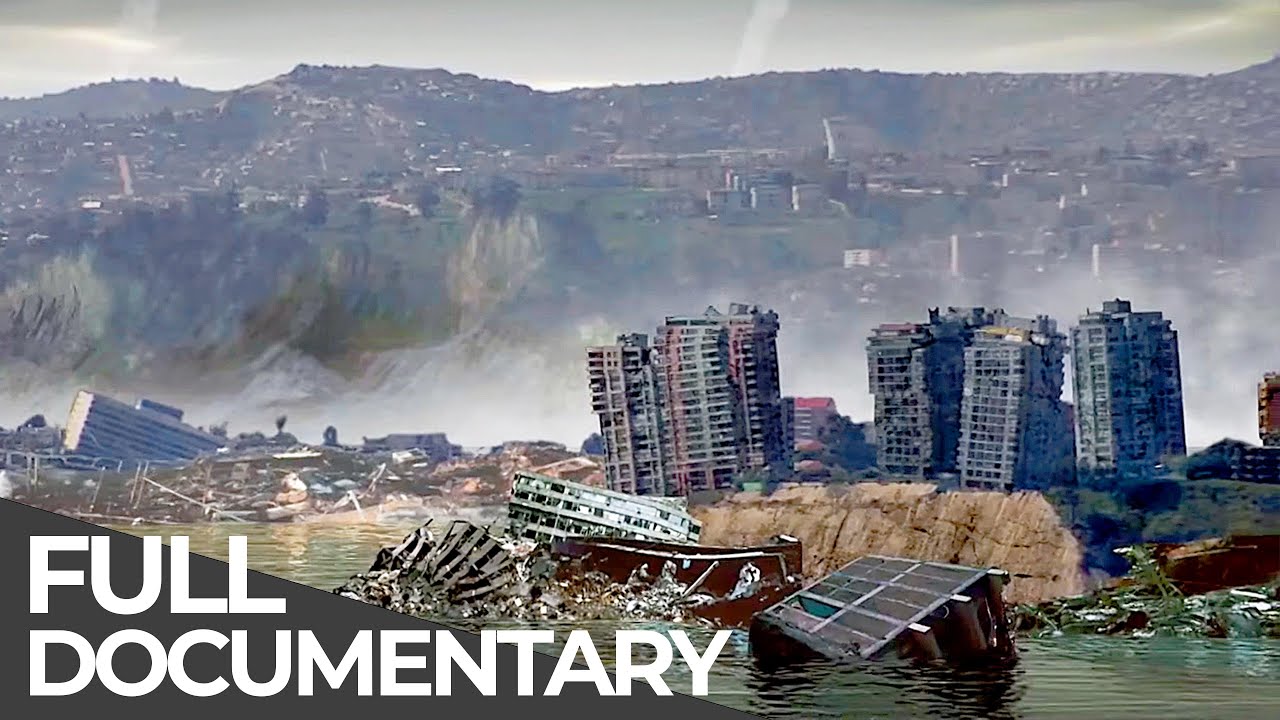
An earthquake of magnitude 8 or higher releases as much energy as a billion tons of TNT, threatening millions living near major fault lines.
In the past 60 years, volcanic eruptions have killed at least 27 scientists while they studied these powerful natural events.
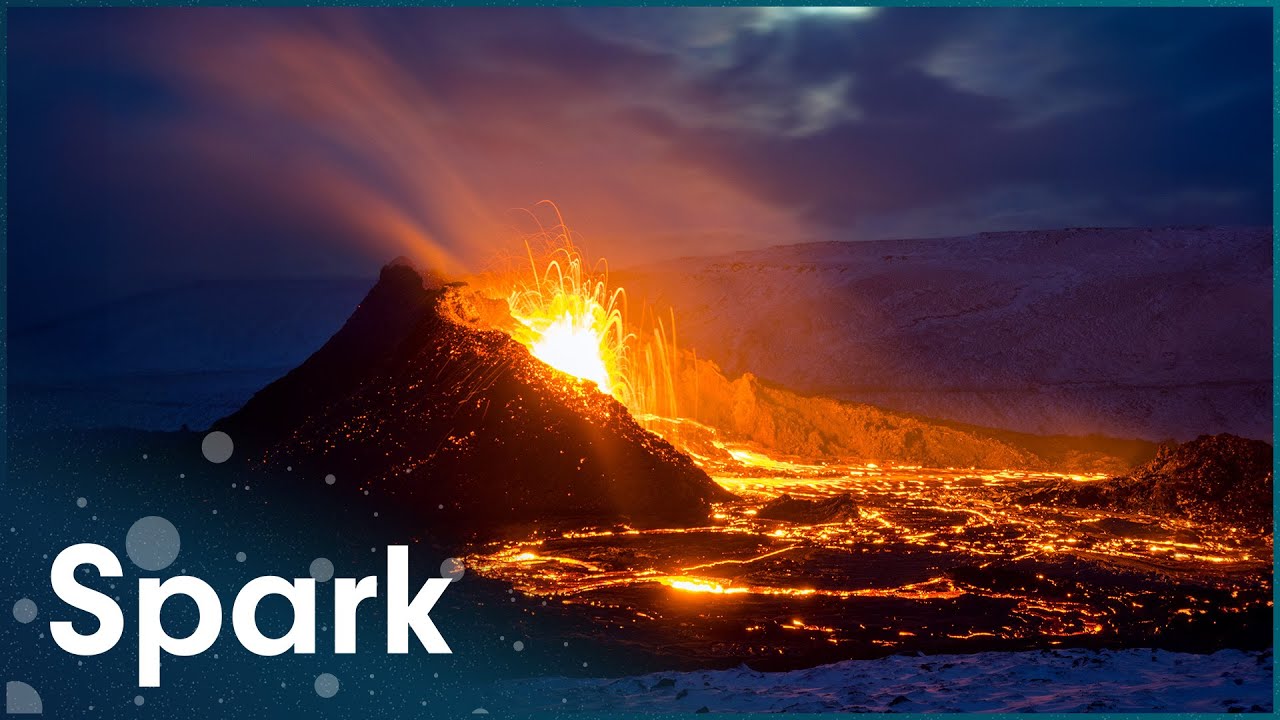
Between 50 and 60 volcanoes erupt each year, with 20 active at any given moment, posing risks to nearby communities and ecosystems.
An earthquake of magnitude 8 or higher releases as much energy as a billion tons of TNT, posing a significant threat to densely populated cities.
More than 1 million people died in earthquakes over the last century, with predictions suggesting that number could increase tenfold in the next century.
At least 14 active volcanoes are found in Katmai, more than any other national park in the United States.
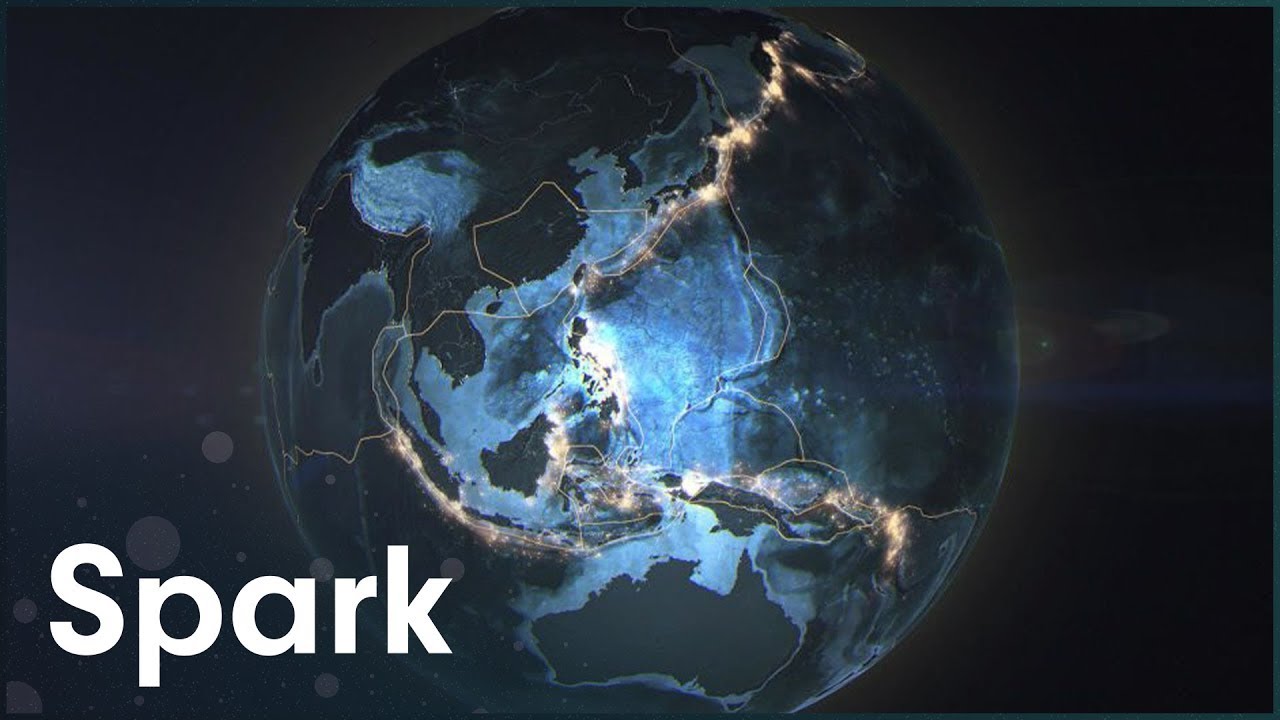
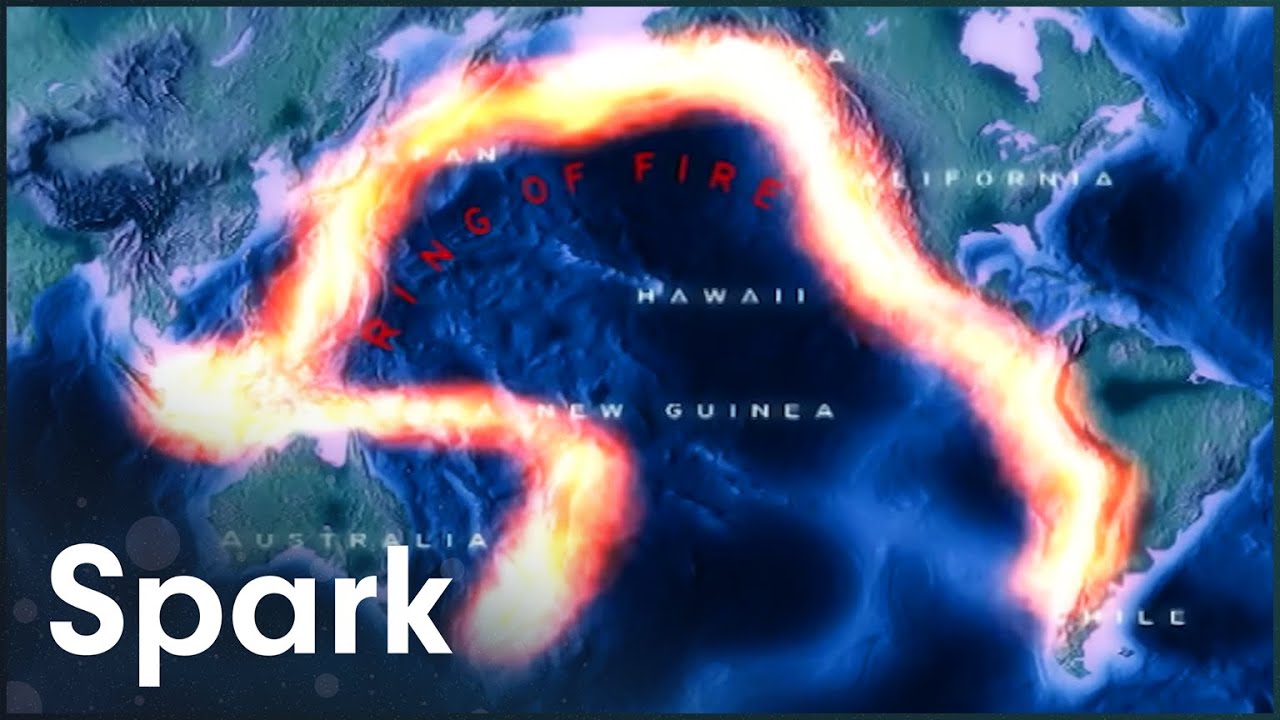
The Pacific Ring of Fire, home to half of the world's active volcanoes and 90% of earthquakes, poses significant risks to nearly 800 million residents.
300 people died in the 2009 earthquake that devastated the medieval city of L'Aquila in Italy, leaving 60,000 homeless.
A 25,000-mile arc of tectonic activity stretches from the glaciers of Alaska to the deserts of Chile, shaping the Earth's surface through earthquakes and volcanic eruptions.
Chernobyl's radioactive fallout has caused an estimated 200,000 deaths across Russia, Belarus, and Ukraine since the disaster in 1986.
Ancient geological formations and tectonic activity reveal the complex history of the Grand Canyon, challenging existing theories on its formation and evolution.
More than half of the world's population now lives in cities, placing hundreds of millions within striking distance of a major earthquake.
Seismic activity along the Pacific Ring of Fire reveals the mechanics of tectonic plates and the devastating effects of earthquakes, including the 9.5 magnitude quake in Chile.
Iceland's volcanic landscape, shaped by tectonic activity and a deep-mantle hotspot, features 30 active volcanoes, including the impactful Eyjafjallajökull eruption of 2010.
California's San Andreas Fault, a 1,300 km seismic zone, poses a 70% risk of a major earthquake by 2032, prompting extensive research and community preparedness efforts.
A mile-deep chasm formed between Africa and Arabia created the Red Sea, which is home to diverse marine life and unique coral ecosystems.
Over 56,000 people died in the February 6, 2023 earthquakes that struck the Turkey-Syria border, raising questions about earthquake prediction capabilities.
Continental drift may lead to the formation of Amasia, a new supercontinent, as explored by leading geologists in this documentary.
A volcanic threat may be looming over an Australian city as the Pacific Ring of Fire remains one of the most powerful natural forces on the planet.
The Marianas Trench, the deepest subduction zone in the world, has not caused a devastating earthquake since records began in the 17th century.
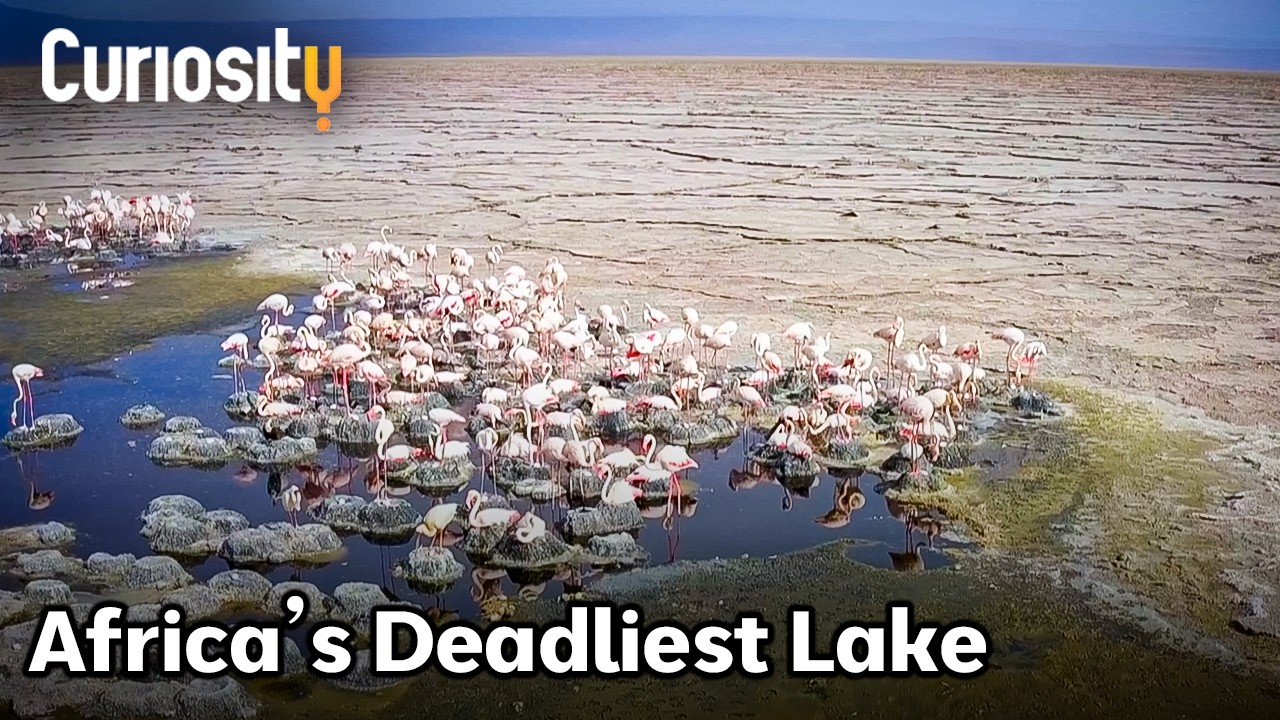
Lake Natron covers an area of around 600 square miles and reaches temperatures of 42 degrees Celsius, creating a hostile environment for most life forms.
200 miles west of the Mariana Trench, a chain of volcanoes mirrors the trench's shape, revealing insights into the geological processes that formed it.
Iceland's tectonic plates move apart at about the same rate fingernails grow, causing the island to expand by an inch each year.