From over 100,000 films, discover the handful you'll love.
Free or premium access to the world's largest documentary library.
26 films
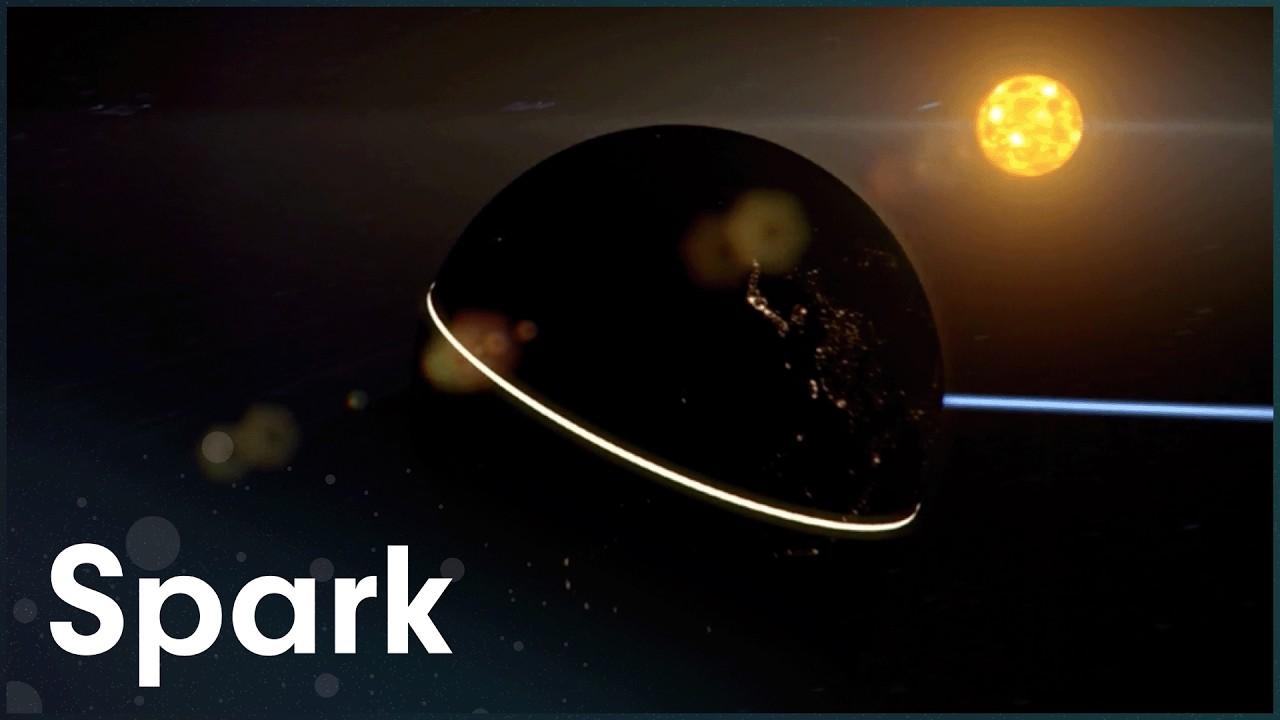
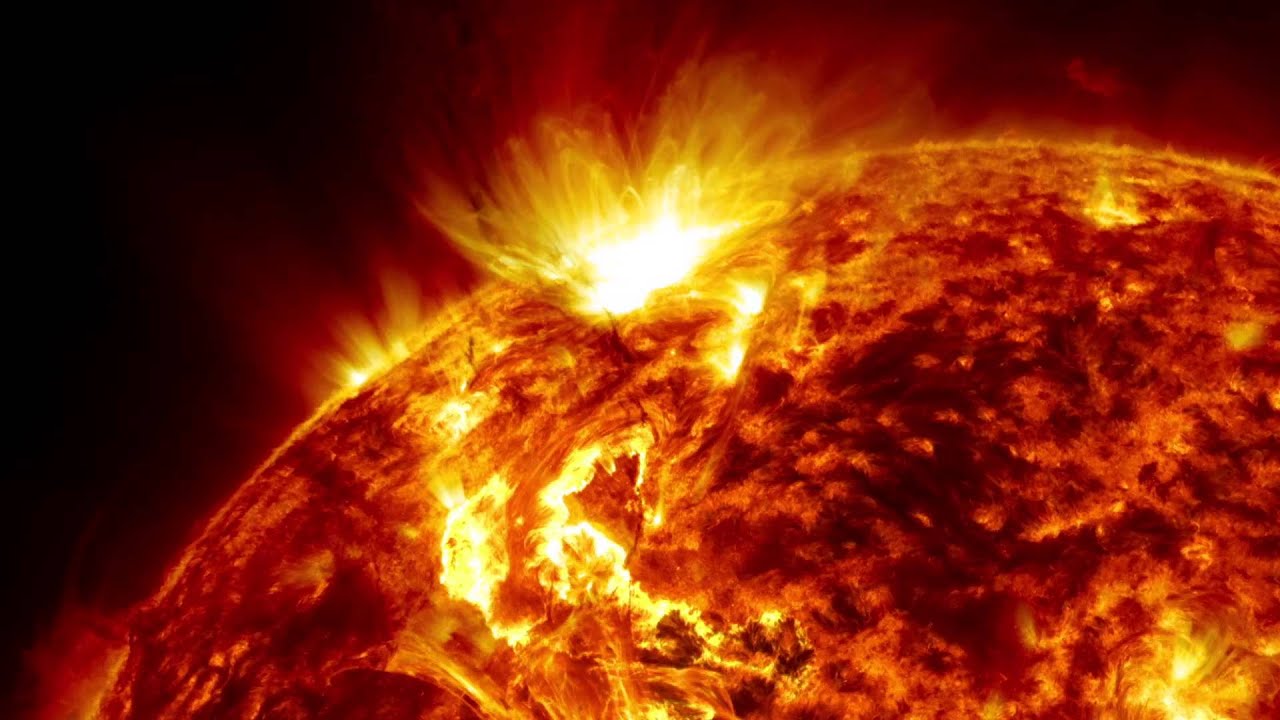
The Sun is presented as a dynamic sphere of plasma, highlighting its explosive nature and significant effects on the solar system in this HISTORY® Channel episode.
Eight astronauts with over 1,000 days in space discuss how Earth's shields protect life from the sun's harmful radiation.
Eclipse Chasers features leading eclipse scientists studying solar storms and their impact on Earth.
At the edge of the solar system, astronomers investigate unusual orbits of celestial bodies that may indicate the existence of a ninth planet.
Kate Humble and Dr Helen Czerski explore Earth's orbit around the sun from January to the March equinox, highlighting its environmental impacts.
From prehistoric ages to the digital era, humanity's quest to measure time has evolved through innovations like the marine chronometer by John Harrison and Einstein's theories.
NASA's Parker Solar Probe investigates unpredictable solar storms threatening our power supply.
Earth is almost 8,000 miles in diameter and moves at approximately 66,000 mph around the Sun, which is about 93 million miles away.
Earth is over 4.5 billion years old and moves at approximately 66,000 miles per hour around the sun, a star 93 million miles away.
The sun's colossal nuclear storms threaten Earth, disrupting technology and communications.
Professor Brian Cox witnesses a total solar eclipse in India and explores the sun's power.
Spain's changing policies threaten the future of solar energy in Europe's sunniest country.
Heat generated in the Sun's core races toward Earth as electrified plasma towers.
NASA’s Parker Probe Plus is exploring the Sun's outer atmosphere to enhance understanding of its power and the effects on Earth.
Scientists at Big Bear Solar Observatory determine the Sun's age as 4.57 billion years.
A total solar eclipse occurs approximately once every 18 months somewhere in the world, with the last coast-to-coast eclipse in the U.S. happening in 1918.
A lunar cycle lasts precisely 29 days, 12 hours, 44 minutes, and 2.8 seconds, complicating ancient efforts to create an accurate calendar.
Our sun, a G-type main sequence star, is shown to be calmer than other yellow dwarfs, revealing insights into its stability and characteristics.
NASA's supercomputer simulation analyzes plasma flows within the Sun to reveal how solar eruptions impact space weather.
Solar forecasters predict the Sun will reach its peak cycle in 2013 with exciting activity ahead.
NASA Heliophysics shows how the sun's magnetic fields interact at the solar system's edge.
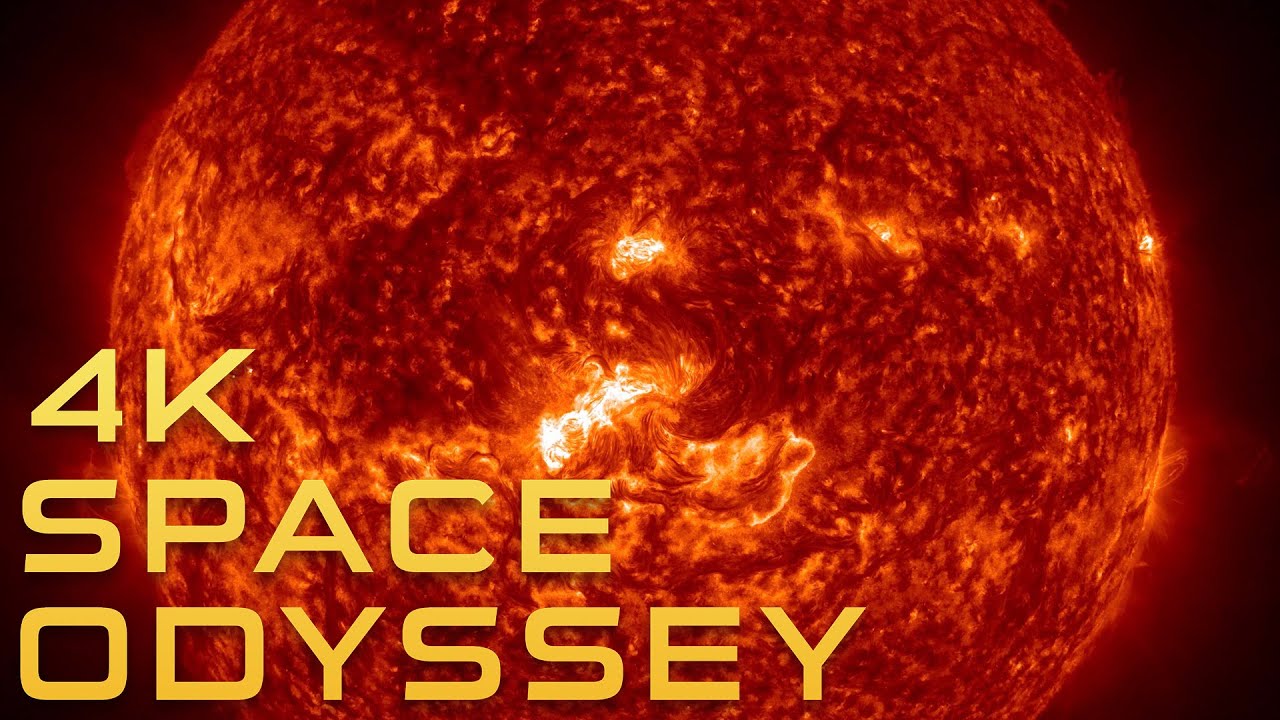
The sun has been a giant fusion engine for over four billion years, with plasma loops rising large enough to dwarf Earth.
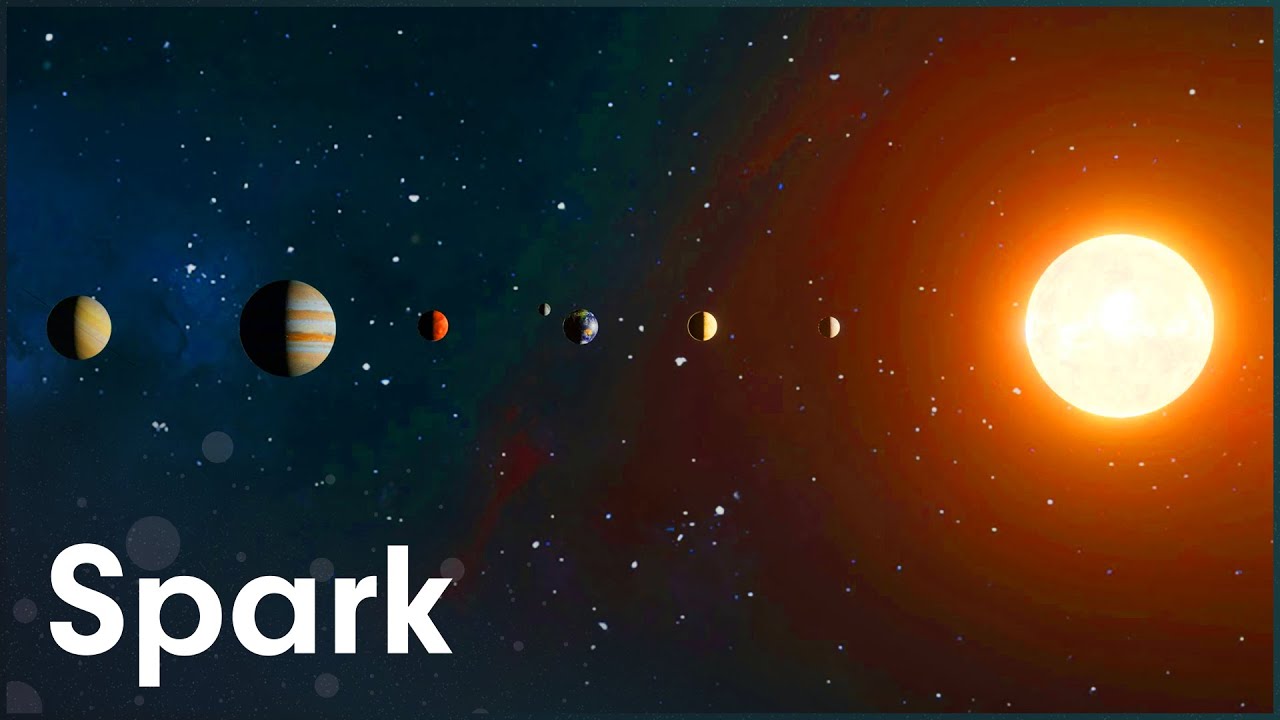
Earth and the Sun navigate the Milky Way together, showcasing their intricate relationship and the cosmic forces that shape their existence.
Humanity seeks to find the Sun's secrets, which could impact our survival.
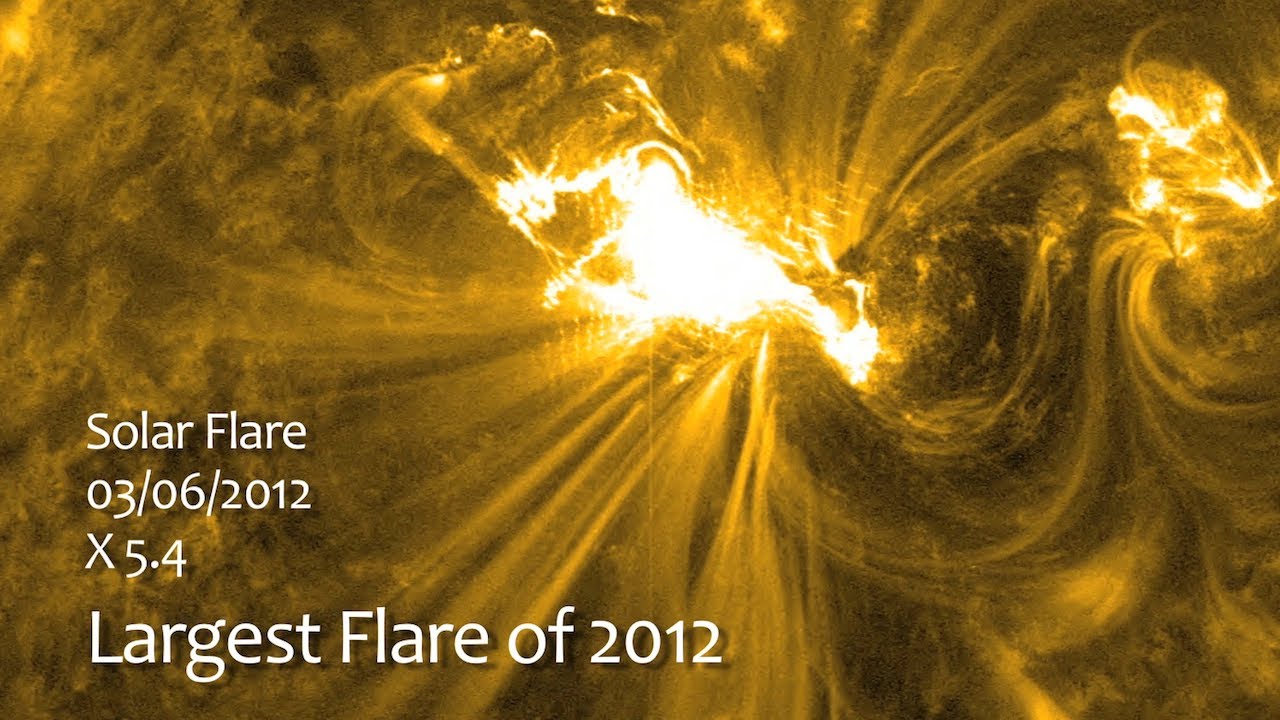
NASA's Solar Dynamics Observatory captures solar eruptions and dynamics in its fourth year.
Earth's abundance of water is believed to have originated from meteorites, space dust, and solar contributions, unlike the water scarcity found on Mercury, Venus, and Mars.