From over 100,000 films, discover the handful you'll love.
Free or premium access to the world's largest documentary library.
23 films
Earth has experienced five major extinction events, and experts discuss whether human activity is driving the planet toward a sixth mass extinction.
Early human species, including Australopithecus and Neanderthals, thrived for millions of years before extinction, leaving Homo sapiens as the sole survivors.
Fabiola Baeza-Tarin monitors the Florida Grasshopper Sparrow population, which dwindled to just over 100 birds in the wild.
Since 1900, there have been four times more weather-related disasters in the last 50 years than in the previous century, driven in part by animal agriculture.
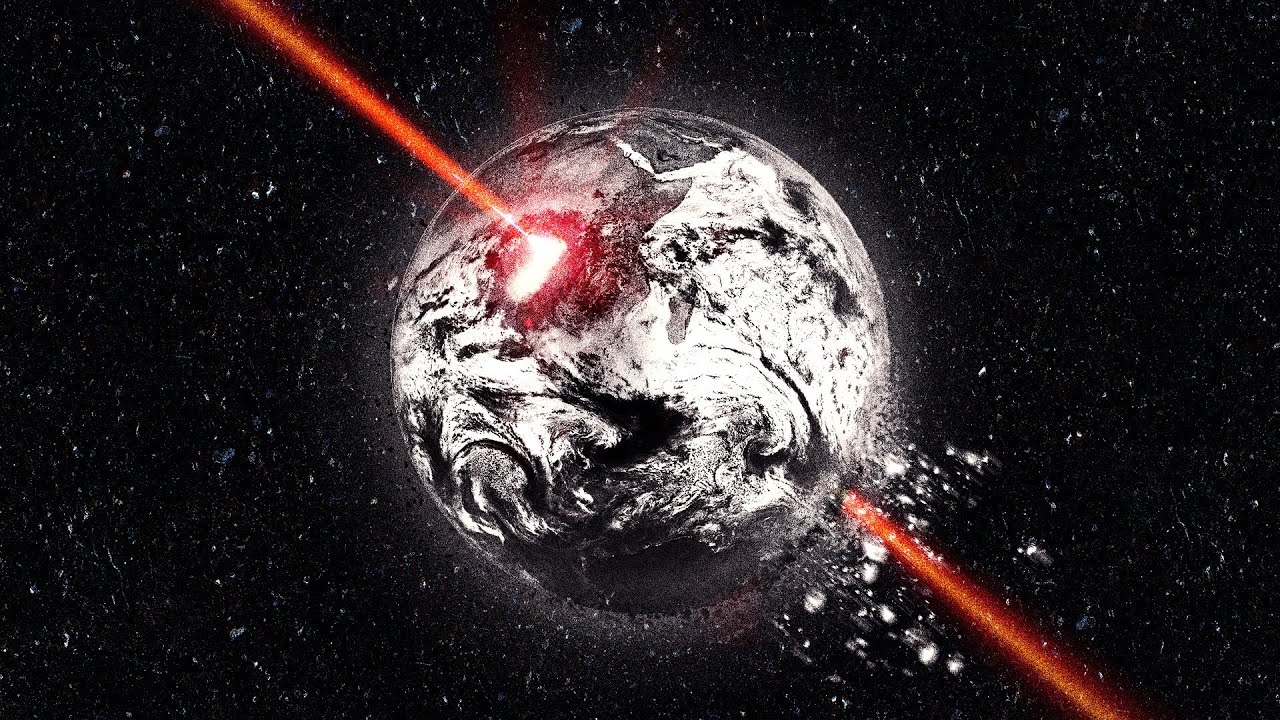
Mass extinctions throughout Earth's history, including the asteroid impact that killed the dinosaurs, highlight the planet's vulnerability to catastrophic events.
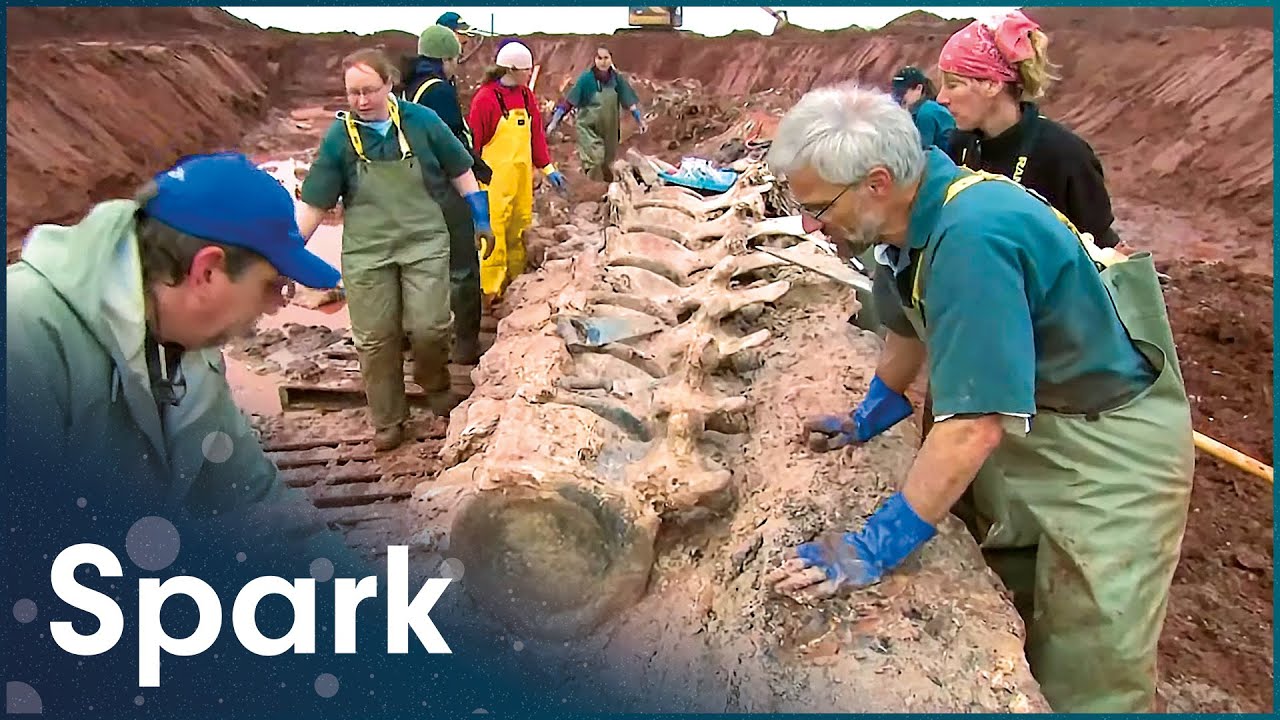
An 85-foot blue whale skeleton, weighing over 150 tons, is reconstructed for display at the University of British Columbia's biodiversity museum.
Northern white rhinos, now critically endangered, face extinction as conservationists work tirelessly to save the last two remaining individuals in Kenya.
Four times more weather-related disasters have occurred in the last 50 years than in the previous century, driven in part by animal agriculture.
Meat production worldwide is projected to nearly double by 2050, raising concerns about health, environmental damage, and animal welfare.
In the Highlands of Costa Rica and Panama, conservationists work to protect the endangered jaguar and combat a deadly fungus threatening amphibian species.
Five great mass extinction events have occurred in the last half billion years, with the first linked to a brief Ice Age that drastically altered life on Earth.
A violent conflict between fishermen and park rangers in the Galapagos Islands threatens wildlife conservation, with some species already facing extinction.
Historical climate shifts, such as the Permian-Triassic extinction event, reveal complex interactions between biodiversity and environmental changes.
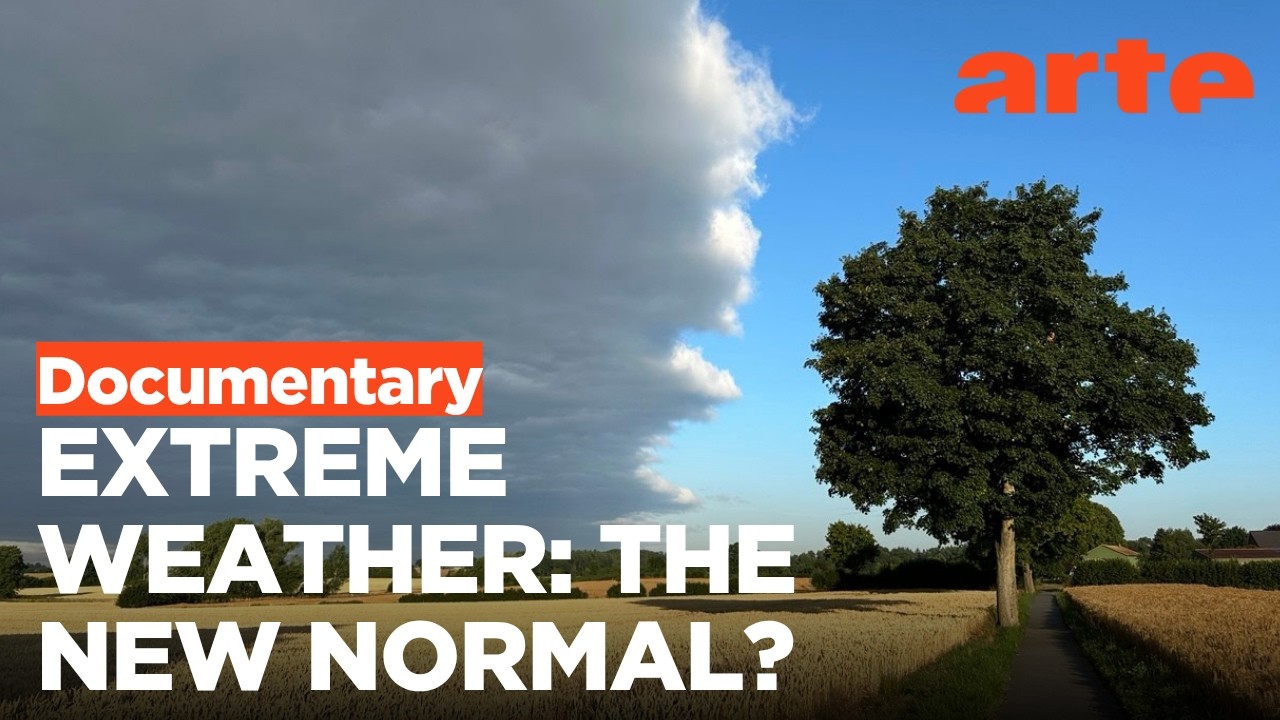
Extreme weather events, driven by climate change, threaten ecosystems and food security as scientists and local stakeholders confront the challenges of drought and heavy rainfall.
95% of all species disappeared during past mass extinctions, with human activities now threatening the survival of many more.
Between 1980 and 2045, the planet is projected to lose more species of plants and animals than in the last 65 million years.
99% of all species that have ever lived are now extinct, wiped out by global catastrophes that continue to threaten humanity today.
By the middle of the century, the global human population is projected to increase by 3 billion, intensifying pressures on ecosystems and wildlife.
One in three species could face extinction if global warming continues, as many animals struggle to adapt to changing habitats and food sources.
One million of the estimated eight million species on Earth are at risk of extinction, with populations of mammals, birds, and fish declining by 68% on average since 1970.
Since 1983, the Valdés Peninsula has served as a sanctuary for southern right whales, allowing their populations to gradually rise after near extinction.
Black Bears in Yellowstone National Park are displaying cannibalistic behavior, a significant shift in their natural interactions.
Smithsonian biologist Brian Gratwick leads a team into the Panamanian jungle to search for the critically threatened frog species Atelopus ceras.