From over 100,000 films, discover the handful you'll love.
Free or premium access to the world's largest documentary library.
12 films
Many believe that the only way to make physics whole again is to break the intuition surrounding space and time as fundamental concepts.
One mathematical sentence from Albert Einstein's 1915 work on general relativity explains the entire universe on the largest scales.
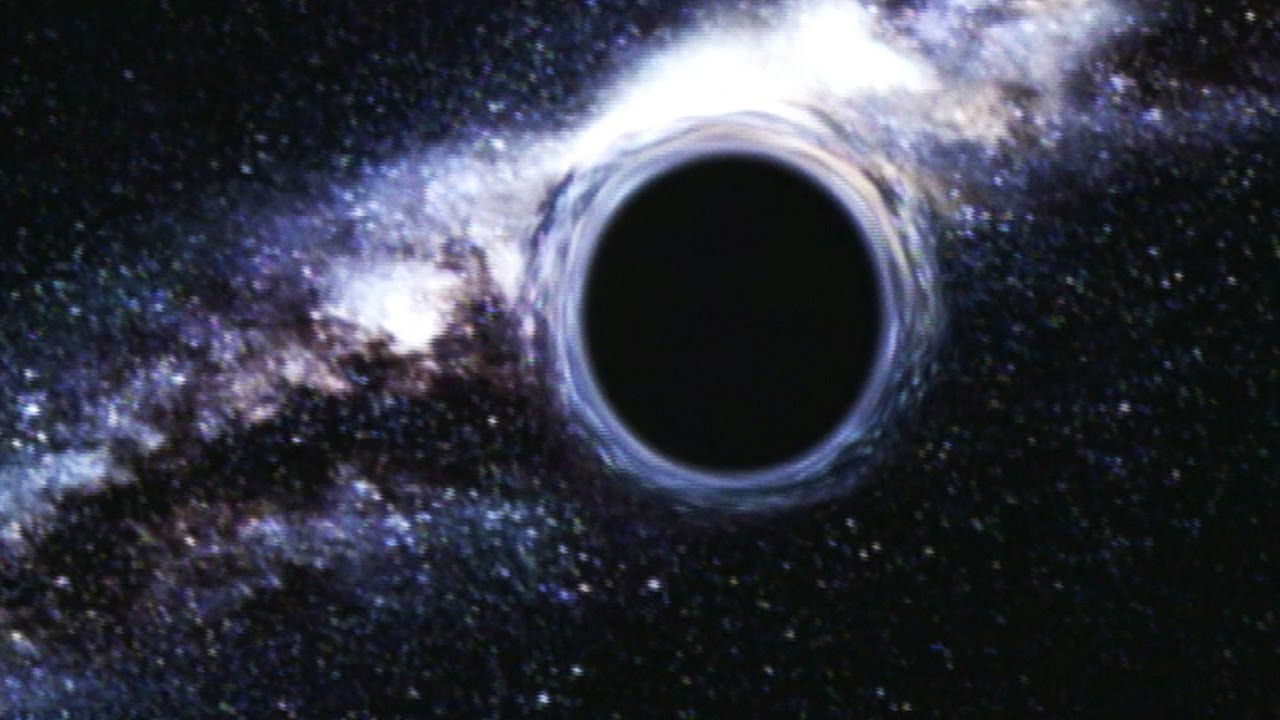
Black holes, regions of spacetime with immense gravitational pull, are explored through their structure, formation, and impact on the universe.
Gravity, the invisible force that shapes the universe, influences everything from the orbits of planets to the collision of galaxies and the nature of black holes.
Comets, asteroids, and meteoroids, remnants from the solar system's formation, pose both scientific interest and potential danger to Earth.
Gravity, as explored through Newton's laws and Einstein's theories of spacetime, is essential for understanding the cosmos and the effects of weightlessness on astronauts.
Black holes, such as Sagittarius A* in the Milky Way, are explored by Dr.
Jim Al-Khalili explores the intersection of General Relativity and Quantum Mechanics, revealing the mind-bending possibilities of our universe's true nature.
White holes, as explained by Nigel in response to a question from Willow Roberts, are hypothetical regions of spacetime that allow matter and light to escape.
Many physicists now propose that our three-dimensional universe may be an inward projection from an infinitely distant boundary, akin to a hologram.
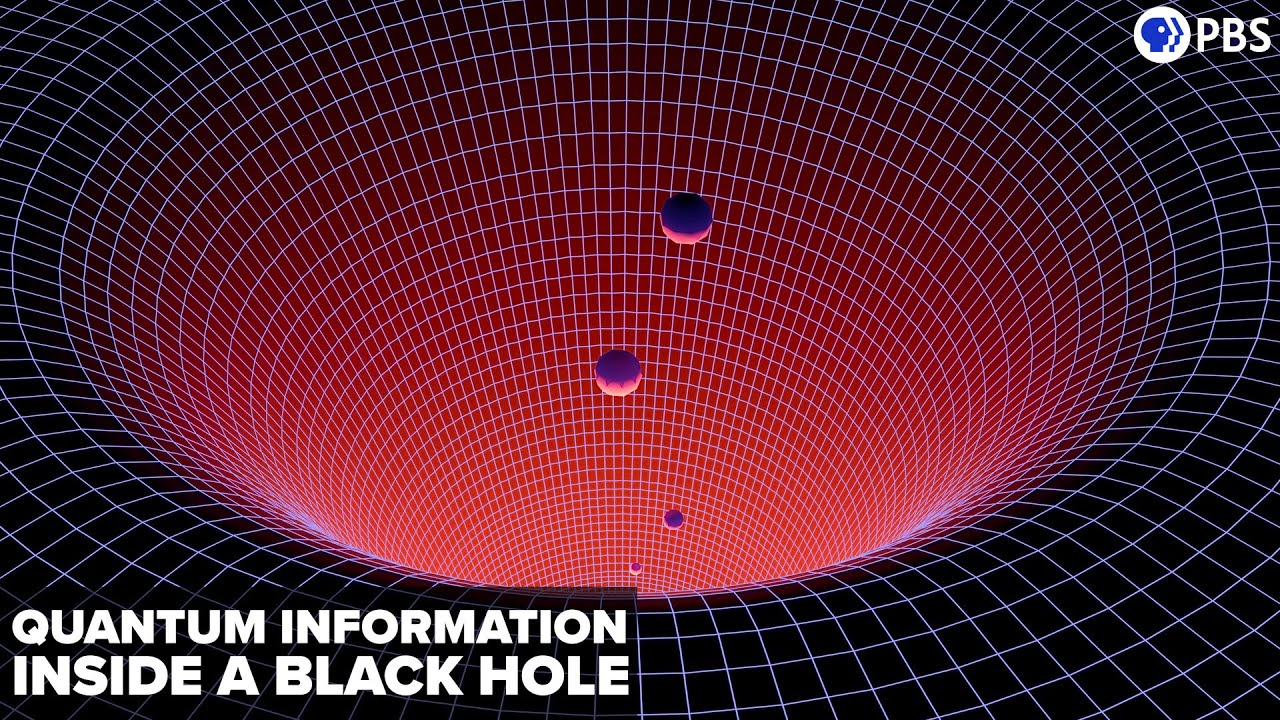
The event horizon defines a black hole, trapping information and causing spaghettification.
Alice carries a clock that emits high-energy gamma rays as she prepares to jump into Sagittarius A*, the supermassive black hole at the center of the Milky Way.