From over 100,000 films, discover the handful you'll love.
Free or premium access to the world's largest documentary library.
40 films
Apollo 8 astronauts Frank Borman, James Lovell, and William Anders became the first humans to escape Earth's orbit in December 1968.
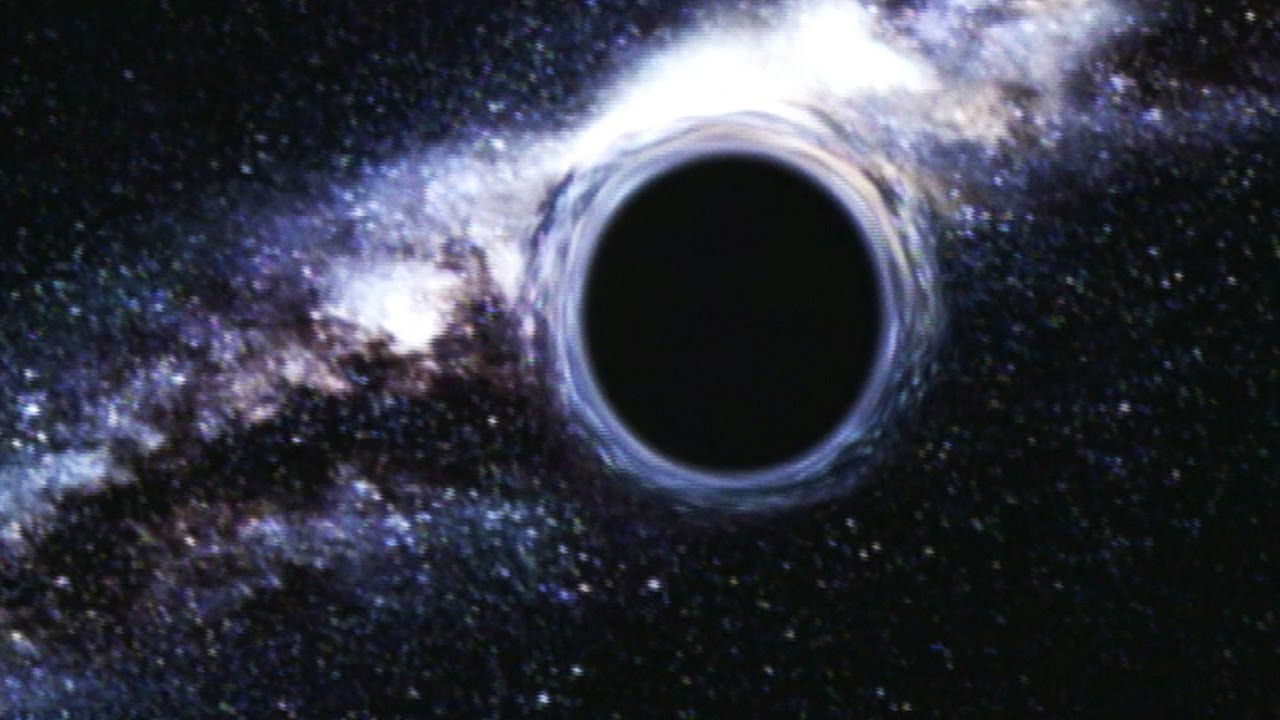
Black holes, regions of spacetime with immense gravitational pull, are explored through their structure, formation, and impact on the universe.
Twelve astronauts walked on the moon between 1969 and 1972, leaving behind footprints and equipment that will last for millennia.
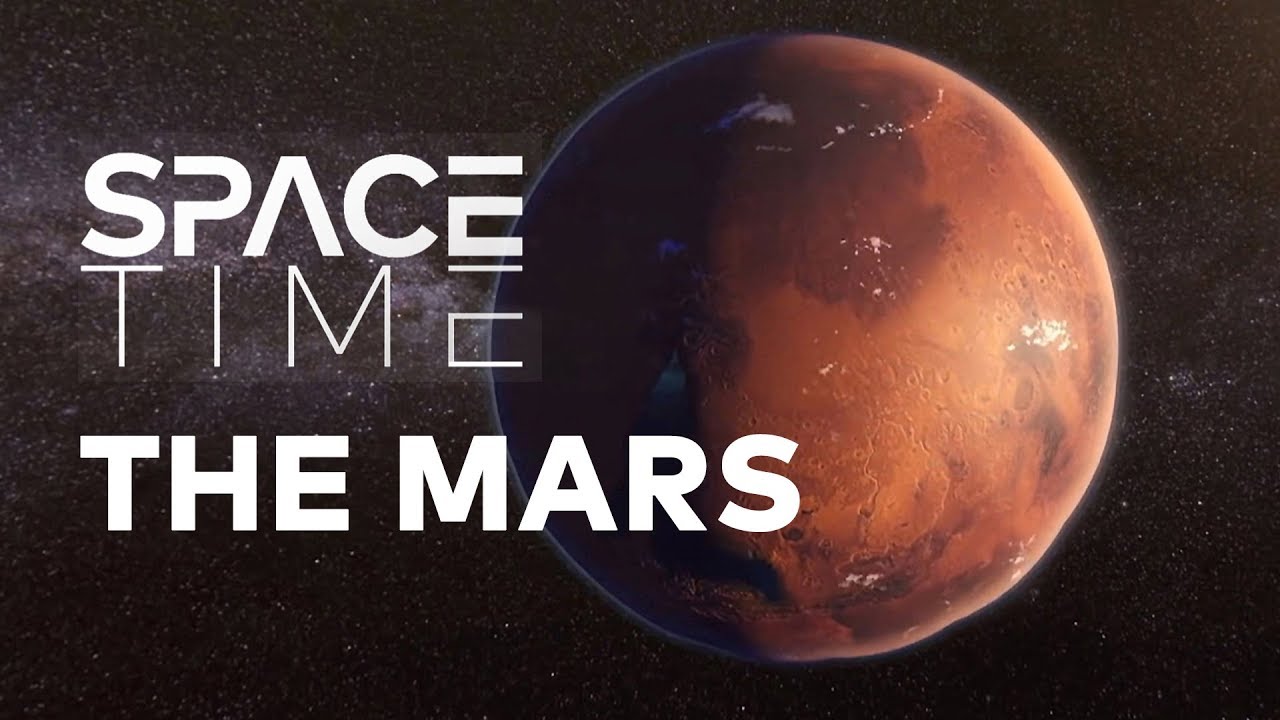
On August 2, 2048, a spacecraft lands on Mars, marking a fictional milestone in human exploration nearly 79 years after the first moon landing.
Titan, Saturn's largest moon, is explored for its potential to support life and the challenges of future colonization efforts by scientists and researchers.
An alien spacecraft has never landed on Earth, yet experts discuss humanity's readiness for first contact with intelligent life from space.
Apollo 18 launches in 1973, but the mission ends in disaster when the spacecraft crash-lands in China, igniting a Cold War crisis.
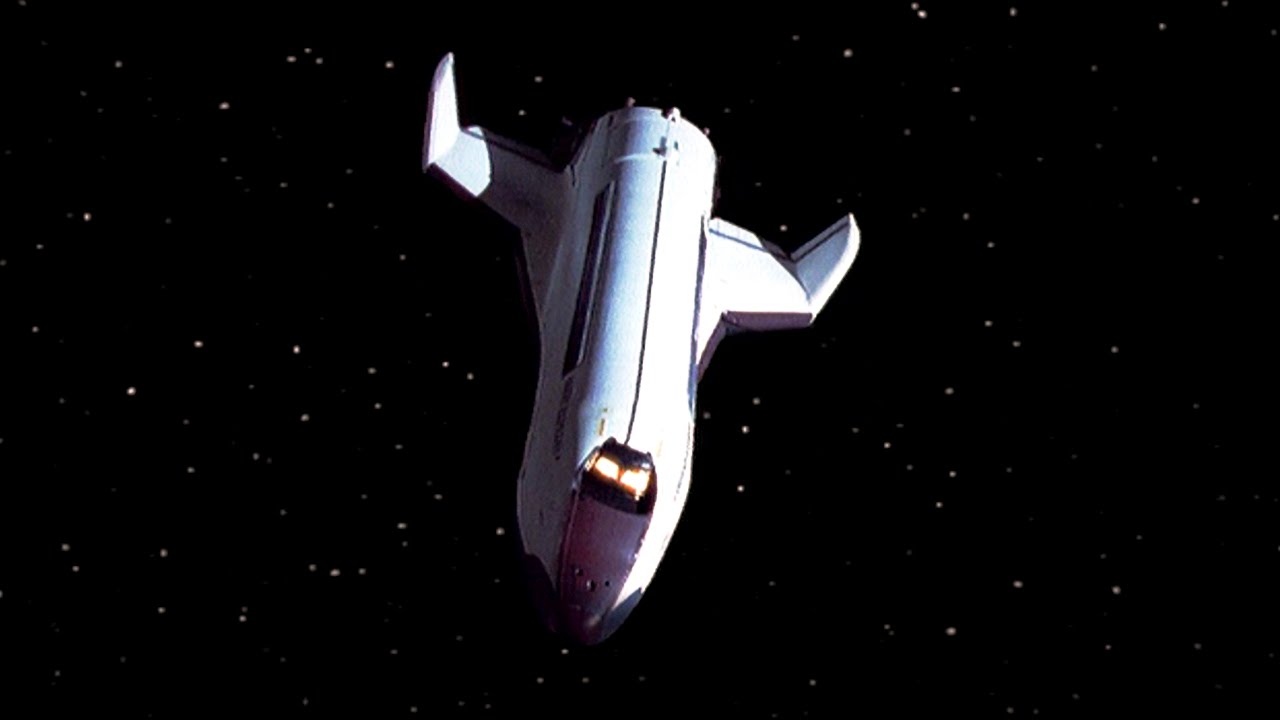
Advancements in spacecraft technology and a Maglev launch system aim to make space tourism accessible, transforming Earth's orbit into a bustling construction site.
Vladimir Komarov's tragic death in space is reexamined through newly declassified footage, revealing a scandalous conspiracy within the Soviet space program.
NASA's Osiris-REx mission to asteroid Bennu highlights the development of the OSIRIS-REx Thermal Emission Spectrometer, built entirely at Arizona State University.
Six astronauts aboard the Space Shuttle Endeavour experience the view of Earth from 233 kilometers above, describing it as a stunning sight.
NASA's preparations for the Apollo 11 Moon landing intensified as Apollo 8 successfully orbited the Moon in 1968, pushing the agency to meet JFK's deadline.
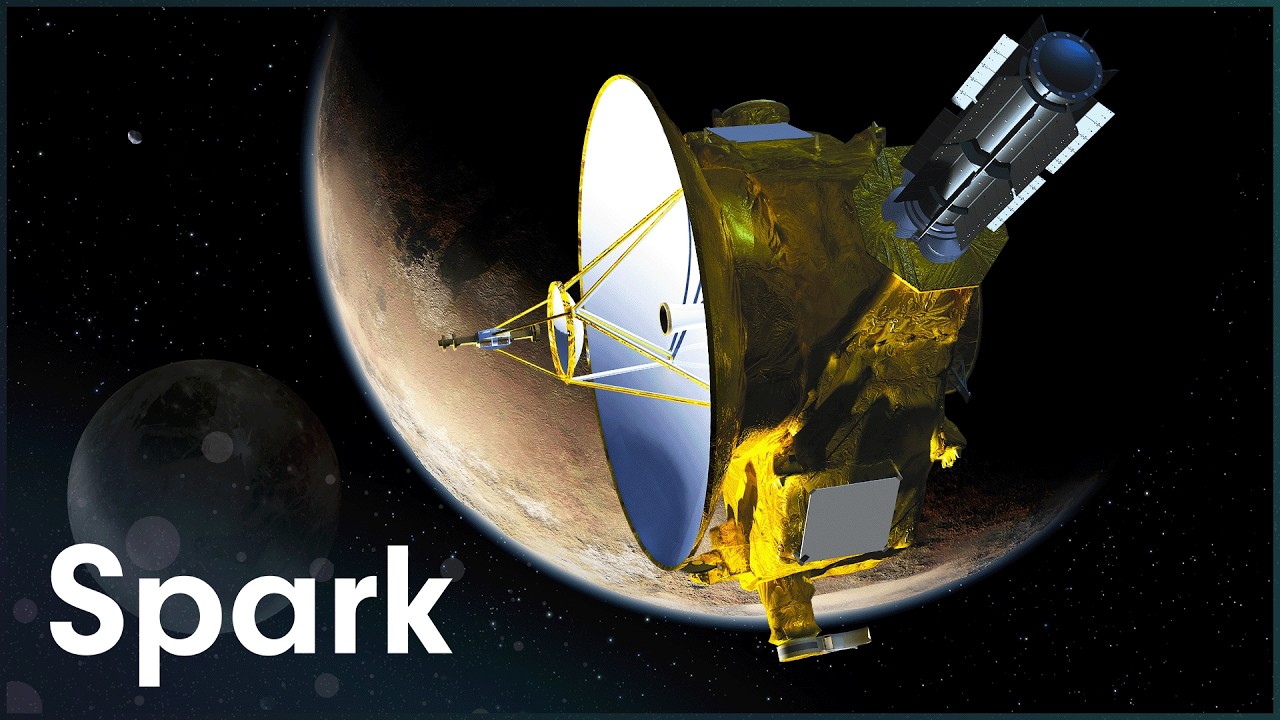
New Horizons, the fastest spacecraft ever built, completed a 9-year journey to transform Pluto from a distant blur into a detailed, vibrant world.
Curiosity Rover has driven over 13 kilometers on Mars, sending back images and data to aid in future human exploration of the planet.
Apollo 13's 1970 mission faced a critical crisis when an oxygen tank explosion forced Jim Lovell and his crew to rely on NASA's innovative problem-solving for their survival.
NASA's Osiris-REx mission, featuring the innovative OTES instrument built at Arizona State University, showcases the collaborative efforts of engineers and scientists to study asteroid Bennu.
Cassini, a groundbreaking spacecraft, completed its mission by plunging into Saturn to prevent contamination of Enceladus, revealing vital insights about our solar system.
In 1969, NASA astronauts landed on the moon, but some claim it is not the barren landscape portrayed and question whether the landing even occurred.
NASA Heliophysics shows the sun from both sides to improve space weather forecasting for Earth.
On December 15, 2011, NASA's Solar Dynamics Observatory captured the close encounter of Comet Lovejoy with the sun, enhancing understanding of solar dynamics.
Astronaut Bruce McCandless floated 100 meters from the spacecraft during the first test of NASA's Manned Maneuvering Unit in 1984, remaining untethered for nearly six hours.
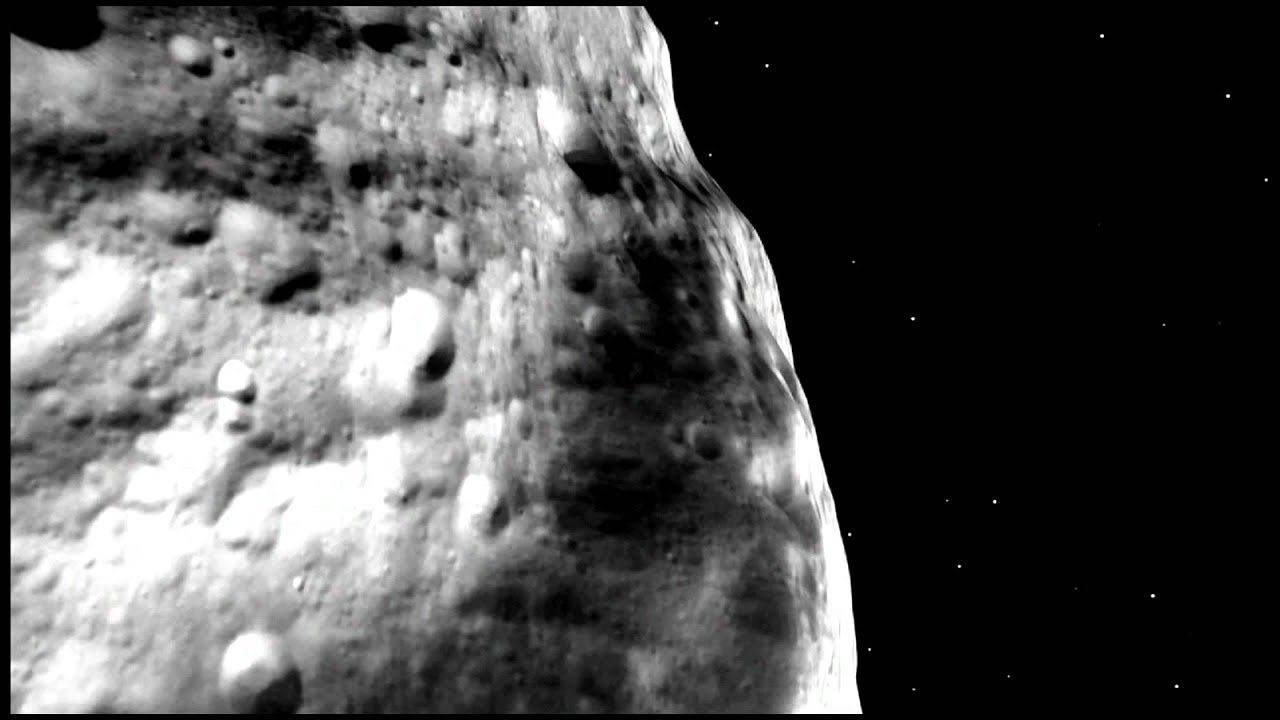
NASA's Dawn spacecraft provides a detailed flyover visualization of the giant asteroid Vesta, highlighting its unique features and formation processes.
Joe Edwards discusses the challenges of living aboard a spacecraft in zero gravity.
Radio signals captured by spacecraft reveal the interactions of solar winds and plasma, providing an auditory glimpse into the dynamic nature of the cosmos.
The program presents a collection of unusual facts and striking images of Saturn's moons, featuring highlights from the Cassini spacecraft's mission.
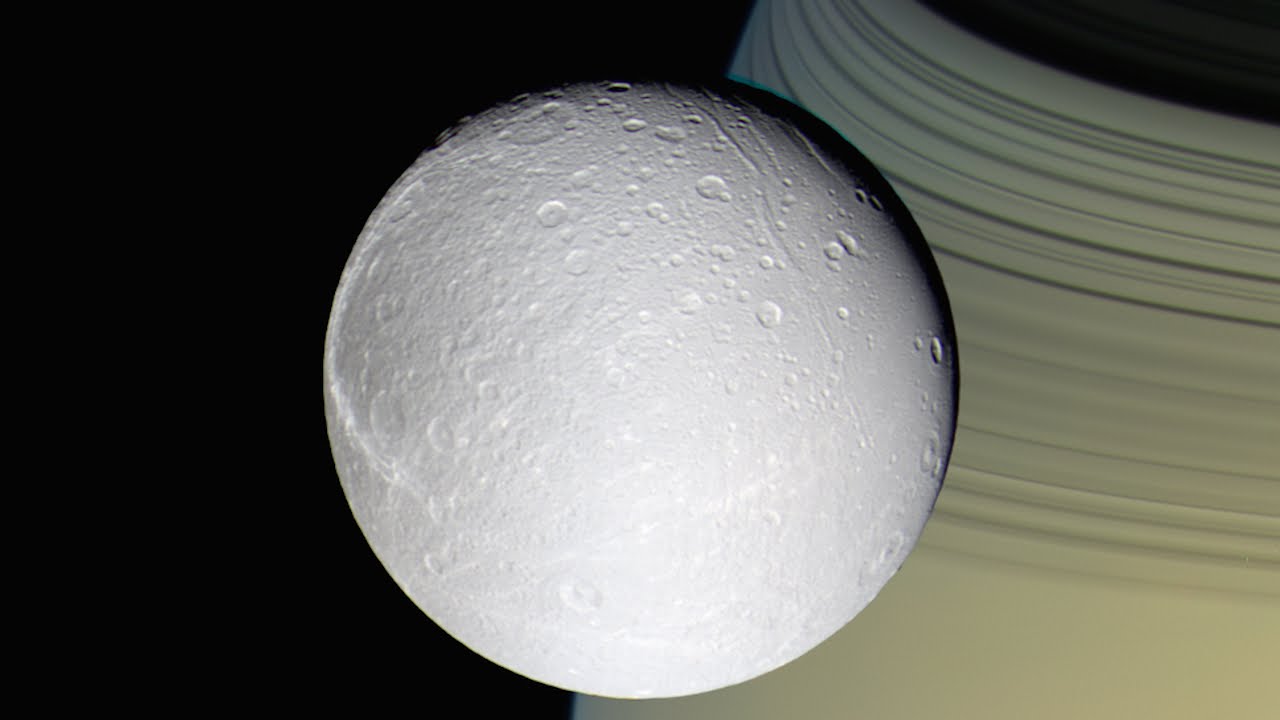
The Cassini Spacecraft conducts its last close flyby of Dione, showcasing detailed observations after over a decade of exploring the Saturn system.
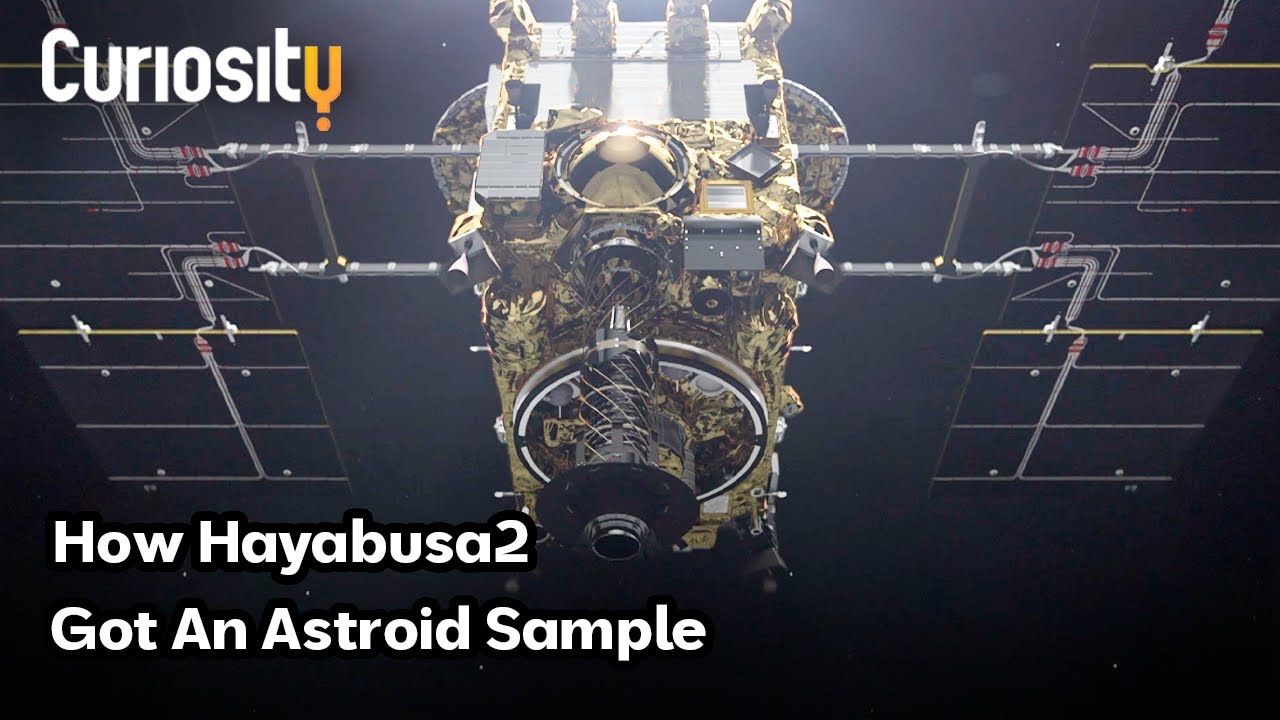
Hayabusa2 successfully extracted subsurface samples from the asteroid Ryugu, marking a significant achievement in understanding the solar system's origins.
Neil Armstrong saves Gemini 8 from spinning out of control after a space docking.
We can build powerful rockets able to reach the moon, but interstellar flight remains a challenge.
Mars Odyssey, operational since 2001, has mapped the planet and detected hydrogen, leading to the confirmation of frozen water by NASA's Phoenix mission in 2008.
An interstellar object, estimated to be 800 meters long and traveling at over 195,000 miles per hour, was detected by scientists at the University of Hawaii.
Panspermia suggests life spreads through the Universe via comets and other celestial bodies.
This video steps viewers through the landing sequence of NASA's Curiosity rover on Mars.
NASA's Cassini observes Saturn's rings and the influence of moon Prometheus on icy particles.
NASA’s MAVEN spacecraft studies Mars' atmosphere and its history of water flow.
The moon's origins are explored through the theory of a colossal impact between Earth and a Mars-sized body, supported by decades of scientific research and exploration.
Apollo 8's mission involved a critical maneuver to enter lunar orbit, highlighting the significant risks faced by astronauts Frank Borman, James Lovell, and William Anders.
Valerie Neal protects America's spacecraft treasures as Space History Curator in Smithsonian Spotlight.
NASA's Voyager spacecraft, launched in 1977, continue to transmit data from beyond the solar system, raising questions about their future in space.
Dawn spacecraft travels from Earth to explore Vesta and Ceres in the Asteroid Belt.