From over 100,000 films, discover the handful you'll love.
Free or premium access to the world's largest documentary library.
25 films
In the quest for resources, spacefaring nations are developing technologies for mining the Moon and asteroids to support future exploration efforts.
NASA's food scientists develop ingredients and recipes for astronauts to consume in microgravity, aiming to enhance food security on Earth.
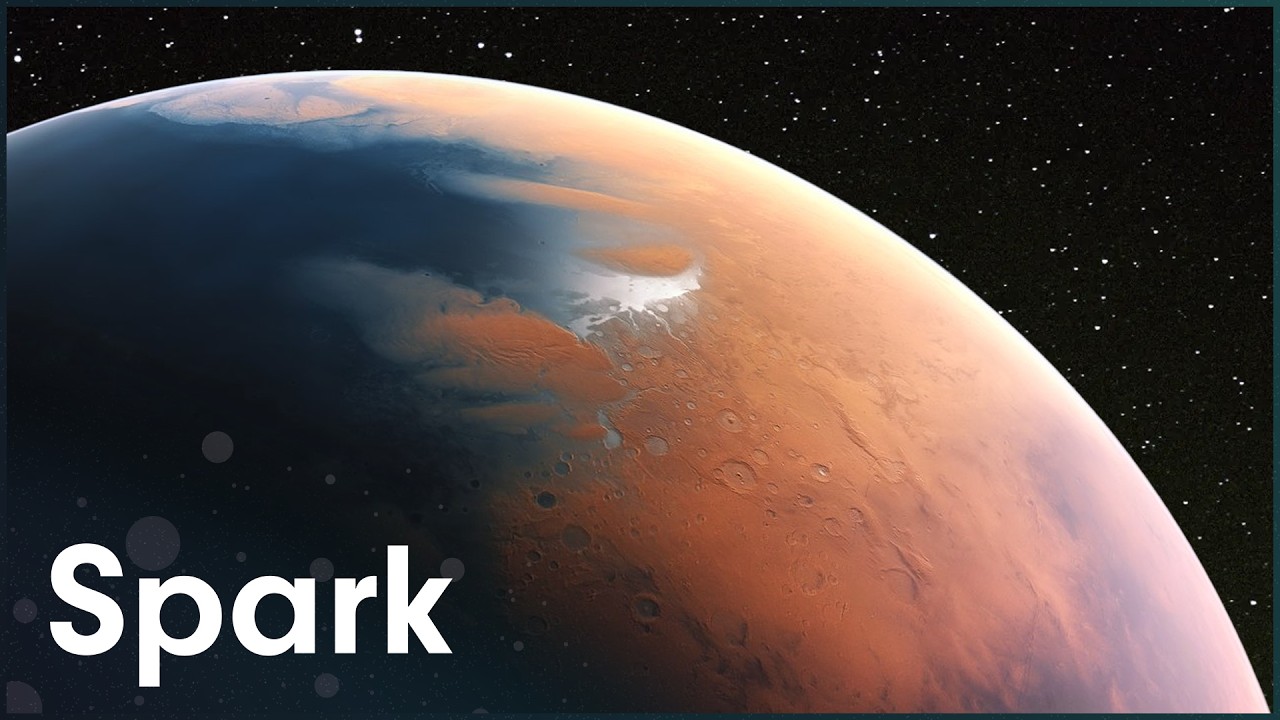
Mars has captivated human curiosity for centuries, with the 2020 Perseverance mission reshaping our understanding of the potential for life on the planet.
NASA's Mars rover Perseverance, designed to search for signs of ancient microbial life, successfully approached its landing site in Jezero Crater after a 293-million-mile journey.
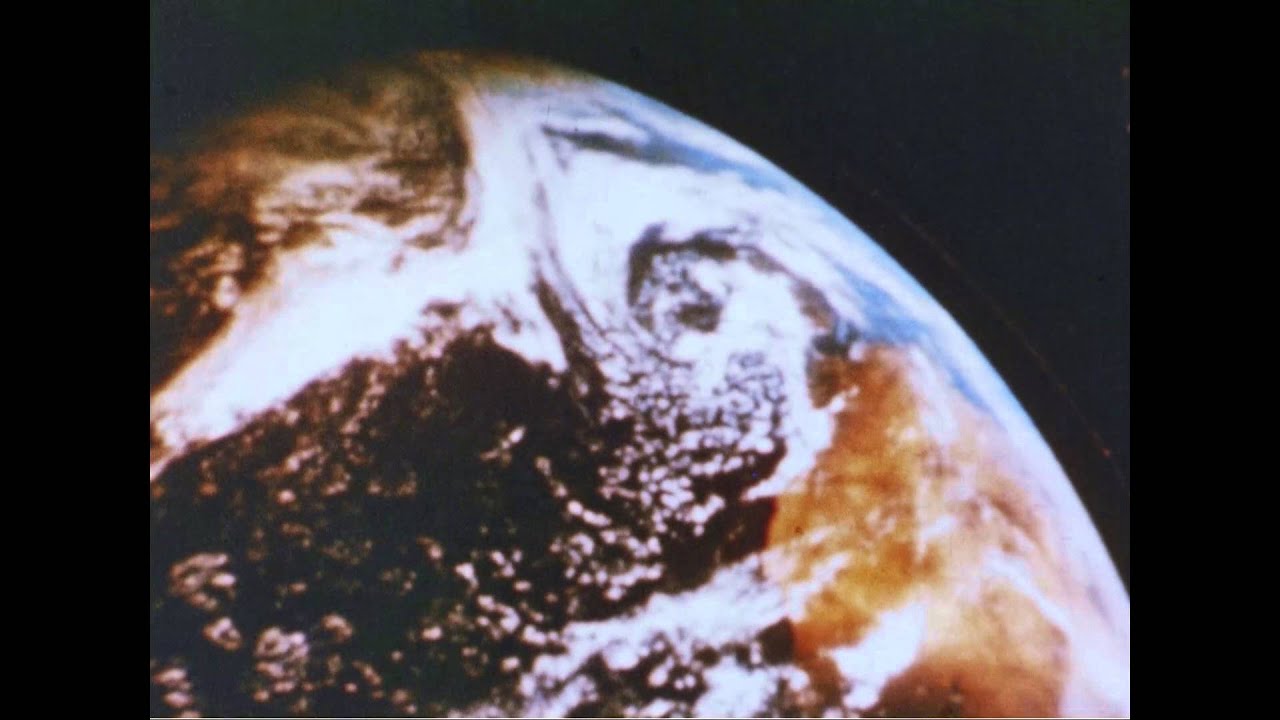
NASA's Mariner IV space probe, launched in 1964, completed an eight-month mission that provided humanity's first close-up images of Mars.
On Christmas Eve 1968, astronauts Frank Borman, Jim Lovell, and Bill Anders orbited the Moon, becoming the first humans to achieve this milestone.
On October 4, 1957, the Soviet Union launched the first man-made satellite, marking the beginning of the Space Age and prompting the creation of NASA.
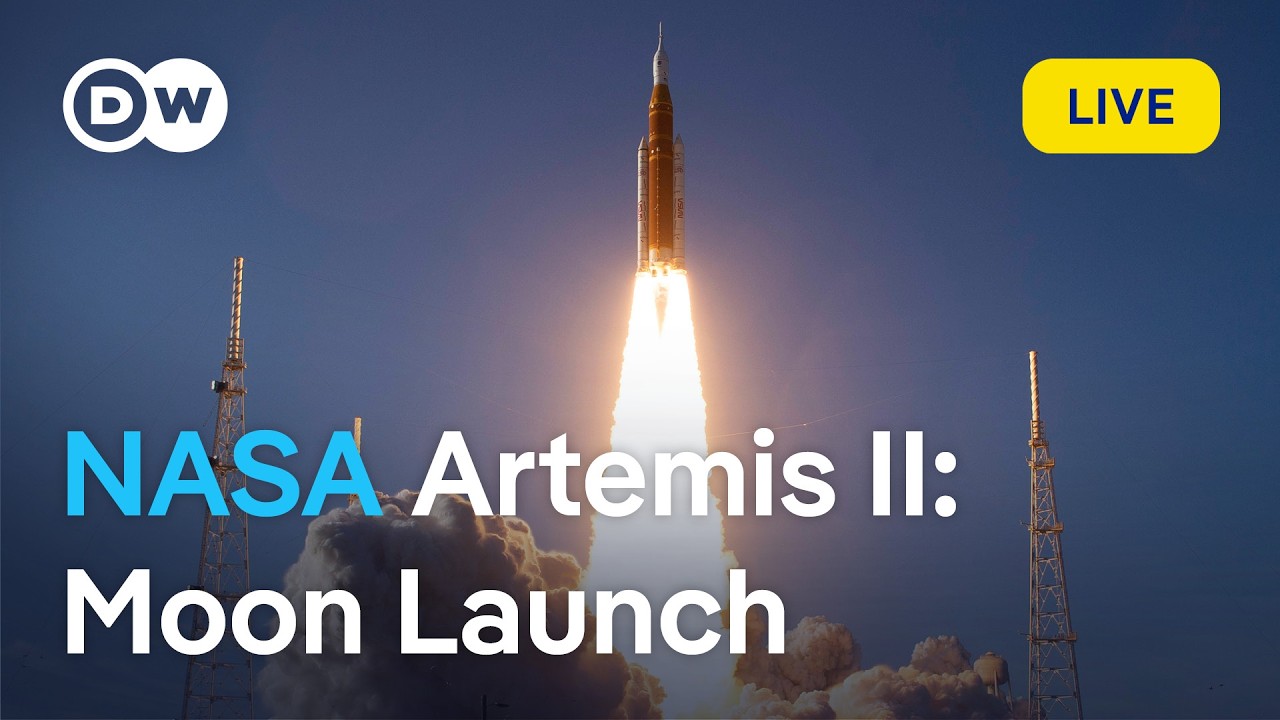
NASA's Artemis II mission will launch from Kennedy Space Center, carrying three American astronauts and one Canadian astronaut on a lunar flyby.
NASA's innovative techniques for testing technologies in zero gravity have evolved since the Apollo era, continuing to shape modern space exploration and research.
Mars Exploration Rovers and the Cassini-Huygens mission to Titan exemplify humanity's most ambitious robotic endeavors, pushing the boundaries of deep space exploration.
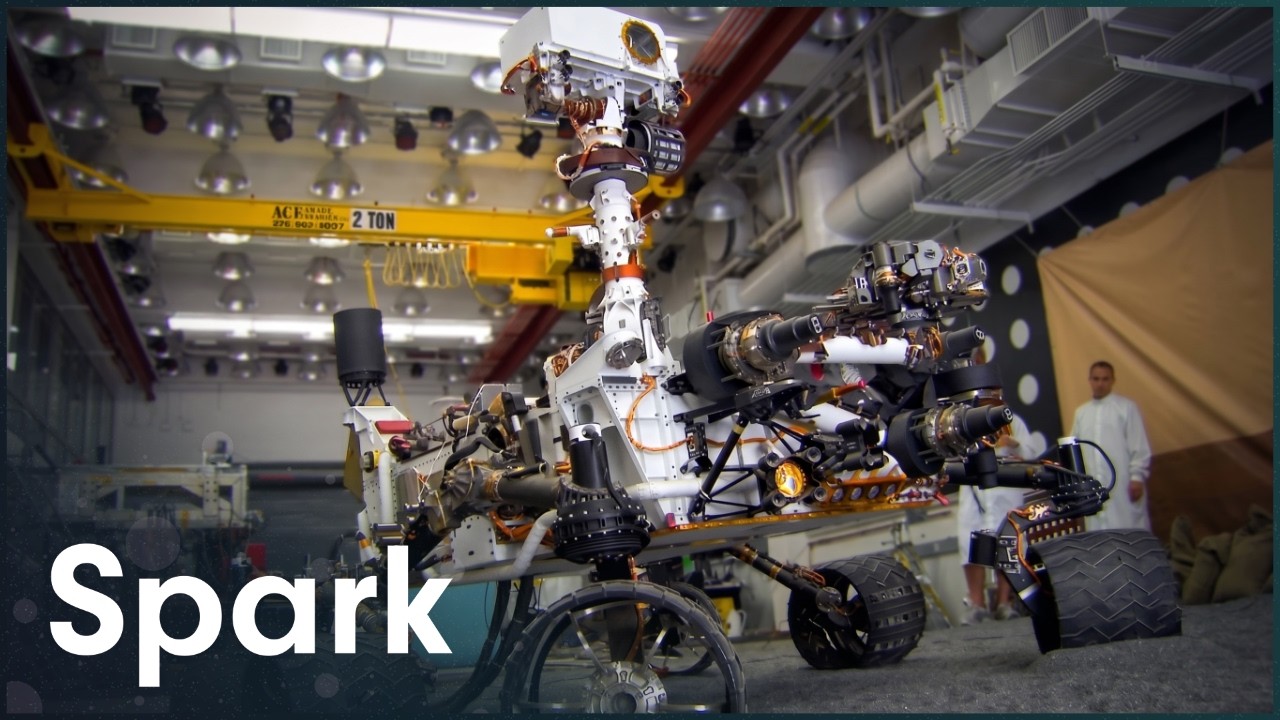
NASA's Curiosity rover, the most advanced space vehicle ever built, faced a perilous descent to Mars using a revolutionary rocket crane for its historic landing.
Artemis missions aim to return humanity to the Moon, revealing its hidden history, geological secrets, and potential for sustainable exploration.
Artemis missions aim to establish a permanent human base on the Moon, utilizing advanced technology and lunar resources to prepare for future exploration of Mars.
NASA's innovations from the space race have significantly influenced everyday life on Earth, impacting GPS, food safety, and medical technology.
Justin Shaifer explores the challenges of living on Mars by engaging with scientists and engineers at organizations like Sierra Nevada Corporation and Honeybee Robotics.
NASA's early artificial intelligence systems, originally designed for spacecraft, evolved into algorithms that now facilitate online dating and influence various aspects of daily life.
In April 2021, astronaut Thomas Pesquet launched to the International Space Station, where he conducted experiments and faced the challenges of life in microgravity.
Cassini, a groundbreaking spacecraft, completed its mission by plunging into Saturn to prevent contamination of Enceladus, revealing vital insights about our solar system.
Ariane 5, Europe's most reliable rocket, plays a crucial role in transporting satellites into space, supported by a vast network of aerospace professionals.
Technicians at NASA's Lyndon B. Johnson Space Center demonstrate the functionality of a liquid-cooled spacesuit and a Westinghouse TV camera prototype.
A Russian mission plans to deploy seismic detectors on the moon to monitor moonquakes and study heat flow from the lunar core.
Moon Express is the first private organization to receive approval for commercial missions to the moon, aiming to mine resources like platinum and water.
NASA's Perseverance rover successfully landed on Mars, showcasing the intense 'seven minutes of terror' during descent and the innovative technology behind the mission.
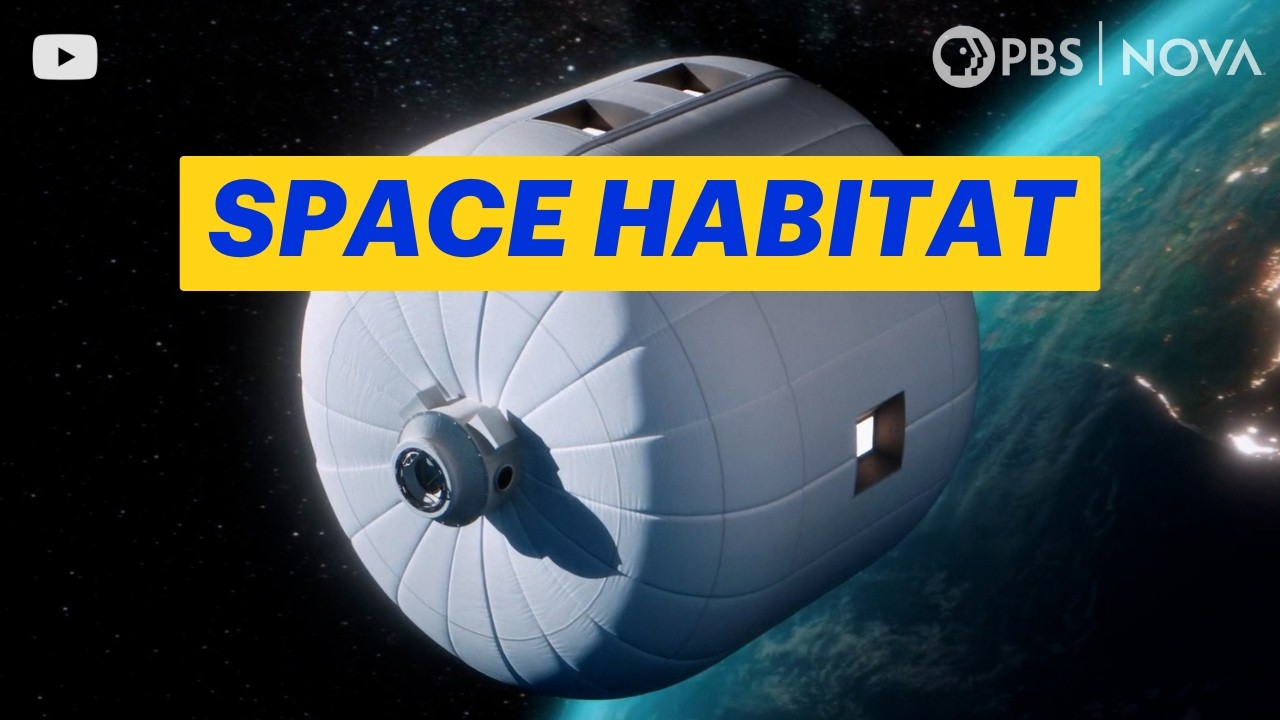
Scientists are developing inflatable habitats for human habitation on the Moon and Mars, testing their ability to withstand high pressures before deployment.