From over 100,000 films, discover the handful you'll love.
Free or premium access to the world's largest documentary library.
19 films
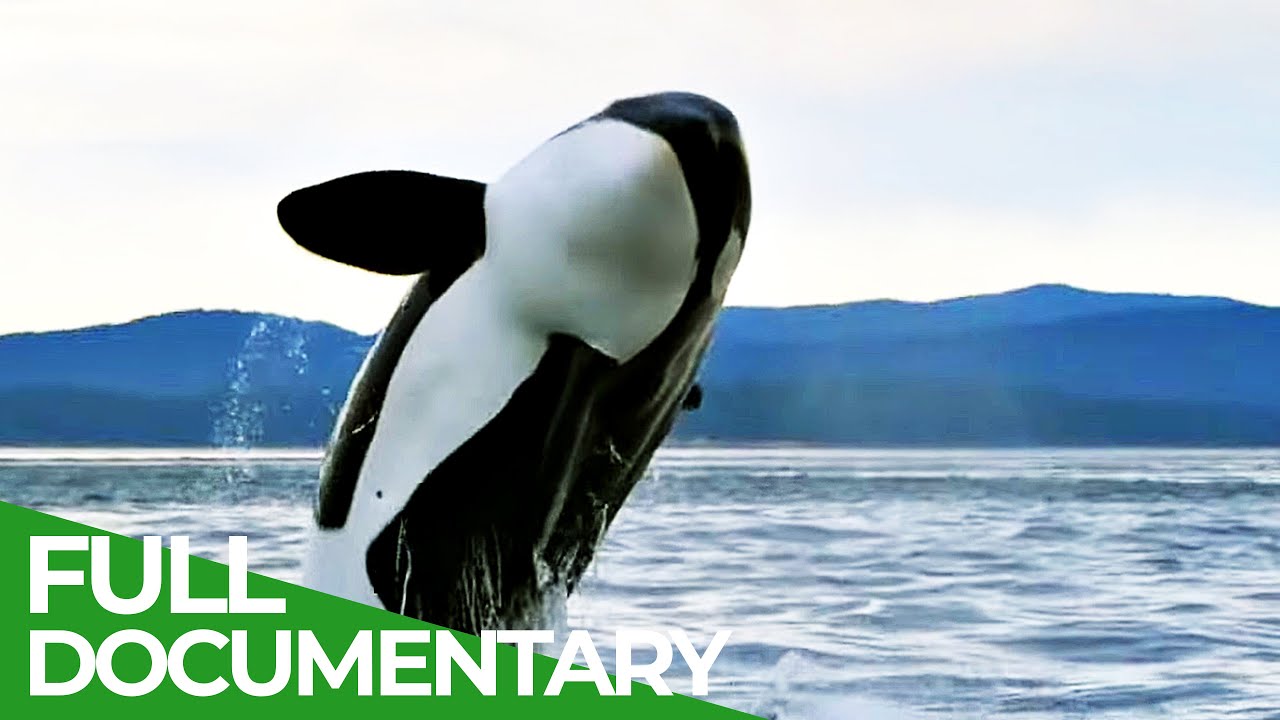
An adult killer whale can burn 200,000 calories a day while hunting along the 73 miles of coastline in Olympic National Park.
Los Cabos was crowned the most violent city in the world in 2017, as a war between rival gangs left hundreds of victims in just a few weeks.
Less than 250 millimeters of rain falls annually on the Valdés Peninsula, a vital refuge for marine mammals in Argentina.
Less than 250 mm of rain falls annually on the Valdez Peninsula, where marine mammals like southern right whales come to breed each year.
Three great oceans meet around Antarctica, where sea lions hunt macaroni penguins, revealing their harsh reality as predators in a frozen habitat.
In 2017, Cabo San Lucas was named the most violent city in the world, with hundreds of victims in just a few weeks due to cartel conflicts.
Orcas can detect sounds through fat-filled cavities in their lower jaw, allowing them to locate prey with high precision during hunts.
Five glaciers and four mountain passes challenge a group of skiers as they traverse the Southern Alps of New Zealand's South Island.
In the Galápagos Islands, the Humboldt Current shapes the unique wildlife, including blue whales, sea lions, and marine iguanas, while sustaining extraordinary biodiversity.
A 6-ton orca can strip a giant bluefin tuna in minutes, taking advantage of fishing boats to enhance its hunting success.
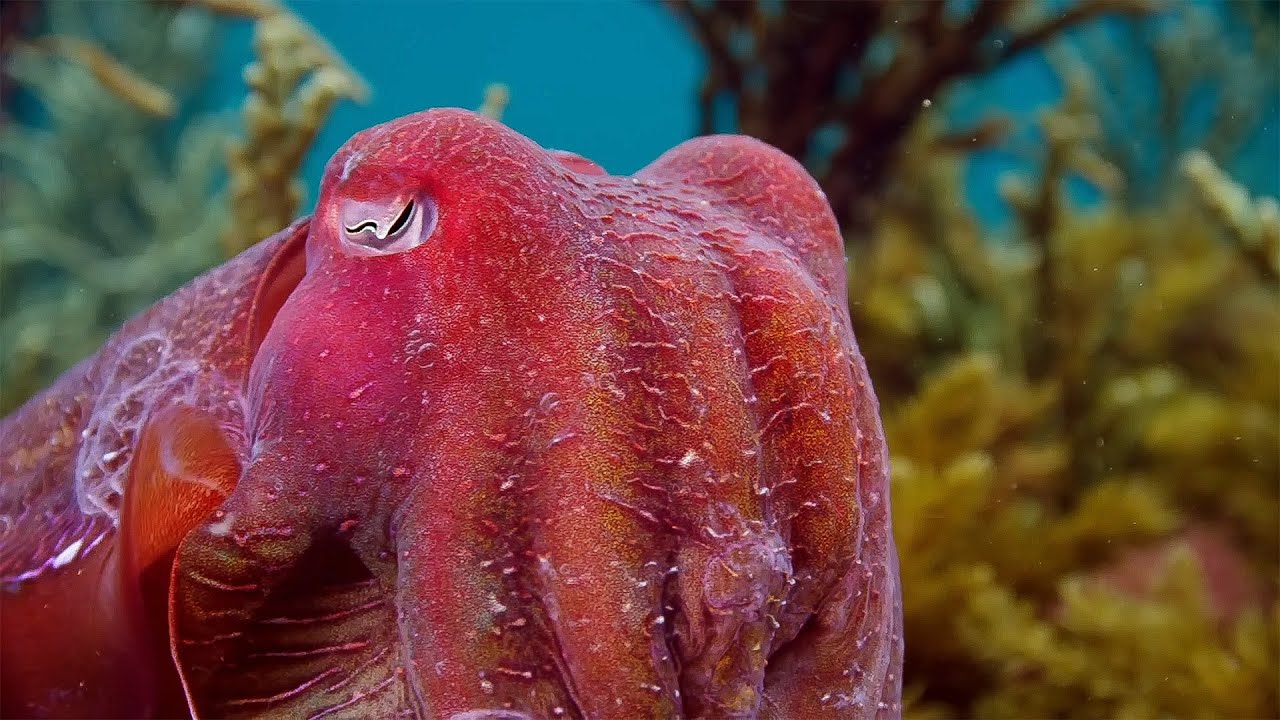
Australia's marine wilderness showcases a vibrant array of life, from sharks and seabirds to giant cuttlefish and whale sharks, highlighting fragile ecosystems.
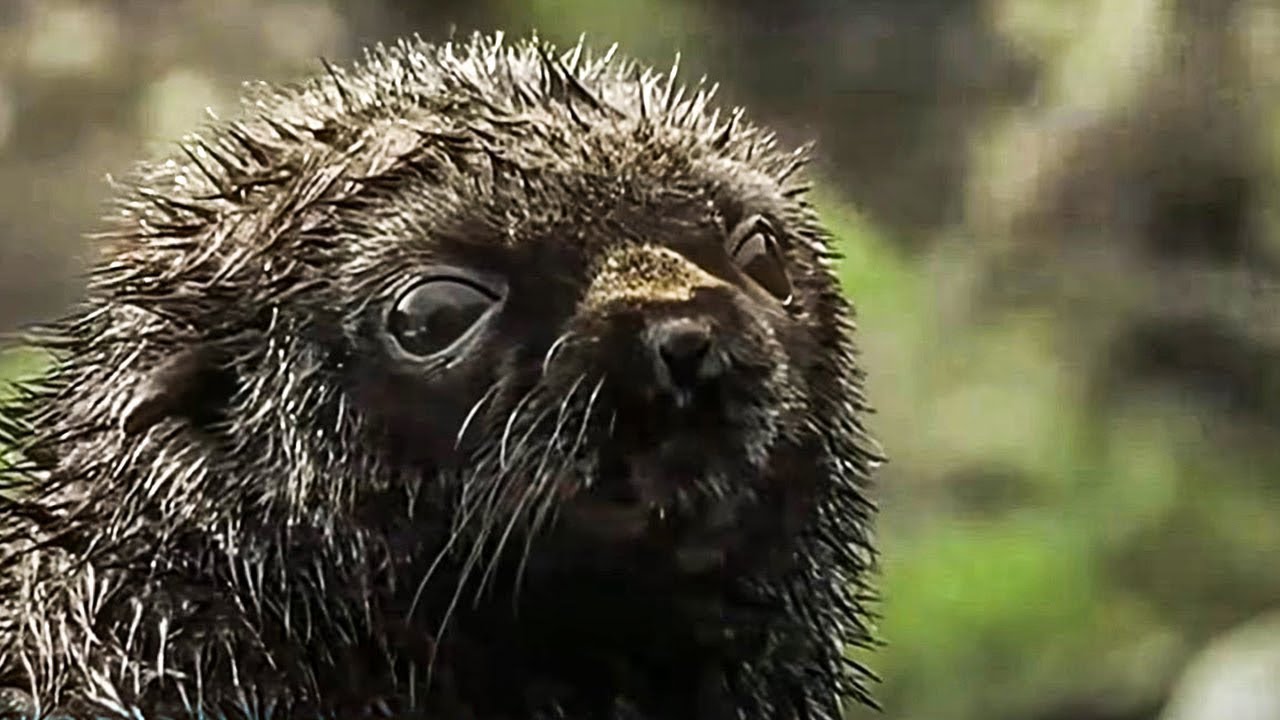
Half of sea lion pups do not survive to adulthood as they face dangers from larger males and the challenges of their environment.
Sea lions along the North Pacific coast face a dramatic population decline of over 80% since the 1970s, prompting urgent conservation efforts.
Stellar sea lion populations have plummeted over 80% since the 1970s, prompting scientists to study these intelligent mammals in a unique floating laboratory.
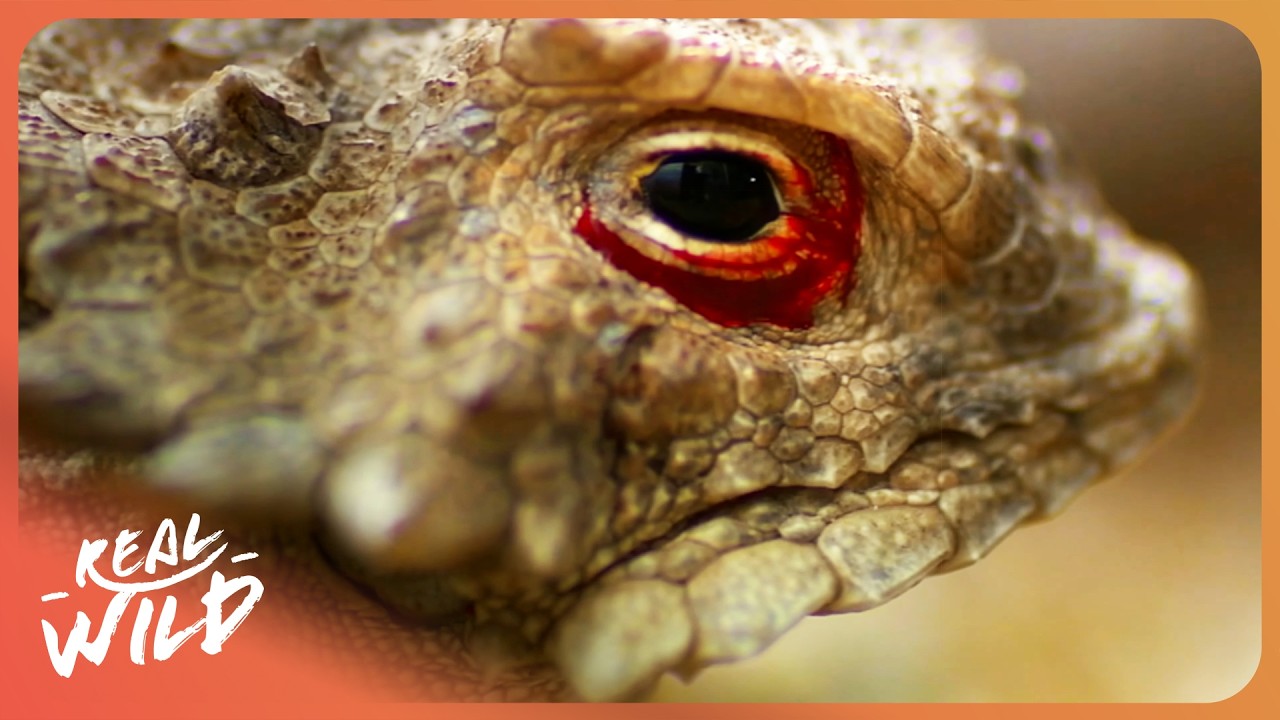
In the Sonoran Desert, diverse species like pelicans, pronghorns, and horned lizards exhibit unique adaptations to survive in an extreme environment.
A family traveled to ten countries over five years to examine how different cultures perceive and interact with wilderness and wild nature.
Female lions typically give birth to a litter of two to four cubs after a gestation period of about 100 days.
Millions of salmon return to Alaska's rivers each summer, triggering a feeding frenzy among bears, seals, and orcas in the coastal ecosystems.
Only 30 orcas live along the 90 miles of beaches on the Valdes Peninsula, forming four distinct clans that exhibit unique hunting strategies.