From over 100,000 films, discover the handful you'll love.
Free or premium access to the world's largest documentary library.
24 films
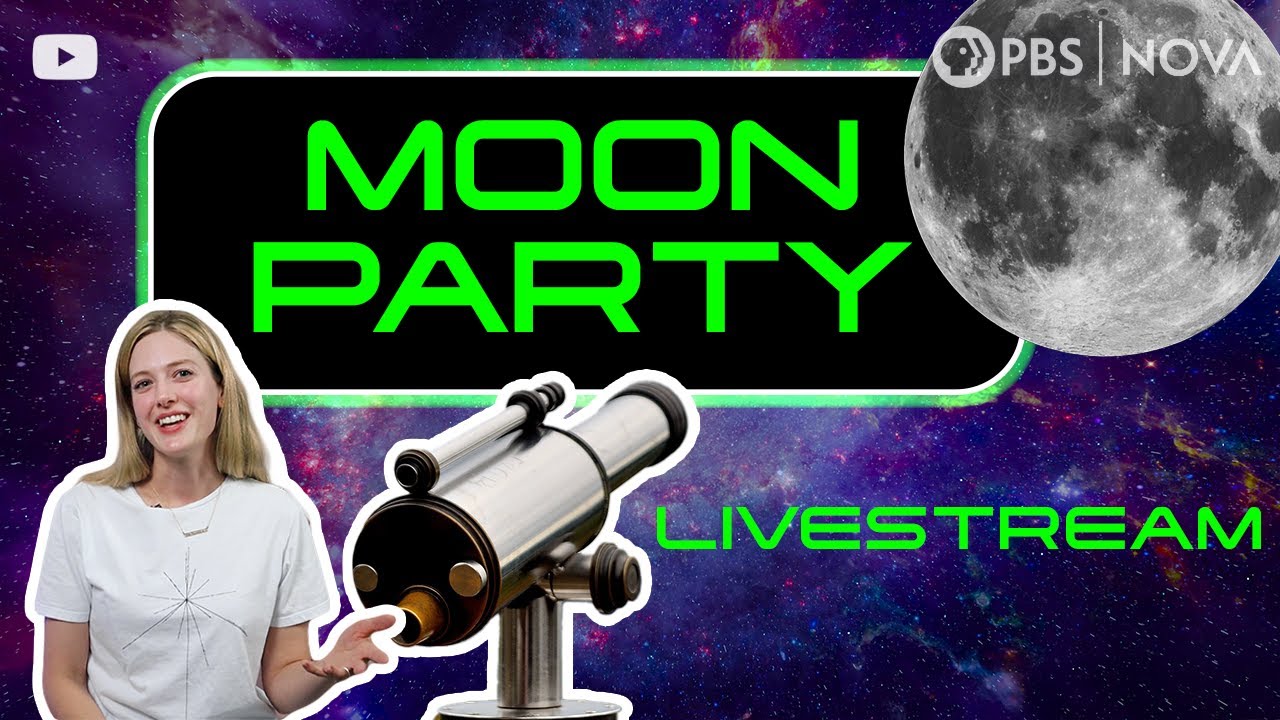
Athena Brensberger, host of NOVA's "What the Physics?!", presents a live telescope view of the night sky, focusing on celestial bodies such as the moon and stars.
In April 2024, a total solar eclipse will traverse the United States from Texas to Maine, marking the last occurrence of such an event until 2044.
Bill Nye's iconic educational show remains a beloved staple, celebrated for its engaging approach to science and its lasting impact on popular culture.
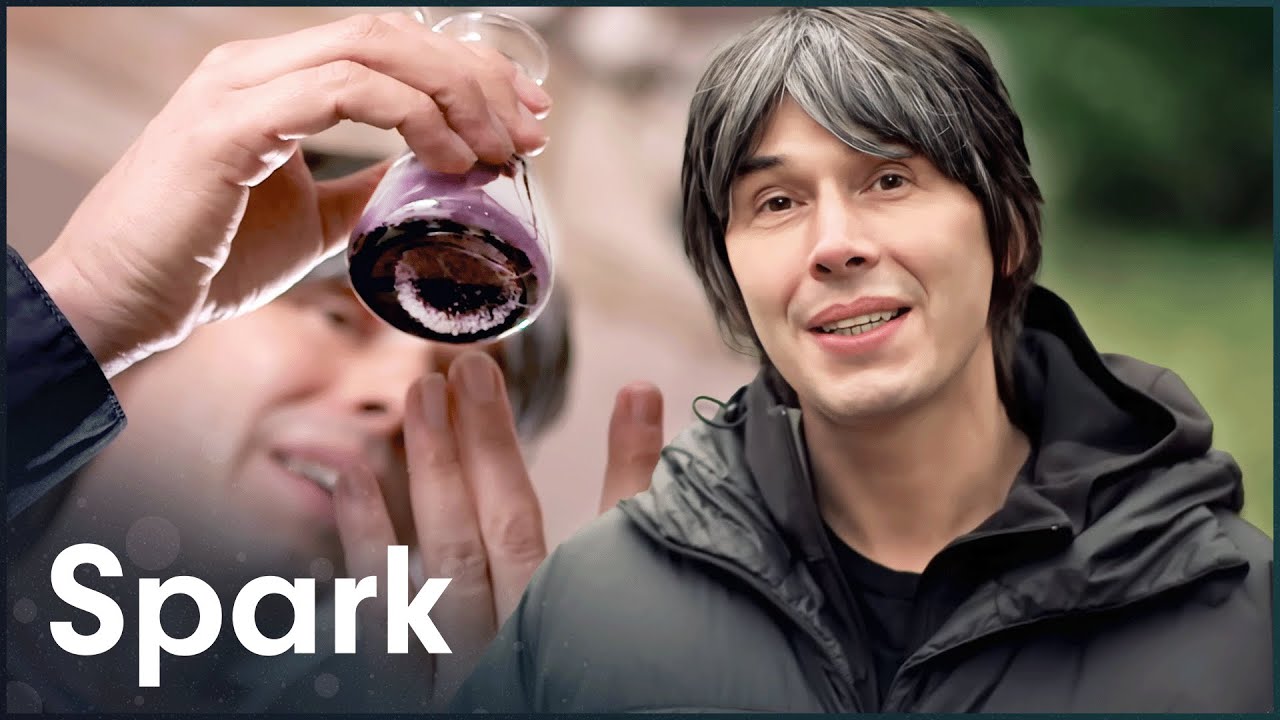
Happy accidents in scientific history reveal how unexpected events have led to remarkable breakthroughs, as explored by Professor Brian Cox.
Britain's pivotal contributions to modern science, from Newton's laws to hydrogen explosions, are celebrated by Professor Brian Cox in this insightful exploration.
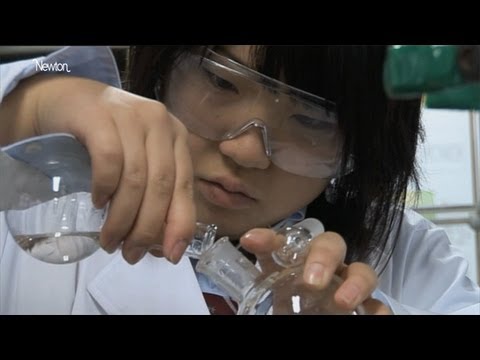
Creative approaches to science education in Japan are revitalizing interest among students, as showcased in Tokyo Tech SSHS and Koenji Junior High School.
Research on the microbiome reveals that microscopic events during childbirth significantly impact lifelong health outcomes for children, as highlighted by experts like Martin Blaser.
Forensic science research explores the complexities of backsplatter from cranial gunshots, as a master's student conducts experiments to simulate crime scenes.
Albert Einstein, portrayed by actor Beau Solley, is explored through his life as a physicist and immigrant to America during the rise of Nazi Germany.
Space exploration reveals astonishing facts about the universe, including the vastness of black holes and the potential for extraterrestrial life.
At the 1962 Seattle World's Fair, the US Science Pavilion showcased an innovative film experience featuring seven synchronized projectors that illustrated the evolution of science.
Research on liquid breathing explores the potential for humans to inhale oxygen-rich liquids, with implications for medical advancements and underwater exploration.
Research at the University of California, San Francisco explores the potential for creating universal blood types to address global transfusion needs.
George Washington Carver, an influential agricultural scientist and educator at Tuskegee Institute, is portrayed by Keith Henley in a program supported by the National Archives Foundation.
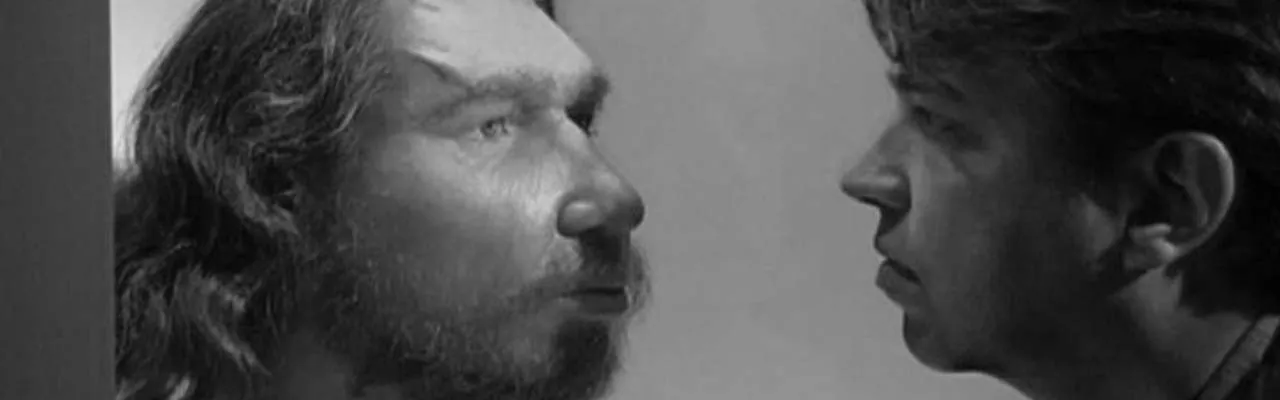
Humankind's origins are traced back to a divergence from chimpanzees around five million years ago, highlighting the evolutionary relationship with great apes.
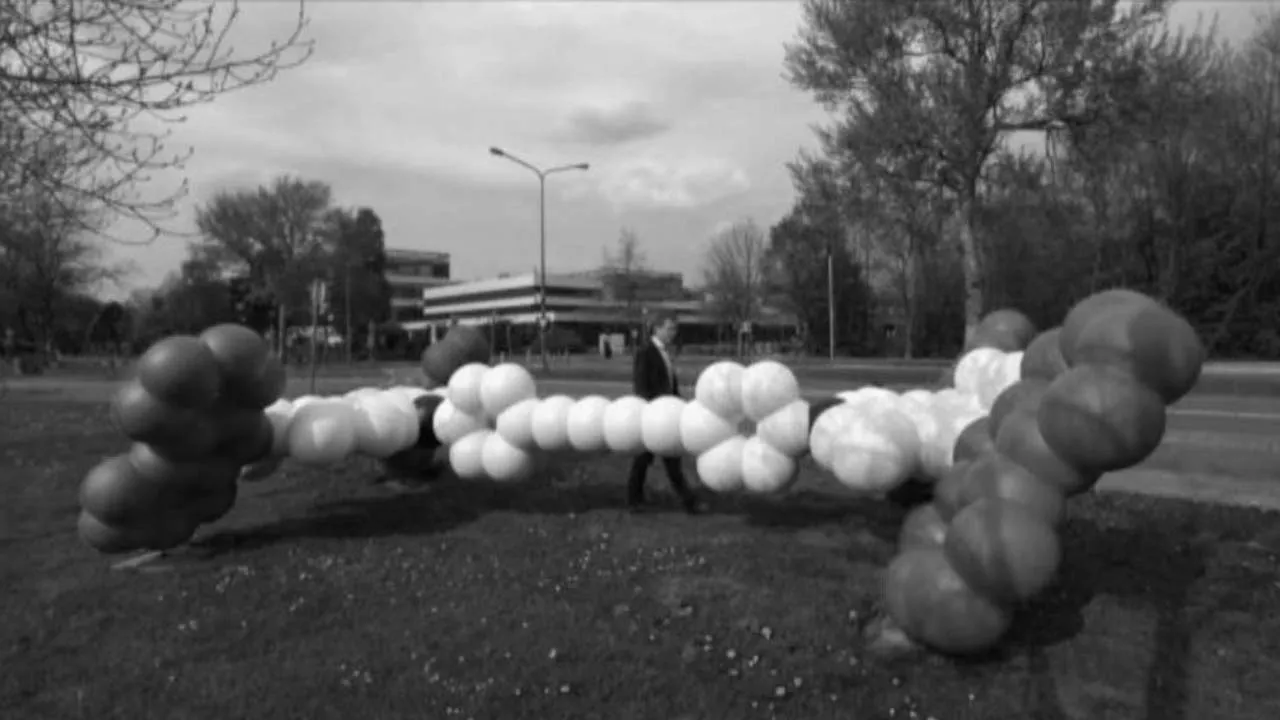
This is a magnified model of a nanocar. What can it do?
Discover the surprising truth behind a common myth - can farting actually make you weigh less?
The science behind the blue appearance of the sky is explained through light scattering and atmospheric phenomena, enhancing understanding of natural optics.
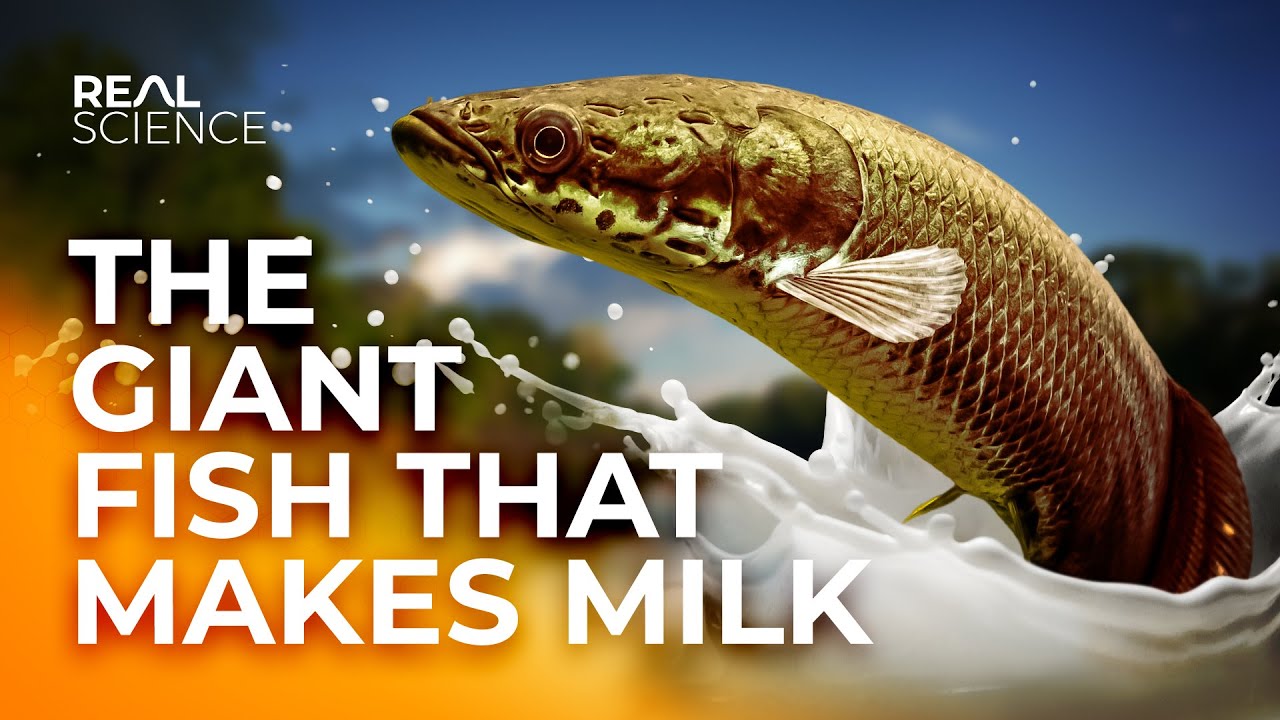
In the Amazon River, the arapaima fish, known for its massive size, produces a unique form of milk that challenges traditional understandings of fish reproduction.
Humans exhibit complex biological systems that influence behavior, health, and evolution, highlighting the intricate interplay of genetics and environment.
In the Philippines, a rare blood type known as Rh-null is sought after for its life-saving potential, raising ethical questions about blood donation and distribution.
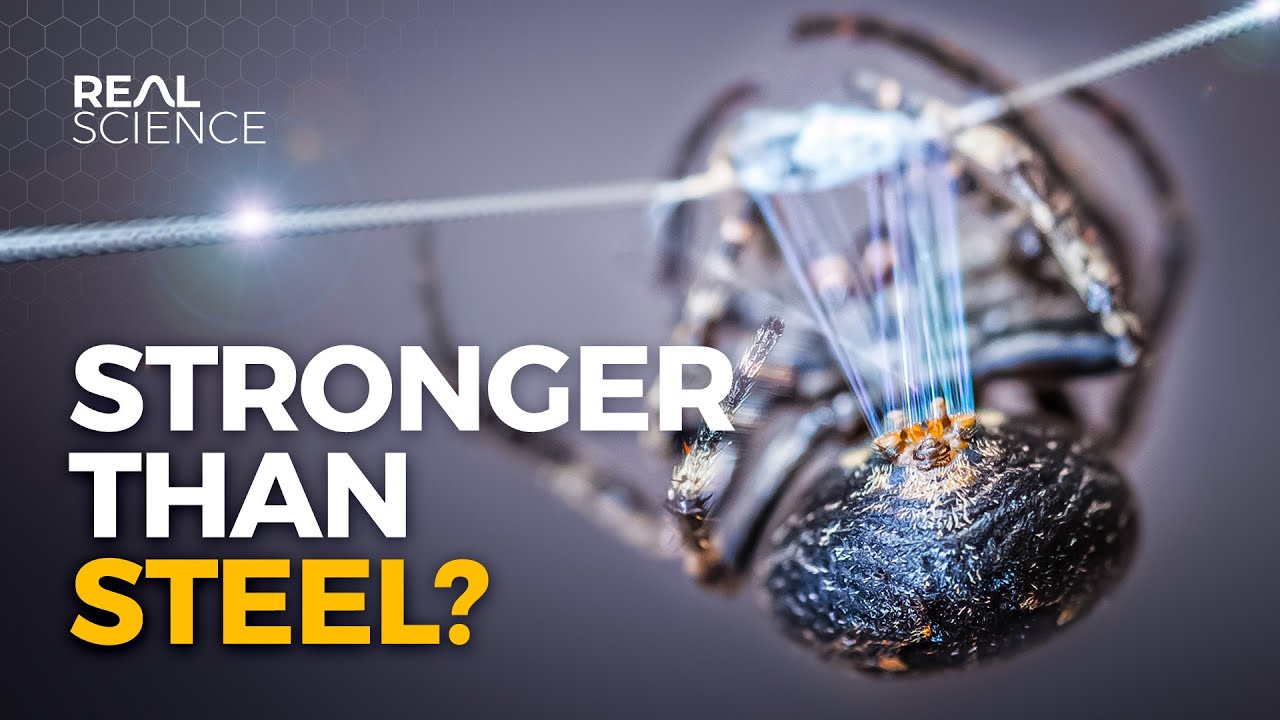
Spider silk, produced by various arachnids, exhibits tensile strength greater than steel, prompting research into its potential applications in materials science.
The venom of the box jellyfish, found in the waters of Australia and Southeast Asia, is examined for its lethal effects and medical implications.
Viruses play a crucial role in the evolution of life on Earth, influencing genetic diversity and the development of complex organisms.





![Documentary backdrop image for Top 10 Facts - Space [Part 8] (2017)](https://i.ytimg.com/vi/7tgdvkRY1L8/maxresdefault.jpg)