From over 100,000 films, discover the handful you'll love.
Free or premium access to the world's largest documentary library.
17 films
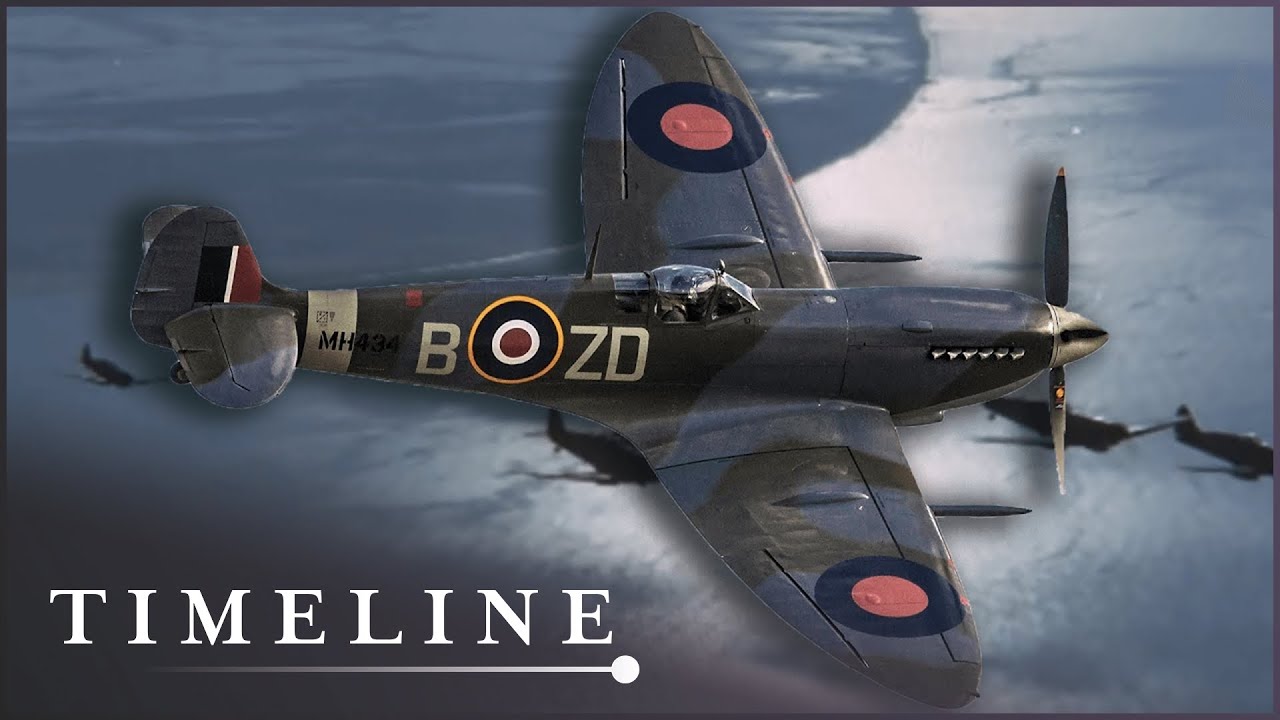
Over 2,500 Spitfires were built and served in the RAF until 1954, becoming a symbol of Britain's fight against invasion during World War II.
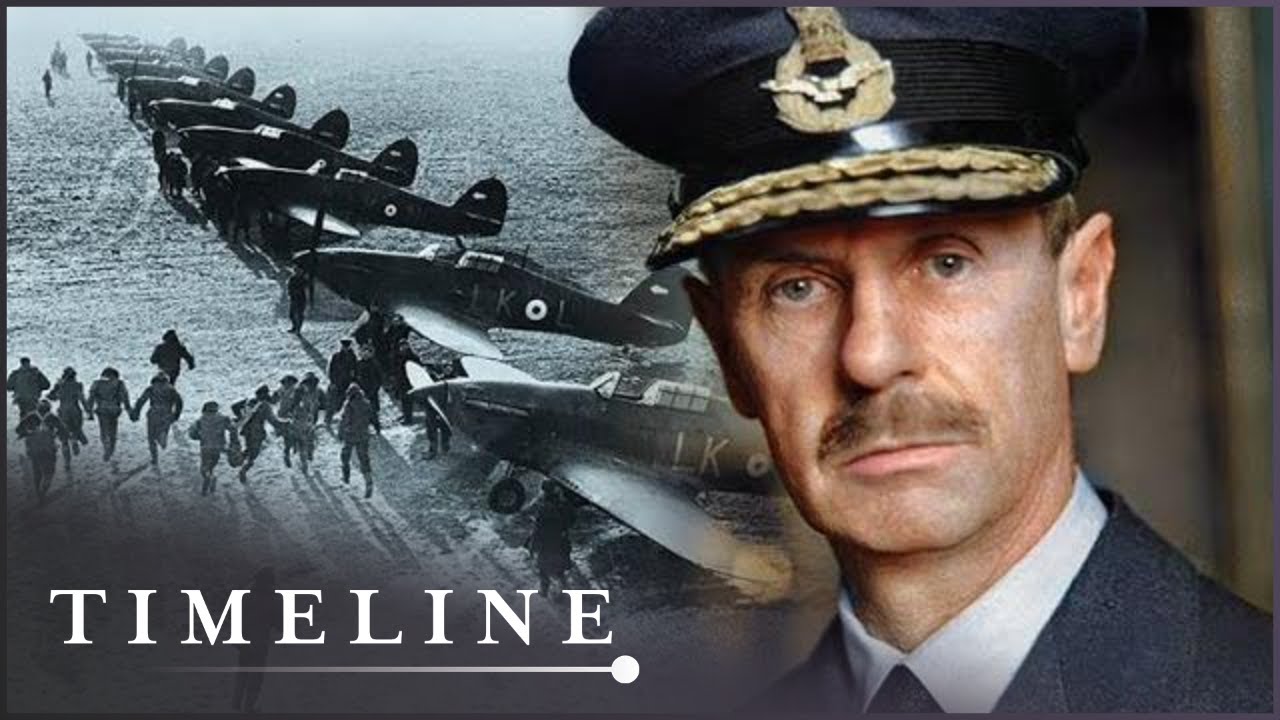
In 1940, Air Chief Marshal Hugh Dowding led RAF Fighter Command with only 34 squadrons available to defend Britain against the Luftwaffe's attacks.
Five million people from the Commonwealth served in World War II, with four Singaporeans fighting in distant theaters against the Nazis.
More than 100 fully equipped German divisions waited on the invasion coasts, poised to attack Britain during World War II.
On August 31, 1940, 39 British fighter planes were shot down, marking the deadliest day of the Battle of Britain.
A Typhoon jet, costing 60 million pounds and capable of flying at almost twice the speed of sound, represents the Royal Air Force's advanced technology.
10,000 enemy vehicles were destroyed or damaged during U.S. 12th Air Force bombing missions over Italy in 1944.
On July 10, 1940, six Hurricanes patrolled over Dover and engaged 50 enemy aircraft, marking the start of the Battle of Britain.
More than 3 million German soldiers launched an invasion on June 22, 1941, marking a significant escalation in World War II.
The England game resulted in the deaths of 54 agents and 83 RAF air crew during a failed British intelligence operation in Nazi-occupied Holland.
B-24 Liberators were deployed in August 1943 to support the French Resistance by delivering supplies and gathering intelligence on German troop movements.
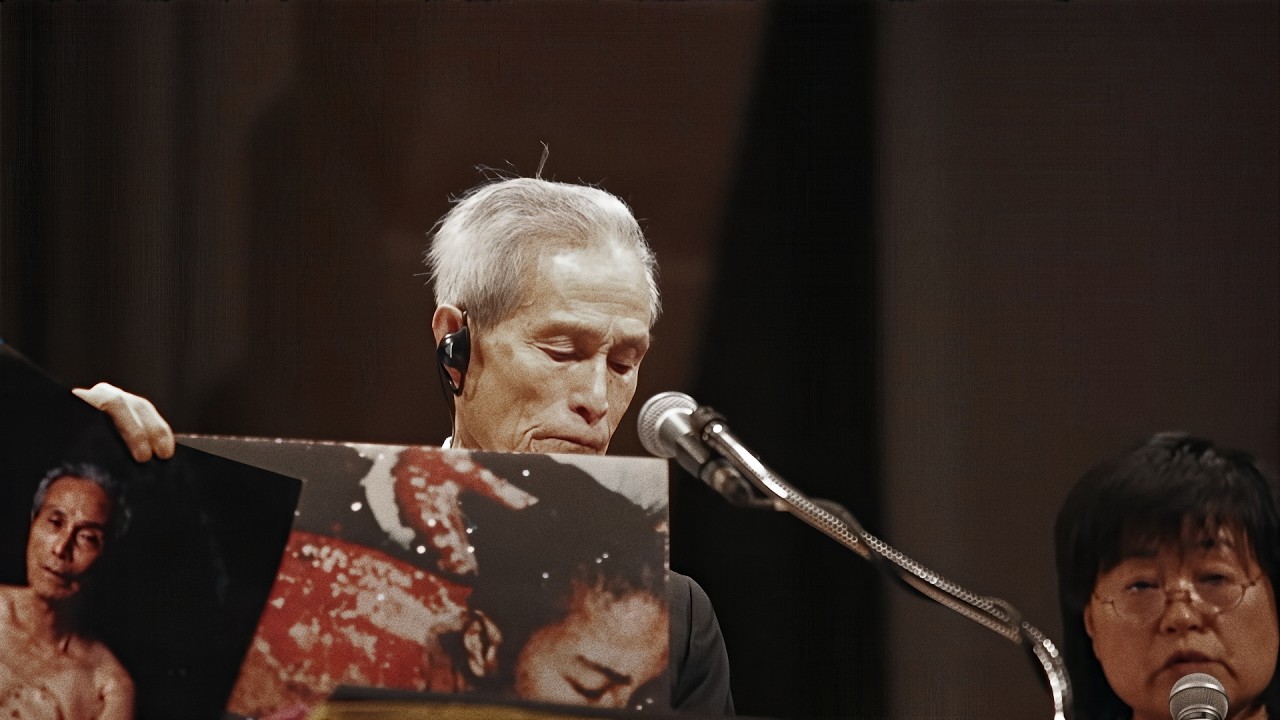
In August 1945, Sumiteru Taniguchi was 16 years old when he survived the atomic bombing of Nagasaki, an experience that deeply influenced Peter Townsend's writing.
More than 9,000 Allied aircraft faced fewer than 2,500 German planes during World War I, marking a significant shift in aerial warfare.
10,000 men and women of the services participated in the coronation of Queen Elizabeth II, with Canada contributing a significant contingent.
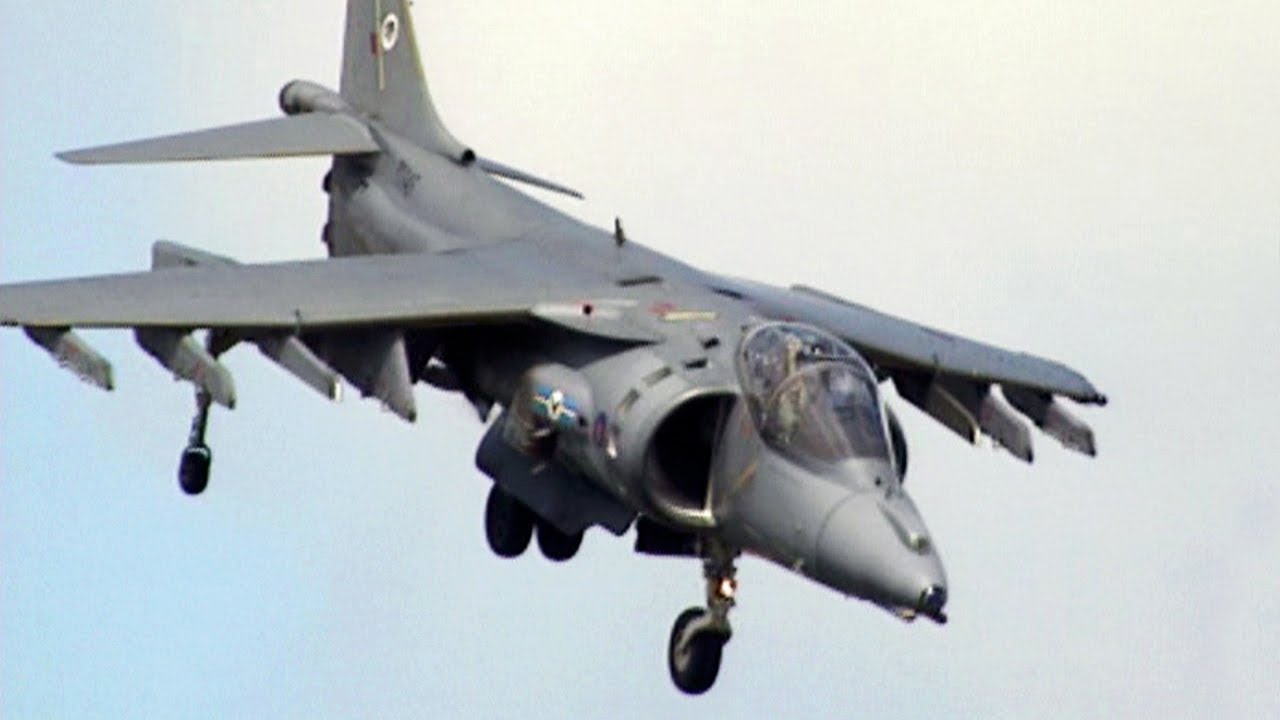
A Harrier Jump Jet can take off from a runway as short as 600 feet, while conventional military jets require up to 9,000 feet.
The attack on Shell House lasted approximately four minutes, resulting in the destruction of vital Gestapo records and the escape of most imprisoned resistance fighters.
Winston Churchill delivered his first address as Prime Minister on May 19, 1940, during a critical moment in World War II, as German forces advanced in France.