From over 100,000 films, discover the handful you'll love.
Free or premium access to the world's largest documentary library.
47 films
In Wilmington, North Carolina, a violent coup in 1898 led by white supremacists resulted in the overthrow of the democratically-elected government and the massacre of Black residents.
Rebuilding efforts in 1946 highlight the struggle of nations to recover from WWII's devastation while superpowers vie for influence in a fragile new world order.
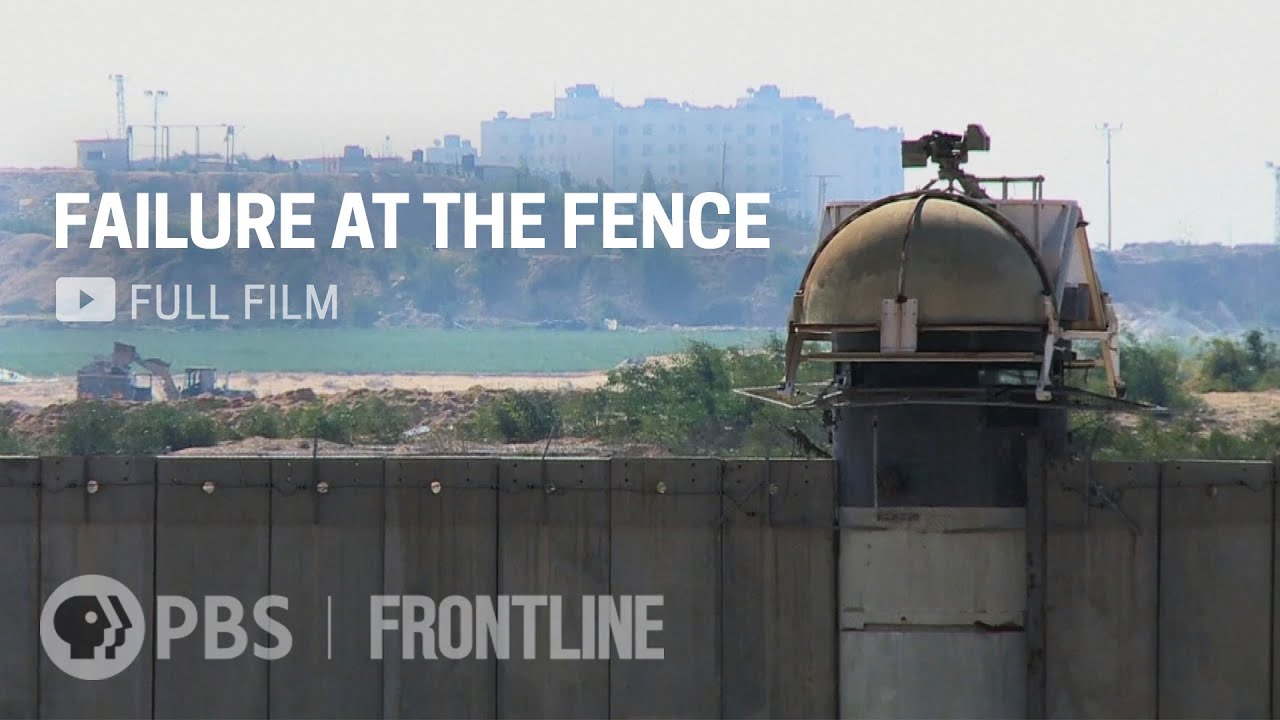
Hamas successfully breached Israel's security barrier on October 7, 2023, revealing critical vulnerabilities overlooked by Israeli defenses.
The Tennessee Valley covers an area of 40,000 square miles, nearly as large as England, and faced severe economic challenges before the TVA's intervention.
David Bremner shares his grandfather's experiences as one of the first airmen at Gallipoli, alongside the reconstruction of a historic Bristol Scout plane.
More than 100,000 people have died in the long-running conflict in Mindanao, where the Islamic State seized Marawi in 2017 for five months.
The Humboldt Forum, built at a cost of 680 million euros, is a reconstruction of Berlin's former Royal Palace, sparking intense debate over its cultural implications.
Coventry's transformation over 21 years post-Blitz highlights its evolution through democratic planning, featuring insights from various community voices.
On September 6, 2022, a giant scaffolding tower reaching 100 meters in height was erected to begin the reconstruction of Notre-Dame de Paris.
Dan Cruickshank and Charlie Luxton explore the reconstruction of Claude Grahame-White's historic aviation watchtower, revealing its architectural significance.
August 2020 marked the 100th anniversary of women's suffrage, yet Black women continued to face significant barriers to voting rights in the United States.
One month before General Lee's surrender, a crowd gathered in Washington, D.C. for President Abraham Lincoln's second inauguration.
Historic buildings are carefully dismantled and reconstructed in new locations, highlighting their significance and the importance of preserving history.
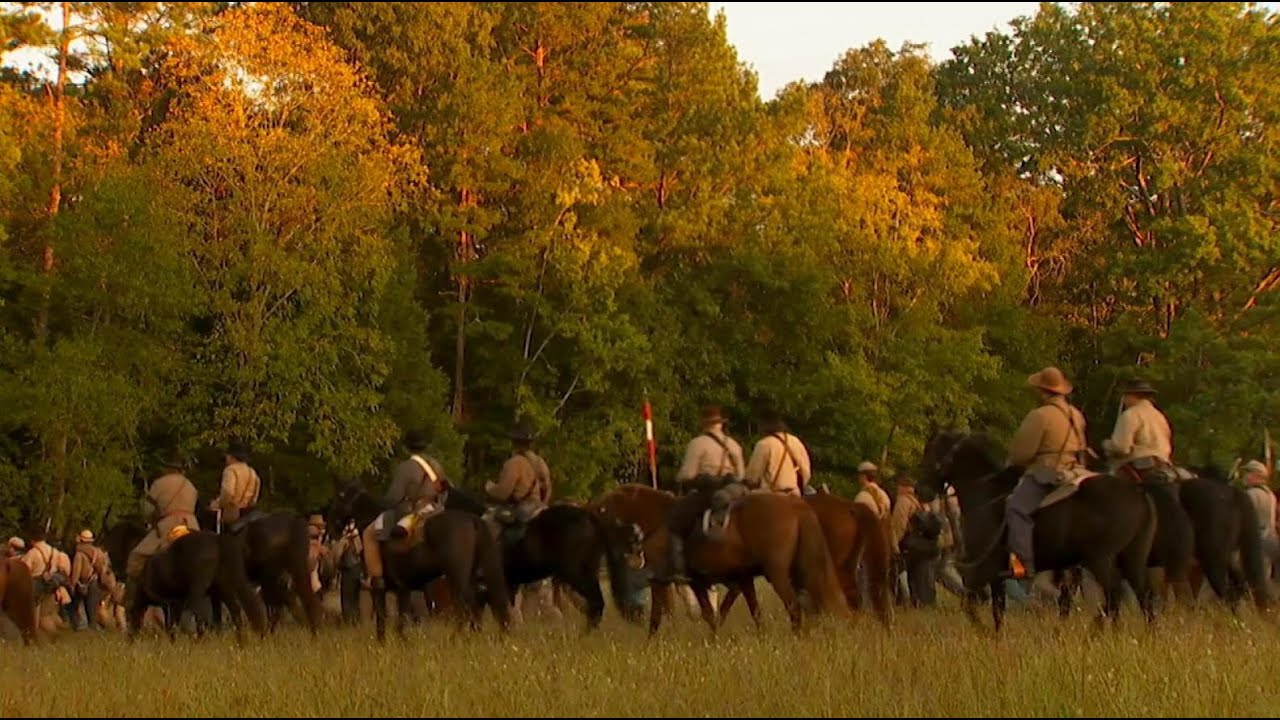
57% of white males in Confederate states were required to take a loyalty oath to return to the Union after the Civil War, according to the Wade-Davis Bill.
Four infamous murder cases from the Civil Rights Era are reopened, leading to prosecutions of individuals who evaded justice for decades.
Mostar bridge, destroyed during the Bosnian war, is being rebuilt as a symbol of unity and hope for a reconciled Bosnia and Herzegovina.
On February 21, 1868, the House of Representatives voted 128 to 47 to adopt the resolution to impeach President Andrew Johnson.
Kumaratunga, Sri Lanka's president, faces criticism for her handling of the civil war and tsunami relief while navigating a politically turbulent landscape.
In April 1865, Black people made up only about 1 percent of the population in Northern free states, complicating their fight for voting rights.
During his first two years in office, William McKinley appointed nearly as many African Americans to federal positions as all previous presidents combined.
Nearly 3,000 documents from the National Archives reveal Walt Whitman's connections to the government and his experiences during the Civil War and Reconstruction.
Three speeches from Union veterans in 1913 mark the end of a 50-year struggle for civil rights alongside African American comrades.
America's two-decade military intervention in Afghanistan, marked by failed nation-building efforts and cultural misunderstandings, culminated in the Taliban's return to power.
American tax dollars flow into Afghanistan's reconstruction amid rampant fraud, while Rio de Janeiro faces extreme measures to combat crime before major events.
September 11, 2001, is presented through raw footage and audio, capturing the chaos and confusion of the day as events unfolded in real time.
September 11, 2001, unfolds through raw footage and audio, capturing the escalating realization of an attack as events transpire in real-time.
September 11, 2001, is presented through raw footage and audio, capturing the immediate realization of terrorism as events unfolded in real time.
Cutting-edge building techniques are showcased as solutions for creating disaster-proof homes that withstand hurricanes, wildfires, tornadoes, and floods.
In Lashkargah, Afghanistan, the mid-2000s heroin epidemic exacerbates the security crisis, leading many youth to addiction as hope for recovery diminishes.
Watch Part Two to see the ongoing trouble in Gaza after the recent war.
Eighteen Black soldiers, including Sergeant George Jordan, received the Medal of Honor for their bravery during the Indian Wars in the late 19th century.
Germany is still reeling from last week's floods, with over 160 dead and a 400 million euro relief package approved.
Angola produced about $700 million in diamonds last year, with the vast majority smuggled out of the country, depriving its people of vital resources.
Kiev's Independence Day parade displays military might while Donetsk rebels counter with a march.
Dateline meets the people of Lebanon returning to their homes after months of war and destruction.
The Migrant Trap reveals how Libya traps African migrants seeking access to Europe.
30 million people in Germany are searching for lost family members in the aftermath of World War II, struggling to rebuild their lives amid devastation.
Katie and Nikki share their experiences of resilience and transformation after surviving domestic abuse and undergoing multiple facial surgeries.
Willis Hodges becomes the first Black lighthouse keeper at Cape Henry Lighthouse in 1870.
The early civil rights movement is examined through a webinar featuring resources from New American History, including films and lesson plans.
Ukrainian leaders are requesting $17 billion in funding to rebuild critical infrastructure, particularly the energy grid, after recent Russian attacks.
European reconstruction in 1946 is depicted through the struggles of war-ravaged children, the aftermath of the Lidice massacre, and UNRRA aid distribution.
America rebuilds after the Civil War during Reconstruction from Andrew Johnson to Chester A. Arthur.
America's Age of Reconstruction, from 1865 to 1885, highlights the challenges faced by Presidents Andrew Johnson and Chester A. Arthur in rebuilding a fractured nation.
Indonesia uses Tsunami aid as a cover for military actions in Aceh in February 2005.
John Gurche creates life-like sculptures of early ancestors for Smithsonian Spotlight: Human Origins.
A $2,000 bonus and a month’s pay await veterans as they transition from military service to civilian life in post-World War II Canada.