From over 100,000 films, discover the handful you'll love.
Free or premium access to the world's largest documentary library.
43 films
An American right-wing extremist's transformation from radicalization to self-reflection reveals the complex roots of hate and the possibility of redemption.
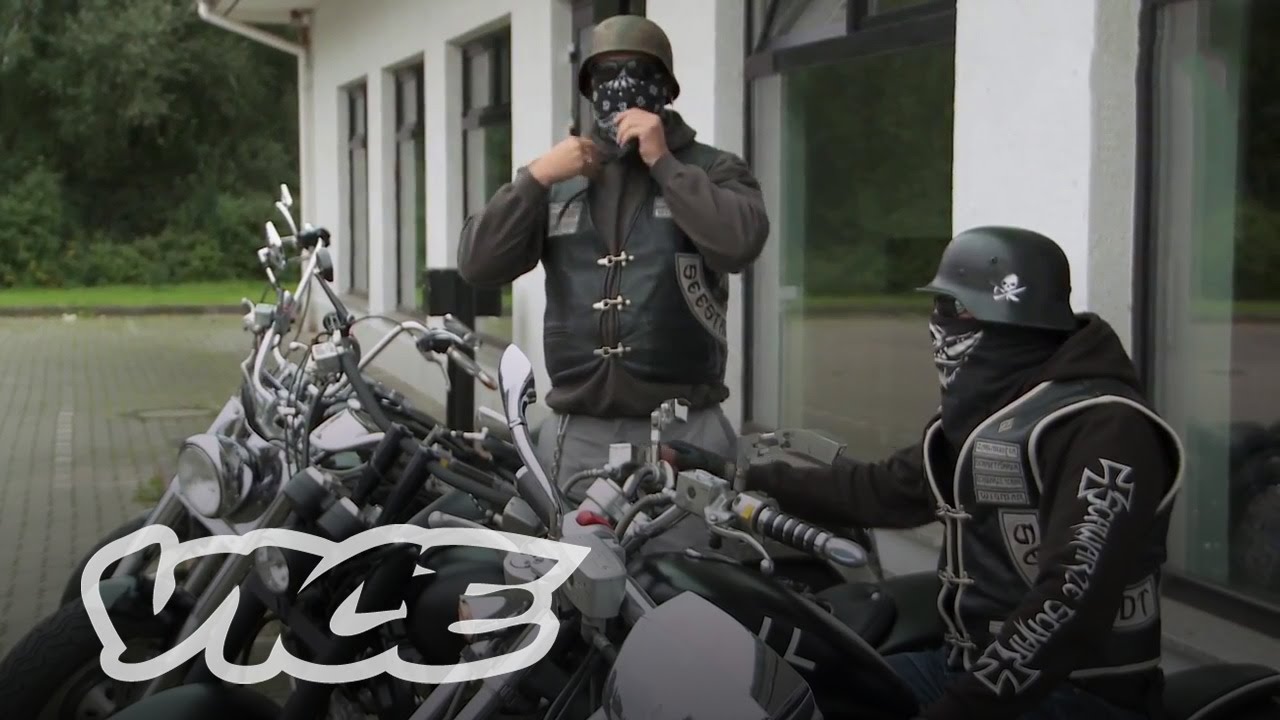
Members of the Black Flock Motorcycle Gang, a German biker club, share their experiences of leaving neo-Nazi beliefs behind and embracing a new identity.
The rise of ISIS is examined through the lens of missed warnings and critical decisions made by the U.S. in the years leading up to its formation.
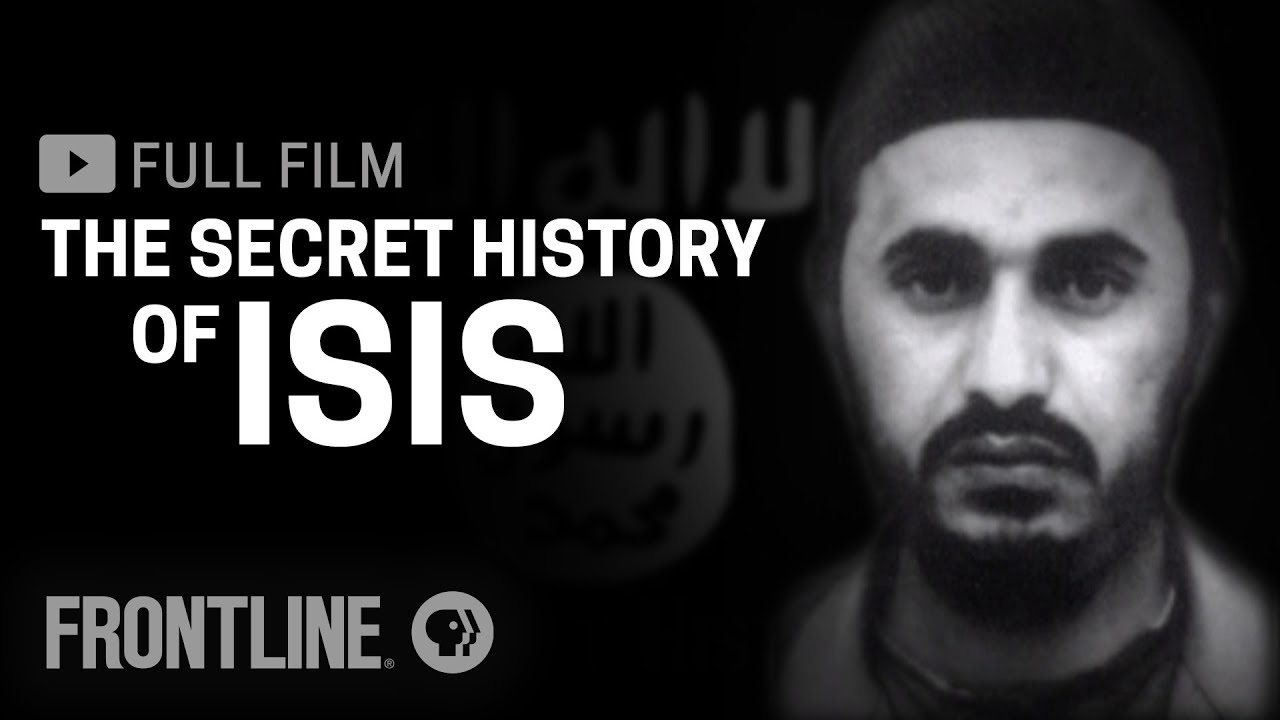
Ibrahim Aouad's transformation into Abu Bakr al-Baghdadi highlights the rapid rise of ISIS and the complex factors that enabled its control over vast territories.
Conspiracy mentality thrives in the digital age, fueled by targeted disinformation that radicalizes online communities, particularly among women, during the pandemic.
A new generation of white supremacists across Europe poses a significant threat to democracy, as they actively plot violence against perceived enemies.
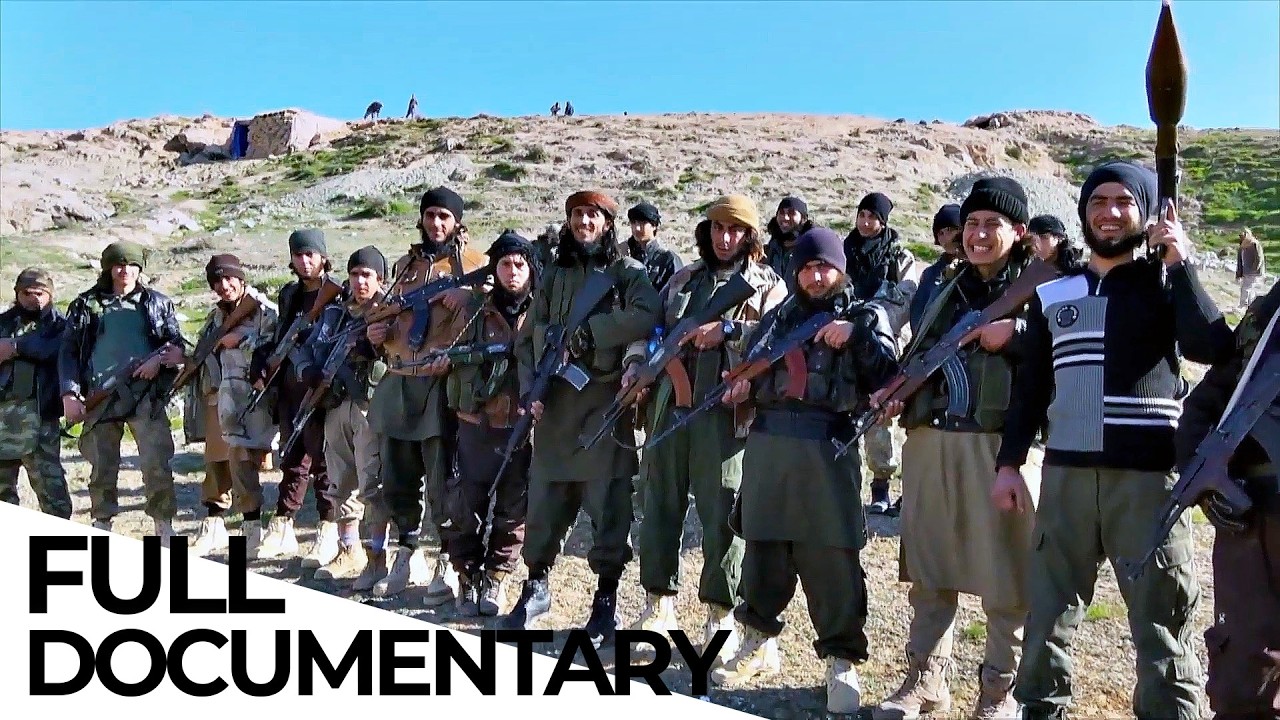
In March 2019, the fall of Baghouz marked the end of ISIS's territorial control, yet the group remains a significant threat with an estimated 10,000 fighters in Iraq and Syria.
Mahomet's relationships with women reveal a complex figure who embraced love and tolerance, challenging contemporary radical interpretations of Islam.
Heinrich Himmler, the second most powerful figure in Nazi Germany, was responsible for the genocide of millions and the establishment of death camps.
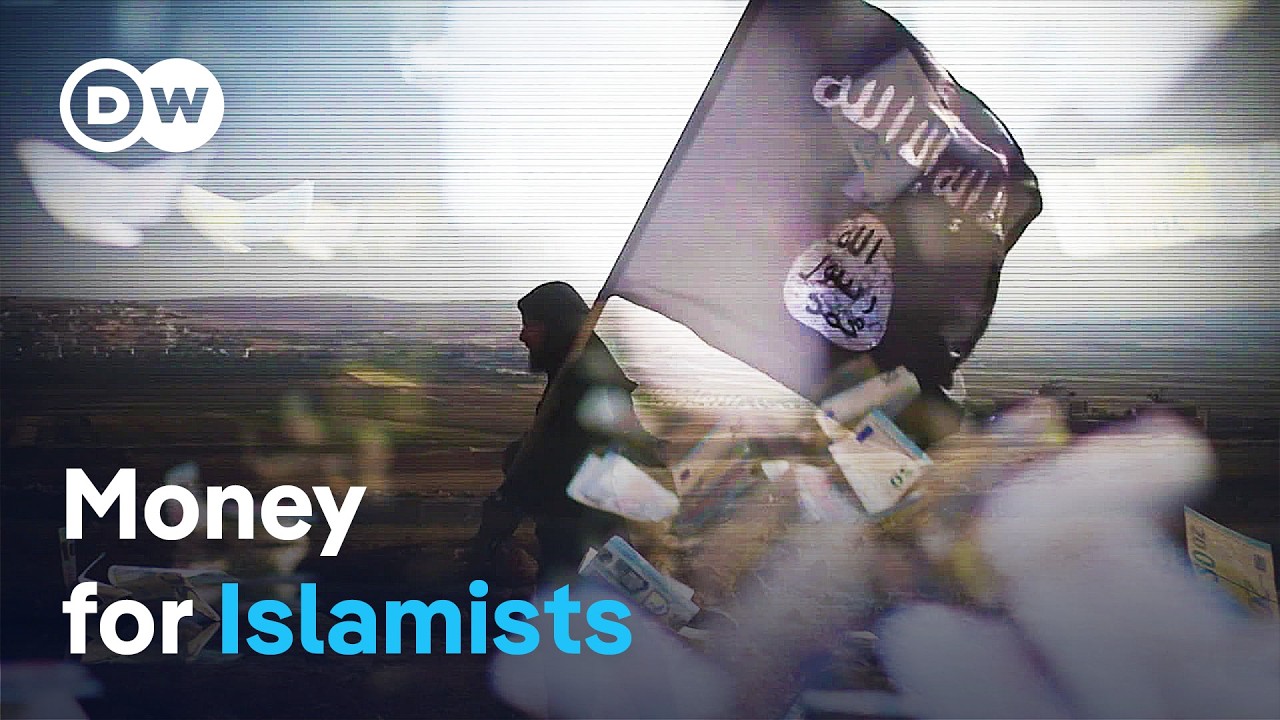
Islamist terrorism is partially financed by donations from Germany, with investigations revealing how money flows to extremist groups like Hamas and the Islamic State.
Abu Bakr al-Baghdadi's transformation from aspiring lawyer to notorious terrorist is explored through personal accounts and exclusive insights from those close to him.
Radicalized farmers and ranchers in Montana form a heavily armed militia, leading to the longest armed standoff in FBI history.
Samantha Lewthwaite, known as the 'White Widow,' is a British fugitive linked to multiple terrorist attacks, including the deadly Westgate mall assault in Kenya.
Suicide terrorism is examined through the perspectives of perpetrators and victims, highlighting the motivations and consequences of this violent phenomenon.
Gulmurod Kalimov, once head of Tajikistan's Special Forces, became an ISIS leader after criticizing his country's corruption and calling for jihad against it.
Islamic extremists in Indonesia may operate with the complicity of security agencies, raising questions about the motivations behind the war on terror.
Radicalized farmers and ranchers in Montana form a heavily armed militia, resulting in the longest armed standoff in FBI history.
Nineteen-year-old Hassam Smati plotted a devastating attack in Dallas, but an FBI undercover sting thwarted his plans to detonate a massive truck bomb.
Ahmad Ramadan leads a secret network tracking down former ISIS fighters in Europe, holding them accountable while facing threats from the very group they oppose.
Abu Bakr al Baghdadi's transformation from a wannabe lawyer to the leader of ISIS is explored through interviews with family members and elite Iraqi forces in Iraq, Lebanon, and Jordan.
In Southeast Asia, women are increasingly involved in terrorism, with 80% of suicide bombings attributed to female jihadists in Indonesia, Malaysia, and the Philippines.
The motivations behind the London 7/7 bombers are explored through the perspectives of friends and neighbors, revealing deep-seated feelings of alienation and racism.
A journalist infiltrated a French ISIS cell for six months, capturing the radicalization and activities of young jihadists preparing for an attack.
Ibrahim Aouad's transformation into Abu Bakr al-Baghdadi is explored alongside ISIS's rapid territorial expansion and the factors enabling its rise in the Middle East.
Amedy Coulibaly and the Kouachi brothers exemplify how identity crises and societal fractures can lead European children of immigrants to embrace extremism for ISIS.
Aman Abdurrahman, Indonesia's radical cleric, orchestrated the Thamrin Street attack from prison, highlighting how incarceration facilitates ISIS recruitment and radicalization.
Gulmurod Kalimov, a former Tajik counter-terrorism chief, became an ISIS recruiter, highlighting the rise of Islamic extremism in Central Asia amid widespread corruption.
Mumbai's 2008 hotel siege reveals the harrowing experiences of trapped Australians, as they recount their fears and the chaos surrounding their rescue.
Salafists in Germany grow rapidly, raising concerns about radicalization and terrorism.
Children living in ISIS-controlled areas are systematically recruited and indoctrinated to become the next generation of fighters for the organization.
Brenton Terrance's manifesto reflects online white power culture and radicalization methods.
Online gaming platforms like Steam and Twitch have become venues for far-right extremism, where radical ideologies spread through memes and anti-woke rhetoric.
Many young offenders in France are radicalized in overcrowded prisons known for Jihadism.
Holland becomes a European centre for Islamic extremists exploiting liberal laws for recruitment.
On May 22, 2013, Michael Adebolajo and Michael Adebowale attacked soldier Lee Rigby with knives and a meat cleaver in London, resulting in his death.
A Danish Muslim questions his friends' plans for violence inspired by al-Shabaab in Copenhagen.
Prime Minister Rishi Sunak appointed David Cameron as foreign secretary to build on achievements in British foreign policy during a challenging year.
Since 2004, targeted killings of monks in southern Thailand have intensified tensions between Muslim separatists and the ruling Buddhist authorities.
Six minors are on trial in Paris for their roles in the murder of teacher Samuel Paty.
Three London schoolgirls, aged 15 and 16, traveled to Turkey on February 17, 2015, and are believed to have joined the Islamic State in Syria.
More than 20 Australian citizens have been listed by Western intelligence agencies as Persons of Interest for their alleged involvement in radical organizations.
Three quarters of Somalis rely on money sent from family abroad, but US actions have frozen access to their main bank, Al Barakaat.
Five Britons per week traveled to Syria in 2014 to join militant groups, including 19-year-old Ibrahim Kamara from Brighton, who was later killed.