From over 100,000 films, discover the handful you'll love.
Free or premium access to the world's largest documentary library.
35 films
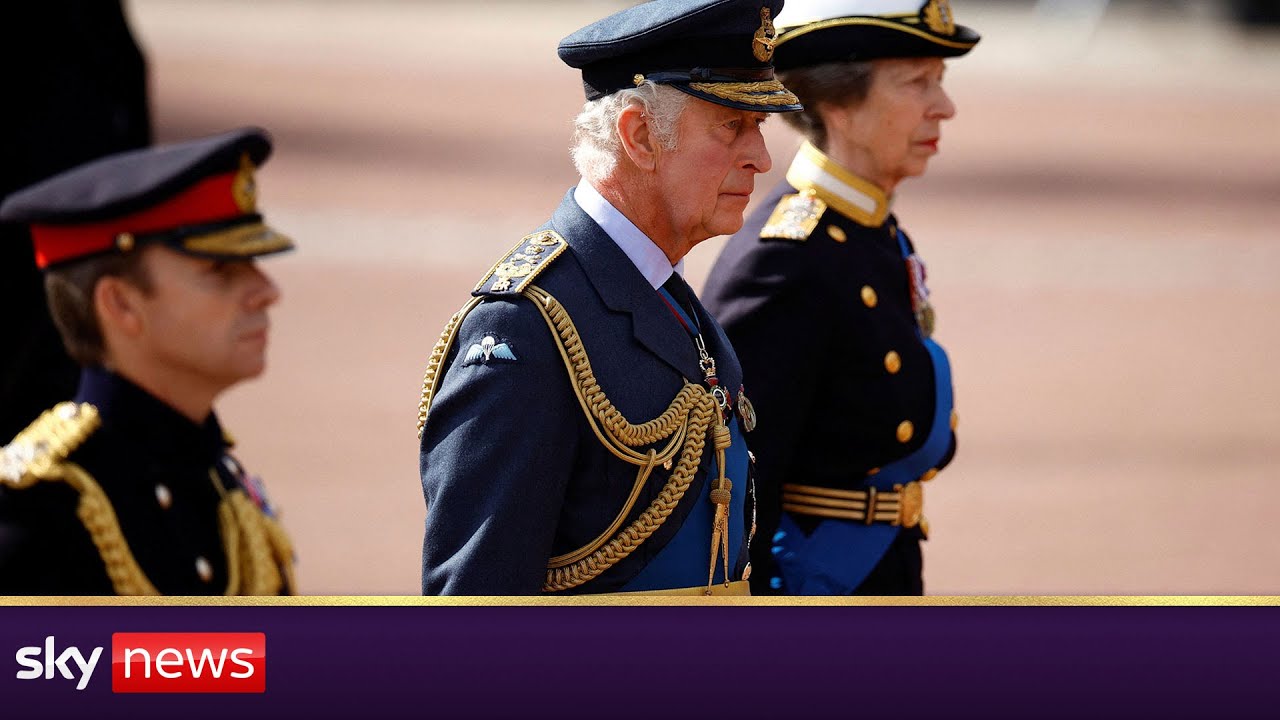
The first battalion grenadier guards escort the coffin of the late queen, with their arms reversed as a sign of respect during the procession to Westminster Hall.
Around 80,000 people were killed during Boudicca's rebellion against Roman rule in 60/61 AD, marking a brutal chapter in Celtic history.
King Thibaw, the last king of Burma, was exiled to India in 1885, marking the end of a monarchy that lasted for over a thousand years.
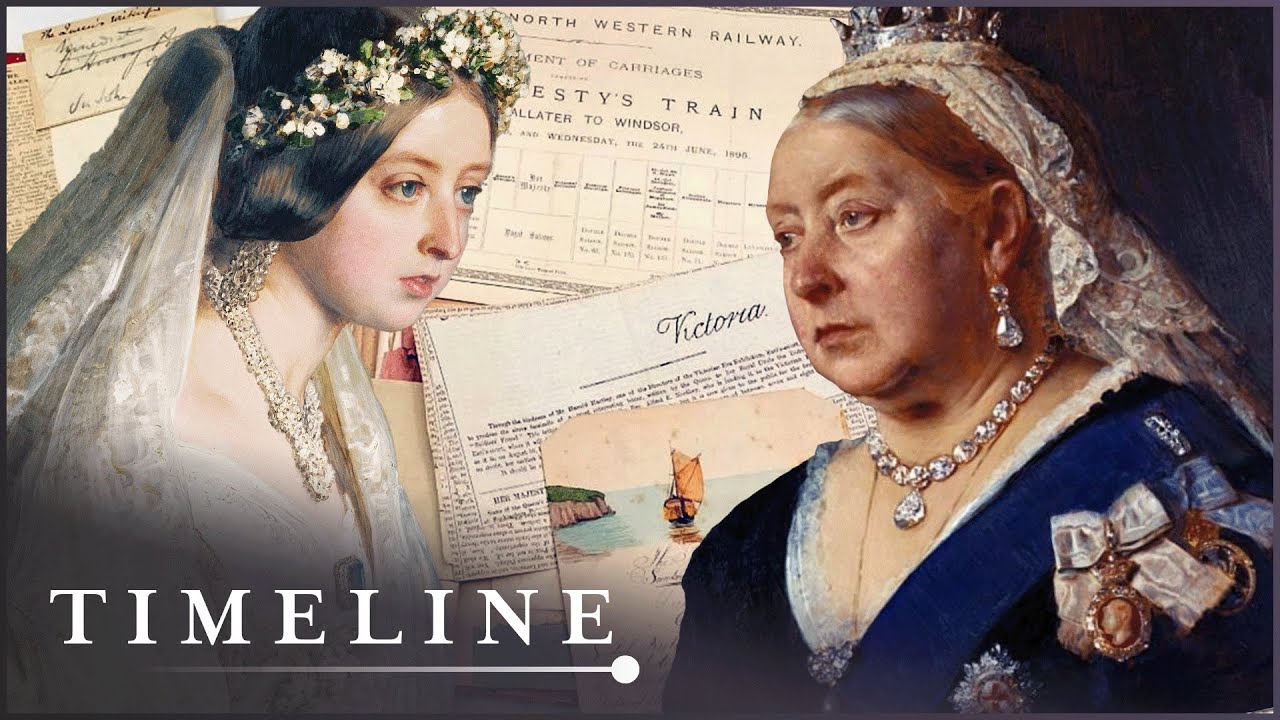
Queen Victoria was born on May 24, 1819, at Kensington Palace in London, where she was privately christened by the Archbishop of Canterbury.
A female inmate escaped from Bellevue sanatorium in Switzerland on July 27, 1932, but was apprehended before reaching the German border.
Queen Victoria wrote more than 50 million words in her journals and letters, revealing her complex emotions and experiences throughout her life.
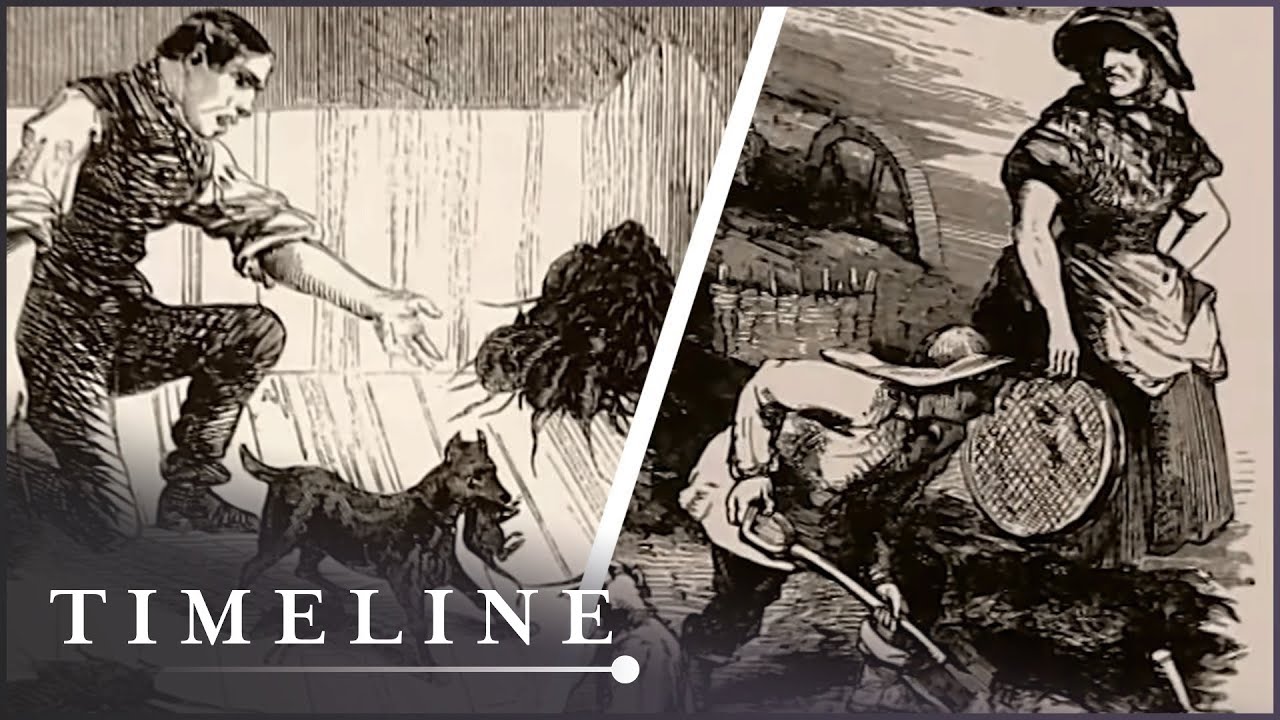
Five or six tonnes of coal had to be shoveled daily by engine cleaners, a job described as one of the worst in Victorian Britain.
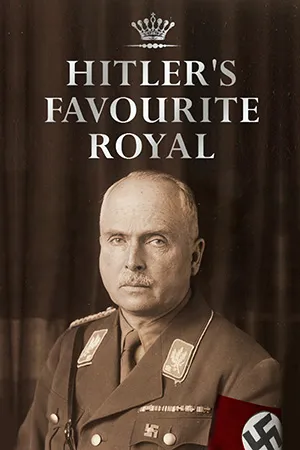
Prince Charles Edward, born on July 19, 1884, became a Nazi sympathizer and a controversial figure in the British royal family's history.
Nine children were born to Edward VII and his wife, Queen Alexandra, during his reign from 1901 to 1910, shaping the future of the British monarchy.
Boudicca led a force of tribes against the Roman army in 60 AD, with her warriors outnumbering the legions by as many as 20 to 1.
Queen Victoria wrote extensively in her journals, documenting her thoughts on state matters, family, and personal relationships throughout her life.
Kaiser Wilhelm II was born on January 27, 1859, in Berlin, and his difficult birth left him with a permanently damaged left arm.
Around 3 million people gathered in central London on June 22, 1897, to celebrate Queen Victoria's Diamond Jubilee, captured on film for future generations.
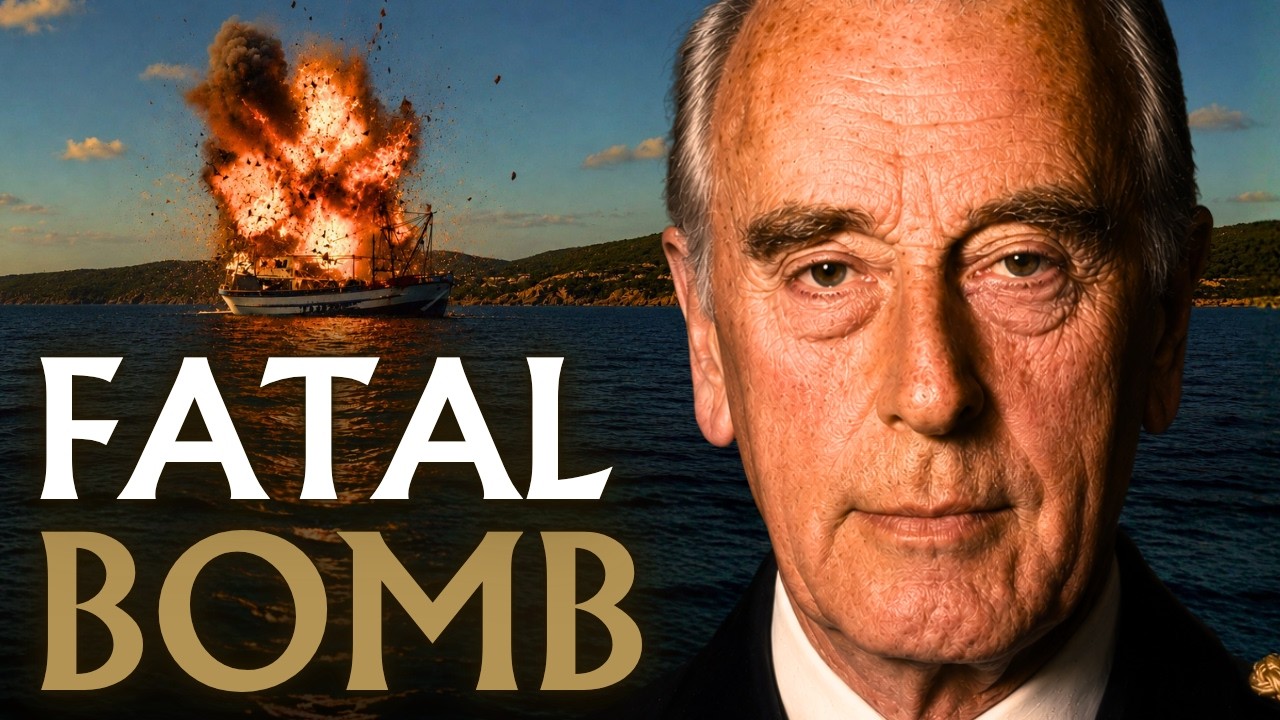
On August 27, 1979, an IRA bomb explosion off the coast of County Sligo kills Lord Mountbatten, a prominent member of the British royal family.
Britain's population rose from 25 million in the early 1800s to almost 40 million by the end of the Victorian era, reflecting significant societal changes.
Stan Laurel was born on June 16, 1890, in a house on Argy Street in Lancashire, England, where his comedic legacy began.
Two thousand Zulu warriors died in less than half an hour during the Battle of Isandlwana, marking a significant defeat for the British Army in 1879.
Geoffrey Chaucer, in The Canterbury Tales, described 14th-century luxury with a featherbed adorned in gold and fine black satin.
Britain fought 111 wars around the globe during Queen Victoria's 60-year reign, shaping its Caribbean empire through military and colonial practices.
53 people appear in a painting commemorating Queen Victoria's golden jubilee, representing her extensive family that influenced European royal politics.
Prince Albert Victor was born on January 8, 1864, and became embroiled in scandals, including rumors linking him to the Jack the Ripper murders.
A Beagle can weigh between 20 to 30 pounds and is known for its strong sense of smell, making it effective in hunting and detection roles.
Queen Victoria and Prince Albert introduced the Christmas tree tradition to Britain in 1840, shaping modern holiday celebrations with their royal influence.
In 1885, King Thibaw of Burma was exiled to India, where he remains entombed, marking the end of a thousand years of monarchy.
General Tom Thumb, born Charles Stratton, stood at just 25 inches tall and performed for over 50 million people during his career in the 19th century.
Prince Charles Edward, born on July 19, 1884, became a close ally of Hitler and was later labeled a Traitor Peer for his Nazi affiliations.
Nine days after Louis Riel was hanged in Regina, the last spike was driven into the Canadian Pacific Railway, marking a significant moment in Canadian history.
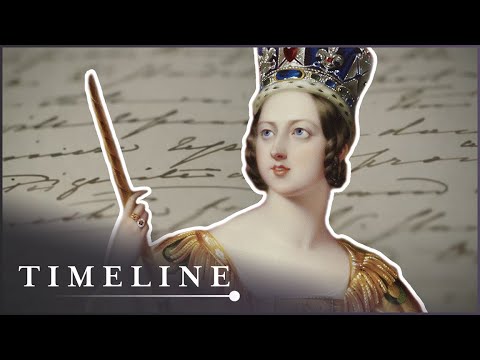
Queen Victoria was born on May 24, 1819, at Kensington Palace and led a life shaped by the restrictive Kensington System imposed by her mother.
A multi-millionaire hosted extravagant soirées for 19th-century high society at a lavish French chateau in the English countryside.
In 1949, Jacques Gréber proposed a comprehensive urban plan for Ottawa that included relocating factories and creating distinct neighborhoods.
Boudica's Rebellion inflicted 70,000 casualties on the Romans and their supporters, marking a significant uprising against Roman rule in Britain.
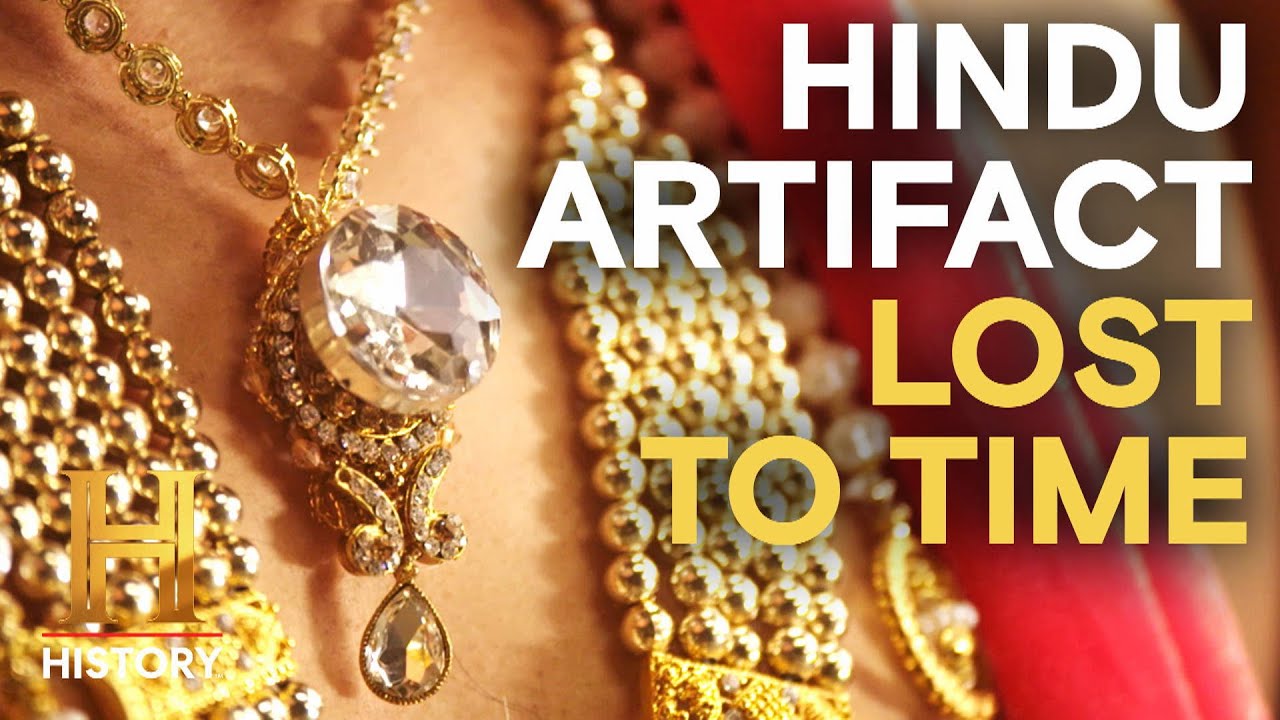
The Syamantaka gem can produce about 170 pounds of gold every day, equivalent to roughly $5 million, according to Hindu texts.
London has been a major settlement for almost 2,000 years, founded by the Romans in 43 AD and shaped by various monarchs and architects.
The world's largest Bohemian Crystal Chandelier, a gift from Queen Victoria, hangs in the ceremonial hall of Dolmabahçe Palace, completed in 1856.