From over 100,000 films, discover the handful you'll love.
Free or premium access to the world's largest documentary library.
45 films
A non-profit, volunteer-run project aims to preserve the legacy of the iconic 20,000 Leagues Under the Sea attraction through virtual reality experiences.
Mary Davies evaluates historic buildings across the North of England, highlighting their architectural significance and cultural heritage.
NASCAR's original tracks, vital to its rise as a major sport, face neglect as drivers and fans strive to preserve their historical legacy.
Looting of antiquities in Egypt has surged post-Arab Spring, with $3 billion worth of artifacts stolen, driven by global demand and a thriving black market.
Owlpen Manor in the Cotswolds showcases its architectural history and medieval significance, featuring elements like the Great Hall.
Pompeii, the ancient Roman city, faces new threats as experts utilize advanced technology to reveal the final moments of its citizens and assess volcanic risks.
Architectural historian Dan Cruickshank and designer Charlie Luxton explore the process of dismantling and reconstructing historic buildings to preserve their significance.
Book hunters played a crucial role in preserving ancient manuscripts during times of destruction, safeguarding vital historical knowledge for future generations.
Glass, tin cans, and concrete each transformed human life, showcasing their historical significance and future potential in technology and art.
Half a day from the Arctic Circle, Trondheim features well-preserved architecture and a welcoming atmosphere amid the stark beauty of the tundra.
Two teams of expert house movers race against time to relocate historic homes in Missouri and Nova Scotia, facing challenges from developers and bad weather.
Ancient ice patches in the Yukon and Norway are revealing well-preserved artifacts and human remains, offering insights into the lives of early peoples.
Historic buildings are carefully dismantled and reconstructed in new locations, highlighting their significance and the importance of preserving history.
The National Archives hosts an annual virtual Genealogy Fair, providing family history research tools on Federal records for participants of all skill levels.
Easter Island's iconic moai statues face deterioration due to environmental factors and tourism, prompting urgent preservation efforts amid local calls for cultural independence.
The 2017 National Archives Virtual Genealogy Fair featured presentations and resources aimed at helping individuals research their family history through the Know Your Records program.
Modern Turkey's construction of a massive dam in 2000 raises questions about environmental impact and the preservation of historical sites.
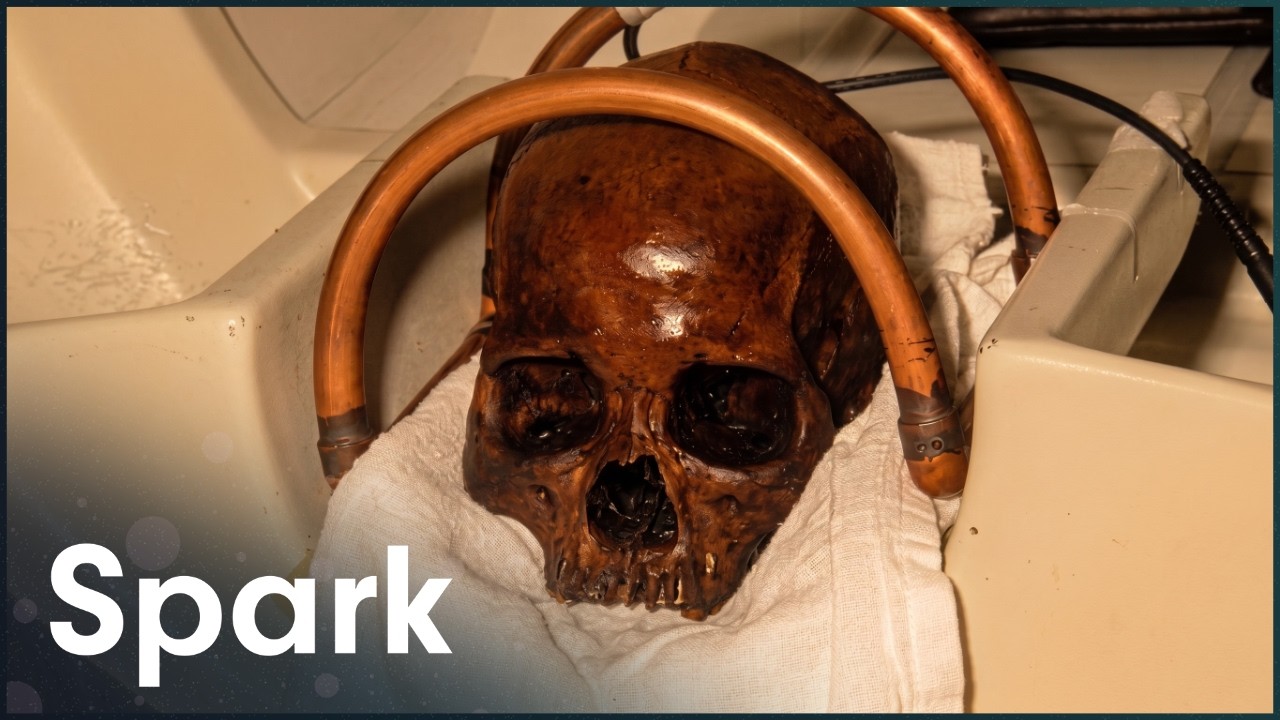
An 8,000-year-old skull from Florida's Windover Bog reveals a perfectly preserved human brain, offering insights into the mental capabilities of ancient Native Americans.
Carleton Watkins hauled 2,000 pounds of equipment on mules through Yosemite's rugged terrain to capture images that inspired the preservation of the national parks.
David Moses Bridges, a Maine Passamaquoddy craftsman, strives to preserve his cultural heritage and family while facing a rare form of cancer.
The National Archives was created in 1934 to preserve government records after significant losses due to poor storage and devastating fires.
A terabyte of digital storage now costs about $100, making it easier to preserve personal records and family memories.
In Peru's Amazon rainforest, illegal gold mining led by biologist Enrique Ortiz and journalists Ron Haviv and Donovan Webster results in severe environmental destruction.
In Mexico’s Revillagigedo Archipelago, free divers explore marine wildlife while advocating for conservation and coexistence with nature.
New technologies, including virtual reality and advanced scanning, are transforming the preservation of cultural heritage and enhancing archaeological research.
In Madagascar, European and Malagasy researchers implement an educational board game to engage locals in the conservation of the endangered Alaotra Gentle Lemur.
Petra, the ancient city in Jordan, faces significant threats from looting and black market sales, highlighting the urgent need for preservation efforts to protect its archaeological treasures.
The U.S. National Archives and Records Administration hosted the 2015 Virtual Genealogy Fair on October 21 and 22, featuring live broadcasts, handouts, and resources for genealogical research.
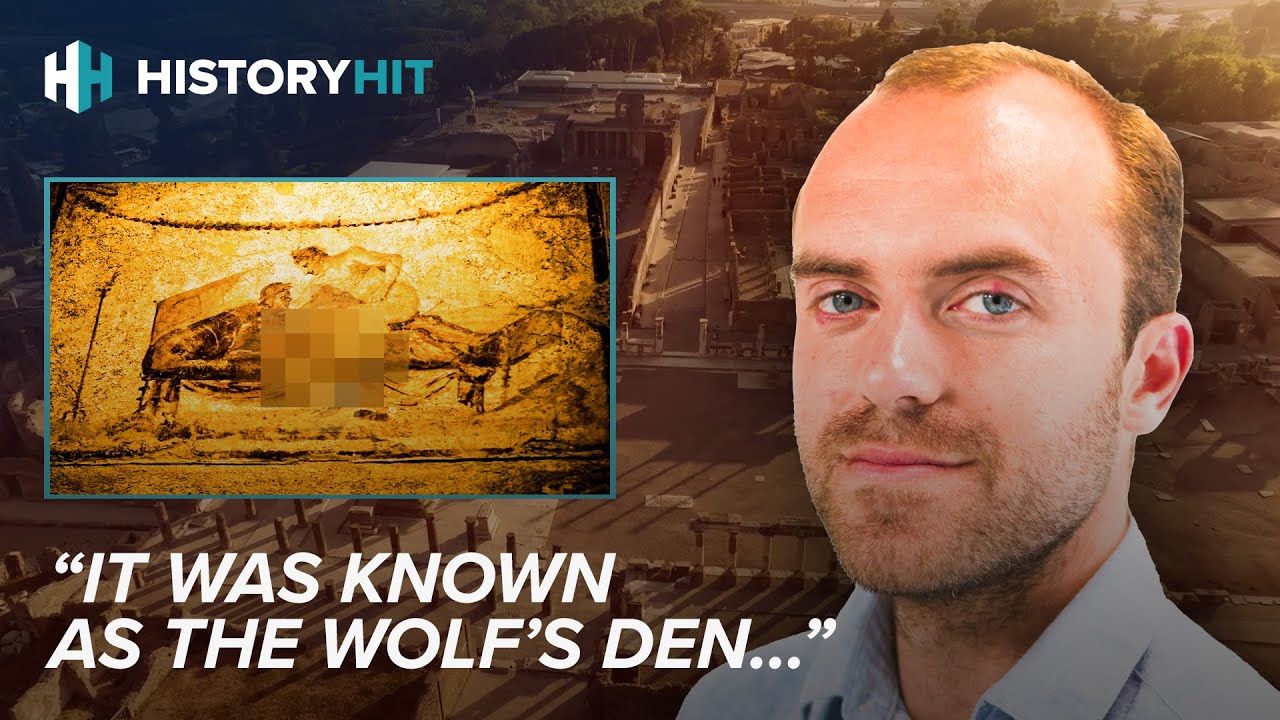
Pompeii's preserved ruins reveal the lives of everyday citizens, including entrepreneurs and sex workers, highlighting their stories amidst the town's tragic history.
A boy stumbles upon mysterious ancient scrolls while herding his goats.
Corine Wegener, a modern-day monuments woman, travels globally to preserve cultural heritage in conflict zones, highlighting the importance of safeguarding history.
Haiti's rural communities, deeply rooted in tradition and spirituality, face existential threats from deforestation and modern challenges, jeopardizing their cultural identity.
In 1952, archaeologists near the Dead Sea found The Copper Scroll, prompting a four-year effort to develop a method for unrolling it without damage.
In 1948, archaeologist Graham Clark led a dig at Star Car, uncovering one of the best Mesolithic settlements in Europe, preserved for 10,000 years.
Flick, a 22-year-old taxidermist, removes the brain from a juvenile greater spotted woodpecker as part of her artistic process.
Lawrence Wahba is filming two documentaries in Pantanal, Brazil, focusing on the region's wildlife and the need for conservation efforts.
NARA's Motion Picture, Sound and Video Office and The Film Preservation Laboratory work to restore and preserve historical films for future generations.
Amelia Fowler is commissioned by the Smithsonian Institution in 1914 to restore the Star-Spangled Banner by removing 1.7 million stitches with precision.
Dexter unearths a lost NBA Jam successor and highlights gaming preservation efforts.
Caitlin Abrams highlights the stories of individuals from around the world who died centuries ago, emphasizing the importance of preserving their final resting places and histories.
A Franco-Mongolian expedition in Mongolia aims to excavate a 2,300-year-old Scythian warrior's tomb, threatened by global warming and climate change.
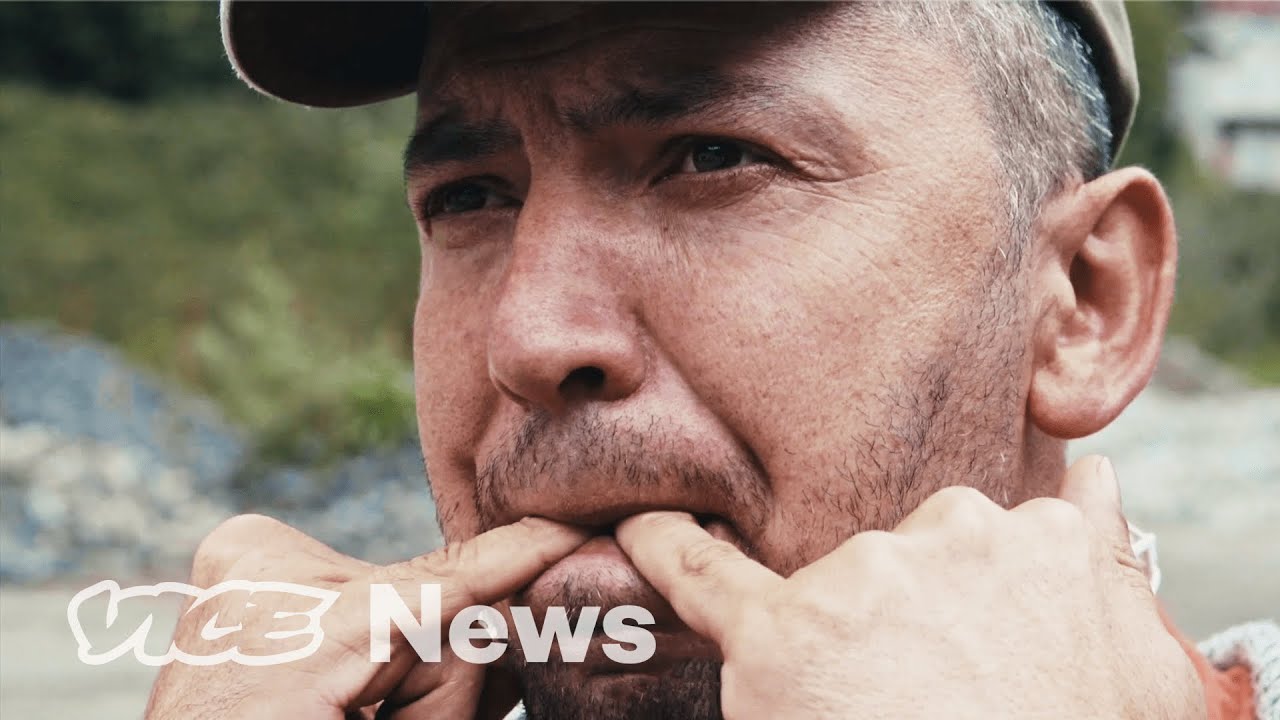
In Northern Turkey, the Bird Language faces threats from modern technology and seeks preservation.
A hidden 300-foot section of the Berlin Wall is revealed to prevent its demolition by developers.
Timbuktu, Africa's ancient city, faces manuscript deterioration due to lack of support.
The Smithsonian conservators adapt to preserve artworks made from unorthodox materials.