From over 100,000 films, discover the handful you'll love.
Free or premium access to the world's largest documentary library.
34 films
Attivisti, liberisti e anti-capitalisti discutono le sfide del capitalismo green e l'efficacia degli scioperi per il clima del movimento Fridays For Future.
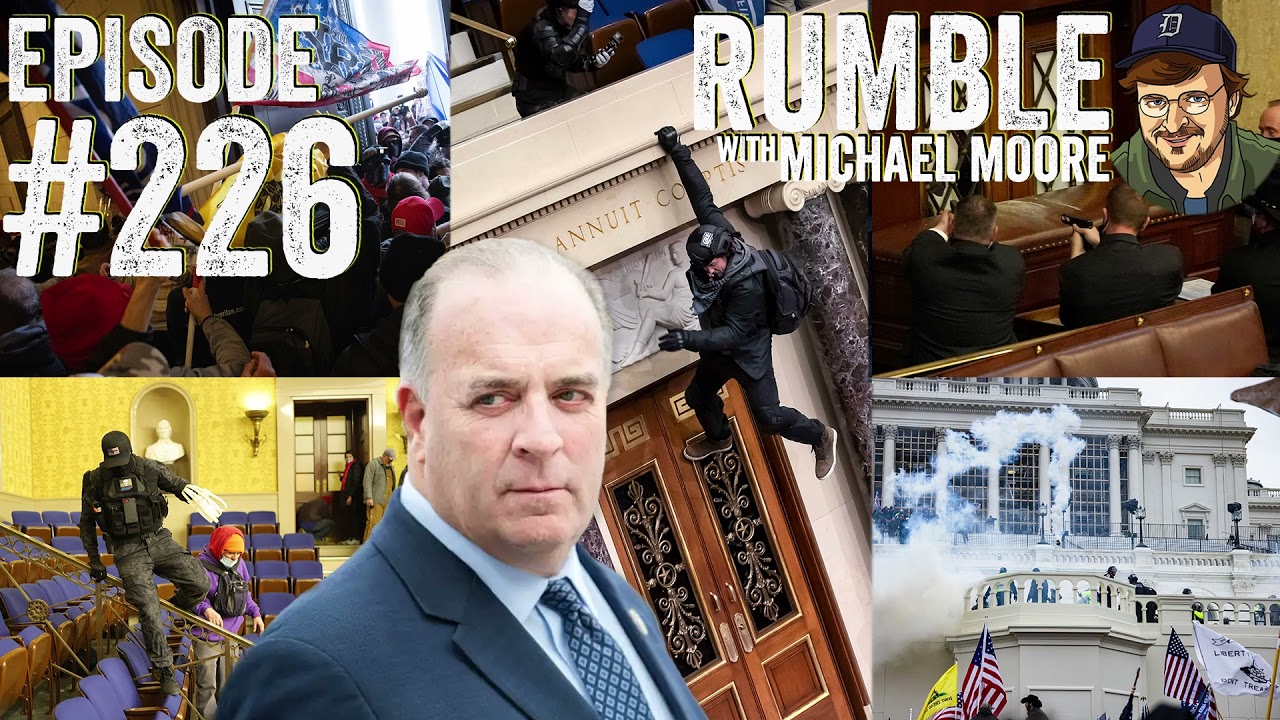
Rep. Dan Kildee reflects on the January 6 insurrection, discussing its implications for voting rights and the ongoing threat of right-wing violence in America.
A conversation among U.S. officials, including George V. Allen and military colonels, examines various forms of Communist propaganda using Soviet film clips.
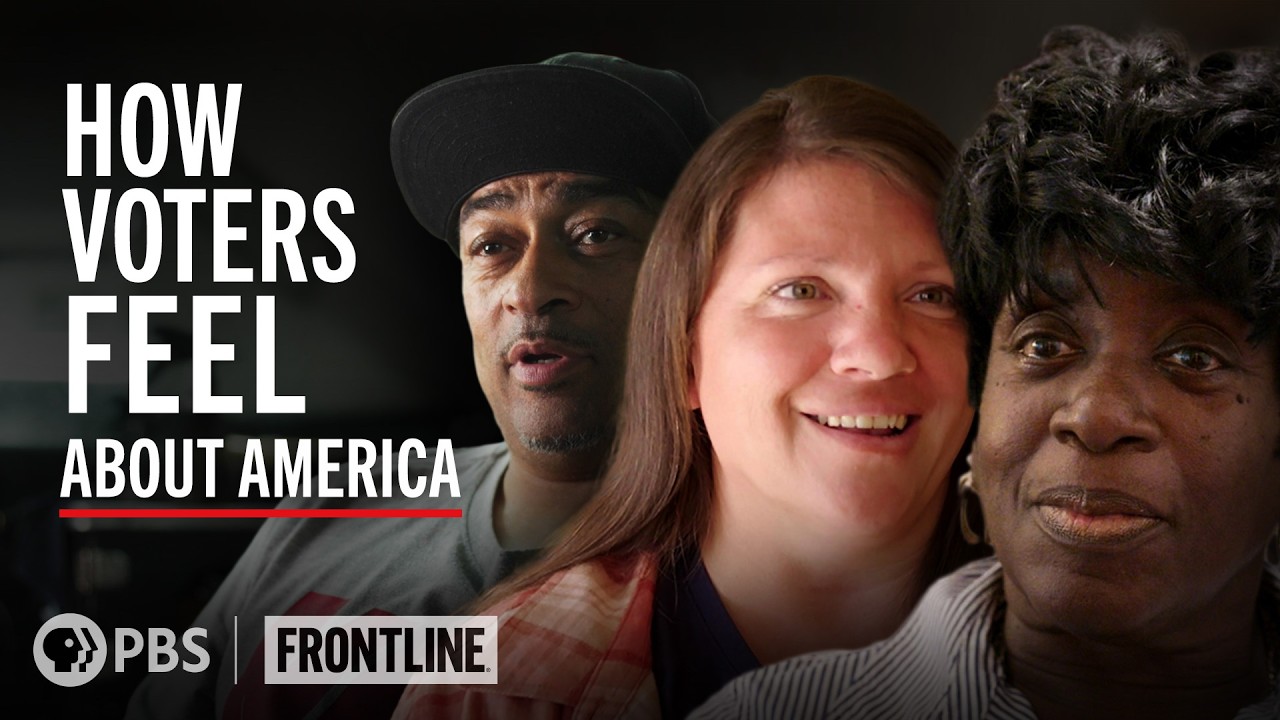
Ordinary Americans from diverse backgrounds reflect on their evolving hopes and fears as they navigate the challenges of a polarizing election season.
The Greenham Common Women's Peace Camp sparks diverse opinions among the residents of Darwen, Lancashire, on the implications of nuclear weapons in Britain.
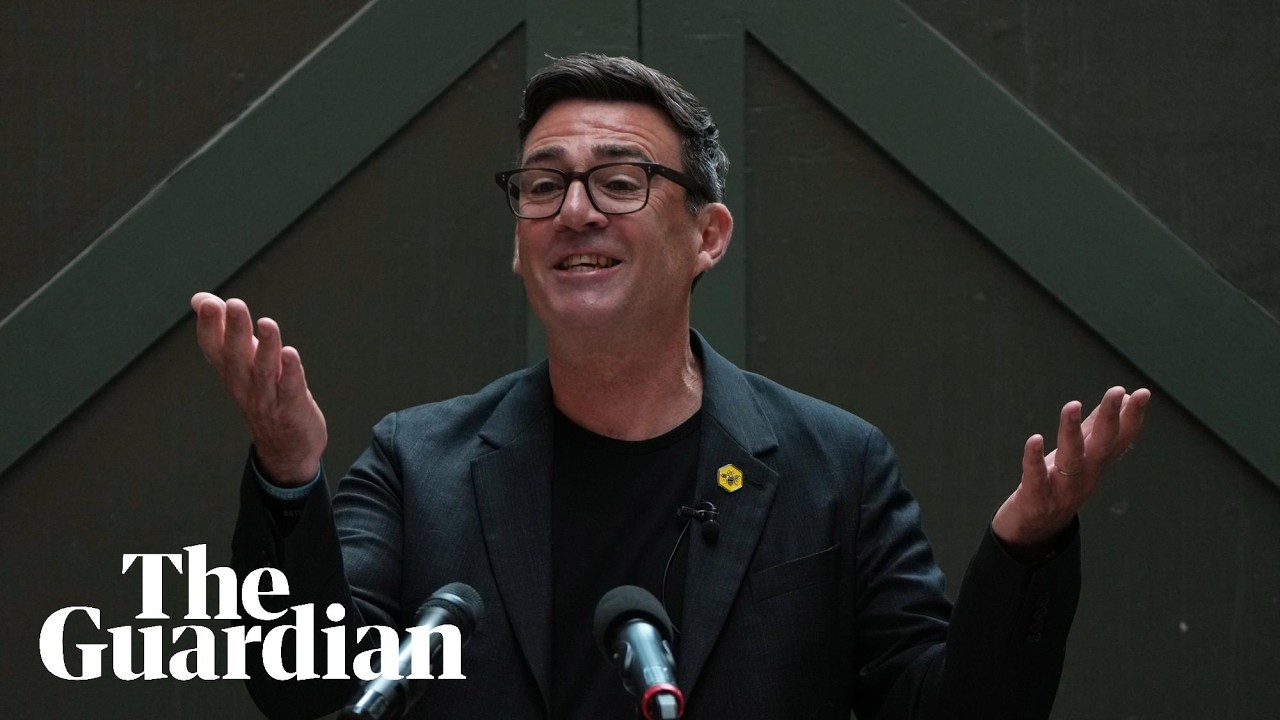
Andy Burnham outlines his economic vision in a live speech, addressing key issues facing the UK and the Labour Party's future direction.
Wolf Biermann reflects on life in divided Germany, the challenges of democracy, and potential future developments during an in-depth conversation in Hamburg.
250,000 people protested peacefully, yet media coverage focused on more sensational images, raising concerns about the accuracy of news reporting.
John F. Kennedy's influential speeches on civil rights, space exploration, and environmental issues are examined alongside essays from leading historians and thinkers.
Lyndon Johnson's landslide victory in the 1964 presidential election marked a significant shift in American political dynamics during the 1960s.
America's renewed focus on developing tactical nuclear weapons aims to create 'user friendly' mini-nukes for battlefield use, raising concerns about their implications.
More than a decade after the 2007-08 financial crisis, the International Economic Forum of the Americas serves as a platform for discussions on globalization's current state and future.
The role of traditional media in 21st century democracy is examined through discussions with former Members of Congress and media experts, addressing partisan information sources.
Constitution Day features the 10th annual State of the Constitution program, focusing on future policy making with speakers like Senator Rand Paul at James Madison’s Montpelier.
Gabriel García Márquez, a Nobel Prize-winning author from Colombia, transformed literature with his magical realism, influenced by his impoverished upbringing and political activism.
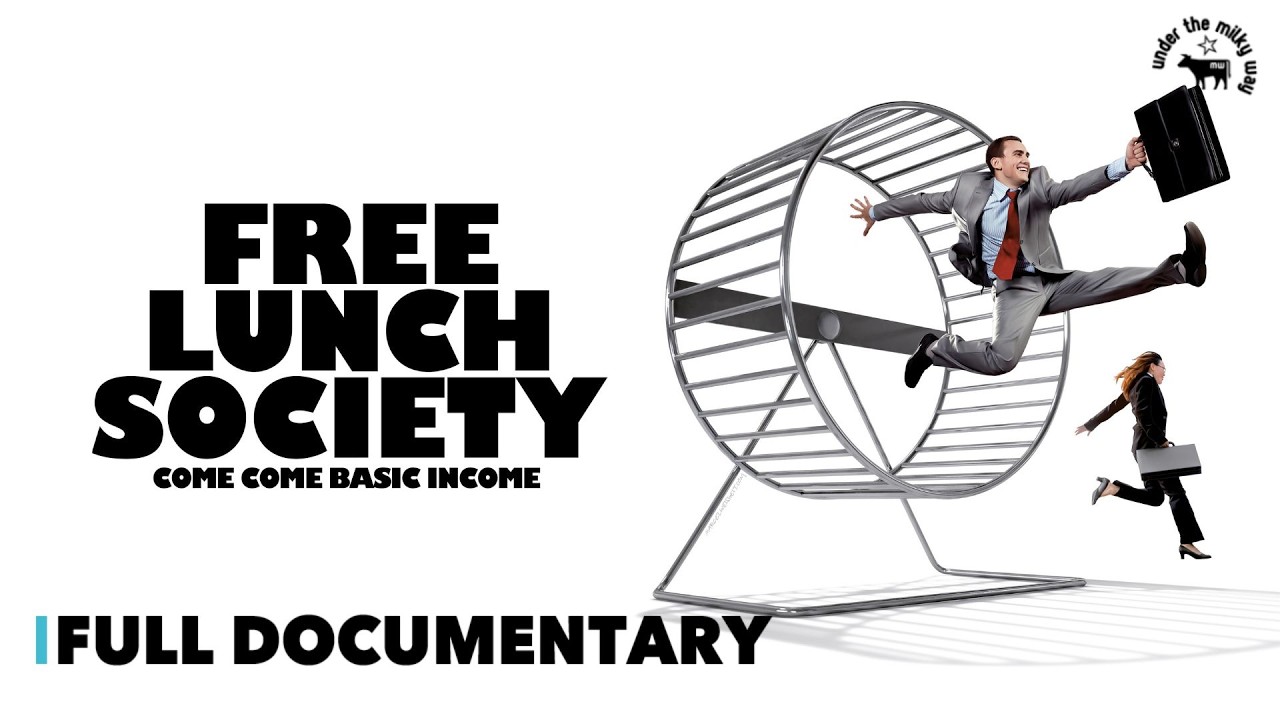
Intense discussions surrounding unconditional basic income have gained momentum across political and scientific communities, transforming a once far-fetched idea into a viable option.
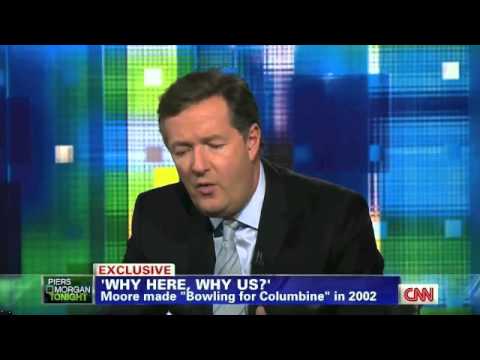
Michael Moore discusses the complexities of American gun violence and the differing perspectives of conservatives and liberals on Piers Morgan Tonight.
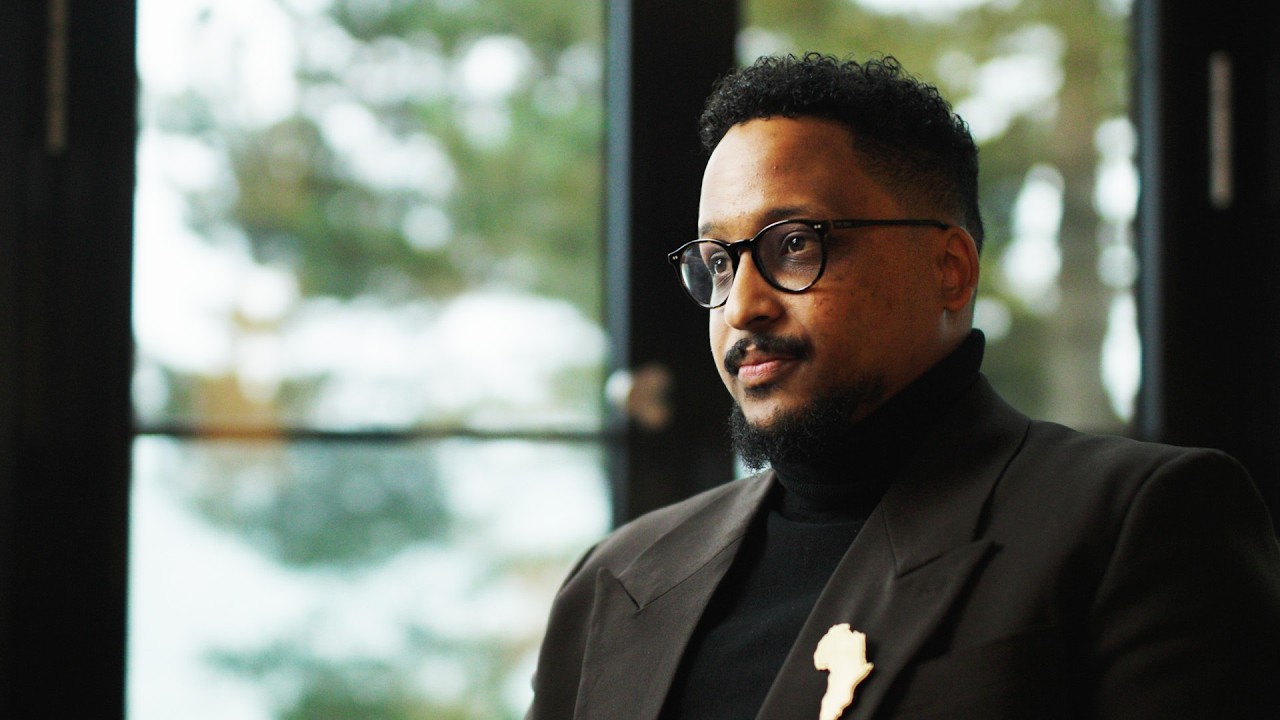
Architect Omar Degan advocates for a redefined narrative of African architecture through the inaugural Pan-African Biennale, emphasizing diverse cultural practices across the continent.
Argentina's political landscape shifts under President Javier Milei's populist policies, challenging the legacy of the military dictatorship and historical accountability.
Sven Schulze, the CDU's candidate for Saxony-Anhalt's regional election, condemns the AfD's xenophobia and highlights the state's dependence on foreign workers.
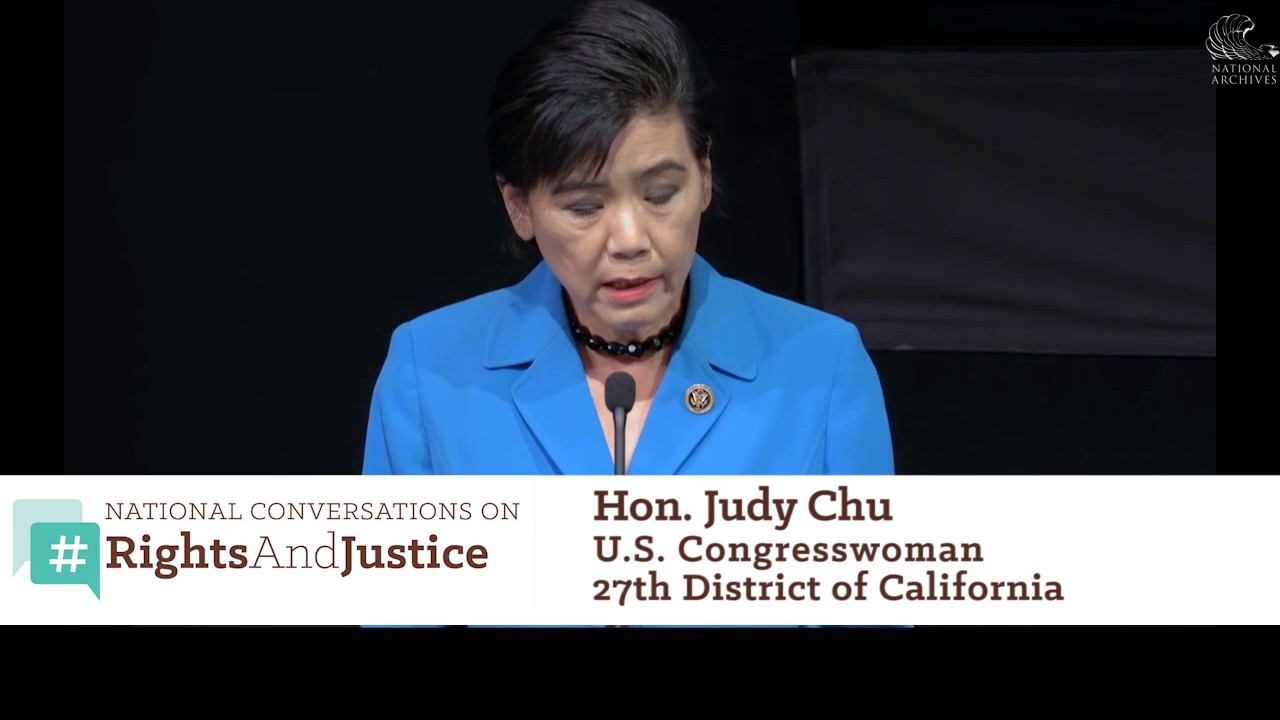
Congresswoman Judy Chu addresses immigration issues during the National Conversation on #RightsAndJustice event, hosted by Archivist David Ferriero on November 9, 2016.
Saul Alinsky engages in a spirited debate with members of the Company of Young Canadians in Toronto, focusing on strategies for achieving social change.
Donald Trump's influence on his supporters has led to significant concerns among journalists regarding the integrity and role of mainstream media in political coverage.
Michael Moore celebrates his birthday on April 23rd, 2023, as Fox News issues a long-awaited apology, marking a significant moment in media accountability.
Frída Ísberg emphasizes the vital role of literature in political discourse, urging writers to engage with societal issues and challenge binary thinking.
In February 2026, Donald Trump's declaration of freedom for Iranians raises questions about the relevance of local perspectives in wars waged for liberation.
Two radical groups in East London, one advocating for Sharia law and the other promoting anti-Muslim sentiment, clash in a violent turf war.
Mark Zuckerberg's recent interview with Joe Rogan highlights his evolving approach to fact-checking on Meta platforms and its implications for social media discourse.
Thousands gather at St Paul's Cathedral in November 2011 to discuss logistics and the need for peaceful occupation during the Occupy London protest.
Austerity measures have contributed to a rise in knife crime in London, according to Sean Bailey, the Tory candidate for Mayor.
Peter Thiel's Dialog retreat has drawn scrutiny due to leaked documents revealing its exclusive nature, attendees, and discussions on US Big Tech's influence in Europe.
Christopher Springate examines how humanity has significantly reduced violence and conflict over the last century, challenging perceptions of a downward spiral.
The debate over the influence of the permanent establishment on American democracy highlights key tensions following the January 6 Capitol riots.
A majority of the country is reportedly eating rats while their politicians drink champagne daily amid ongoing chaos and violent protests in Venezuela.