From over 100,000 films, discover the handful you'll love.
Free or premium access to the world's largest documentary library.
24 films
NASA's Cassini spacecraft detected water vapor above Enceladus' South Pole during its 2005 flyby, revealing unique geological activity on the moon.
At the edge of the solar system, astronomers investigate unusual orbits of celestial bodies that may indicate the existence of a ninth planet.
Pluto is 3.5 billion miles from Earth and has potential underground oceans and geysers.
More than 100 years ago, H.G. Wells popularized the idea of extraterrestrial life with works like The War of the Worlds and A Trip to the Moon.
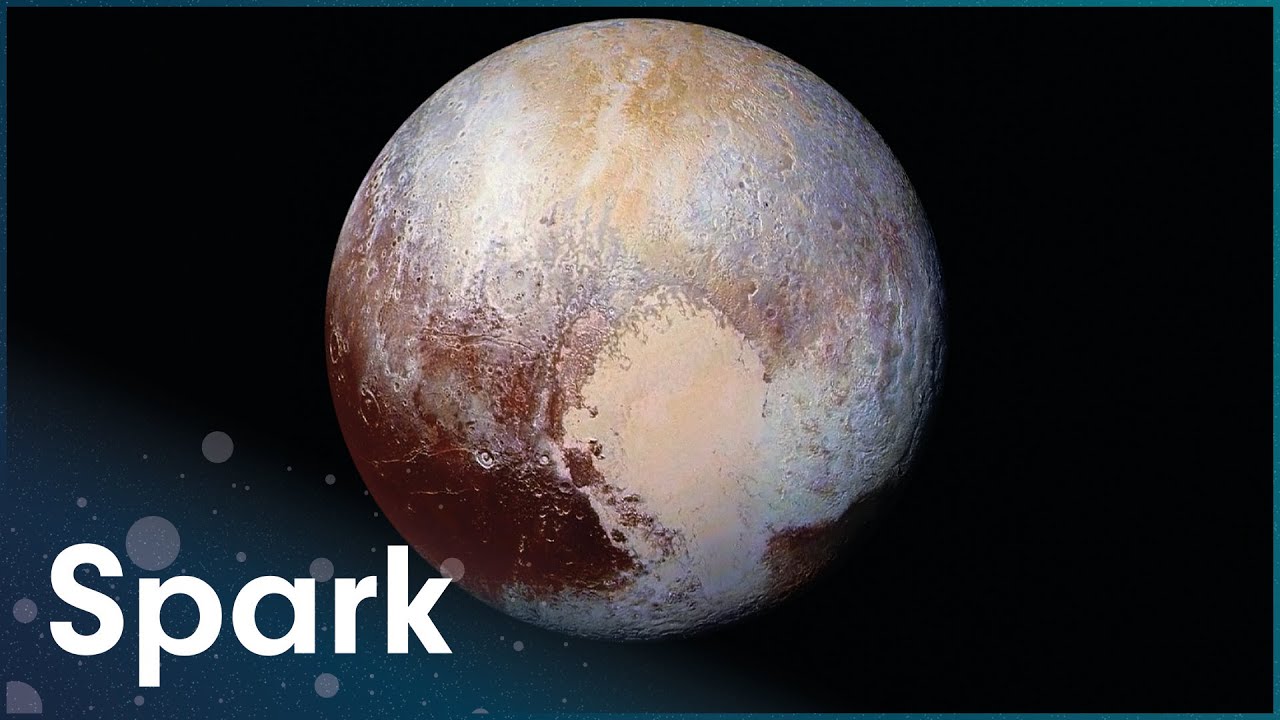
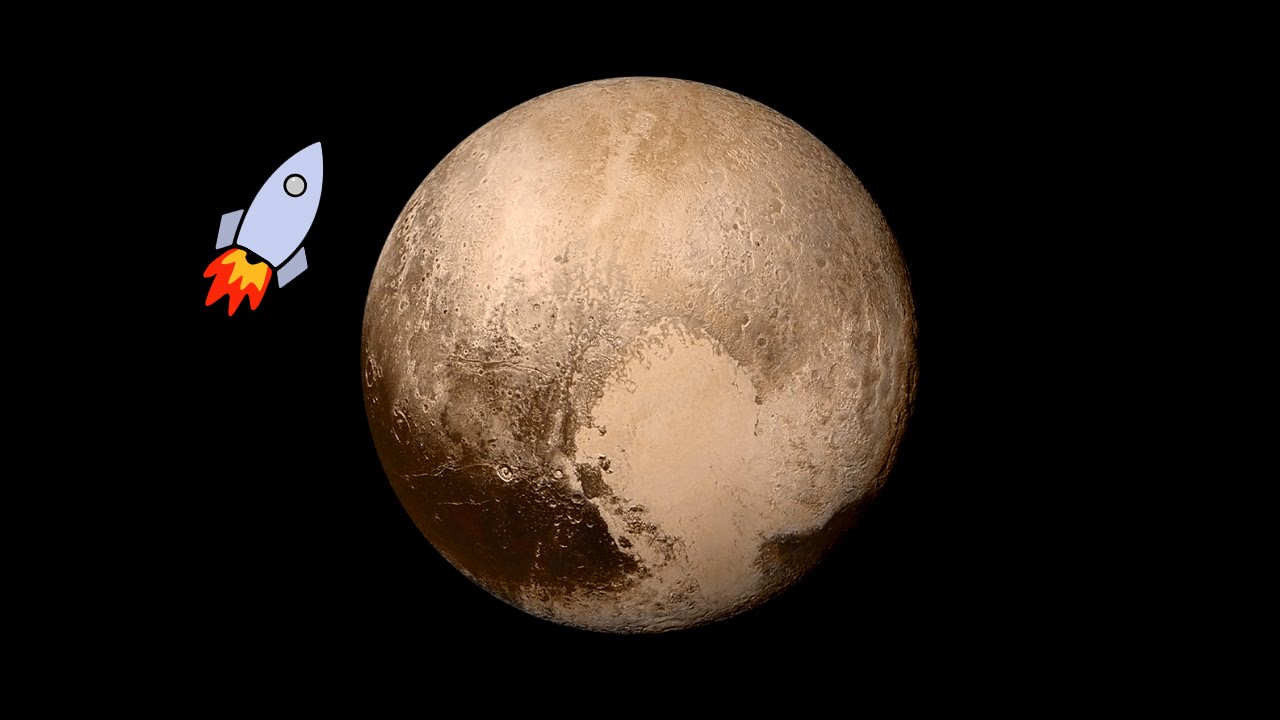
NASA's New Horizons probe traveled 3.5 billion miles to send back the first close-up images of Pluto, revealing a world of unexpected complexity.
Some 450 astronauts and cosmonauts have crossed the Kármán line, the boundary between Earth's atmosphere and outer space.
New Horizons traveled 3 billion miles over nine years to conduct a flyby of Pluto, revealing a geologically active world with cryovolcanoes.
Naked Science investigates the forces that create planets with insights from Neil deGrasse Tyson.
Astronaut Chris Hadfield illustrates the distances from the sun to Pluto in our solar system.
NASA simulates how alien astronomers might view our solar system's formation and dust dynamics.
15,000 asteroids larger than 100 meters remain to be found, prompting plans for intervention missions to protect Earth from potential impacts.
Advancements in space exploration, driven by NASA's Horizons and Cassini probes, highlight the potential for human colonization of Mars through private companies like SpaceX.
In 2006, the International Astronomical Union reclassified Pluto as a dwarf planet, reducing the Solar System's recognized planets to eight and highlighting its unique characteristics.
Hubble reveals key discoveries about Pluto before New Horizons' flyby in July 2015.
New Horizons traveled at 60,000 kilometers per hour, making it the fastest spacecraft ever launched, to study Pluto and its moon Charon.
The New Yorker discusses Spanish cartoonists' fascination with space and Pluto's status change.
The video addresses the debate over Pluto's classification in the solar system.
Pluto's reclassification has led to a mysterious red coloration, prompting scientists at the Space Telescope Science Institute to investigate its surface changes.
Nigel, an acclaimed science populariser, explores the mysteries of the outer Solar System and the debate over the existence of Planet X, engaging students' curiosity.
The video discusses Pluto's classification and its discovery in 1930, highlighting scientific contributions.
New Horizons' mission to Pluto and the Kuiper Belt provides unprecedented images and data, revealing the dwarf planet's unexpected diversity and activity.
The New Horizons Mission captures and presents striking images of Pluto, showcasing the dwarf planet's unexpected beauty and complexity.
Britain's space industry thrives as New Horizons passes Pluto, with growth in Liverpool.
Scientists maintain excitement for Pluto's mysteries and unique features in our solar system.