From over 100,000 films, discover the handful you'll love.
Free or premium access to the world's largest documentary library.
28 films
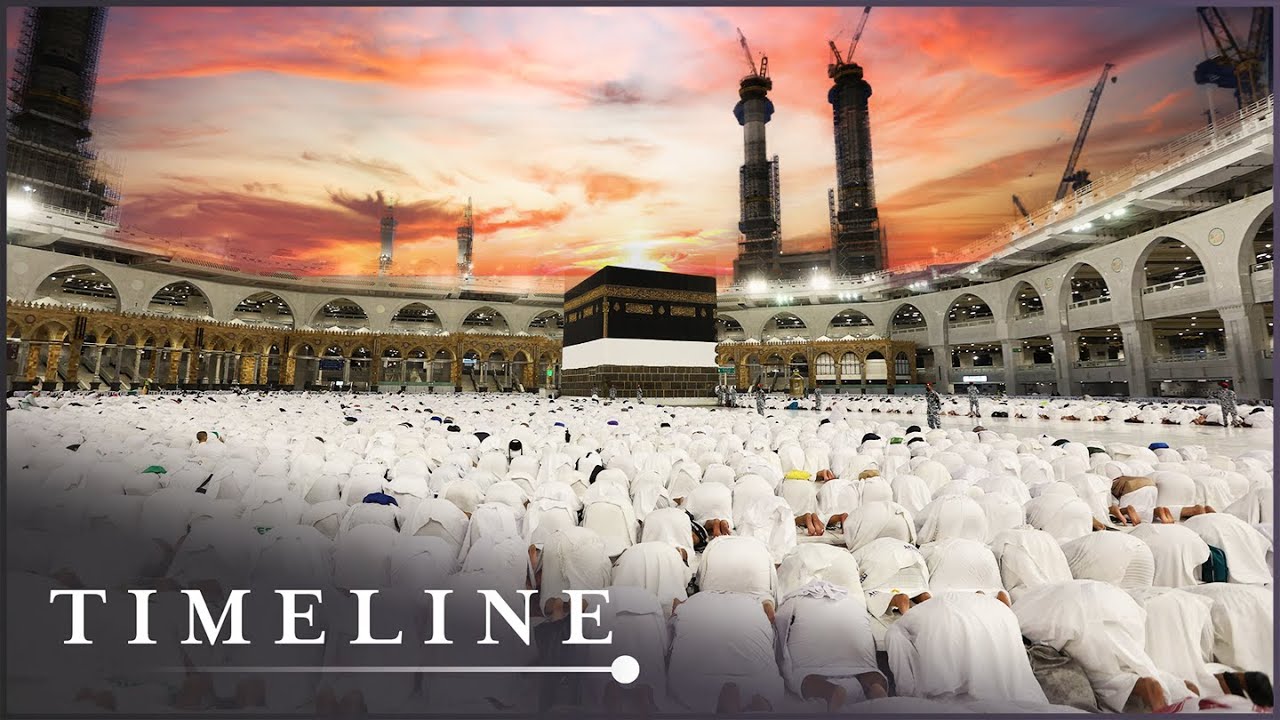
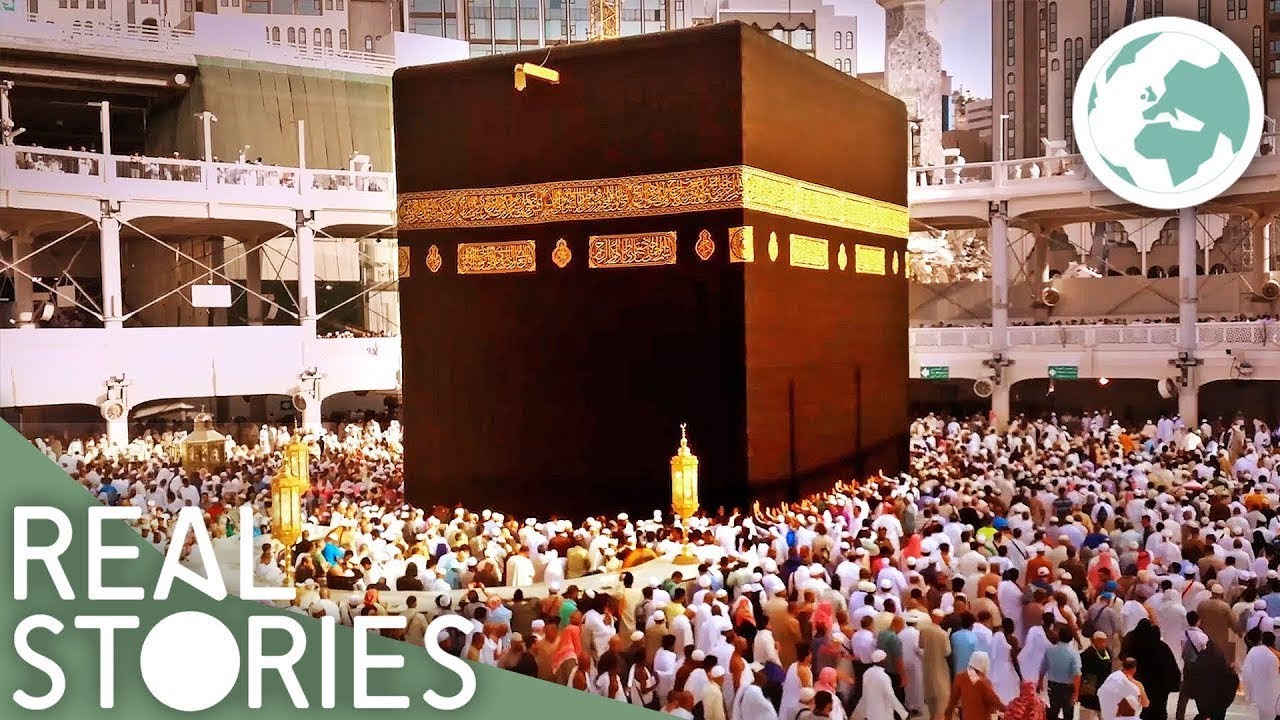
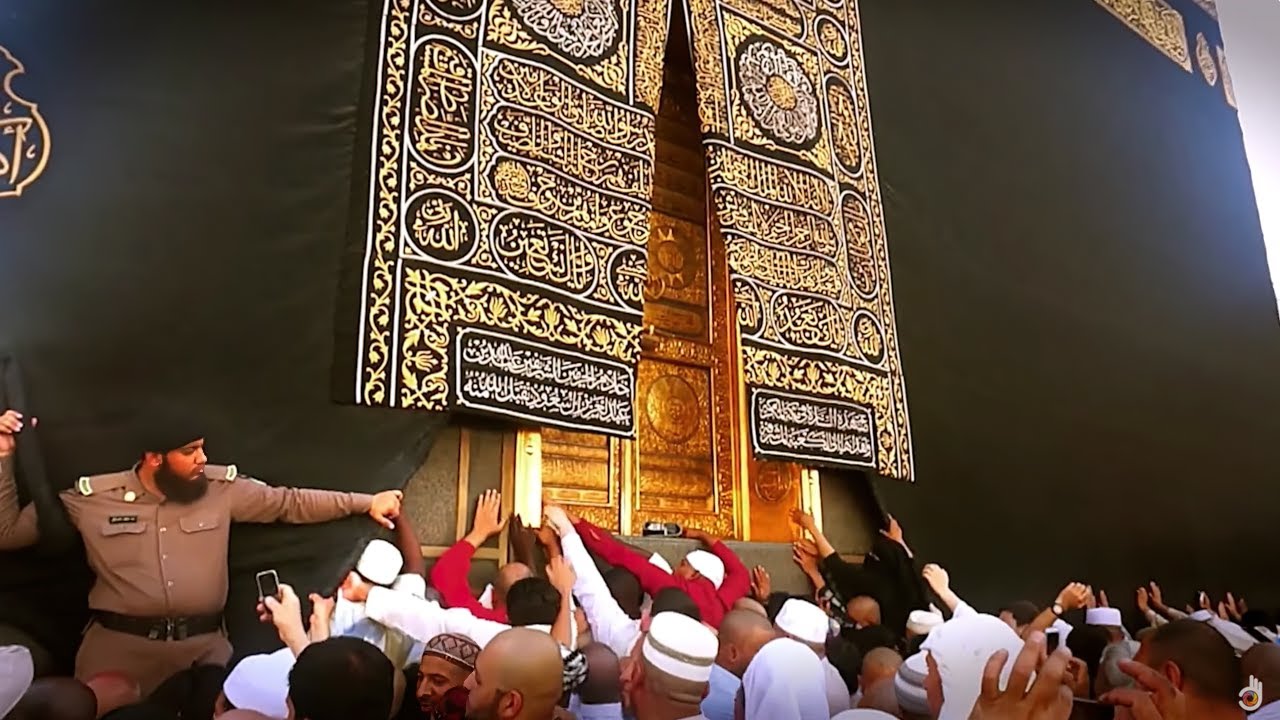
Over a billion Muslims pray five times a day towards Mecca, but new research suggests they may have been misled about the true origins of their faith.
Archaeologists have mapped 32,000 acres of ancient groundworks, including 70 cisterns and 28 dams, that supported the city of Petra.
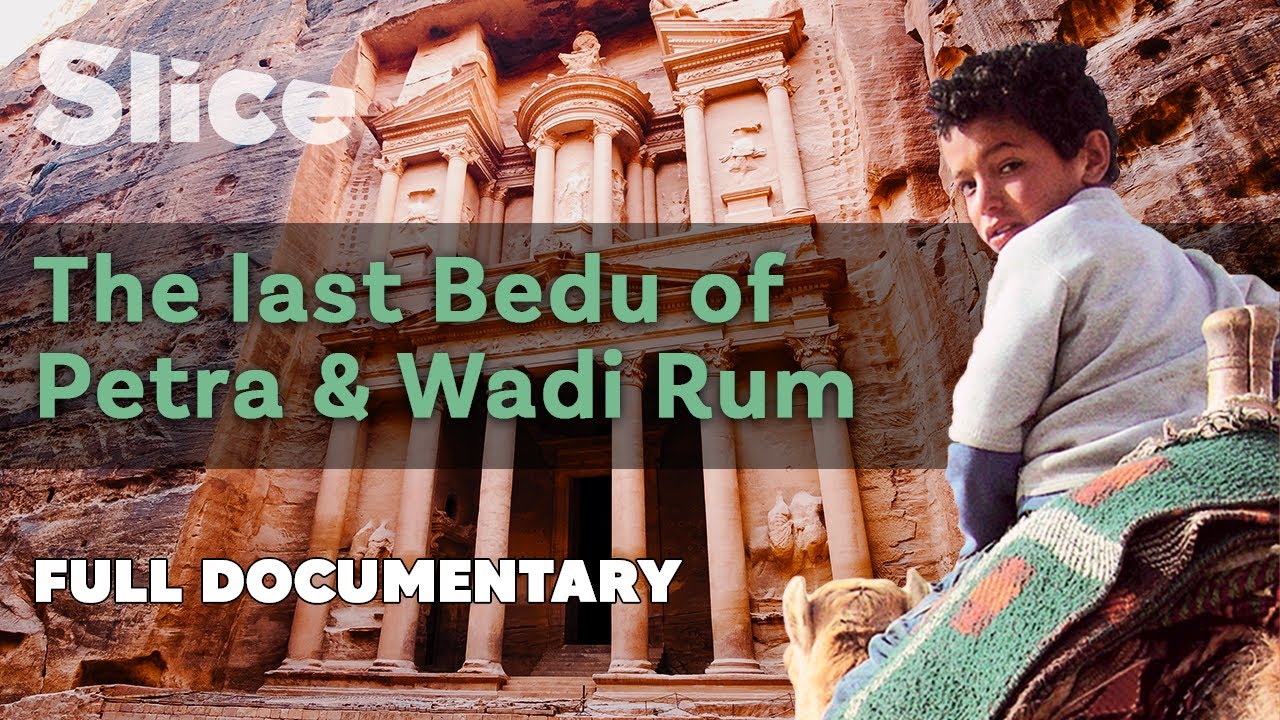
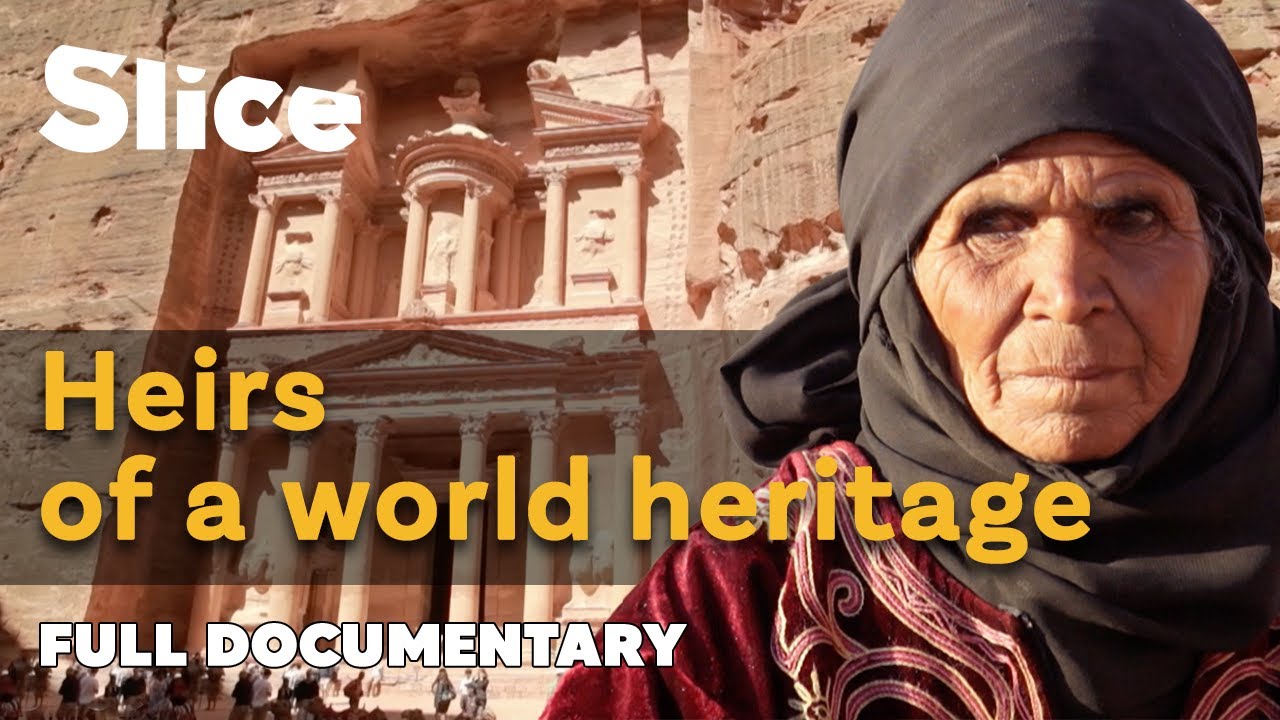
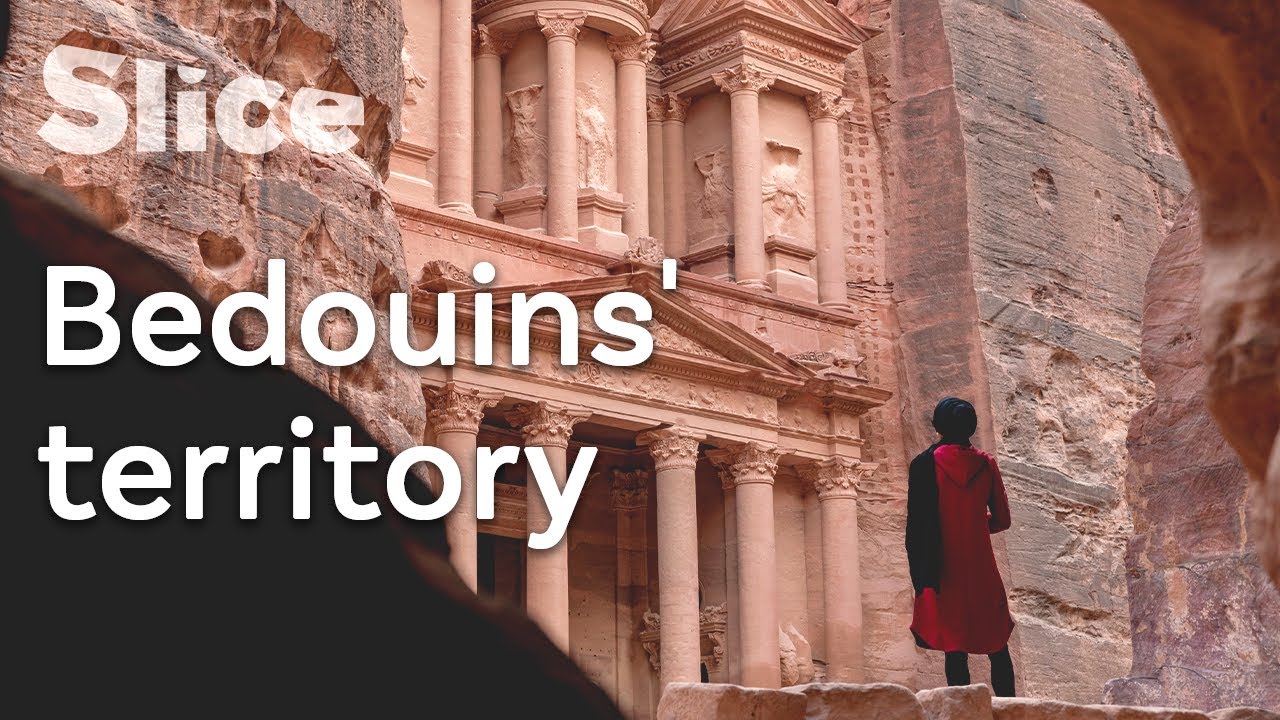
Petra's monumental Treasury, built 2,000 years ago, stands 127 feet tall and is carved directly into the sandstone cliffs of Jordan.
An 80-meter-long tunnel, part of an ancient hydraulic system, diverted water around Petra to manage floods and supply the city.
Desert cliffs in Wadi Rum rise up to 400 metres high and have been home to Bedouins for 12,000 years.
700 kilometers of desert separate the ancient cities of Égrat and Petra, both significant sites of the Nabataean civilization.
Over a billion Muslims pray five times a day towards Mecca, but new research suggests the true origins of Islam may lie elsewhere.
Abu Lafi teaches his grandson Zed traditional Bedouin skills in Petra, Jordan.
The Perseverance rover travels through space at over 50,000 miles per hour, aiming to collect samples and search for signs of past life on Mars.
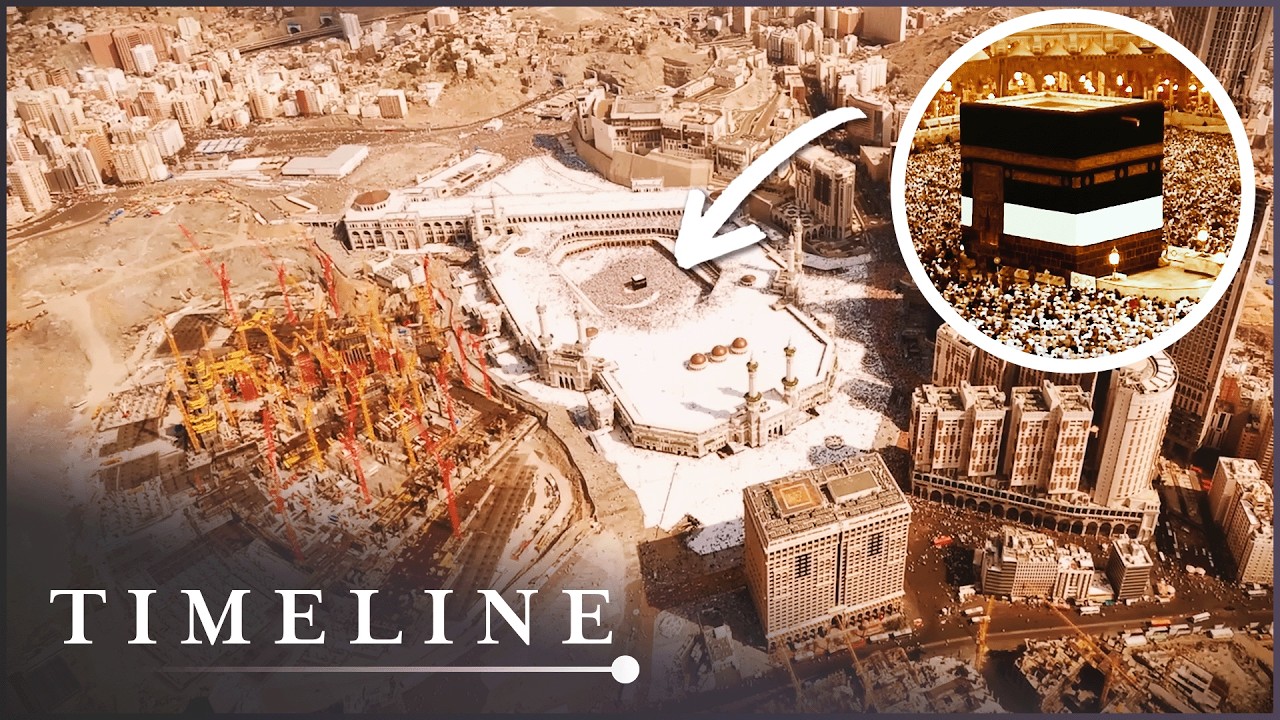
Over a billion Muslims pray towards a black rock in Mecca, but new research suggests the original holy city may actually be Petra.
Over a billion Muslims pray five times a day towards a Black Rock in Mecca, while new research questions the city's historical significance in Islam.
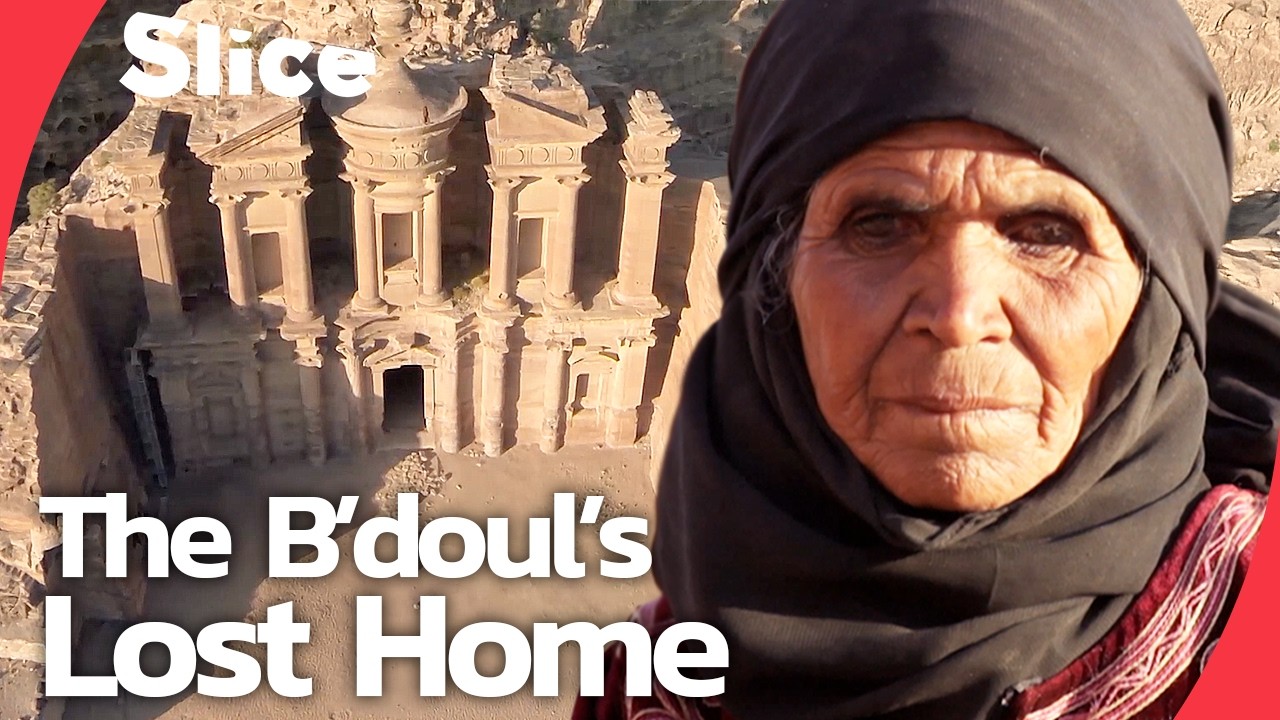
In the early 1980s, the B’doul tribe was expelled from Petra, losing their homes in the caves where they had lived for generations.
Herod the Great ruled Judea for 37 years, transforming it into an international trading state while facing deep-seated opposition from the Jewish population.
The B'doul tribe was driven out of their caves in Petra 30 years ago, leaving them to adapt to life in a nearby settlement amid rising tourism.
Petra, nestled in the Jordanian desert, reveals secrets of its ancient Nabataean civilization.
More than 800 tombs have been discovered in Petra, a city founded by the Edomites in the eighth century BC and later prospered under the Nabataeans.
Desert cliffs in Wadi Rum rise up to 400 metres high, revealing a rich history of Bedouin culture and ancient trade routes in Jordan and Iran.
Dan Gibson presents evidence suggesting that the original Islamic holy city may not be Mecca, challenging the direction of prayer for 1.6 billion Muslims.
Petra, the ancient city in Jordan, faces significant threats from looting and black market sales, highlighting the urgent need for preservation efforts to protect its archaeological treasures.
Petra, a UNESCO World Heritage site since 2007, attracts hundreds of thousands of tourists each year while concealing hidden treasures and dark secrets.
Archaeological investigations reveal that Petra's ancient water system provided 12 million gallons of water per day to support its population and agriculture.
A Swiss explorer discovers Petra, The Pink City, in the early 1800s amidst bandits.
The B’doul tribe, expelled from Petra by Jordan and UNESCO in the 1980s, faces ongoing challenges in preserving their cultural identity while adapting to life outside the ancient city.
Josh Gates joins an expert in Petra to date an ancient tomb using OSL technology.
85% of the ancient city of Petra remains underground and untouched, raising questions about its history and the recently discovered stone platform.
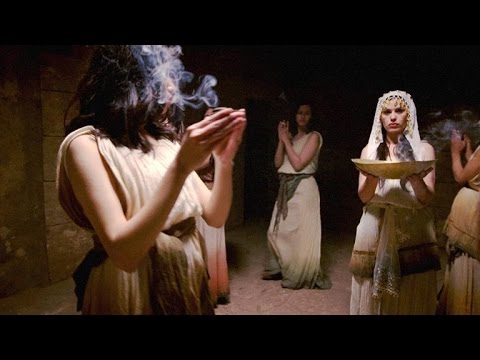
The Nabataeans worshipped female deities, suggesting women's elevated status in Petra.
In 1961, archaeologists in southern Israel uncovered documents that reveal the significant social status and agency of Nabataean women in first-century Petra.
Zed's family remains in Petra, Jordan, relying on tourism at this World Heritage Site.