From over 100,000 films, discover the handful you'll love.
Free or premium access to the world's largest documentary library.
15 films
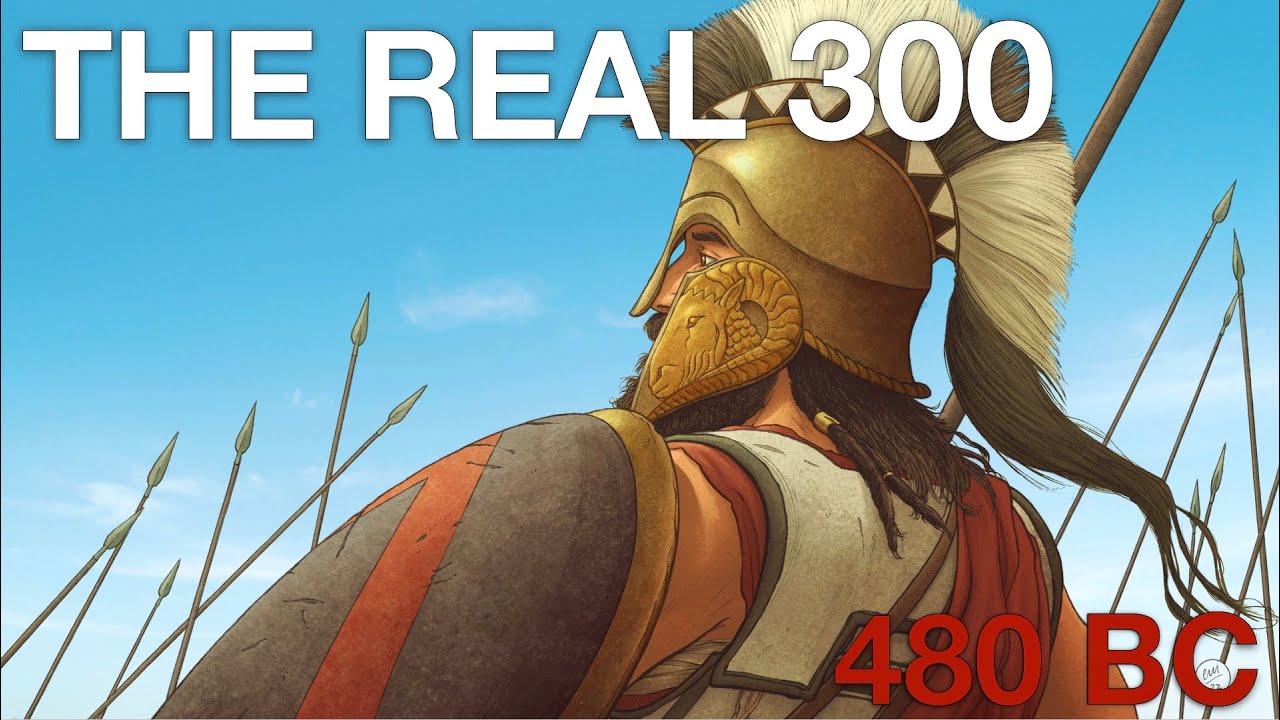
In 480 BC, a group of Persian outriders encountered a strange sight at Themopoly, where Greek soldiers appeared undeterred by their approach.
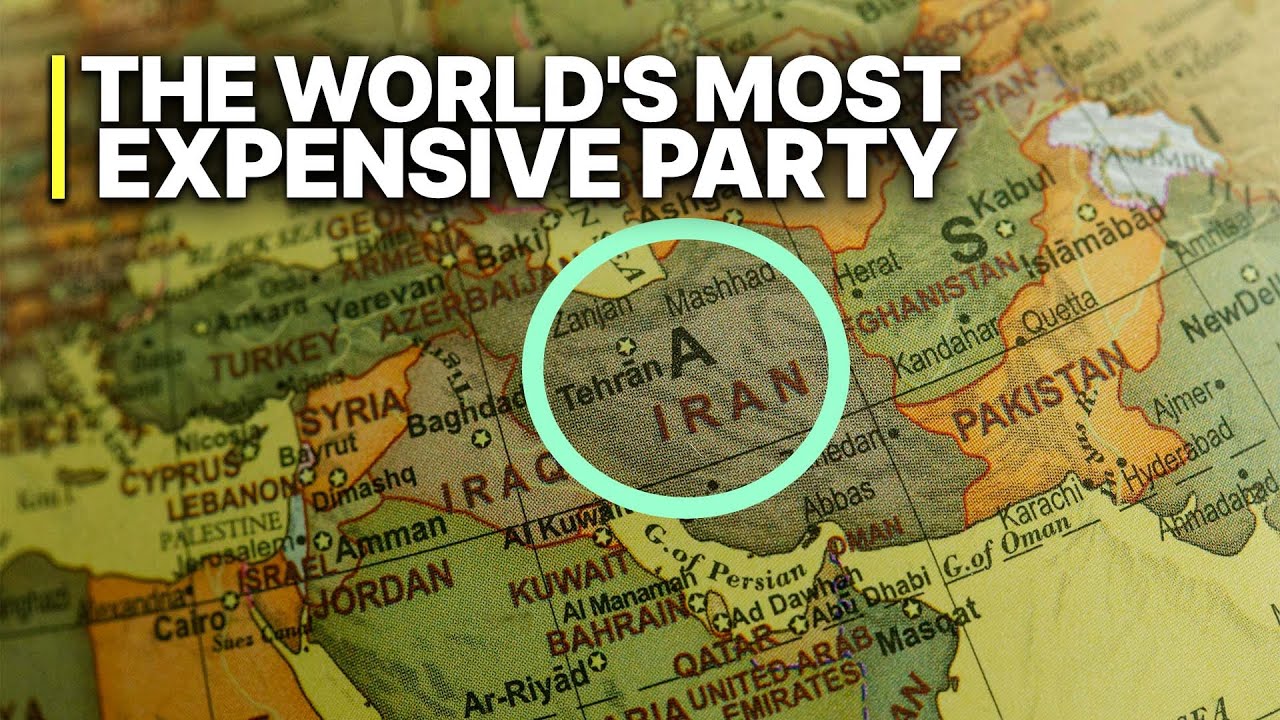
A lavish tent city, constructed with 37 kilometers of silk, hosted over sixty global leaders at the Shah of Iran's 1971 celebration of the Persian monarchy.
A lavish tent city constructed with 37 kilometers of silk was erected in the Iranian desert for the 2,500th anniversary of the Persian monarchy in 1971.
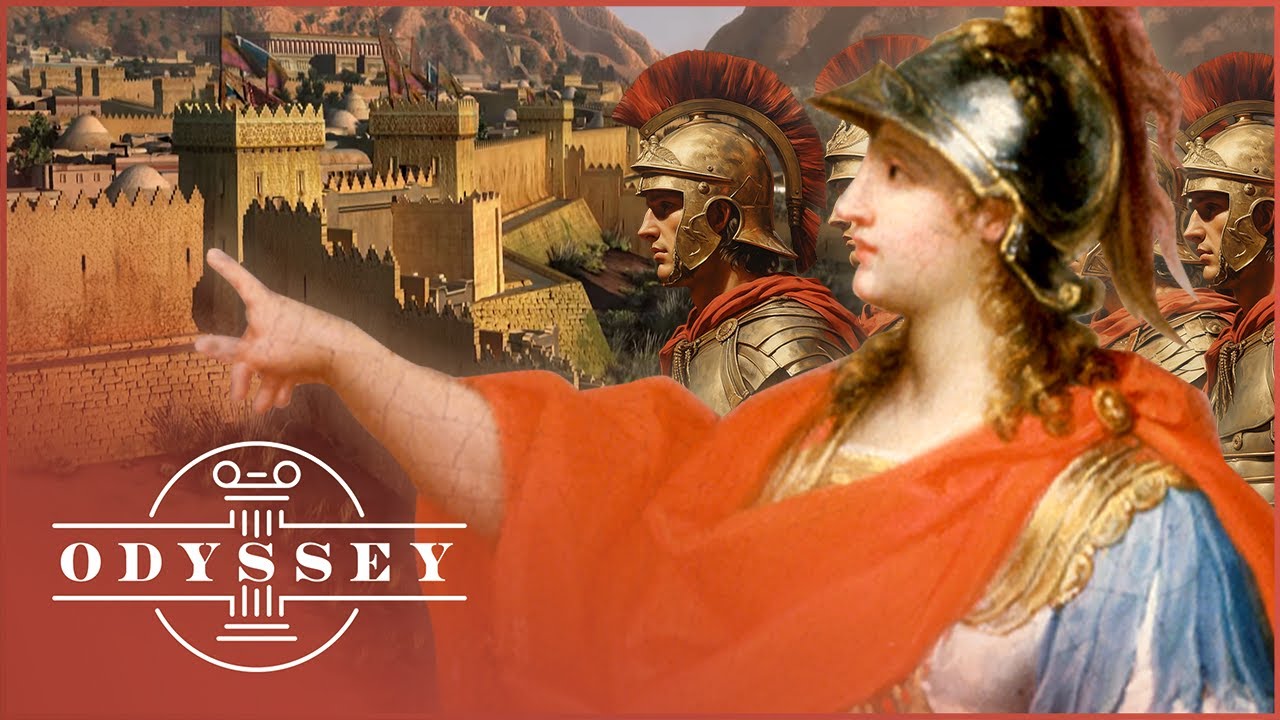
192 Athenian soldiers fell at the Battle of Marathon, where a small force defeated a much larger Persian army, shaping the future of Ancient Athens.
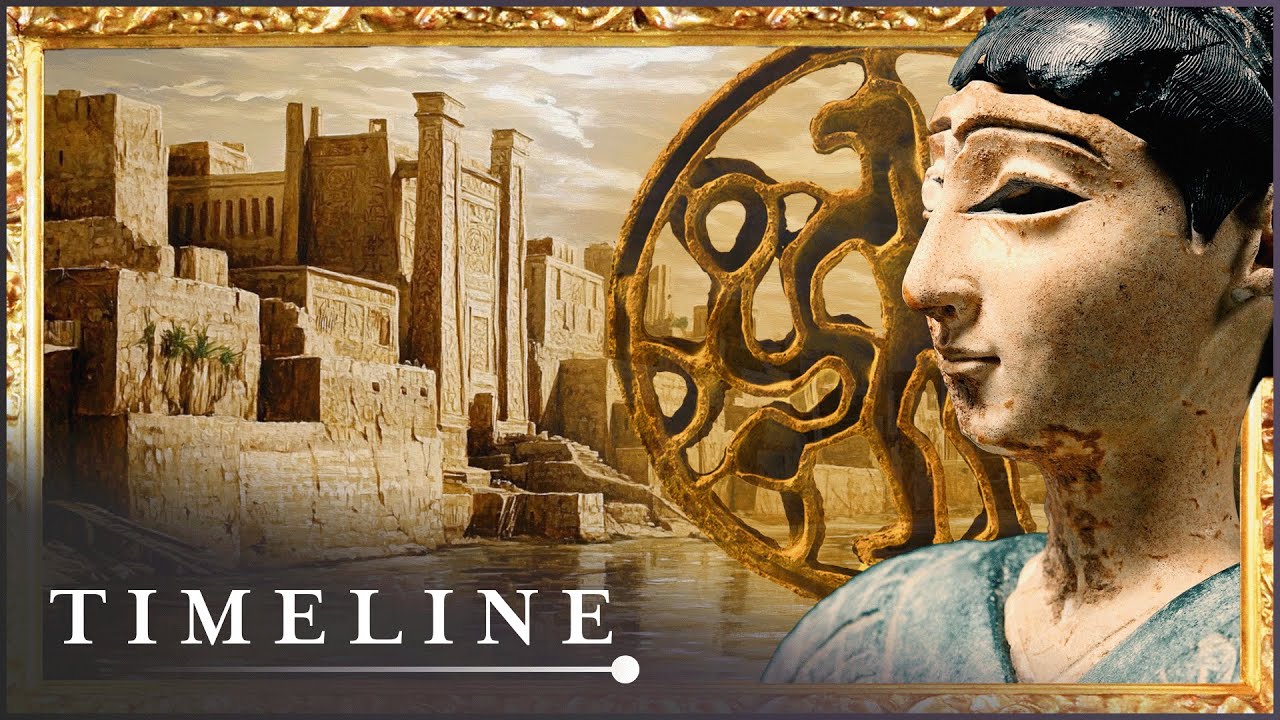
A massive palace and urban dwellings in ancient Bactra, home to tens of thousands, lay undetected for over 2,000 years in Afghanistan's sacred River Valley.
480 BCE marked the year when Xerxes I led a massive invasion of Greece, culminating in the famous Battle of Thermopylae.
Alexander the Great traveled almost 7,000 kilometers from Greece to the eastern borders of Afghanistan, revealing traces of a lost civilization along the River Oxus.
Themistocles leads the Athenian fleet to victory at the Battle of Salamis in 480 BC, denying Xerxes a decisive win at sea.
In 490 BCE, a small Athenian force of 192 men defeated a much larger Persian army at the Battle of Marathon, marking a significant moment in history.
The Greco-Persian Wars began in 499 BCE when a small band of Greek warriors prepared to battle a much larger Persian army in Asia Minor.
In 500 BC, Greek city-states revolted against Persian rule, leading to a series of battles that would alter the course of European history.
The Shah of Iran spent $100 million in just two days to host a lavish celebration for the 2,500th anniversary of the Persian monarchy.
Suleiman the Magnificent commissioned the construction of the Süleymaniye Mosque, which was completed in just seven years by architect Mimar Sinan.
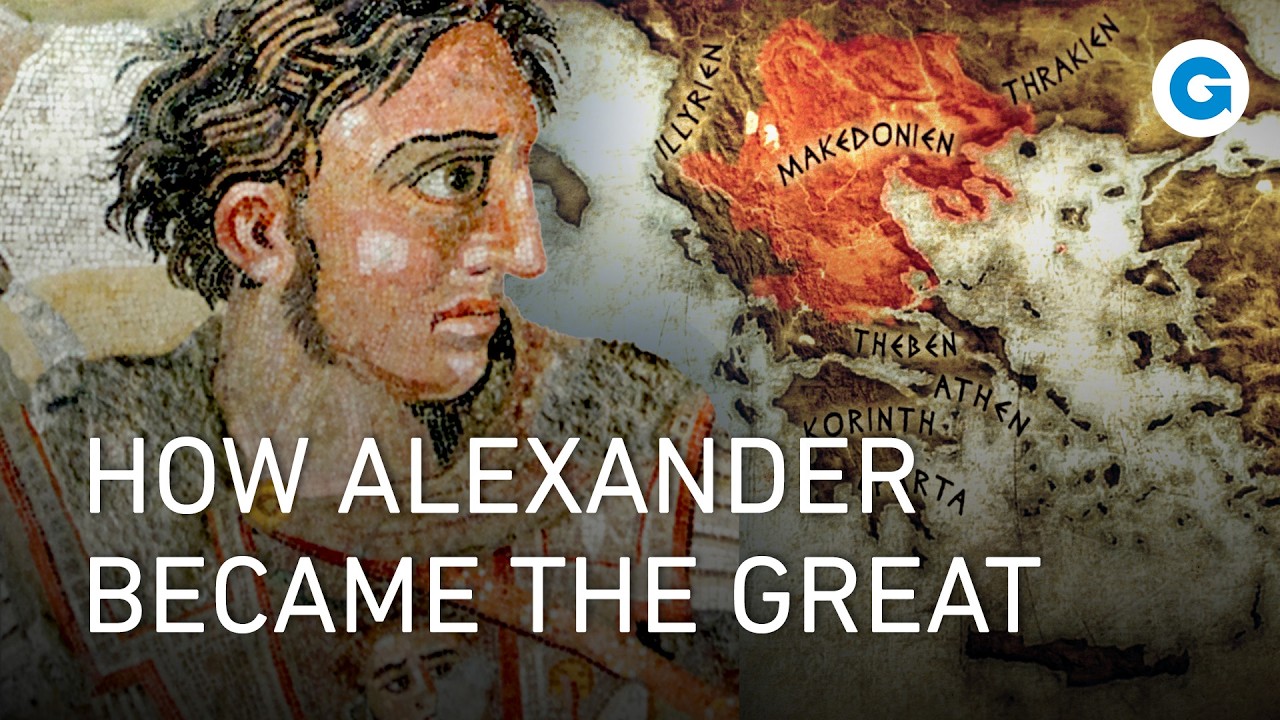
In the spring of 334 BC, Alexander the Great launched one of the biggest invasions in history, risking everything to confront the Persian Empire.
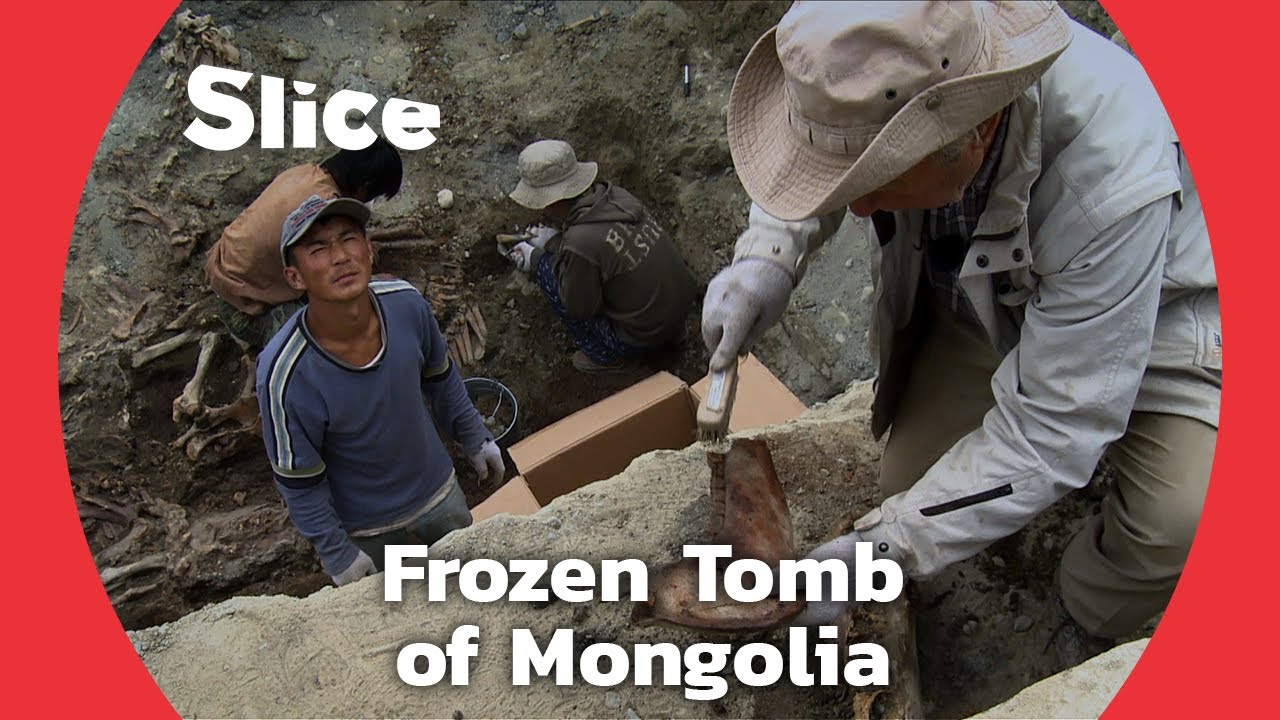
A 2,300-year-old Scythian tomb in Mongolia is at risk of disappearing due to climate change, prompting an urgent archaeological expedition to study it.