From over 100,000 films, discover the handful you'll love.
Free or premium access to the world's largest documentary library.
16 films
There are more connections in the human brain than there are stars in the Milky Way galaxy, with about 10,000 galaxies' worth of neuronal connections.
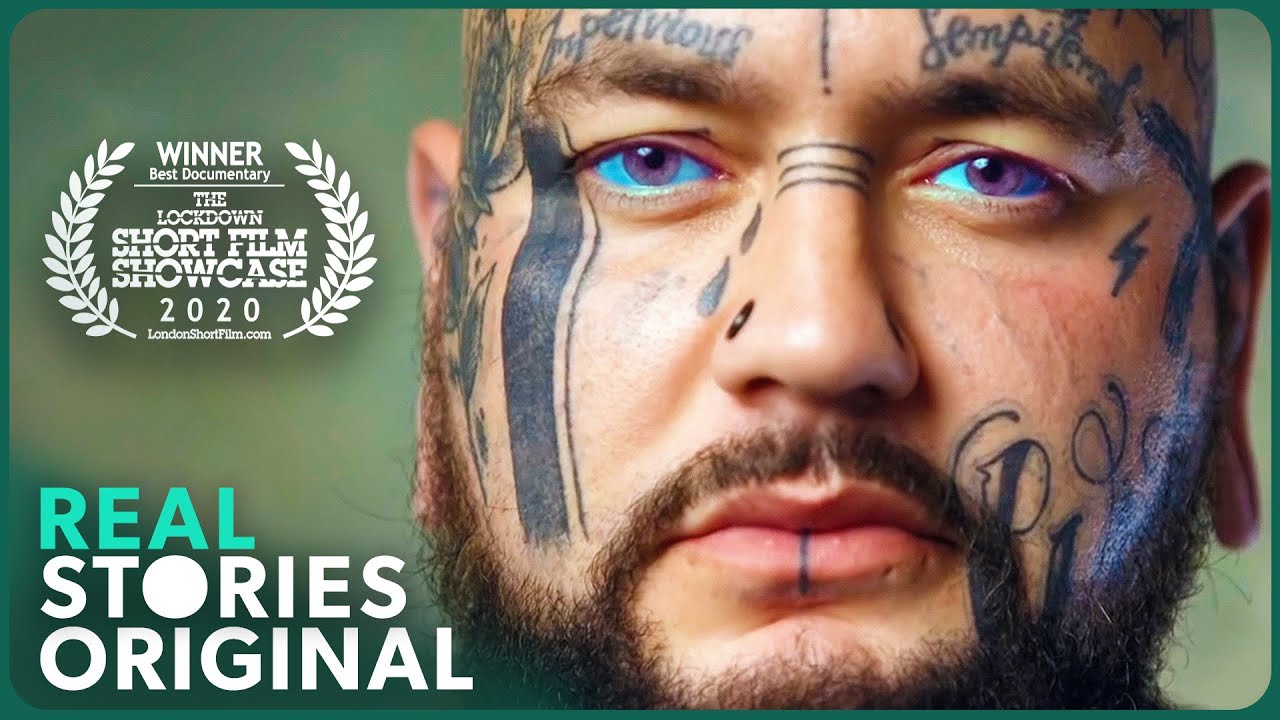
Face and neck tattoos significantly influence public perception, as shown by a social experiment where three tattooed individuals experience contrasting treatment with and without their ink.
Renowned neuroscientist Dr. Vilayanur Ramachandran examines extraordinary neurological conditions that challenge our understanding of the mind and brain's adaptability.
Color perception is a powerful illusion shaped by individual brain processes, language, emotions, and evolutionary history, affecting how we experience reality.
Professor Jim Al-Khalili explores the profound concepts of everything and nothing, revealing how the quantum world shaped the vast universe we inhabit today.
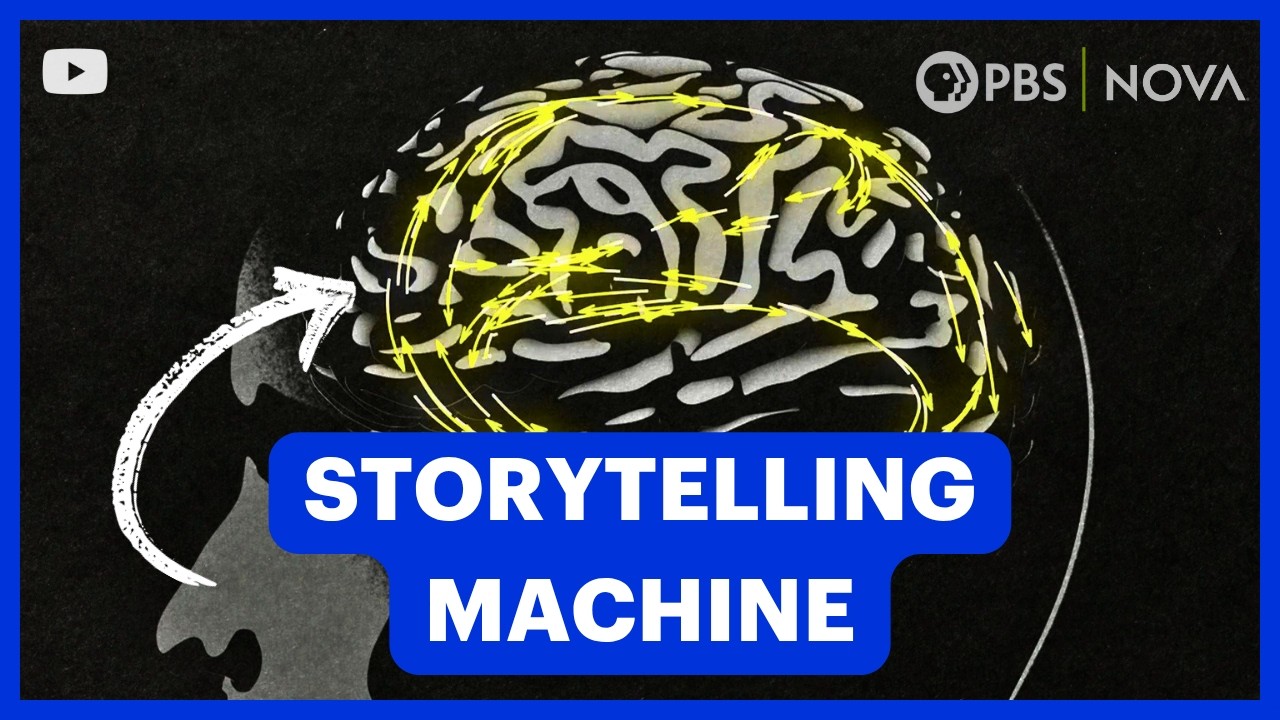
The human brain contains about 100 billion neurons and hundreds of trillions of connections, forming a complex system that scientists aim to understand better.
Chilean author Benjamín Labatut explores the intricate relationship between fiction and reality, emphasizing how storytelling shapes human perception and understanding.
American sculptor Hugh Hayden challenges perceptions of the American Dream through surrealist sculptures that transform familiar objects into thought-provoking art.
Albert Moukheiber explores how the brain's reliance on mental shortcuts can distort perception through optical illusions and magic tricks.
Leah Thomas discusses identity and perception through her work in psychology and education.
Prof. Nasir Raza Awan discusses reality and perception through neuroscience and philosophy.
A speaker shares his experiences of failure and perseverance, illustrating how a shift in perspective can reveal hidden insights, culminating in his PhD in AI.
The video discusses how the brain misinterprets sightings of Bigfoot due to perception errors.
Ingenuity is defined as doing anything new that has intrinsic societal value, according to various winners of the Ingenuity Awards.
Mohsin Hamid articulates his belief that fiction challenges perceptions of reality, emphasizing the reader's role in shaping narratives and the importance of storytelling form.
Memories, identity, and the sense of self are shown to be constructs of the brain, rather than accurate recordings of reality.