From over 100,000 films, discover the handful you'll love.
Free or premium access to the world's largest documentary library.
21 films
1,400 kilometers of railway connect the Persian Gulf to the Caspian Sea, revealing Iran's landscapes and the lives of its people.
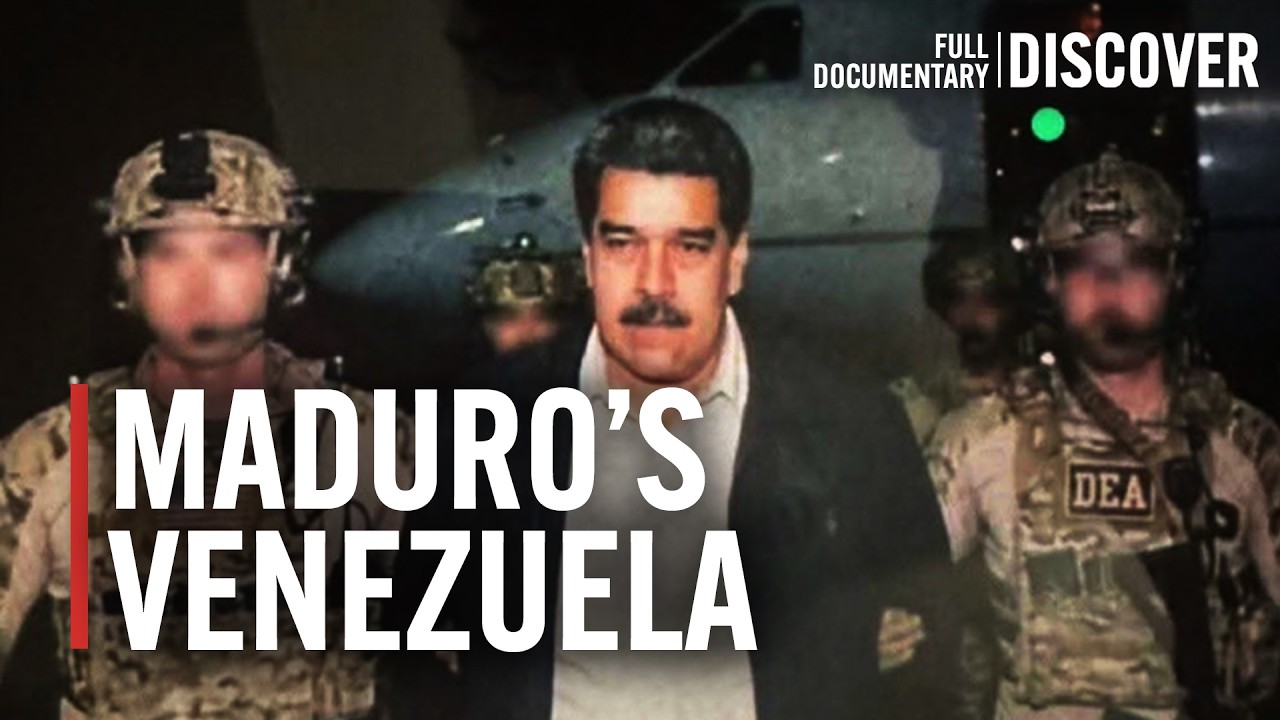
Venezuela produced 3 million barrels of oil a day at its peak, but today, Nicolás Maduro's regime faces severe political and economic challenges.
Inflation in Venezuela exceeded 600% in 2021, pushing millions into poverty and forcing many to return to self-sufficient lifestyles in the countryside.
Nicolas Maduro's leadership in Venezuela, marked by authoritarianism and economic decline, faces renewed scrutiny as global demand for oil rises amid geopolitical shifts.
The Trans-Iranian Railway spans approximately 1,400 kilometers, connecting the Persian Gulf to the Caspian Sea and transporting millions of passengers each year.
Approximately 4,000 oil fields are currently in production, but half of the global oil supply relies on just 120 giant fields.
Nicolas Maduro, a former bus driver turned authoritarian leader, clings to power in Venezuela amid economic ruin and international sanctions, leveraging the country's vast oil reserves.
The global dependence on crude oil is examined through the lens of the 2010 Deepwater Horizon disaster, highlighting the risks and environmental costs of extraction.
Nicolás Maduro's leadership in Venezuela is characterized by a struggle for power amid economic collapse, authoritarianism, and the challenges of international sanctions.
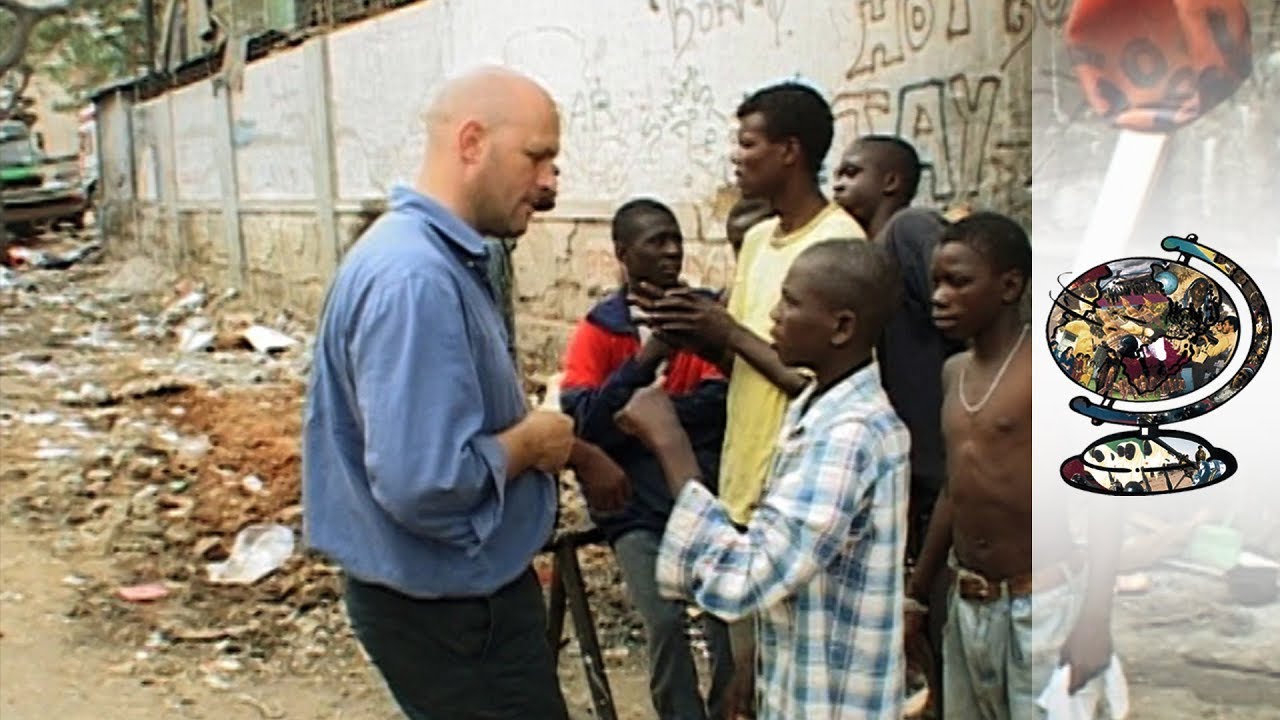
Angola's oil wealth, intended for national development, is instead fueling government corruption and widespread discontent among its citizens.
Arctic National Wildlife Refuge, believed to hold vast oil reserves, faces environmental concerns and political debates over drilling rights and conservation.
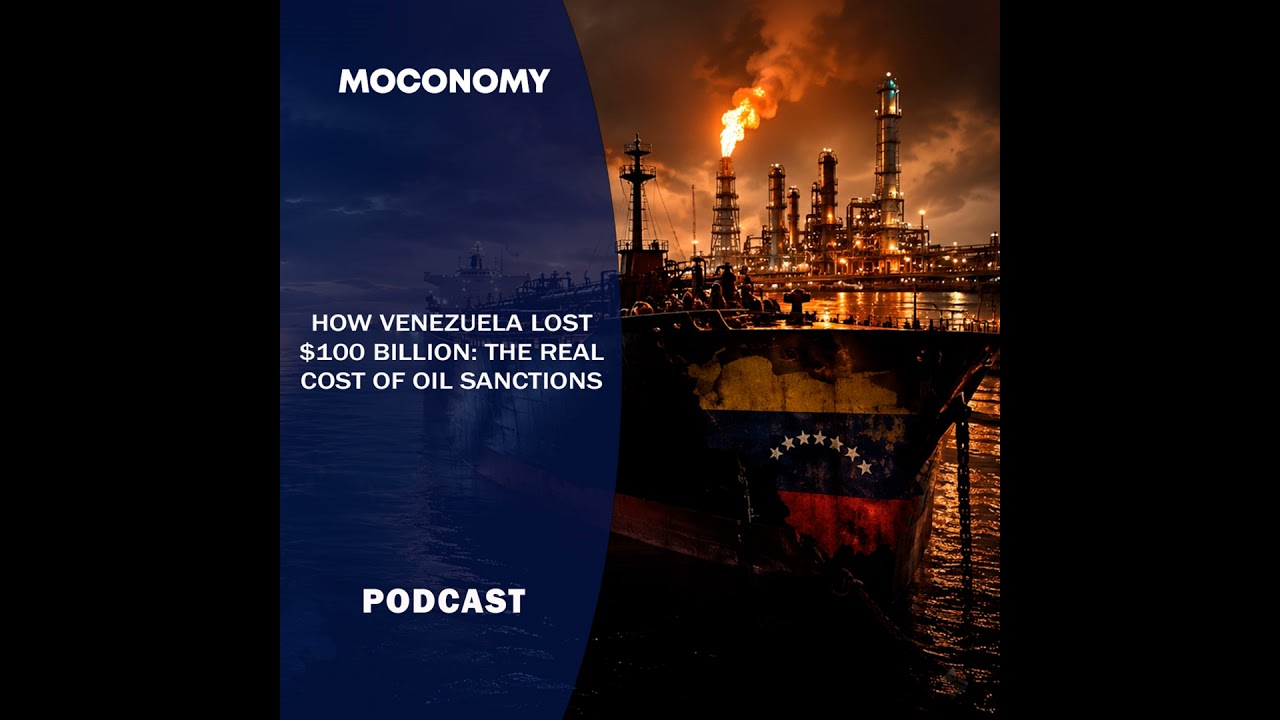
Venezuela's oil sanctions have led to the collapse of PDVSA, the rise of ghost tankers, and a complex web of hidden intermediaries affecting its vast resources.
75% of the world's freshwater is stored in Antarctic ice sheets, raising concerns over territorial claims and resource extraction in the region.
Forty countries participate in Libya's International Trade Fair, signaling a shift in the nation's economic strategy under Gaddafi's regime.
Norwegians pay the highest prices in Europe for food and drink, with alcohol and tobacco costing three times the EU average.
Over 900 people have died from the cold in Afghanistan this winter, as US troops face extreme conditions and threats from improvised explosive devices.
Less than 40,000 Marsh Arabs remain in Iraq, a sharp decline from an estimated quarter of a million in the early 1990s, as they face ongoing challenges in their communities.
An estimated 1.2 trillion barrels of oil lie in Venezuela's Orinoco belt, but only about 250 billion can be extracted with current technology.
Turkmenistan has some of the largest reserves of natural gas in the world, yet remains one of the poorest countries from the former Soviet Union.
A majority of the country is reportedly eating rats while their politicians drink champagne daily amid ongoing chaos and violent protests in Venezuela.
The average wage in Azerbaijan is now around $40 a month, despite the country sitting on at least $80 billion in oil reserves.