From over 100,000 films, discover the handful you'll love.
Free or premium access to the world's largest documentary library.
23 films
Dogger Bank, an area with an average depth of around 93 meters, was once a landmass connecting Great Britain to mainland Europe before it submerged.
By the late 1100s, the age of the Viking longship had ended, replaced by the cog, a new type of vessel that dominated Northern European waters.
The Skagerrak strait features depths exceeding 700 meters and powerful currents that support a rich variety of marine life, including orcas and grey seals.
Seven artificial fishing lakes in the region between Cologne and Frankfurt serve as a man-made nature paradise for various bird species, including mute swans and red kites.
1,000 Northern gannets breed on Helgoland, a vital habitat threatened by erosion and storm floods in the North Sea.
A 27.5 meter search and rescue cruiser, the Hermann Hems, operates in the North Sea, responding to emergencies in severe weather conditions.
Each wind turbine in the new offshore wind farm stands nearly 150 meters tall and will generate 1.4 billion kilowatt hours of electricity annually.
1,000 northern gannets breed on the cliffs of Helgoland, where they compete for nesting space amid the challenges of their coastal habitat.
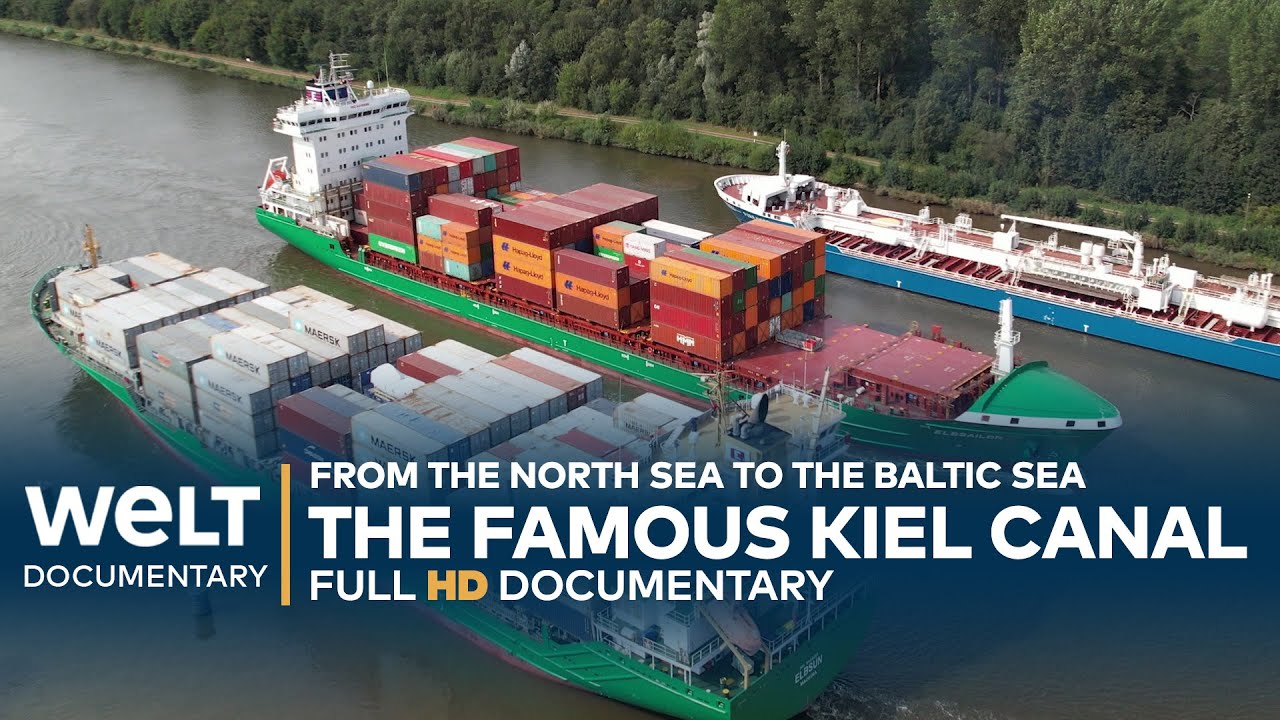
The Kiel Canal, a vital 100-kilometer waterway in Germany, faces modernization challenges as it accommodates up to 30,000 ships annually.
The crew of the fishing trawler "Iris" catches 28 to 30 tons of pollock every 24 hours while facing dangerous conditions at sea.
Around 600 beavers now populate the Netherlands, marking a successful return for the species after being eradicated from the country.
167 workers died in the Piper Alpha disaster in 1988, leading to new safety regulations for the offshore oil and gas industry.
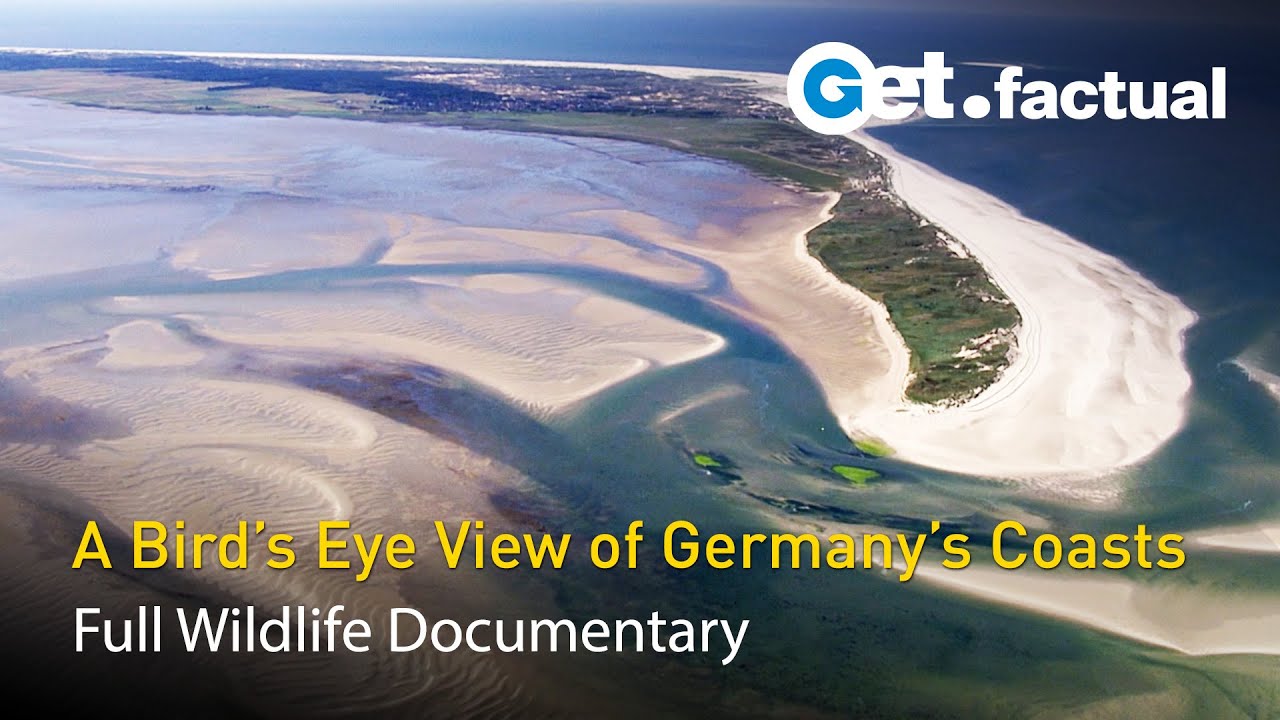
2,400 kilometers of coastline along the North and Baltic Seas host diverse wildlife, including seals, seabirds, and migratory birds.
5,000 tons is the lifting capacity of the Oleg Strashnov, one of the largest monohull crane ships in the world, designed for heavy offshore tasks.
More than 9,000 Allied aircraft faced fewer than 2,500 German planes during World War I, marking a significant shift in aerial warfare.
Hundreds of thousands of herrings head towards the Bay of Sitka each spring, prompting fishermen to brave extreme conditions in search of their catch.
Germany's rivers, streams, and lakes host a diverse array of aquatic life, including exotic jellyfish, freshwater turtles, and the formidable Wels catfish.
Over 5,000 tablets of the diabetes drug metformin flow into the ocean daily from the Thames, raising concerns about chemical pollution's impact on marine life.
Six ships were wrecked each year on the Bell Rock, prompting the construction of a lighthouse that has stood for over 200 years in the North Sea.
In 1948, archaeologist Graham Clark led a dig at Star Car, uncovering one of the best Mesolithic settlements in Europe, preserved for 10,000 years.
Norwegians pay the highest prices in Europe for food and drink, with alcohol and tobacco costing three times the EU average.
Terry Pratchett and Stephen Baxter collaborated on a science fiction series featuring a string of alternate Earths, stemming from an idea Pratchett had set aside for years.
Johan Sverdrup, Norway's largest oil field discovery in three decades, contains 2.7 billion barrels of oil and could generate $100 billion over 50 years.