From over 100,000 films, discover the handful you'll love.
Free or premium access to the world's largest documentary library.
37 films
Eva zu Beck treks 20 miles round trip from a Bedouin camp in Wadi Rum, Jordan, to fetch water while learning survival skills in the desert.
In June, temperatures in Rajasthan can reach 50 degrees Celsius, as the Kalbeliya people engage in music and dance under the desert sun.
The 112th National Hobo Convention in Britt, Iowa, highlights the remnants of hobo culture and the lives of those who still embrace this unique lifestyle.
Nearly 30% of Mongolians maintain a pastoral nomadic lifestyle, which forms the foundation of the country's economy and cultural identity.
A luxury RV owned by retirees Terri and Richard features a total living space of 40 square meters and cost them €2 million.
11 million homeowners in America own vans and are ready to hit the road, seeking freedom and adventure beyond traditional lifestyles.
Only 200 Tsataan people remain in Mongolia, living as nomadic reindeer herders in a harsh environment where winter temperatures can drop to minus 45 degrees.
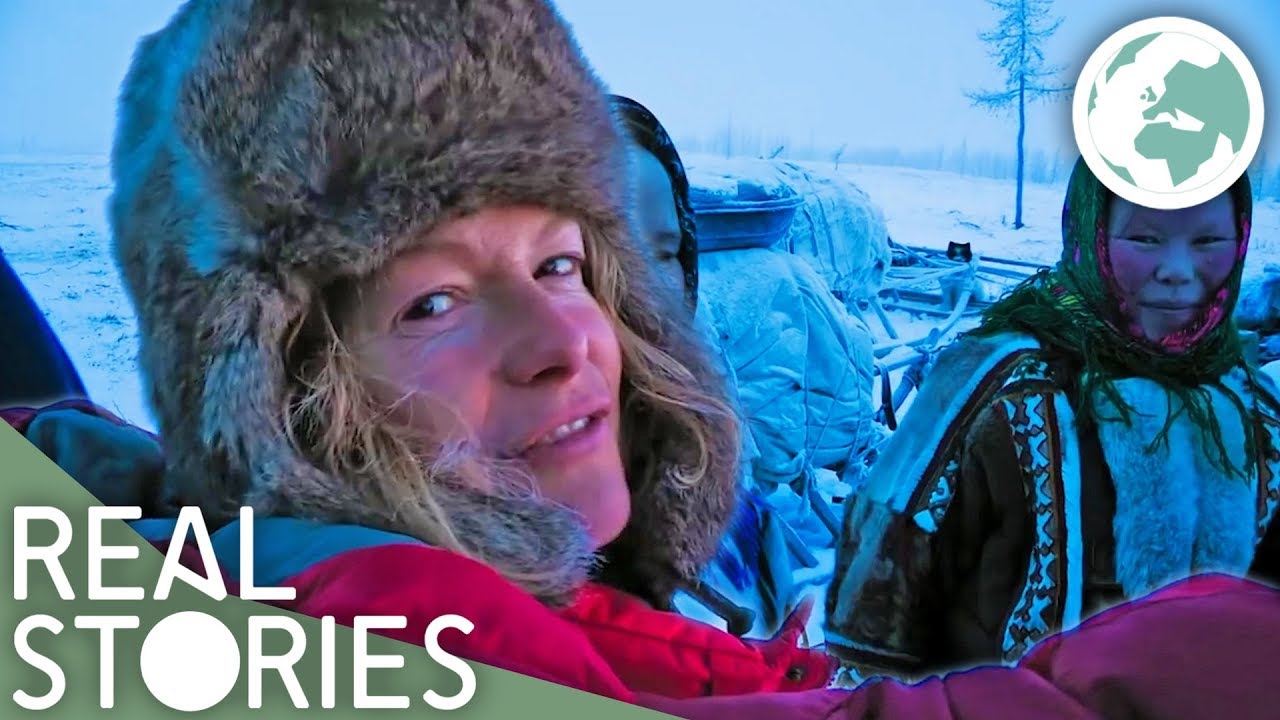
Temperatures in the Yamal Peninsula drop to minus 35.3 degrees Celsius, challenging the survival of nomadic reindeer herders in Siberia.
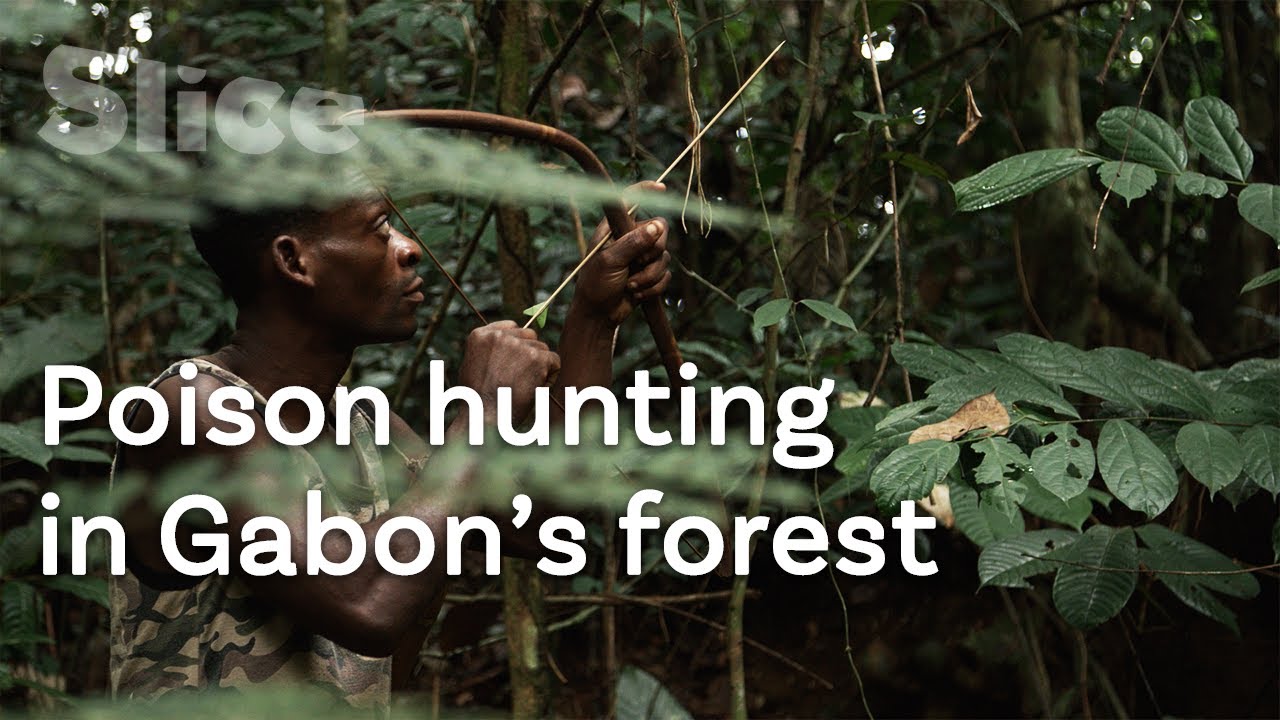
The Punan tribe, numbering a few thousand, live in small groups across Borneo's vast forest and have developed unique hunting techniques for survival.
Twenty-five million years ago, the great apes emerged, leading to the evolution of Homo Sapiens and the development of language, culture, and technology.
Xinjiang, China's largest province, is about the same size as Iran and borders eight Asian countries, offering a mix of harsh landscapes and rich cultural heritage.
A luxury motor home owned by retirees Terri and Richard features custom marble floors, a king-size bed, and costs over €2 million.
1,200 kilometers separate an expedition team from the last refuge of the endangered Gobi bear in Mongolia's remote desert.
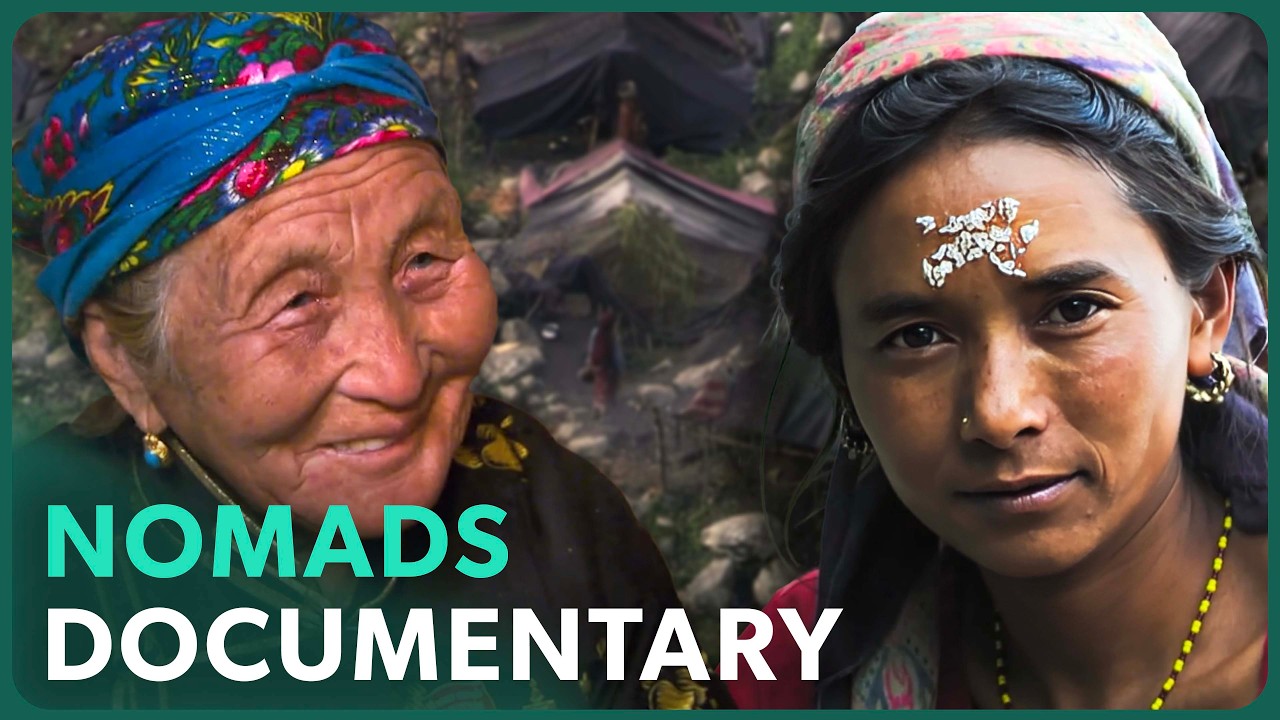
Fewer than 150 Raute people remain in Nepal, living as nomads and facing pressure to settle in a rapidly modernizing society.
Fun fairs and the lives of travelling showmen are explored, revealing the challenges and dedication behind the vibrant attractions and rides.
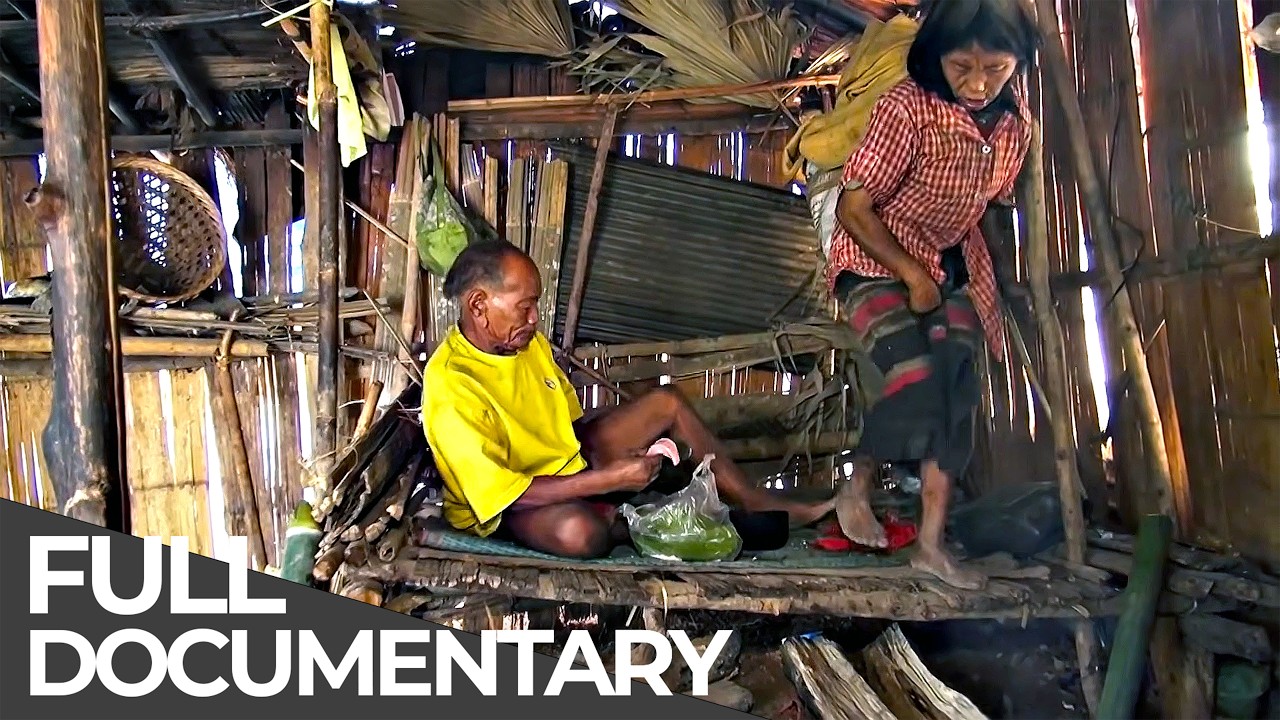
In the forests along the Thailand-Laos border, the Mlabri, one of Asia's last hunter-gatherer tribes, navigate the challenges of modernization after being resettled from their ancestral lands.
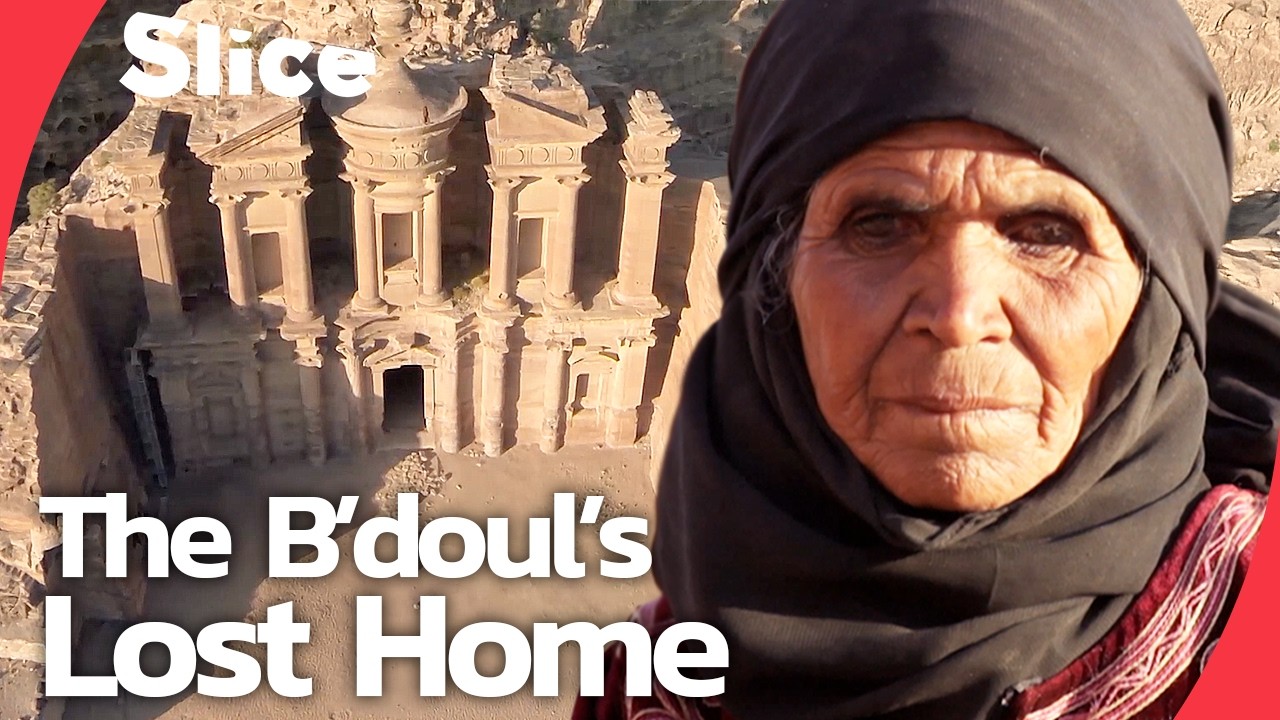
In the early 1980s, the B’doul tribe was expelled from Petra, losing their homes in the caves where they had lived for generations.
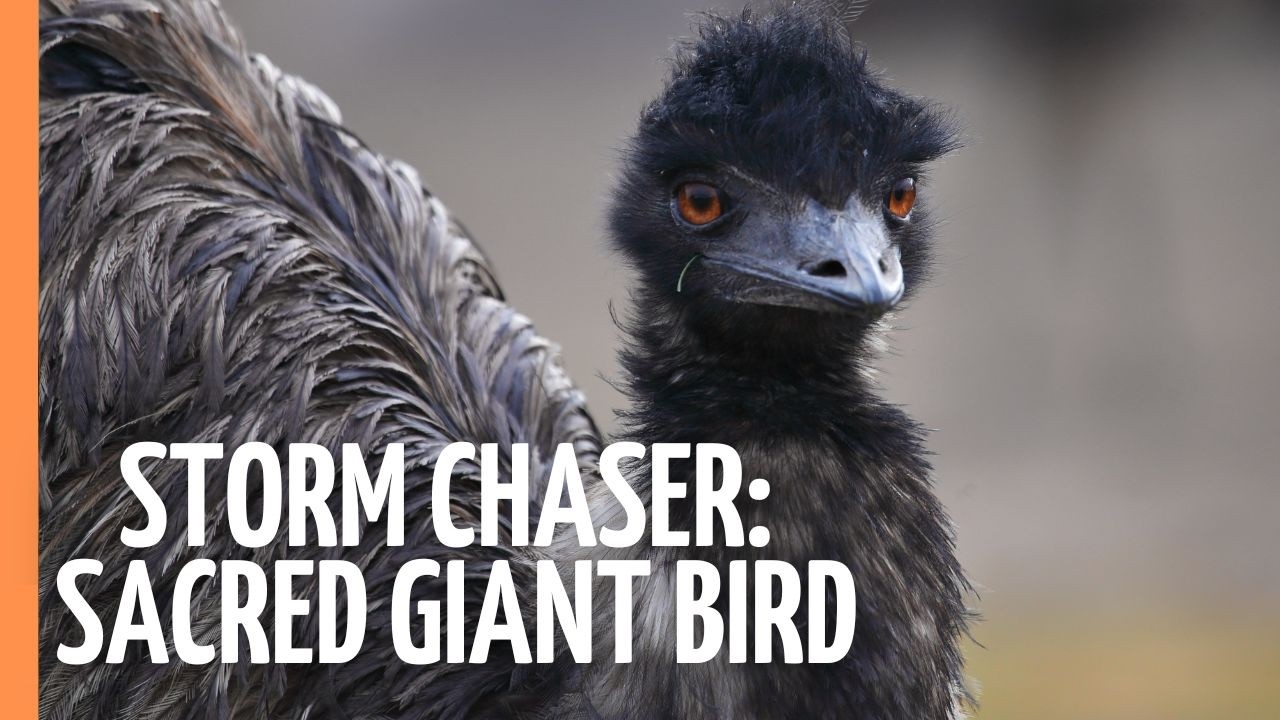
A male emu travels up to 25 kilometers a day in search of food and water in the dry Australian outback.
In northern Mongolia, the Tsaatan, a nomadic tribe of reindeer breeders, face the challenge of preserving their traditions amid modern educational demands.
The B'doul tribe was driven out of their caves in Petra 30 years ago, leaving them to adapt to life in a nearby settlement amid rising tourism.
Tsaatan reindeer herders navigate the harsh conditions of Mongolia's frozen frontier, preserving their unique culture and traditional way of life.
The Raute people of Nepal, one of the last nomadic tribes, face the challenges of modernity while maintaining their traditional lifestyle amidst a changing world.
Hadzabe hunters and Maasai warriors in Tanzania exemplify ancient human societies, intertwining their lives with sacred landscapes and rich cultural rituals.
Waltzing Germanic travellers, bound by guild traditions, embrace a life of freedom and exploration while honing their trades across Europe.
Yenish people in Germany strive for official recognition and cultural preservation amid challenges to their identity and heritage in contemporary society.
The Tsaatan of Mongolia represent one of the last nomadic cultures, maintaining their traditional reindeer herding lifestyle amidst modern challenges.
A travelling merchant, weary of his solitary life, seeks a permanent home and companionship in Allan Kroeker's adaptation of W.
Himalayan nomads navigate the high passes of Ladakh, preserving ancient trade routes and cultural traditions while facing the challenges of a changing world.
Purevjav captures several wolf cubs to sell their pelts, driven by the need to replace livestock lost to winter storms in Mongolia's harsh wilderness.
About 500,000 Bajaus live in stilt houses along the Indonesian, Malaysian, and Philippine coasts, maintaining their connection to the ocean through fishing.
Sai owns 50 Mongol horses, a breed adapted to the harsh climate of the Mongolian steppes, where he continues traditional horse rearing despite modern pressures.
In the Liwa Oasis of the United Arab Emirates, Bedouin tribes transitioned from nomadic lifestyles reliant on camels to modern agricultural practices, influenced by Sheikh Zayed bin Sultan Al Nahyan's vision.
Three thousand children in Ulaanbaatar live in manholes to escape temperatures that can drop to minus 40 degrees Celsius during the winter months.
Babongo pygmies, once nomadic, now practice subsistence farming in the lush Mayombe and Chaillu mountain ranges, relying on the forest for their livelihood.
Almost 30% of Tuvan males die from alcohol poisoning, while shamans seek to restore traditional beliefs in a region facing severe social challenges.
15 Vezo fishermen set sail each year for several months, relying on traditional Laka canoes to navigate the rich fishing grounds of Madagascar.
The ancestors of the Scythian nomads first domesticated horses not for riding, but for meat and milk, shaping their way of life for thousands of years.