From over 100,000 films, discover the handful you'll love.
Free or premium access to the world's largest documentary library.
31 films
Eight diaries reveal the thoughts and experiences of individuals living under Nazi rule, from fervent supporters to those fearing persecution.
Hitler's first radio address as chancellor on February 1, 1933, was carefully crafted to appeal to a broad audience, avoiding any sign of anti-Semitism.
More than six million Jews were murdered during the Holocaust, a genocide largely orchestrated by Reinhard Heydrich, a key figure in the Nazi regime.
Hitler was sworn in as chancellor on January 30, 1933, after a decade of building a propaganda brand that manipulated public perception and rallied support.
At 1,800 meters above sea level, the Eagle's Nest served as a strategic vantage point for Adolf Hitler and his inner circle during the Nazi regime.
On July 21, 1944, Colonel Claus von Stauffenberg was executed alongside three other conspirators after their failed assassination attempt on Adolf Hitler.
A 47-minute examination of Henry Kissinger's influence on Realpolitik during the Cold War includes insights into his early life in Nazi Germany.
Total war transformed economies and societies, as the Second World War saw massive armies confronting entire populations and leading to widespread devastation.
In 1936, the Wehrmacht's invasion of the Rhineland marked a clear violation of the Treaty of Versailles and signaled Germany's growing military ambitions.
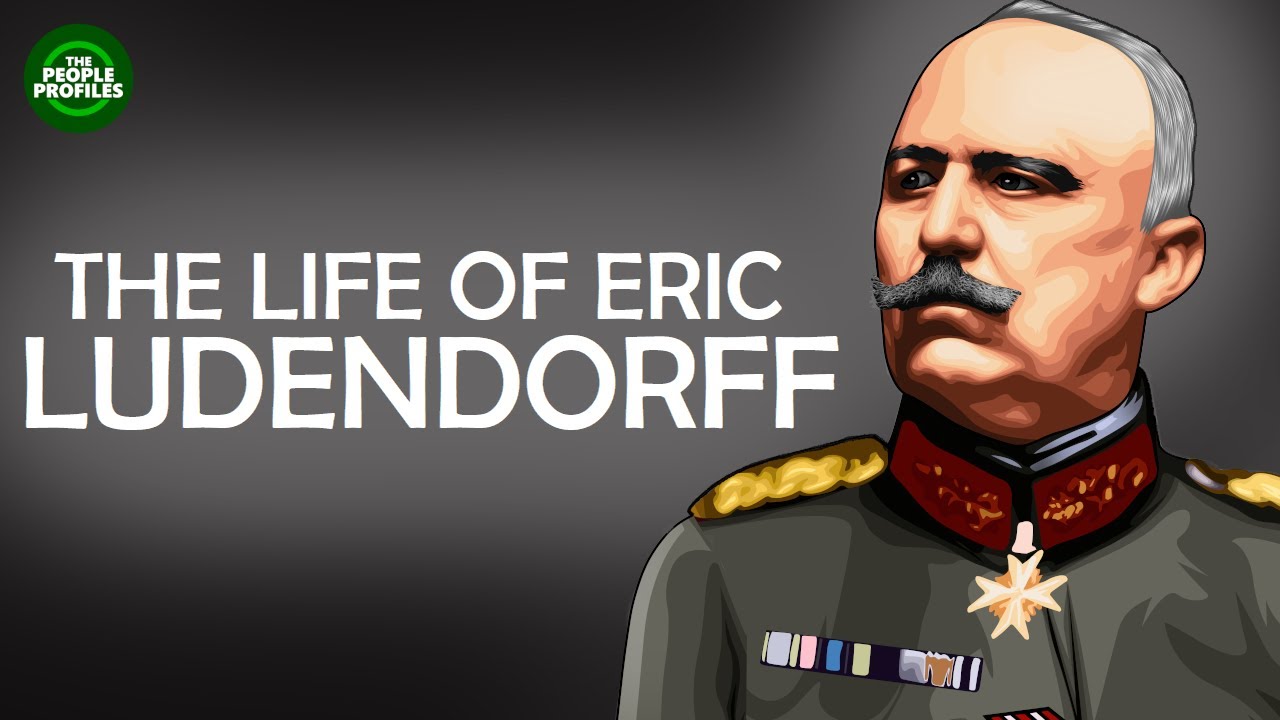
Erich Ludendorff was born on April 9, 1865, in Krusenia, a village in modern-day Poland, and became a significant military figure in World War I.
Adolf Hitler, blinded in a mustard gas attack during World War I, later led Germany into a devastating conflict that resulted in millions of deaths.
Adolf Hitler declared that Germany would either be a world power or would not be at all, a risk he was ultimately unprepared to take.
Over 15 million people died as a result of Adolf Hitler's decisions during World War II, which led to catastrophic military failures and widespread destruction.
40,000 transactions from the Julius Böhler art dealership between 1933 and 1945 are being analyzed to locate lost artworks from Jewish collections.
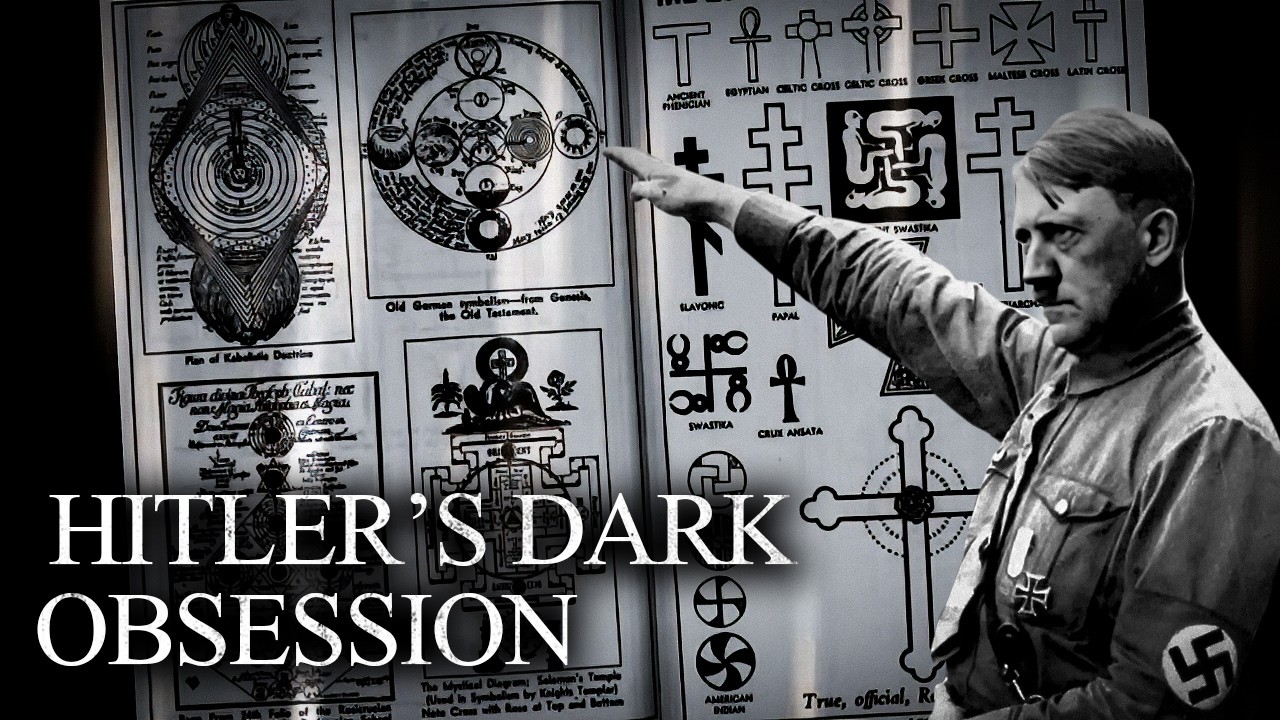
Over 68 minutes, the film examines Adolf Hitler's connections to the occult, including his obsession with the Holy Grail and the Spear of Destiny.
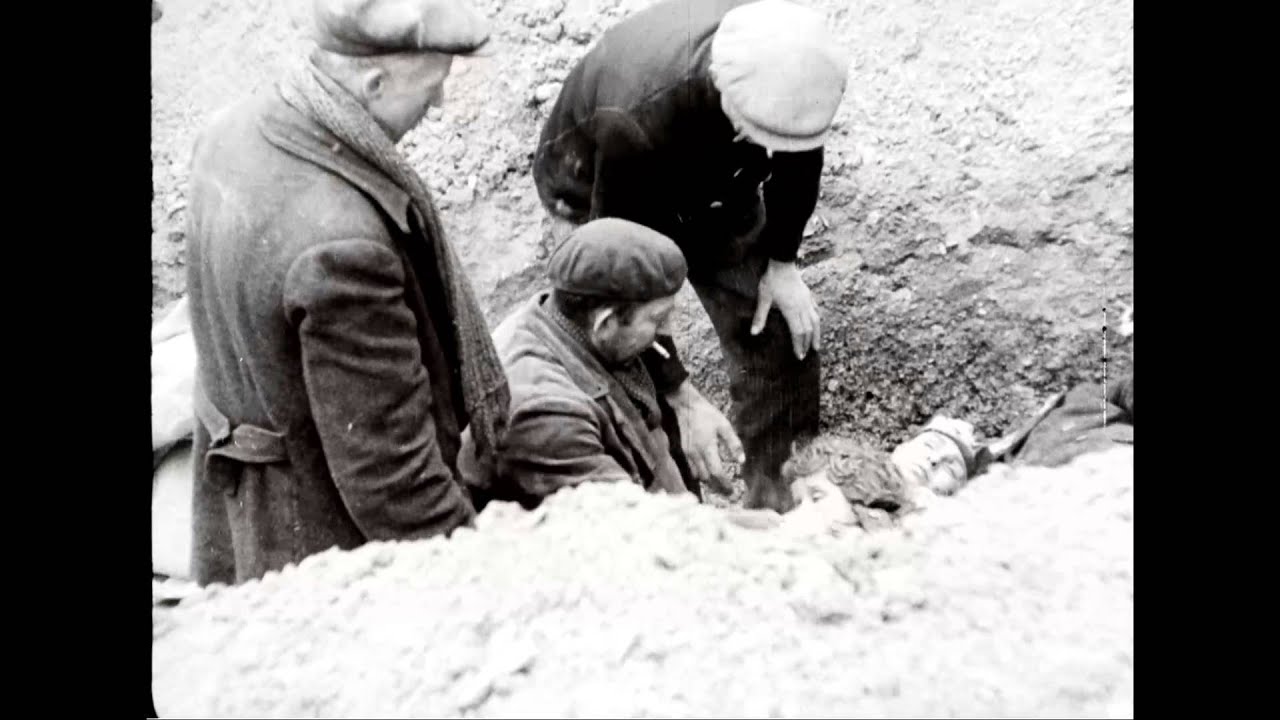
Twenty Jewish children, aged 5 to 12, were subjected to medical experiments at Noama concentration camp before their deportation by the SS.
Hundreds of thousands of Nazis gathered in Nuremberg in 1934 for a meticulously choreographed rally that combined spectacle with political messaging.
By 1933, the Nazi Party had risen to become the most popular political party in Germany, with Hitler now serving as Chancellor.
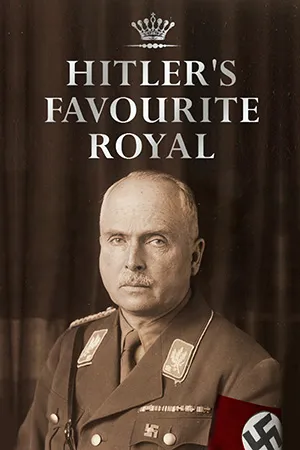
Prince Charles Edward, born on July 19, 1884, became a close ally of Hitler and was later labeled a Traitor Peer for his Nazi affiliations.
Deputy Führer Rudolf Hess, increasingly isolated, dreams up a reckless secret plan as Nazi leaders jostle for power amid the chaos of total war.
King Edward VIII abdicated the throne in 1936, choosing to marry Wallis Simpson, which triggered a major constitutional crisis in Britain.
In April 1953, Queen Elizabeth II offered Winston Churchill the Order of the Garter, recognizing his service as her first Prime Minister.
By the mid-1600s, Berlin's population exceeded 20,000, marking its growth as a significant city in Europe before the turmoil of the 20th century.
Oskar Schindler saved the lives of 1,200 Jews during the Holocaust by employing them in his factories in Nazi-occupied Poland.
670,000 people were arrested and 376,000 executed during Stalin's Great Purge, reflecting the violent methods of totalitarian regimes in the 20th century.
Two German U-boats traveled over 3,000 miles across the Atlantic in 1942 to land Nazi agents on the American coast for sabotage missions.
Gailey Raubal, Adolf Hitler's niece, was found dead in his Munich apartment in 1931, officially ruled a suicide amid speculation of a cover-up.
Prora, a massive holiday complex built by the Nazis, spans almost three miles and was designed to accommodate 20,000 guests for state-sponsored indoctrination.
Unemployment is falling and GDP is rising as Germany undergoes an economic revival, with some viewing the Nazi regime's impact as beneficial.
78,000 American soldiers were lost during the German counteroffensive in the Ardennes Forests in December 1944.
In March 1941, the Tuskegee program faced financial trouble, prompting First Lady Eleanor Roosevelt to fly with instructor Charles Alfred Anderson.