From over 100,000 films, discover the handful you'll love.
Free or premium access to the world's largest documentary library.
27 films
An early 1900s experiment with submarine technology leads to one of the most absurd events in naval history, highlighting the challenges of innovation.
Battleships of World War II are ranked by naval historian Dan Snow based on specifications, historical significance, and their overall impressiveness.
HMS Warrior, Britain's first iron-hulled battleship, represents a pivotal moment in naval history and technological advancement during the 19th century.
At 7:00 a.m. on December 7, 1941, the first wave of 180 Japanese aircraft was approximately 130 miles away from Pearl Harbor, setting the stage for a devastating attack.
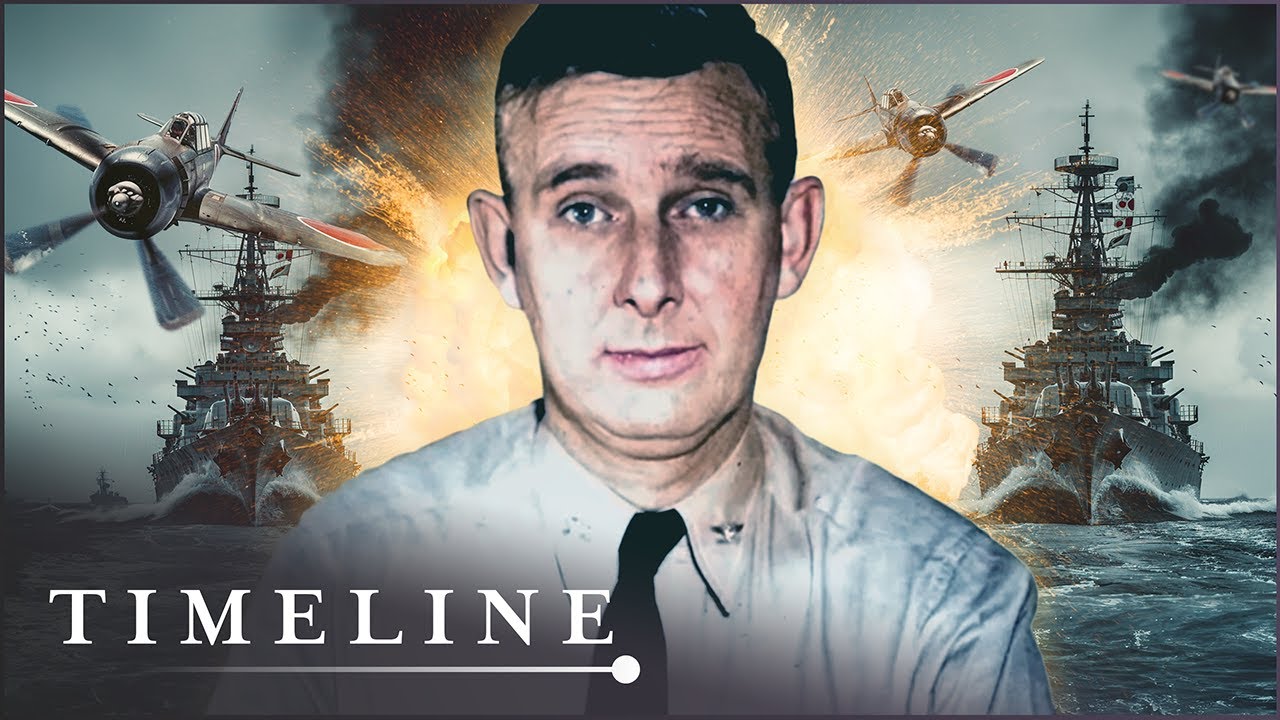
A naval officer with a talent for crosswords played a crucial role in countering the Japanese Navy's advances after the Pearl Harbor attack.
3 million combatants died during the Pacific War, which also saw the destruction of 3,000 ships, many of which remain lost beneath the ocean.
HMS Victory, launched in 1765, became the iconic flagship of Vice-Admiral Lord Nelson, playing a crucial role in Britain's naval triumphs, including Trafalgar.
Liberty Ships, unveiled at Baltimore docks in 1941, transported two-thirds of all US cargo during WWII, significantly aiding the Allies' victory.
Famous historic ships from the United Kingdom, including HMS Victory and Cutty Sark, are explored through engaging narratives and expert insights.
Artefacts related to Vice-Admiral Lord Horatio Nelson, including a piece of HMS Victory's white ensign and a lock of his hair, highlight the legacy of the Battle of Trafalgar.
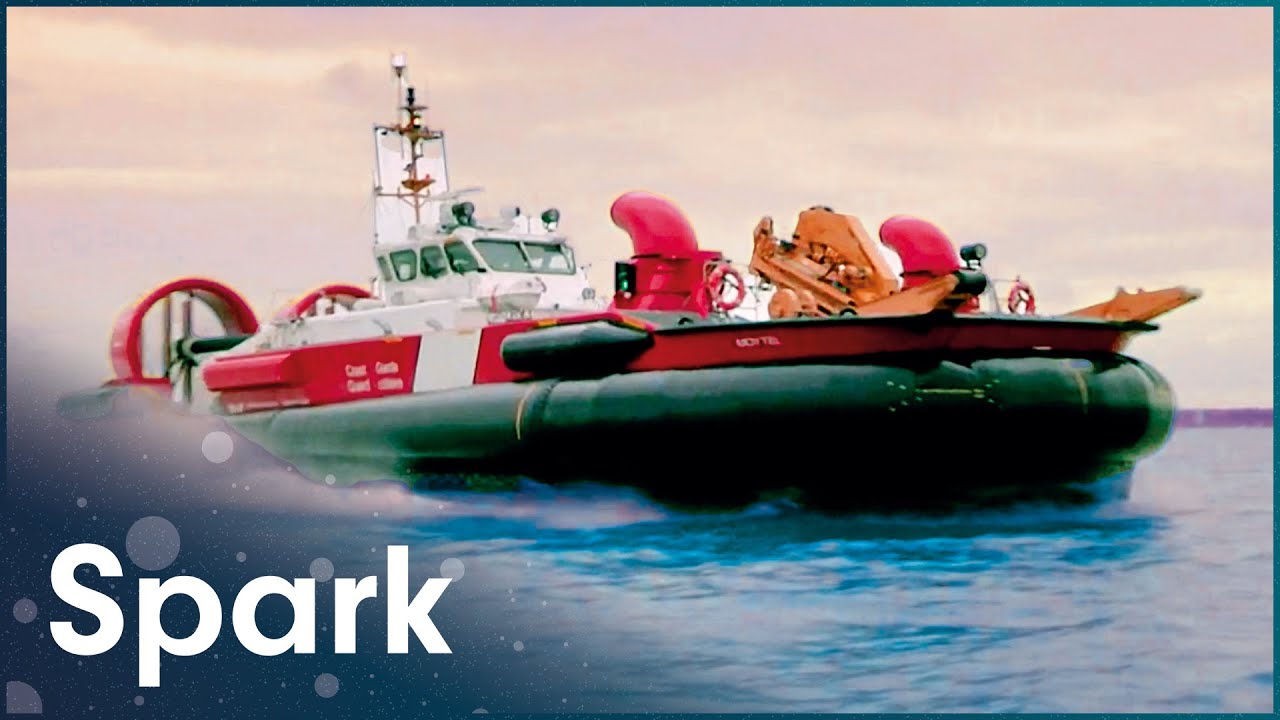
A team of marine engineers attempts to move a 1,400-ton submarine over 1,000 kilometers across Canada while racing against time and harsh weather.
The National Maritime Museum reveals the complex history of Britain's Royal Navy, including Admiral Nelson's death, the Franklin Expedition, and modern piracy.
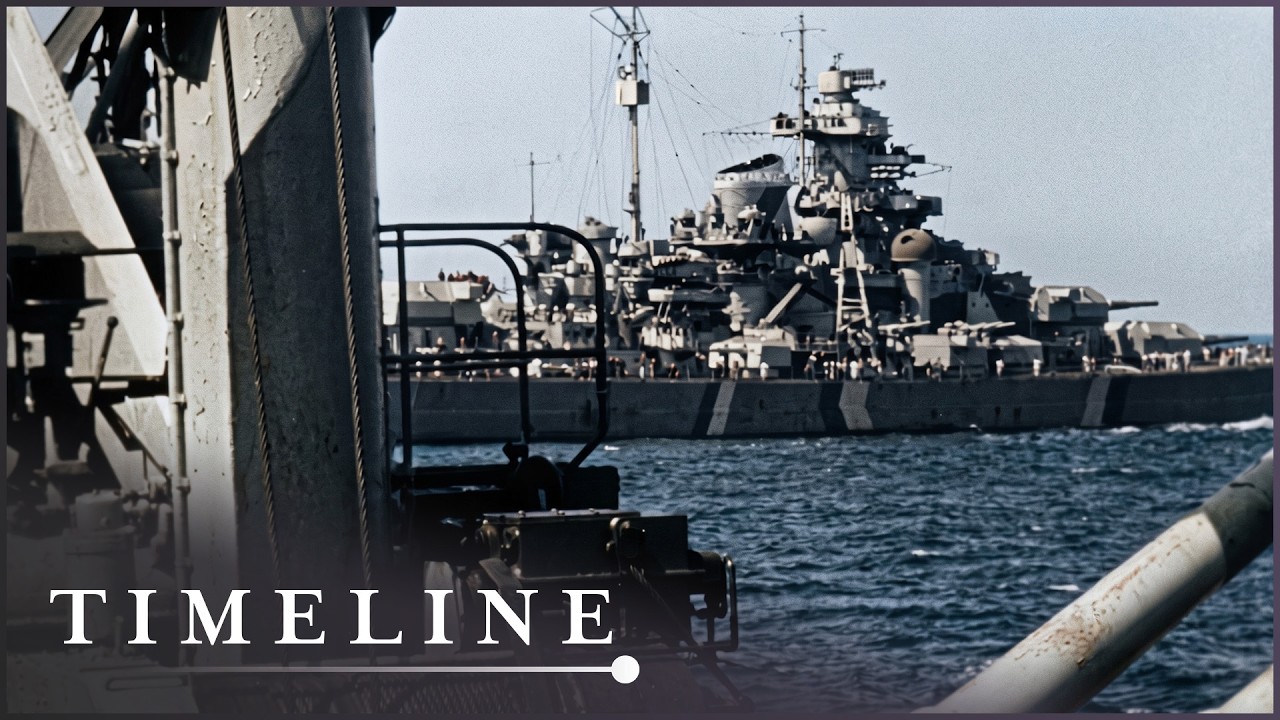
The sinking of the German battleship Bismarck is examined through insights from naval historian Nick Hewitt and curator Andrew Choong at the National Maritime Museum.
American combat troops began arriving in Vietnam in the mid-1960s, shifting the war's dynamics as they engaged directly with North Vietnamese forces.
USS Indianapolis, a heavy cruiser, faced the greatest sea disaster in U.S. Navy history after delivering atomic bomb components, resulting in a harrowing survival tale.
USS New York, built to honor 9/11 victims, stands as a testament to resilience and strength, embodying the spirit of American freedom.
Joseph L. George, a Boatsman's Mate on the USS Vestal, defied orders during the Pearl Harbor attack to save six survivors from the USS Arizona.
On February 17, 1864, the Confederate submarine H.L. Hunley became the first to sink an enemy ship in combat, but the mystery of its crew's fate remains unsolved.
In August 2000, an explosion aboard the Kursk submarine led to a tragic incident that trapped Russian submariners in the Barents Sea.
Craig L. Symonds provides a comprehensive narrative of World War II's naval battles across all oceans and seas from 1939 to 1945.
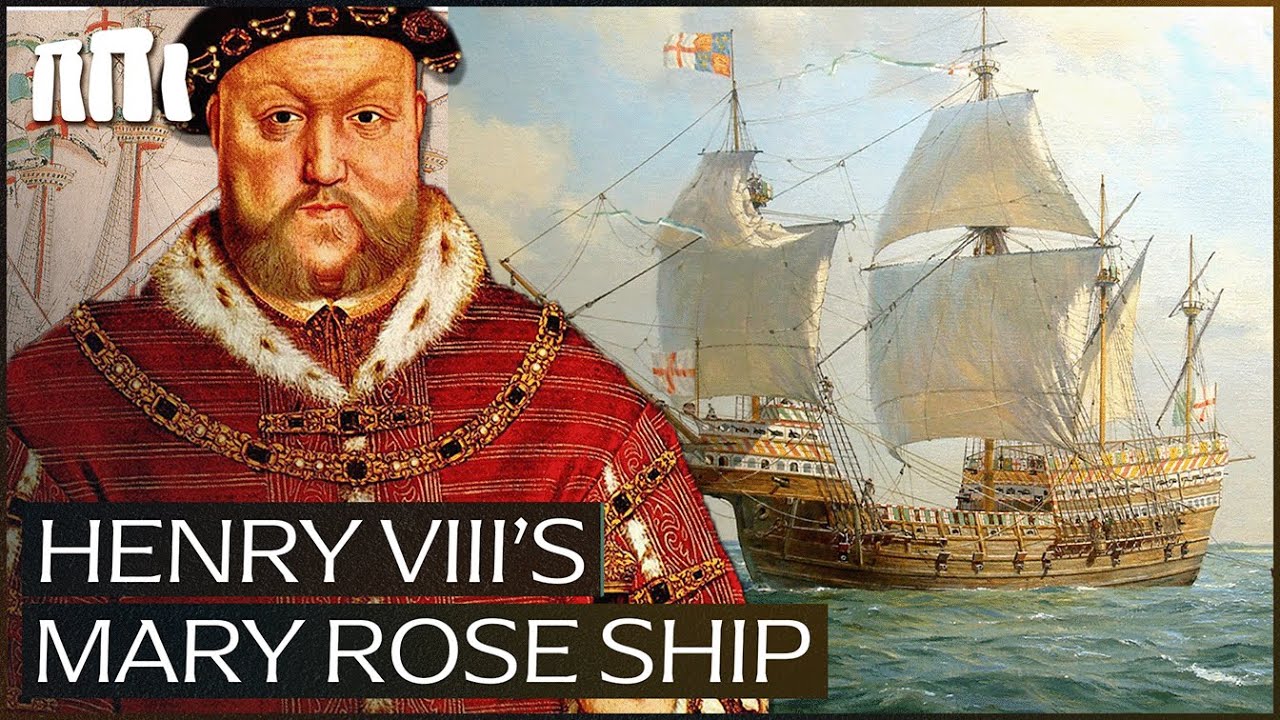
Henry VIII's warship sank in 1545, leading to various theories about the causes, including enemy fire, construction flaws, and royal decisions.
The SEALAB III project, supported by the USS Elk River, aimed to explore underwater living but ended in tragedy with the death of aquanaut Berry L. Cannon.
France's Charles de Gaulle aircraft carrier, the most powerful vessel in its navy, utilizes advanced catapult technology to launch fighter jets efficiently.
The USS Indianapolis sank on July 30, 1945, resulting in the worst sea disaster in U.S. naval history, with survivors facing five days adrift in the Pacific.
Over 260 American families lost loved ones in the sinking of the USS Maine, which occurred on February 15, 1898, in Havana harbor.
In June 1919, Admiral Ludwig von Reuter ordered the scuttling of the German High Seas Fleet at Scapa Flow, marking a pivotal moment in naval history and European politics.
In July 1960, crewmembers of the USS CURRENT (ARS-22) conducted salvage operations on a Japanese midget submarine involved in the Pearl Harbor attack.