From over 100,000 films, discover the handful you'll love.
Free or premium access to the world's largest documentary library.
25 films
121 square kilometers make up Saint Helena, a remote island in the South Atlantic that relies on a single ship for food and supplies every three weeks.
Researchers excavate 78 mummies from a crypt beneath the altar of Sacramento Church in Lisbon, revealing a complex history intertwined with local legends.
185,000 square miles of Russian land were freed during the winter campaign of 1942, marking a significant turning point against the Axis powers.
Napoleon's enforced exile on Elba leads to his defeat at Waterloo in June 1815.
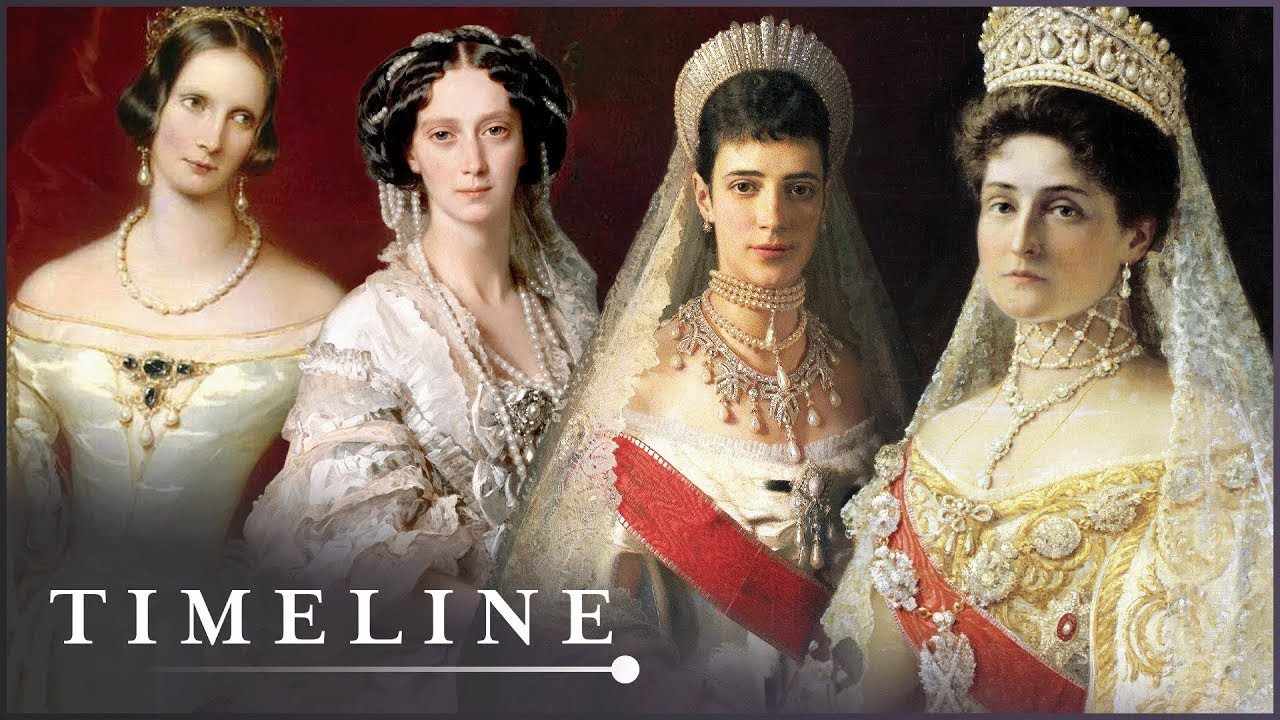
Charlotte von Prussia traveled 1,500 kilometers by horse-drawn carriage to Saint Petersburg in 1817 to marry Grand Duke Nicholas.
Charlotte von Preußen traveled 1,500 kilometers from Berlin to Saint Petersburg in 1817, marking the beginning of a lineage of German Tsarinas in Russia.
Josephine de Beauharnais survives a death sentence and influences Napoleon as his Empress and great love.
By 1807, Napoleon prepared to invade Portugal to enforce the Continental System, igniting the Peninsular War that reshaped Europe.
Between 1941 and 1945, German factories produced a variety of armored fighting vehicles in just a few months to meet the urgent demands of the Eastern Front.
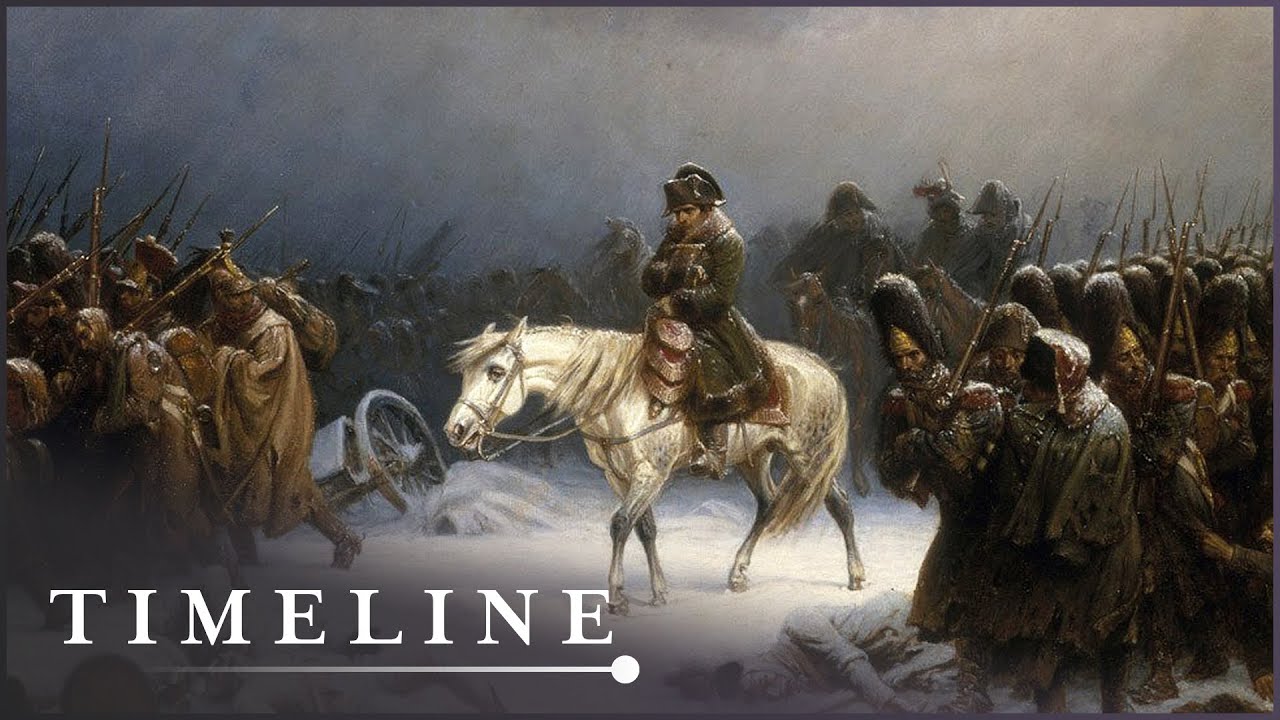
Of the half a million men who crossed into Russia in 1812, fewer than 50,000 survived to return home after a brutal campaign.
On September 10, 1812, Antonin Karem prepared an extravagant feast in Paris to celebrate Napoleon's rumored victory, featuring lobster, salmon, and charlotte cakes.
Napoleon sets out in 1798 with 38,000 men to conquer Egypt and explore its culture.
D-Day, the Blitzkrieg in France, the Battle of Britain, and the Battle of Austerlitz are pivotal conflicts that shaped Europe's military history.
Opened in 1753, Haslar was Europe's largest brick building, designed to treat sailors suffering from disease and injury during the British Empire's naval dominance.
A French chef named Nicolas Appert won a prize in 1809 for developing a method to preserve food by sealing it in containers and heating it.
In June 1803, Beethoven completed the Eroica Symphony in about three months, initially naming it after Napoleon before erasing his name from the score.
A Transcontinental Railroad, one of the greatest building feats since the pyramids, united the nation with a ribbon of iron and wood after the Civil War.
An unfinished Knights Templar castle endured a brutal five-day siege by Saladin's army in 1179, leading to the grim fate of the crusaders inside.
Andrew critiques Ridley Scott's Napoleon, claiming only 38 minutes are accurate.
Kevin Nealon reveals he is 99.8% Irish and humorously discusses his DNA test results.
Napoleon's army struggles to cross the Berezina River during its retreat from Moscow.
Napoleon chose the eagle as a symbol of pride for the French Army during battles.
Notre-Dame survives a devastating fire, preserving priceless artifacts and its Gothic legacy.
Napoleon's troops were forced to march 12 to 25 miles a day while facing severe food shortages and the effects of a scorched earth policy during the campaign.
London has been a major settlement for almost 2,000 years, founded by the Romans in 43 AD and shaped by various monarchs and architects.