From over 100,000 films, discover the handful you'll love.
Free or premium access to the world's largest documentary library.
8 films
Frederick Douglass described Abraham Lincoln as "emphatically a Black man's President" shortly after Lincoln's assassination in 1865.
Frederick Douglass visited the White House in August 1863 to advocate for better treatment of African American soldiers during the Civil War.
Nearly half a million free people of color lived in the United States on the eve of the Civil War, with over 250,000 in the South.
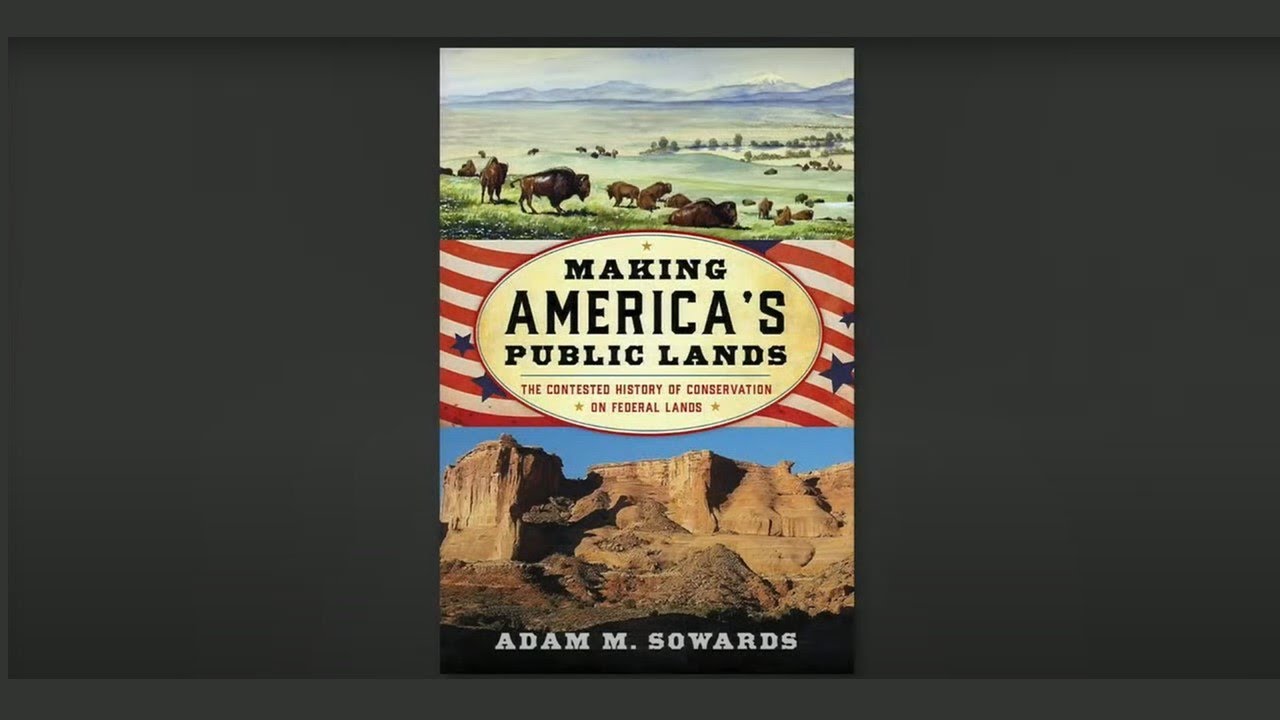
Over 640 million acres of federal land in the United States are managed by four key agencies, shaping the economy and national identity.
On September 11, 2001, eyewitnesses at the Pentagon recount their experiences and acts of rescue during the terrorist attack that claimed 125 lives.
Diana Schaub analyzes three key speeches by Abraham Lincoln, including the Gettysburg Address, to reveal his views on American history and national character.
115 years before John F. Kennedy addressed the Irish Parliament, his great grandparents left Ireland for America in search of a better life.
A 1779 advertisement in a Baltimore newspaper listed the clothing items a woman named Nanny took with her as she escaped to freedom.