From over 100,000 films, discover the handful you'll love.
Free or premium access to the world's largest documentary library.
18 films
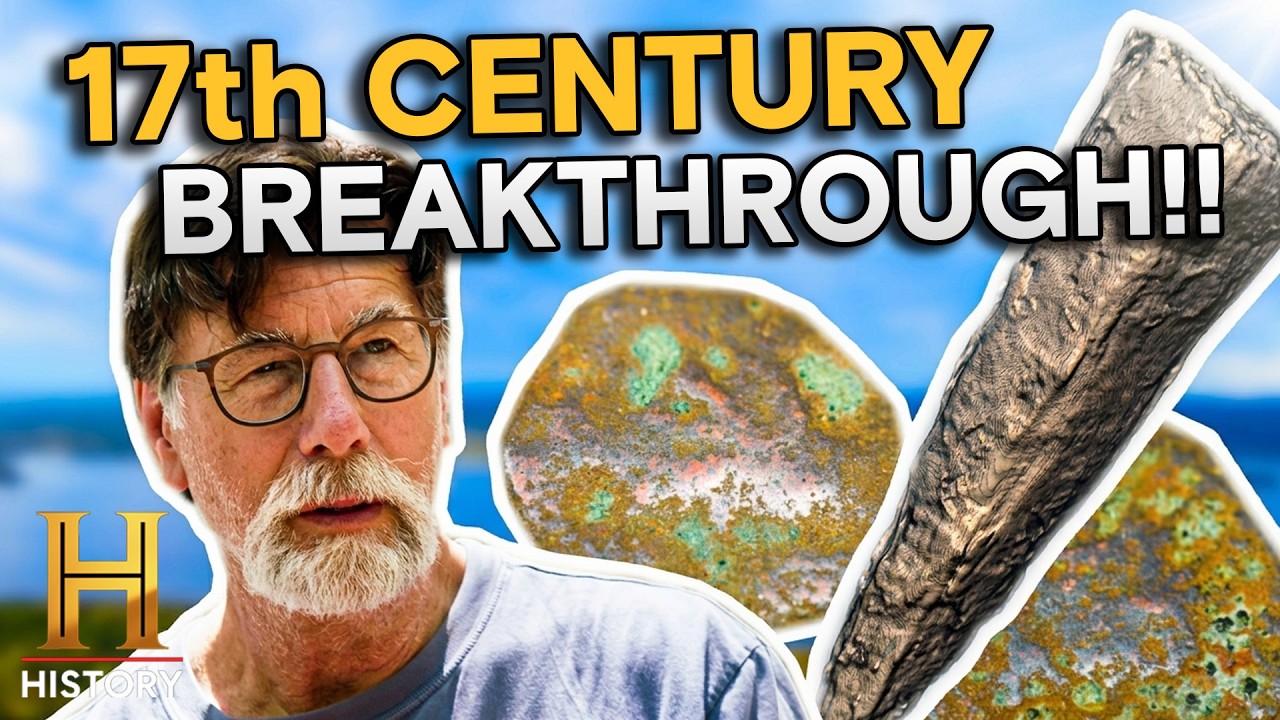
In Nova Scotia, key 17th-century discoveries on Oak Island reveal significant historical artifacts and deepen the ongoing mystery of potential hidden treasures.
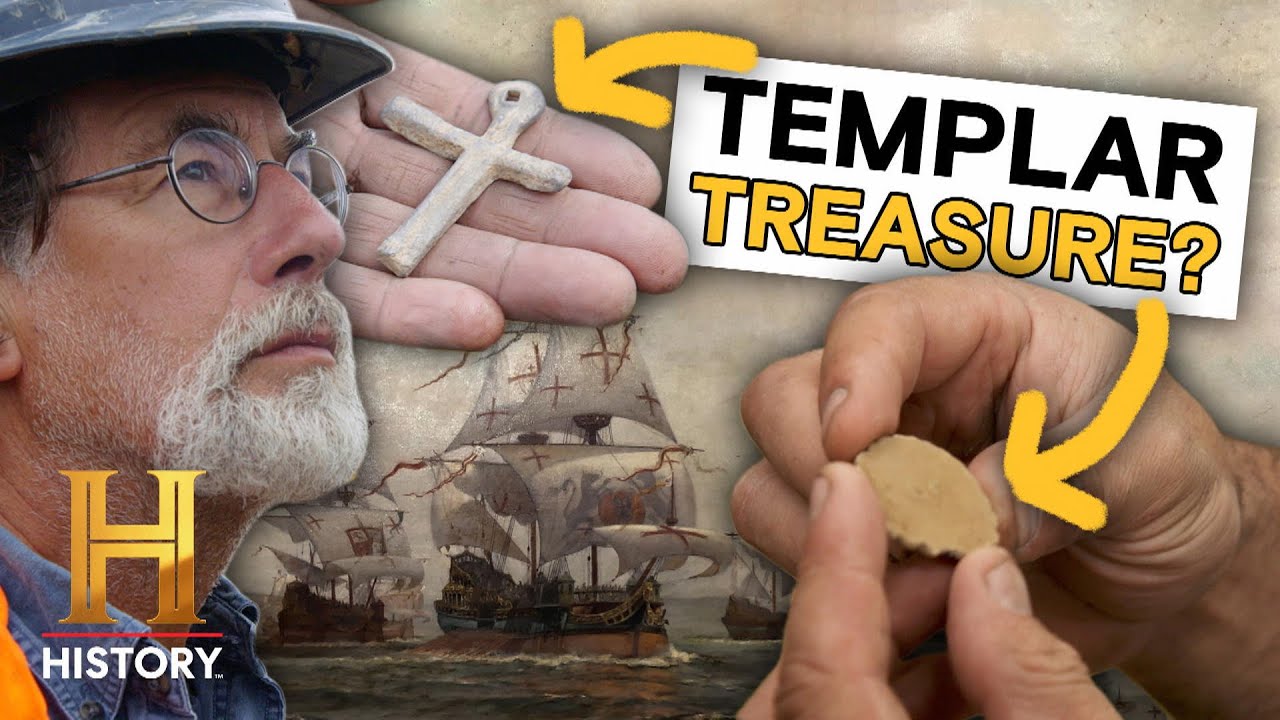
A fragment of a 17th century English silver coin and a 14th century lead barter token are among the artifacts unearthed from over 10 tons of spoils on Oak Island.
Five significant finds on Oak Island, including a 1771 slipway and a medieval cross, bring the team closer to solving the island's treasure mystery.
Rick and Marty Lagina lead a team of divers to explore the legendary treasure shaft "10-X" on Oak Island, Nova Scotia, in search of buried treasure.
A 13-foot diameter Masonic well in Portugal bears striking similarities to the Money Pit on Oak Island, suggesting a deeper historical connection.
Wood samples from a newly excavated shaft on Oak Island have been dated to 1735 and show high trace evidence of gold.
Over the last 230 years, treasure hunters have worked on Oak Island to reach the bottom of the Money Pit, which is at least 90 feet deep.
A team excavating nearly 100 feet underground on Oak Island discovers wood that may indicate a previously unknown tunnel.
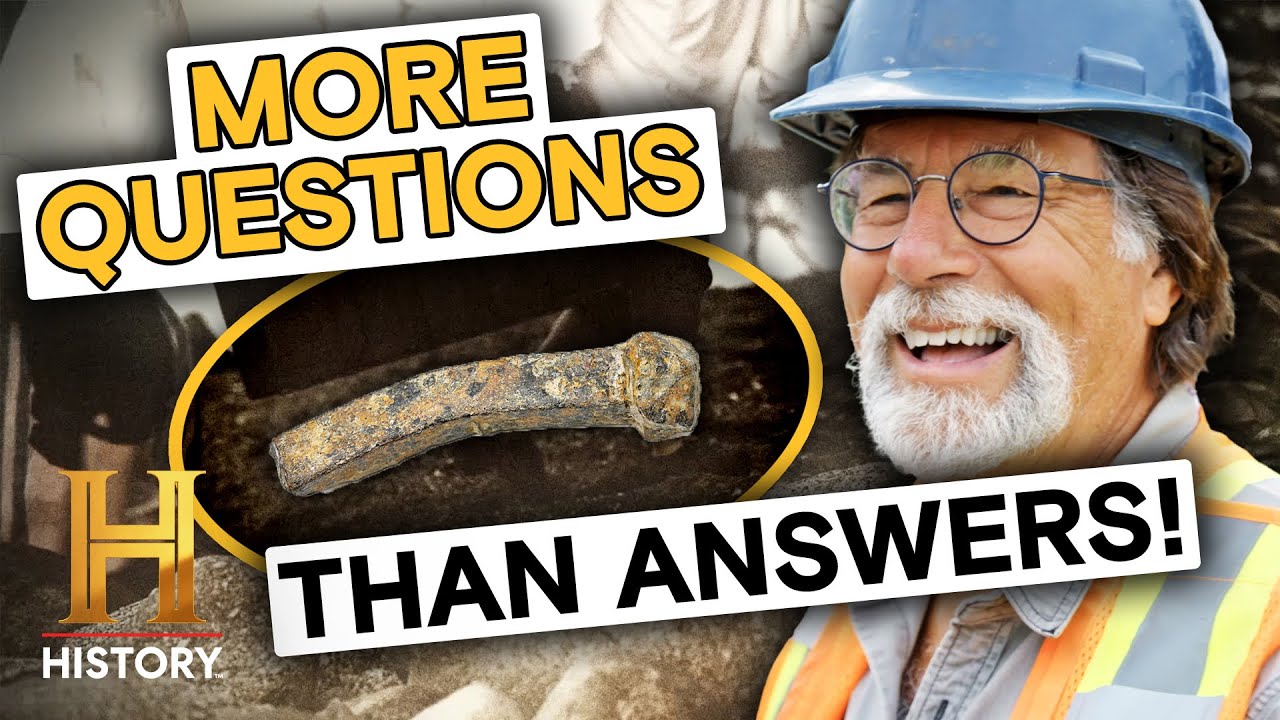
At a depth of more than 70 feet in the RP-1 Shaft, the Oak Island team discovers an iron strap that may connect to the fabled Money Pit treasure.
The team installs their sixth and final seven-foot-diameter steel shaft, reaching 195 feet underground in search of the legendary Money Pit treasure.
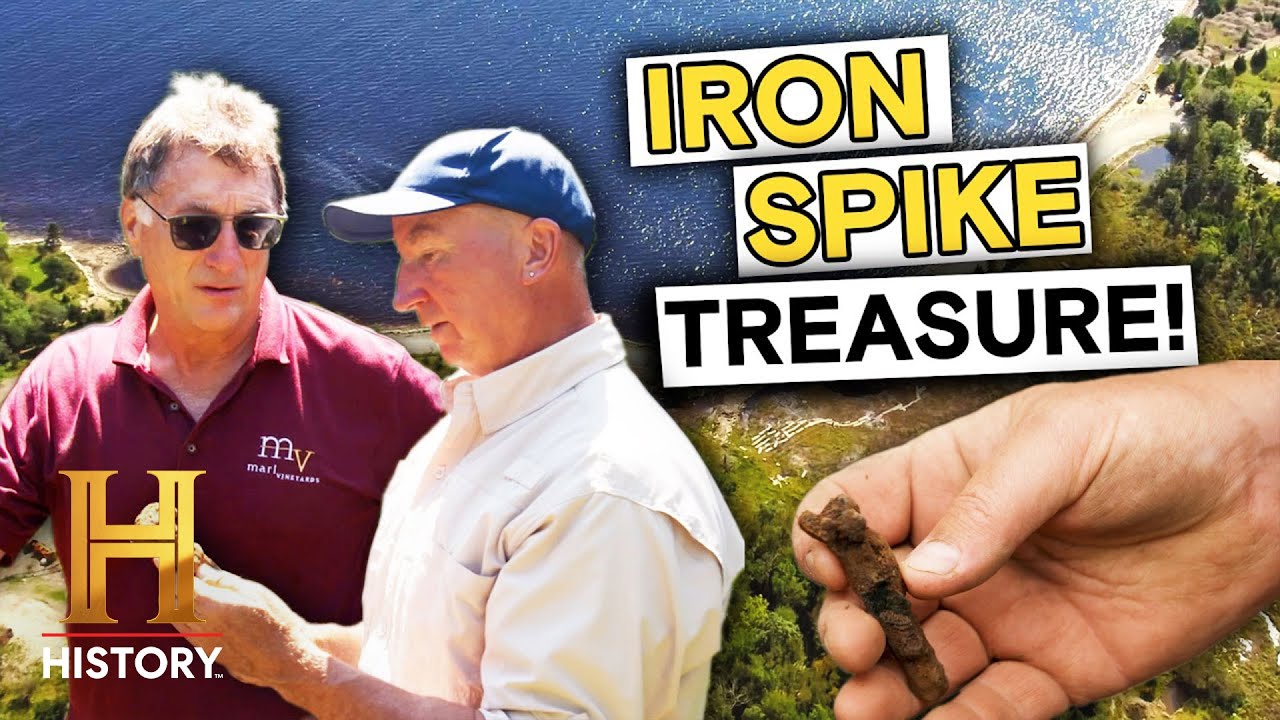
Dr. Christa Brosseau analyzes 18th century iron spikes found near Oak Island, which may provide clues about the treasure's origins and construction.
In 1965, a five-page article in Reader's Digest sparked a treasure hunt on Oak Island that captivated brothers Rick and Marty Lagina for decades.
A 110-foot search shaft on Oak Island reveals remnants of a 19th-century treasure hunt as the team seeks to solve a 230-year-old mystery.
In Scotland, Rick and Marty Lagina investigate a theory regarding the construction of the Money Pit while their team works in the Oak Island swamp.
A ship's railing unearthed on Oak Island was carbon dated to between 660 and the 900s, suggesting Viking activity in the area during that time.
A patent plate possibly from a musket, dating back to the 1790s, is among the significant discoveries linked to Samuel Ball on Oak Island.
In Nova Scotia, Rick and Marty Lagina and their team search the swamp for an alternate entrance to the Money Pit on Oak Island.