From over 100,000 films, discover the handful you'll love.
Free or premium access to the world's largest documentary library.
22 films
Stalin's war factories were dismantled and relocated eastward on one and a half million railway trucks to prevent capture by the Nazis.
An aircraft carrier requires 10 tons of groceries every day to support its crew during military operations far from home.
HMCS Protecteur, a 24,700-tonne auxiliary oil replenisher, plays a crucial role in supporting naval operations in the perilous waters of the Persian Gulf.
British and Australian troops prepare for and engage in combat during World War I, showcasing supply operations, artillery fire, and troop movements.
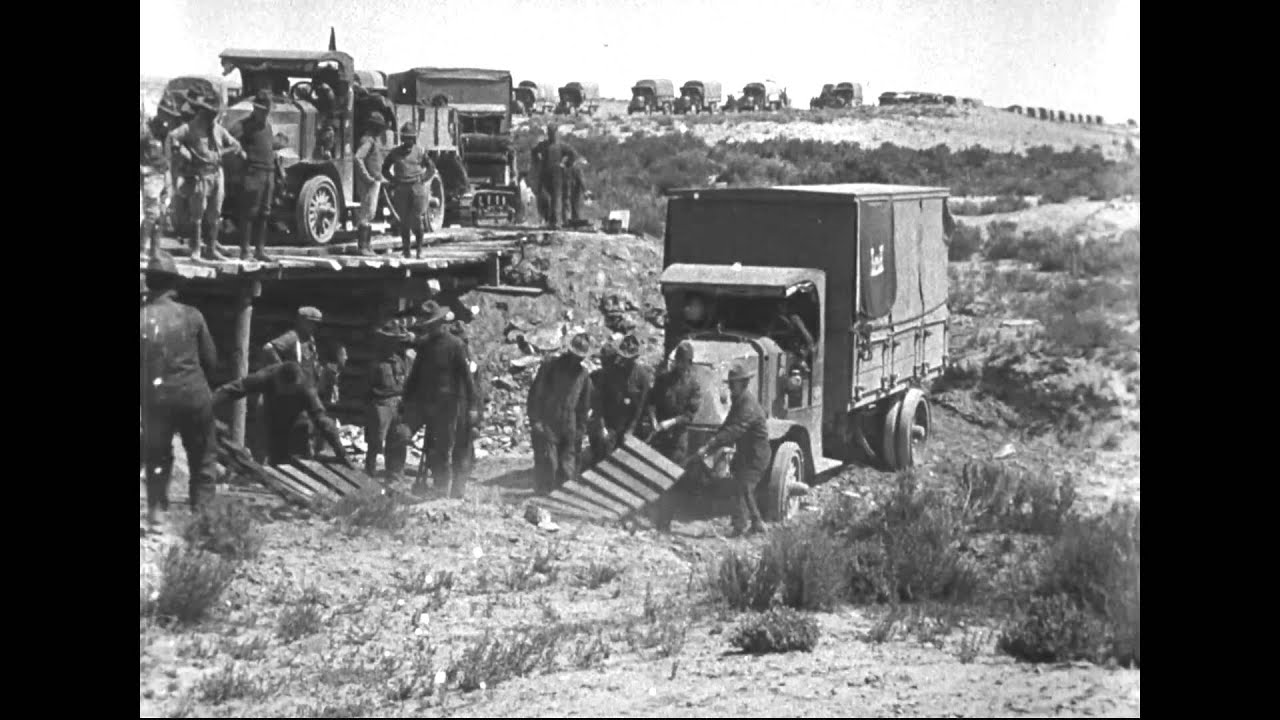
In 1919, the United States Army's transcontinental convoy trip highlighted the logistical challenges of military travel across diverse terrains like the Blue Ridge Mountains and Sierra Nevada.
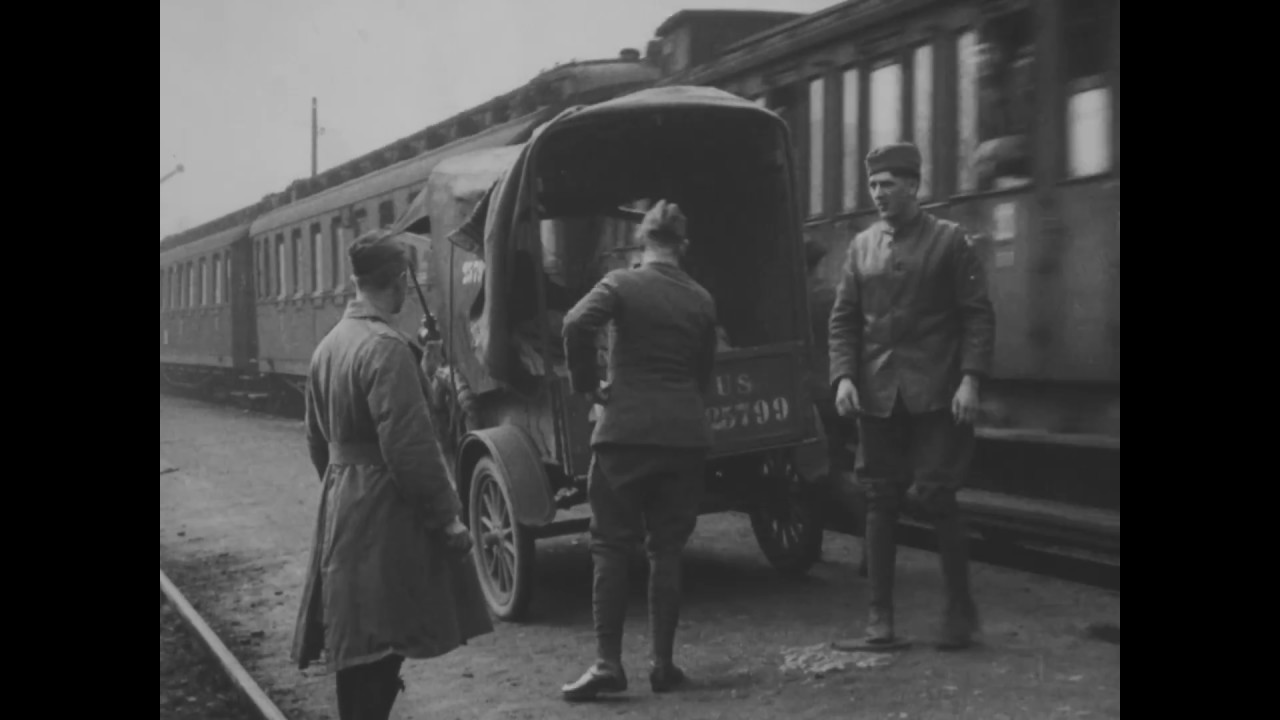
German prisoners unload truck motors and Dodge autos at Base Section No. 4 in Le Havre, while General Coulter supervises operations and reviews military logistics.
In St. Nazaire from 1917 to 1919, freighters like Lake Catherine and Hancock unloaded supplies, including ammunition and food, with the help of stevedore troops and German prisoners.
Bordeaux's dock facilities in 1918 showcase the unloading of supplies by the 811th Stevedore Battalion, including potatoes and beef, alongside entertainment by African American troops.
In 1918, heavy artillery and military equipment were unloaded and assembled at the Bordeaux docks, including Browning rifles and portable machine shops.
Troops board various transport ships, including the Mauretania and battleship Nebraska, at Brest harbor in 1919 as they prepare for deployment to the United States.
In Brest in 1918, cargo including flour, clothing, and food is unloaded from various freighters by the 129th Infantry and labor troops.
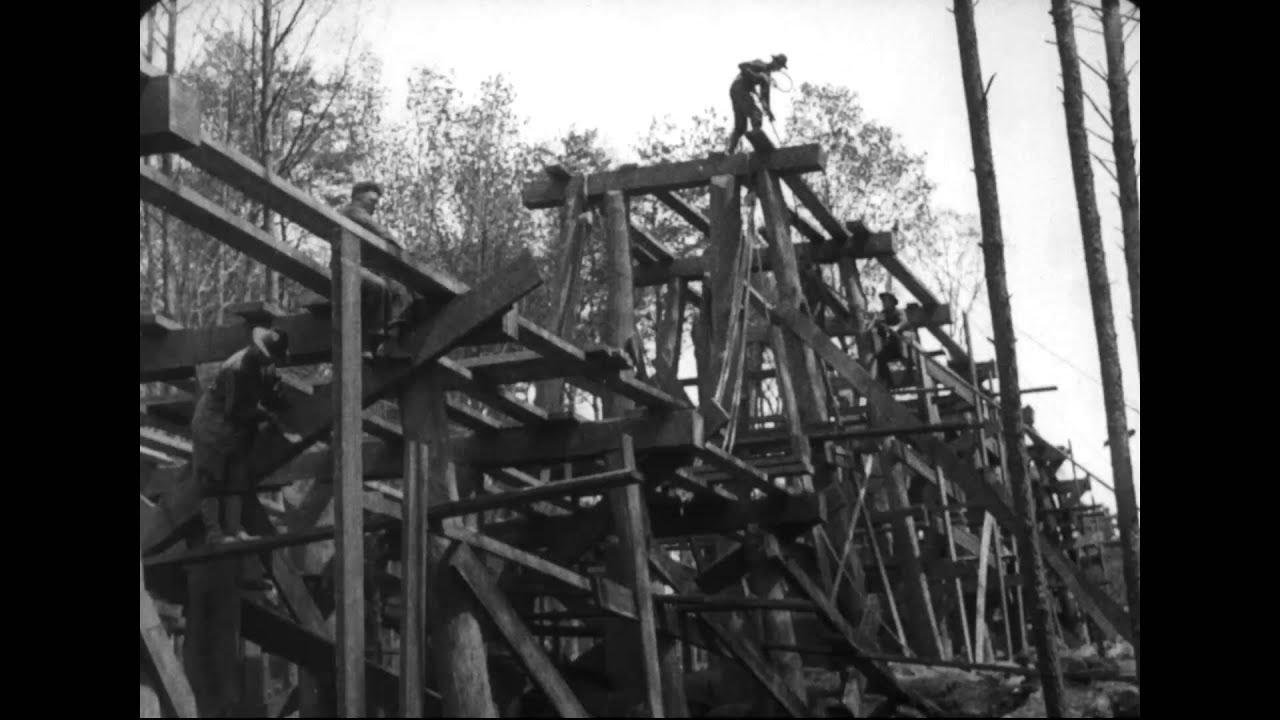
World War I construction activities are documented, showcasing the Quartermaster Corps' efforts in building warehouses, roads, and barracks in locations like Brooklyn and Camp Humphries.
Over four days, a storm disrupted supply lines, leaving the U.S. Port of Omaha out of commission and hundreds of ships wrecked along the beaches.
Portable barracks are constructed from timber harvested in the southern United States and transported to France for military use during World War I.
In 1918-1919, mail operations in France and Germany are documented, showcasing the sorting and delivery processes involving soldiers and couriers.
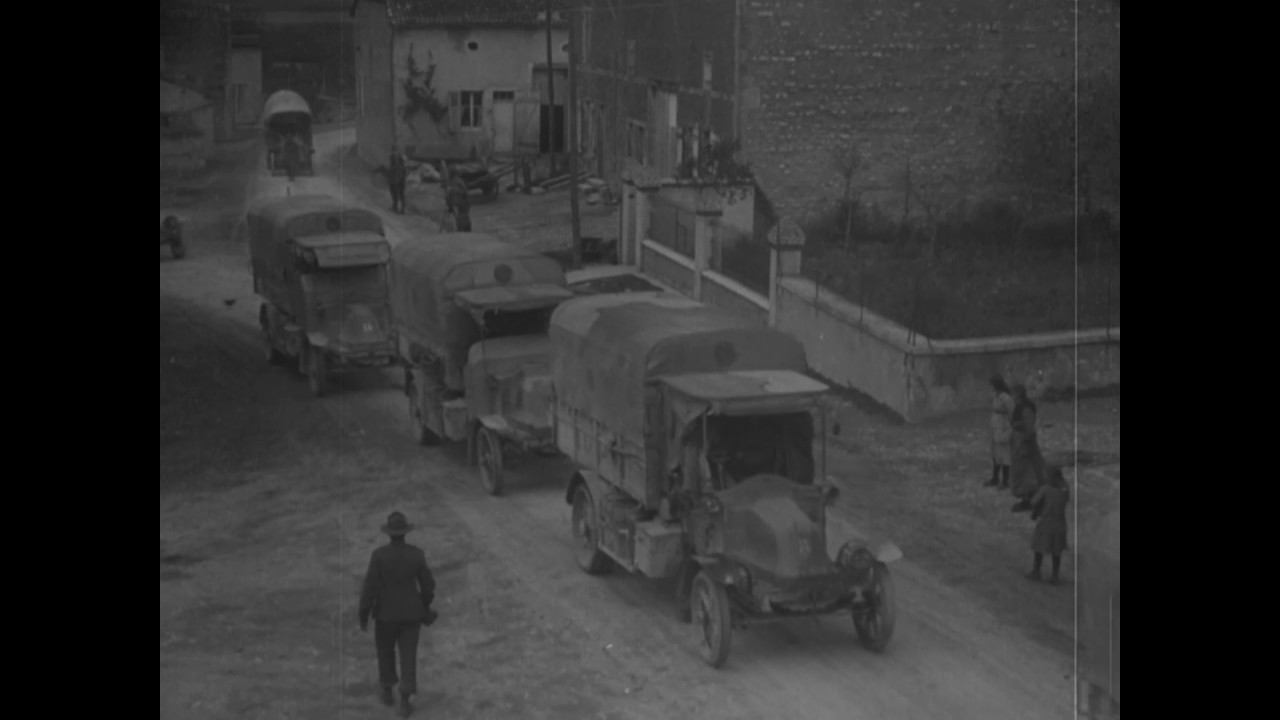
Scenes of transportation challenges during the Meuse-Argonne Offensive include damaged infrastructure, supply trains, and troop movements in France from September to November 1918.
Supply activities during the Meuse-Argonne Offensive are documented, showcasing the unloading of provisions and ammunition near Montfaucon and Dieue.
World War I activities are documented through inspections of cattle in Chicago, food preparation, and the care of military animals at various U.S. Army camps.
In October and November 1917, First Division troops engaged in trench warfare near Gypse Hill, with supply trains and medical aid operations documented in silent film.
World War I activities are documented through the sorting, cleaning, and repairing of Army clothing and equipment at Camp Humphries, Virginia, and a Q.M. center in New York City.
The cancellation of the deployment of over 4,000 US troops to Poland raises questions about US strategy in Europe, as discussed by Jim Townsend and NATO Secretary Mark Rutte.
Belarusian President Alexander Lukashenko's reliance on Vladimir Putin raises concerns in Kyiv about Belarus' role as a logistical hub for Russia in the Ukraine war.



![Documentary backdrop image for Base Section No. 1 (St. Nazaire), Unloading Supplies [1917-1919] (2018)](https://i.ytimg.com/vi/hPM4iIsmeSk/maxresdefault.jpg)
![Documentary backdrop image for Base Section No. 2 (Bordeaux), Arrival and Unloading of Supplies [1918] (2018)](https://i.ytimg.com/vi/FycsQ1lcLzU/maxresdefault.jpg)
![Documentary backdrop image for Base Section No. 2 (Bordeaux), Arrival, Unloading, and Assembling of Heavy Equipment [1918] (2018)](https://i.ytimg.com/vi/pFGLbRVby-w/maxresdefault.jpg)
![Documentary backdrop image for Base Section No. 5 (Brest), Embarkation of Troops for the United States [1919] (2018)](https://i.ytimg.com/vi/p0zzpfZW920/maxresdefault.jpg)