From over 100,000 films, discover the handful you'll love.
Free or premium access to the world's largest documentary library.
36 films
Apache helicopter pilots and their crews demonstrate exceptional courage and adaptability during a high-stakes mission in Iraq in March 2003.
Rare World War Two aircraft, including the only restored Bristol Blenheim and one of three airworthy Westland Lysanders, are showcased at the Duxford Airshow.
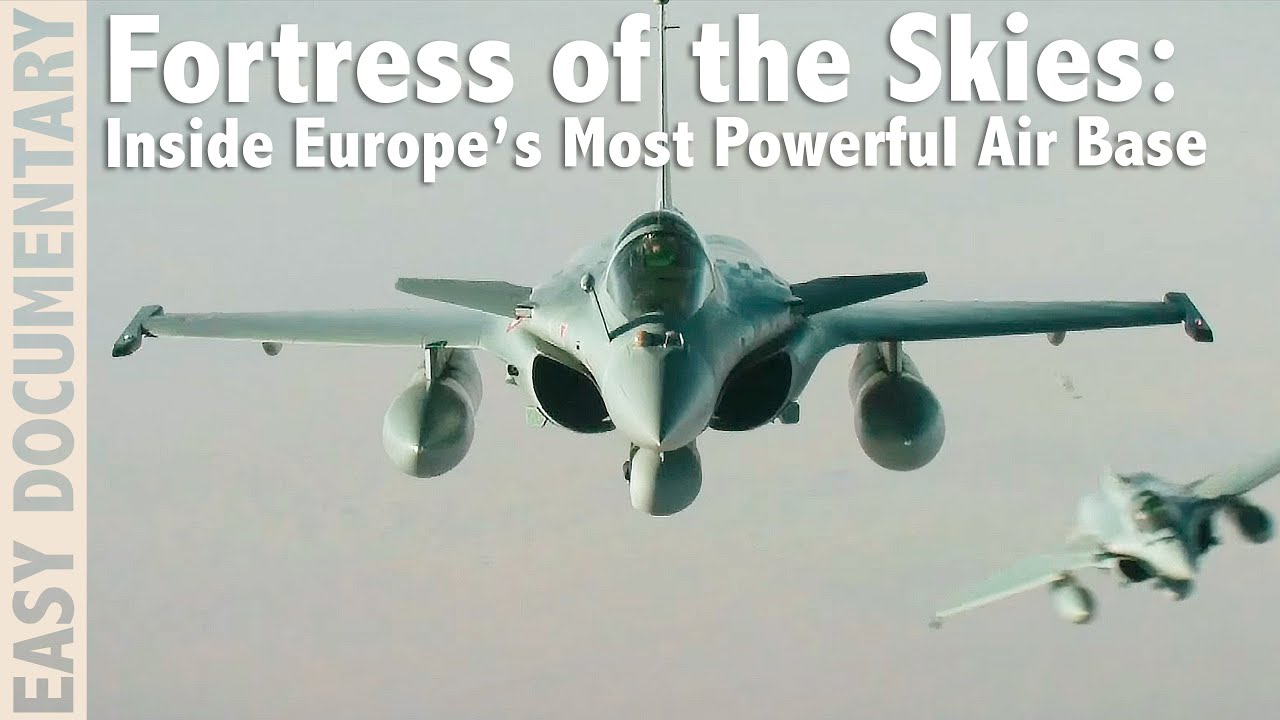
The Rafale fighter jet, a product of French military aviation, showcases advanced engineering and versatility in air combat, ground strike, and reconnaissance missions.
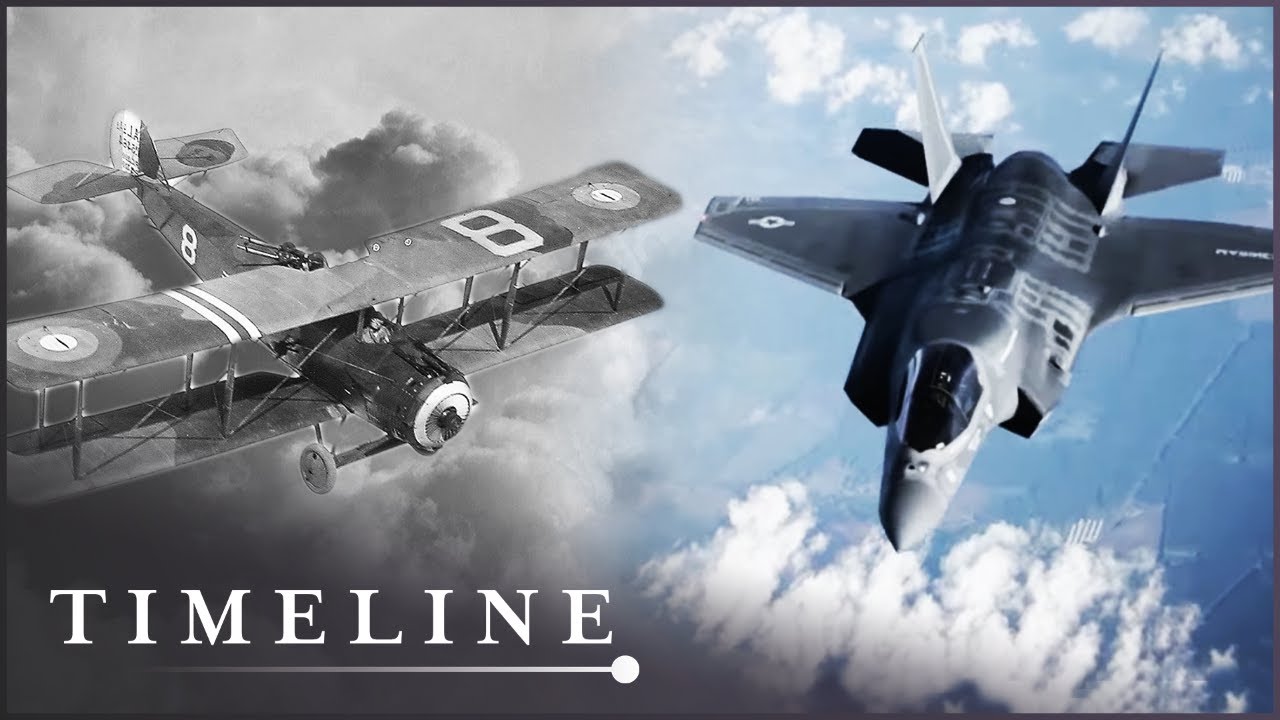
Military aviation's evolution is showcased through iconic aircraft, from the Sopwith Camel to modern marvels like the Apache Helicopter and F-16.
The F-117 Stealth fighter, known for its ability to evade enemy radar, gained prominence during the Gulf War in 1991.
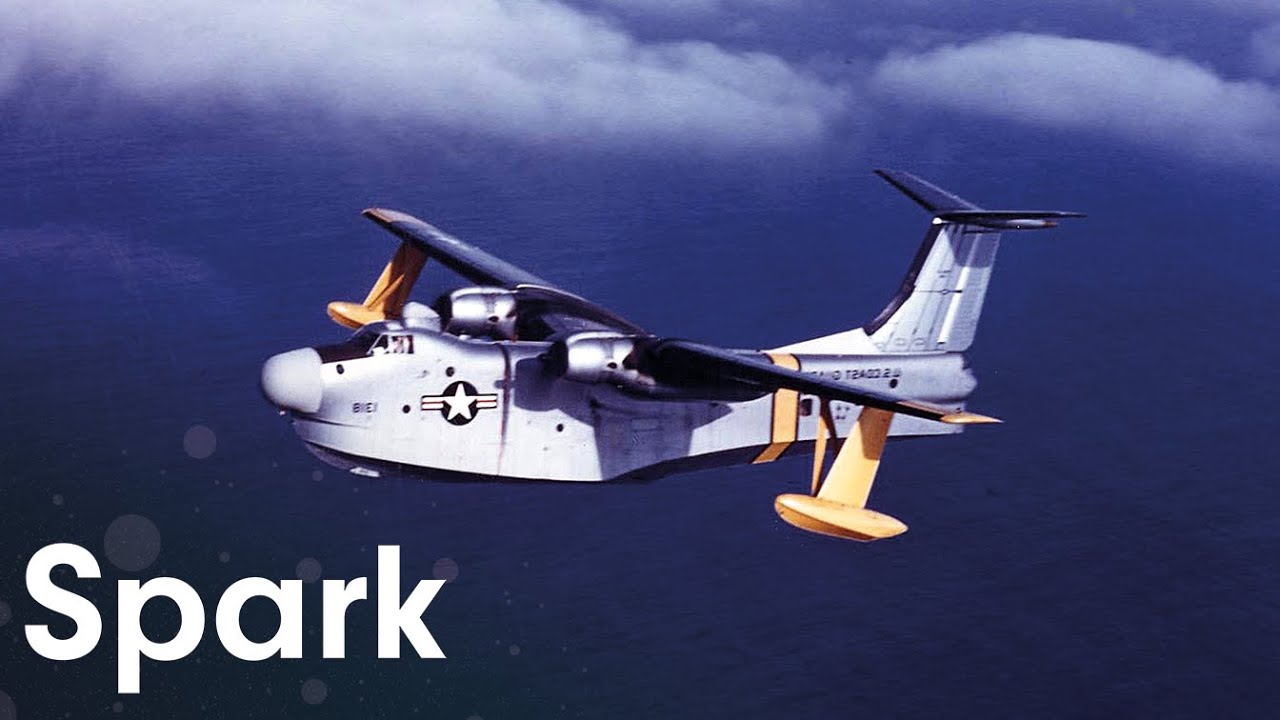
Seaplanes, pioneered by Glenn Curtiss and the Wright brothers during World War I, revolutionized long-distance travel and the early airline industry!
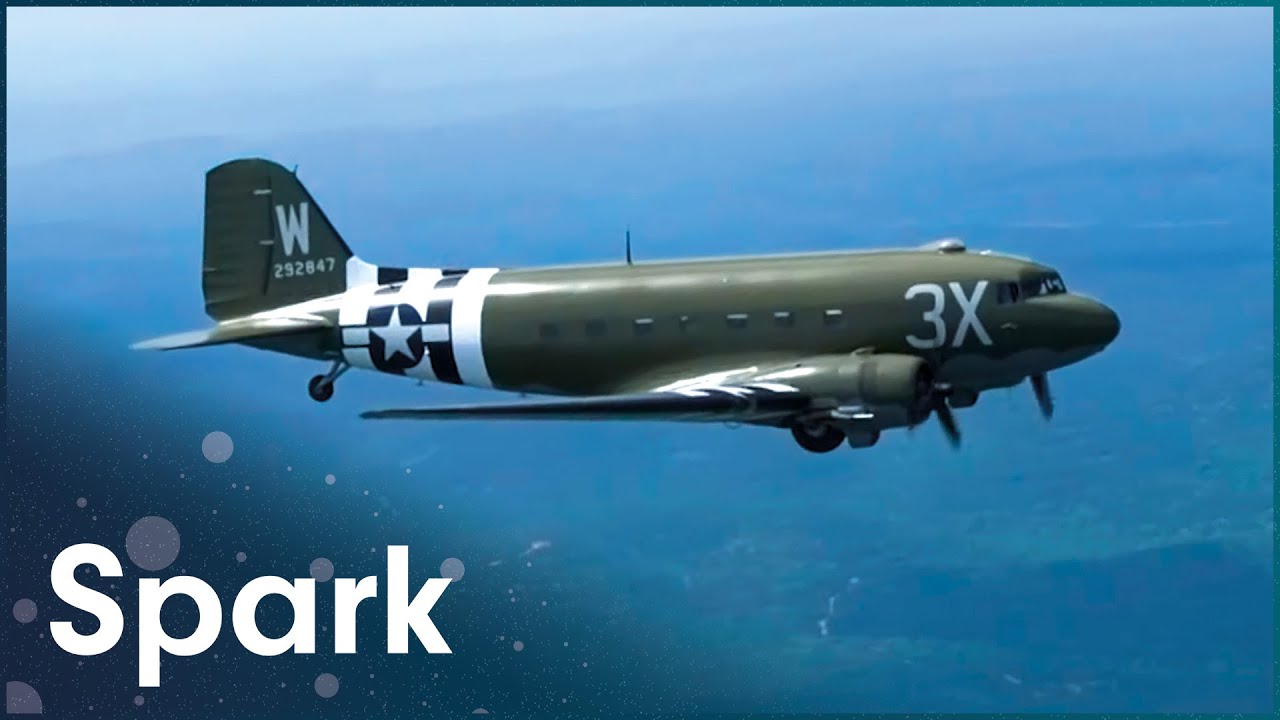
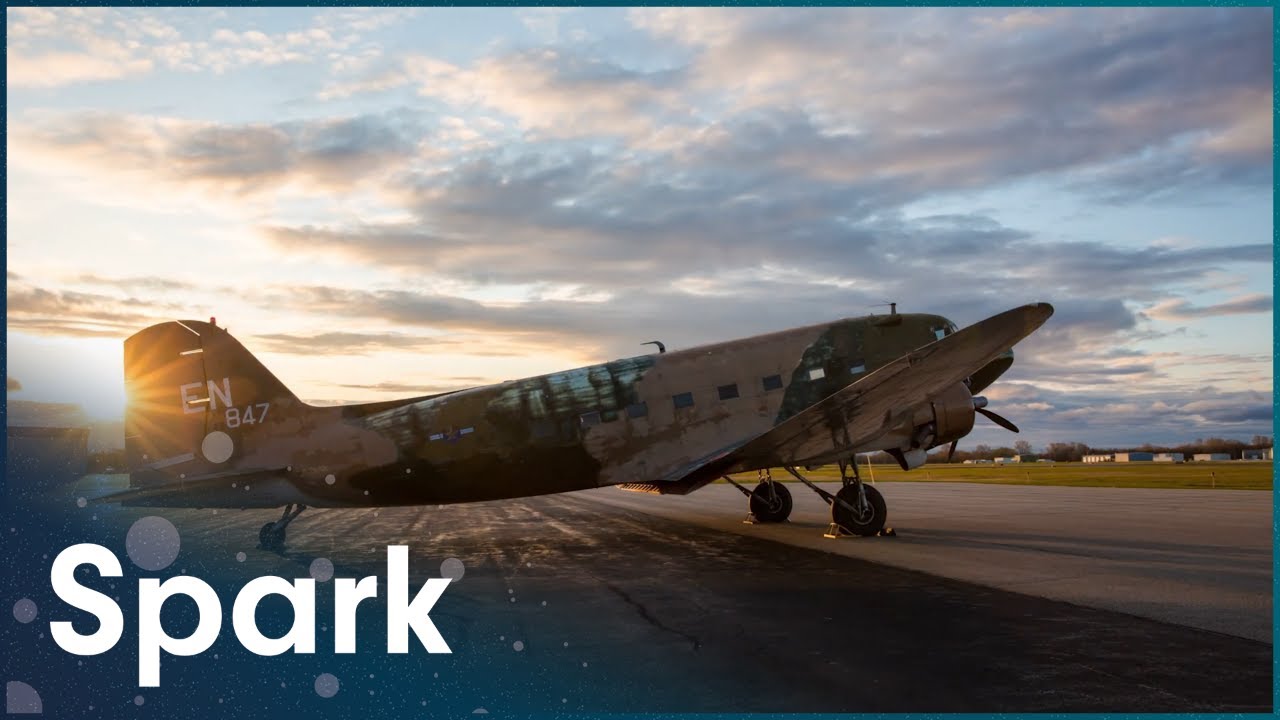
C-47 Skytrain "That’s All, Brother," pivotal in the D-day invasion, undergoes a meticulous restoration after being found in a scrapyard in 2015.
Rare vehicles and aircraft from World War Two, including the HMS Belfast and unique fighters, are showcased through immersive events and expert insights.
Engineers at the Spitfire Factory undertake the meticulous restoration of a Mark 9 Spitfire, while a secret dig recovers a Hawker Hurricane from 1940.
Over 10,000 C-47 aircraft were built between 1943 and 1945, with one, nicknamed That’s All, Brother, leading the D-Day invasion in June 1944.
Thirty U.S. Marines and a U.S. sailor were killed in a helicopter crash, marking the deadliest day for American forces since the start of the war.
Air Base 125 Istres in France, spanning 2,500 hectares, serves as a critical hub for military operations and nuclear deterrence, featuring Europe’s longest runway.
Brendan "Paddy" Finucane, the youngest Wing Commander in Royal Air Force history, became a legendary fighter ace during World War II, leading the 452 Squadron against the Luftwaffe.
Avrocar developments are documented through static testing, the first flight on November 12, 1959, and wind tunnel modifications at Ames Research Center.
British air power evolved from the rudimentary grass strips of World War I to the advanced supersonic jets of today, highlighting key historical airfields and aircraft.
Farnborough, the birthplace of British aviation, played a pivotal role in the evolution of aeronautical science, from the first flight to jet engine development.
Britain's airfields, particularly Biggin Hill, played a vital role in WWII, showcasing the Royal Air Force's secret weapons like the Spitfire and Hurricane!
Antonov AN-225 Mriya, the world's largest cargo plane and a symbol of Ukrainian engineering, was destroyed during a Russian attack on Hostomel Airport in February 2022.
The B-52 bomber has performed its mission for almost 80 years, making it the longest-serving bomber in history.
In 1907, the United States Army purchased its first military plane from two bicycle mechanics, marking the beginning of military aviation in America.
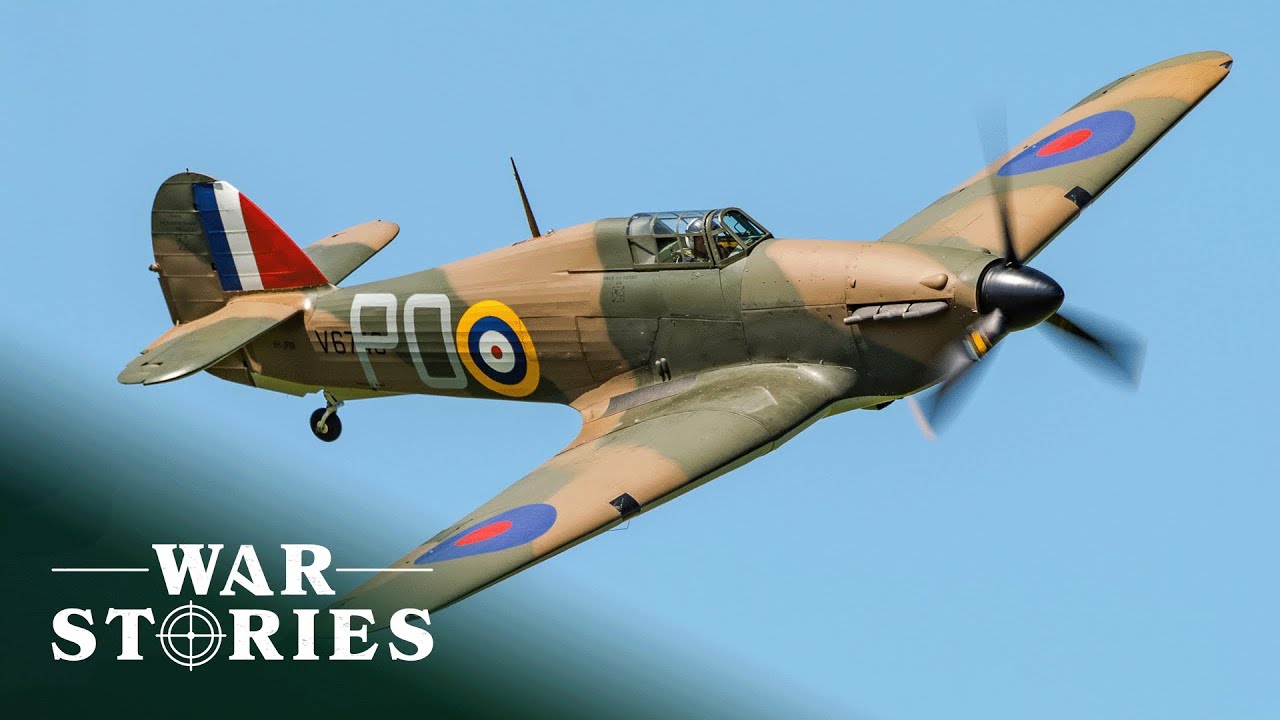
The Hawker Hurricane, designed by Sydney Camm, played a crucial role in the Battle of Britain by downing over two-thirds of enemy aircraft.
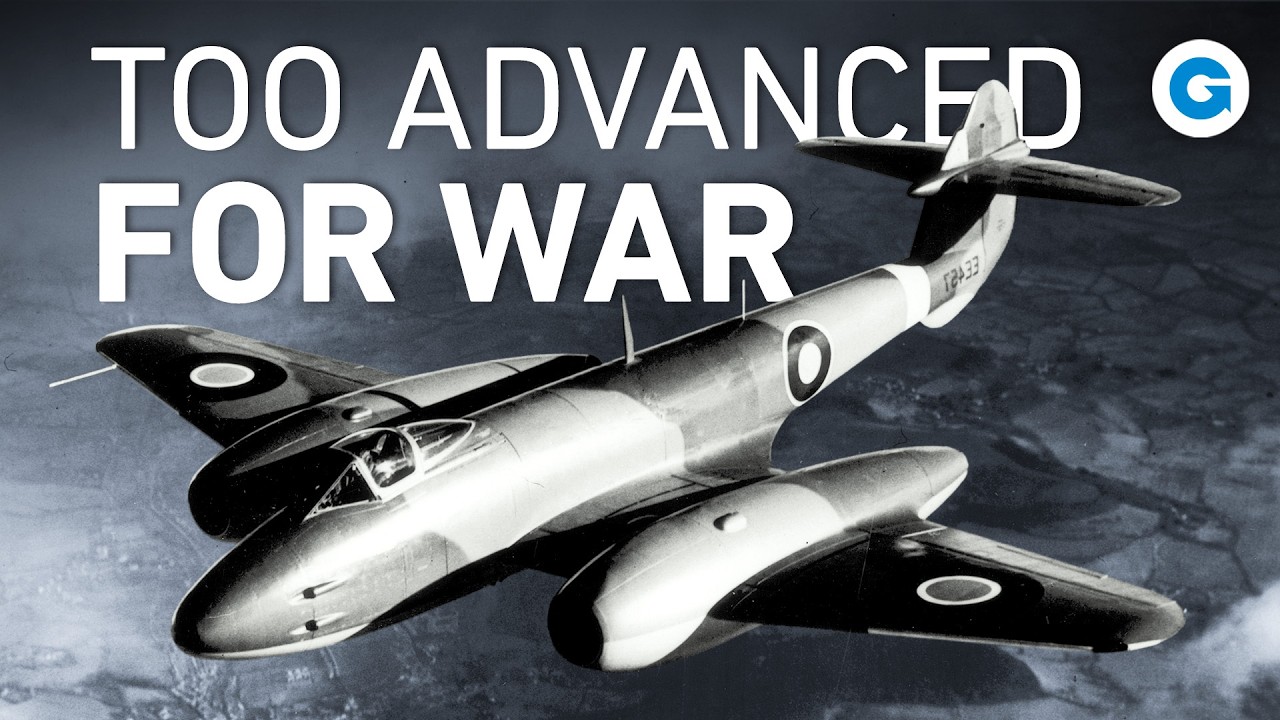
World War II spurred advancements in aircraft technology, featuring early jet fighters like the German Messerschmitt Me 262 and British Gloster Meteor, alongside unique prototypes such as the Vought V-173 'Flying Pancake.
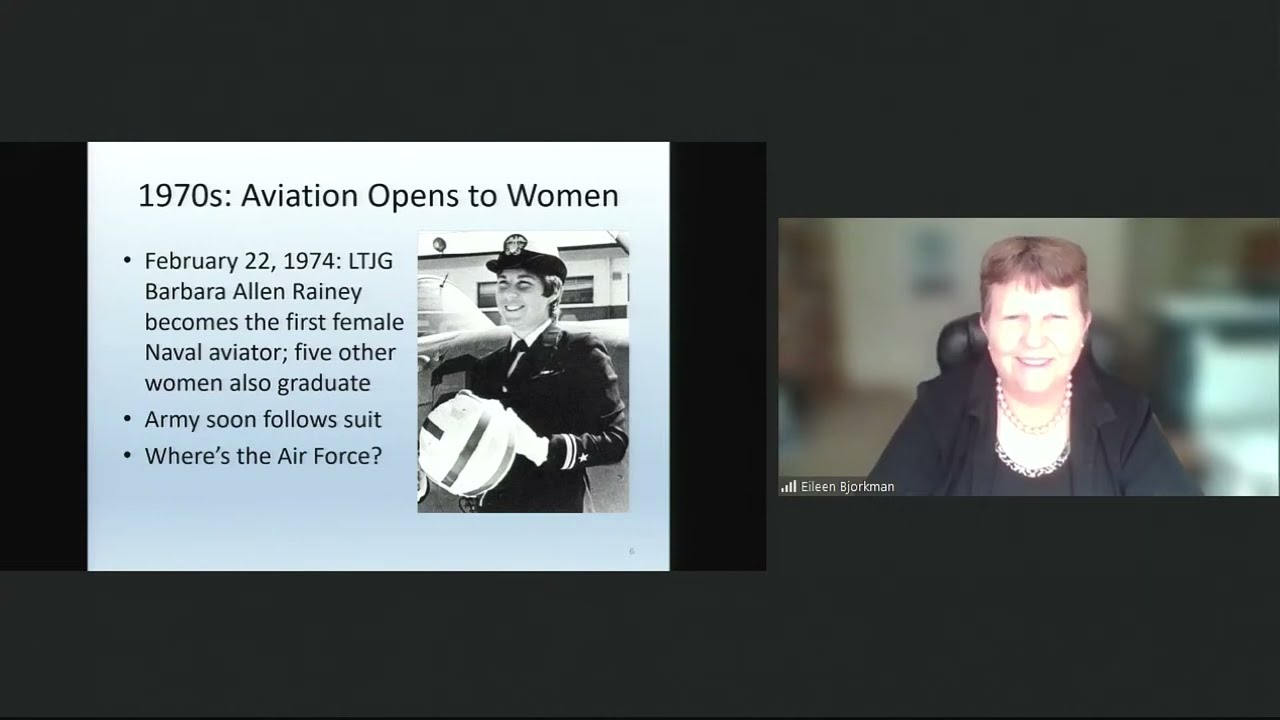
In 1993, Jeanie Levitt became the first female combat pilot in the U.S. Air Force, marking a significant milestone for women in military aviation.
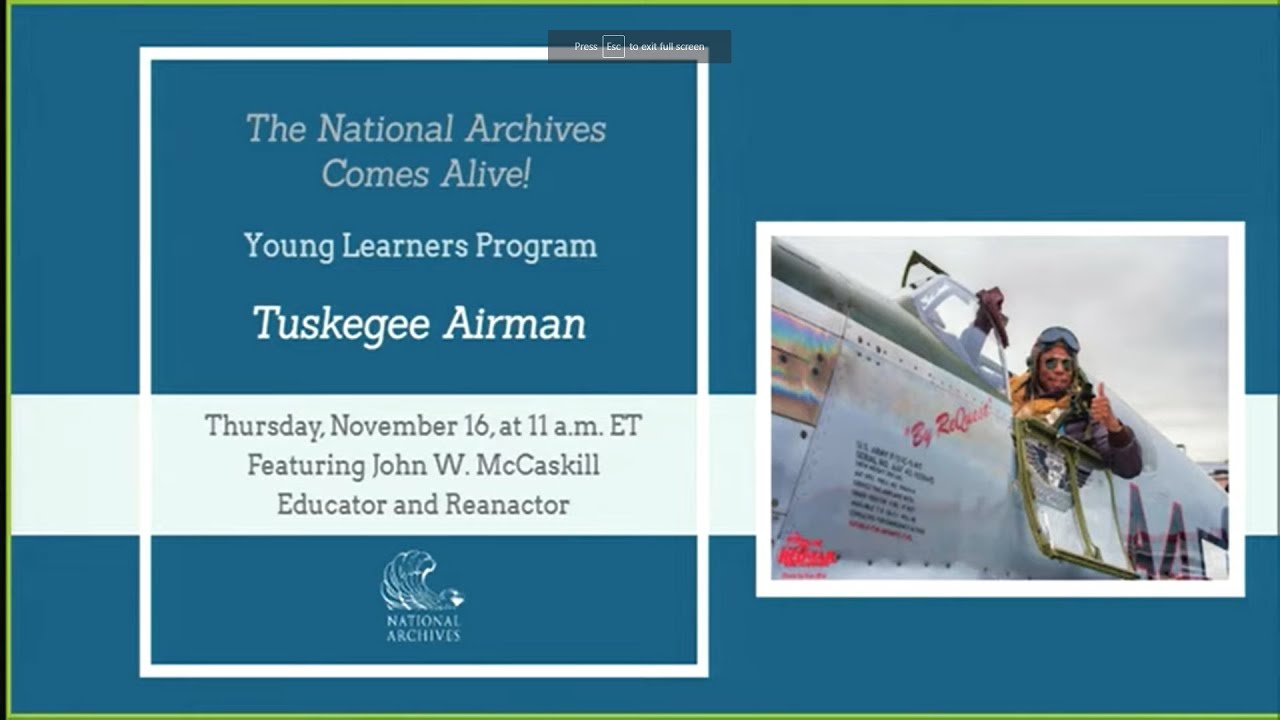
John McCaskill, an educator and reenactor, presents the legacy of the Tuskegee Airmen, the first African American flying unit in the U.S. military during World War II.
On May 17, 1943, the crew of the Boeing B-17 Memphis Belle completed their final mission, leading to a discussion on the film's restoration with Criss Austin and Catherine Wyler.
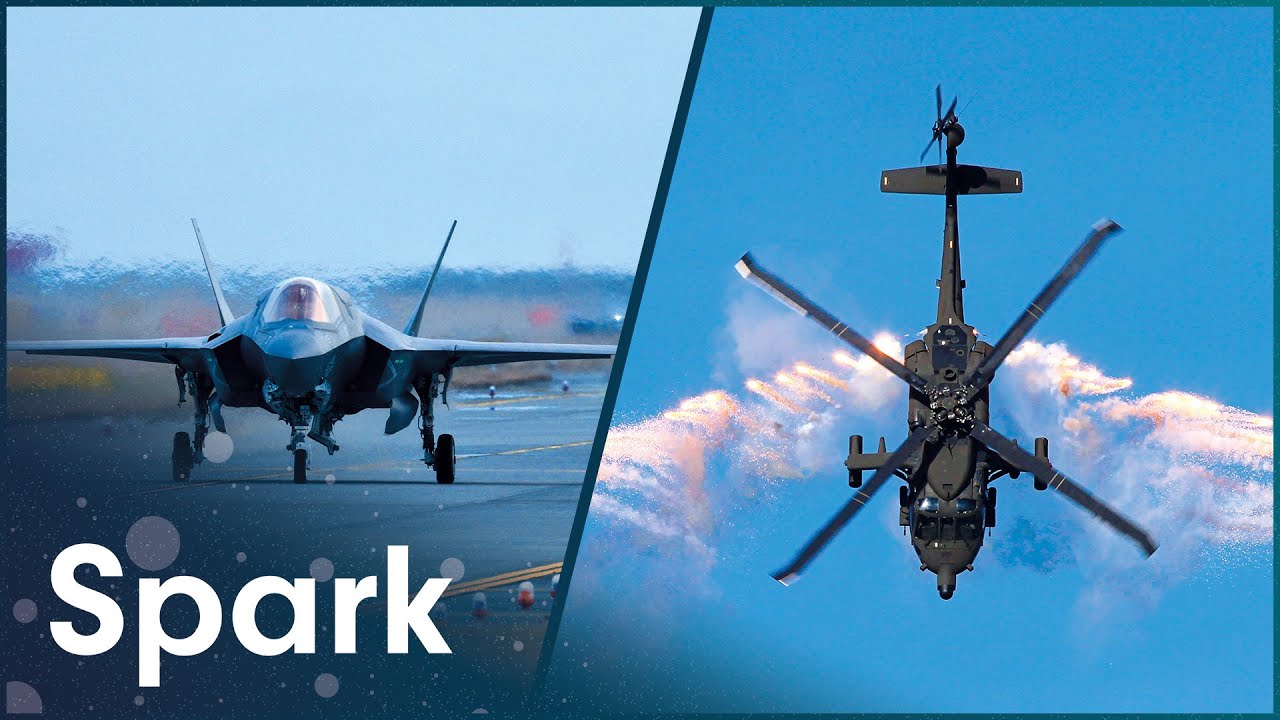
Military helicopters from the British and US forces, including models like Chinook, Apache, and Blackhawk, are showcased in this comprehensive collection.
Navy fighter squadrons on deployment provide rare air-to-air combat footage and insights into the life of F-14 pilots, influencing the blockbuster film.
The First Motion Picture Unit of the Army Air Forces produced films documenting military aviation activities from 1909 to 1984, archived by the National Archives.
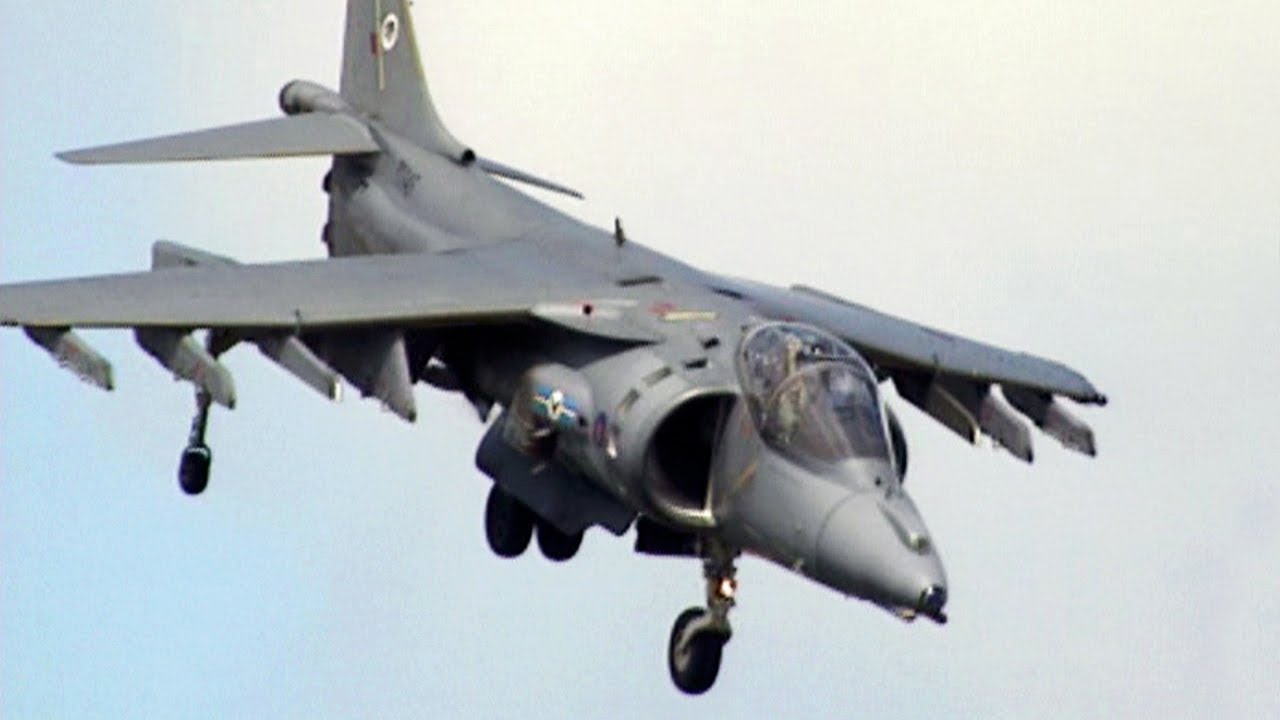
A Harrier Jump Jet can take off from a runway as short as 600 feet, while conventional military jets require up to 9,000 feet.
A KC-135 crew refuels a damaged F-16 flying over Afghanistan to save it from crashing.
Eighth Air Force activities during World War II are documented, featuring the B-17 bomber Memphis Belle and scenes of crew briefings and maintenance operations.
600 employees at a Canadian aircraft factory near Montreal produce the F-86 Sabre, a short-range interceptor for the Royal Canadian Air Force.
Colombey-les-Belles in 1918 showcases Spad and Sopwith airplanes being prepared for flight, alongside inspections by Gen. Foulois and activities of the 94th and 96th Aero Squadrons.
The Tuskegee Airmen of the 332nd Fighter Group, known as the Red Tails, are documented in silent footage showcasing their contributions during World War II.
Steve Ritchie downed two MiG 21s in less than a minute and a half during a mission over Vietnam in 1972, becoming the Air Force's only ace pilot of the war.
It takes several years for personnel to become qualified and experienced in maintaining the B2 stealth bomber's advanced systems and capabilities.