From over 100,000 films, discover the handful you'll love.
Free or premium access to the world's largest documentary library.
36 films
In an age of constant digital distractions, swimming champion Angelina Köhler, air traffic controller trainee Jan Peter Konopinsky, and e-sports player Dennis Malcherczyk explore techniques to enhance concentration and achieve a state of flow.
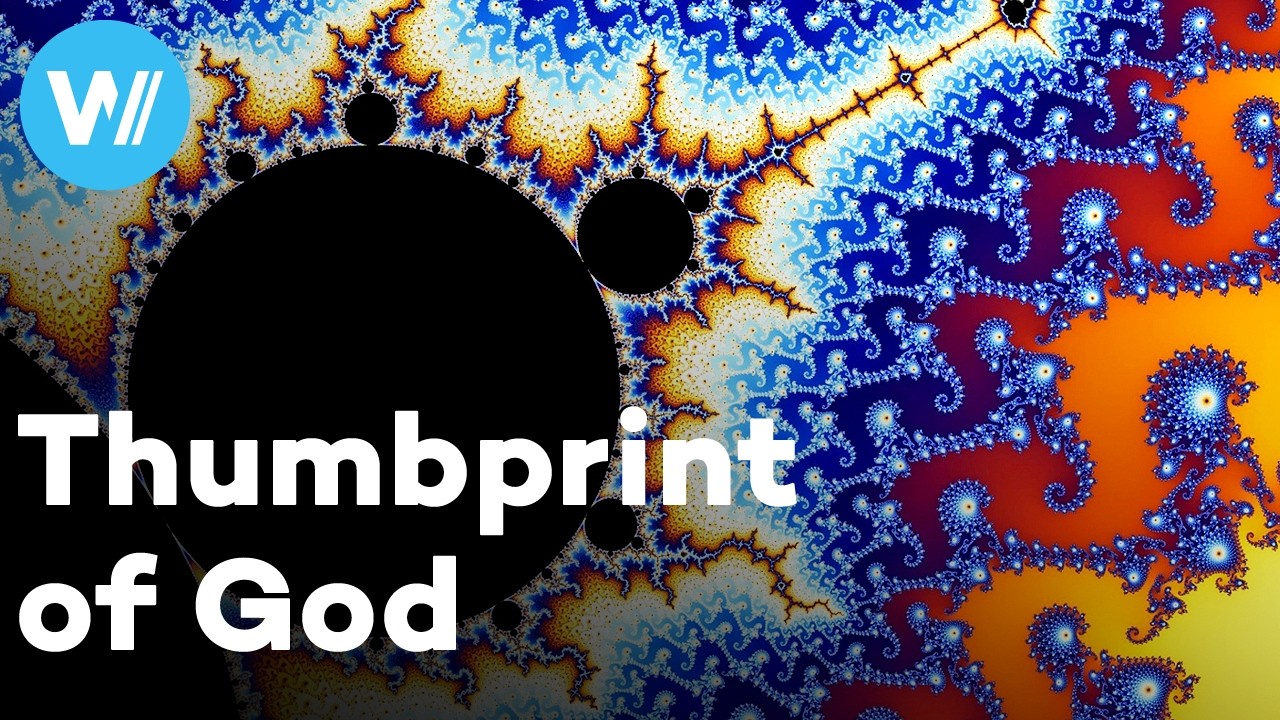
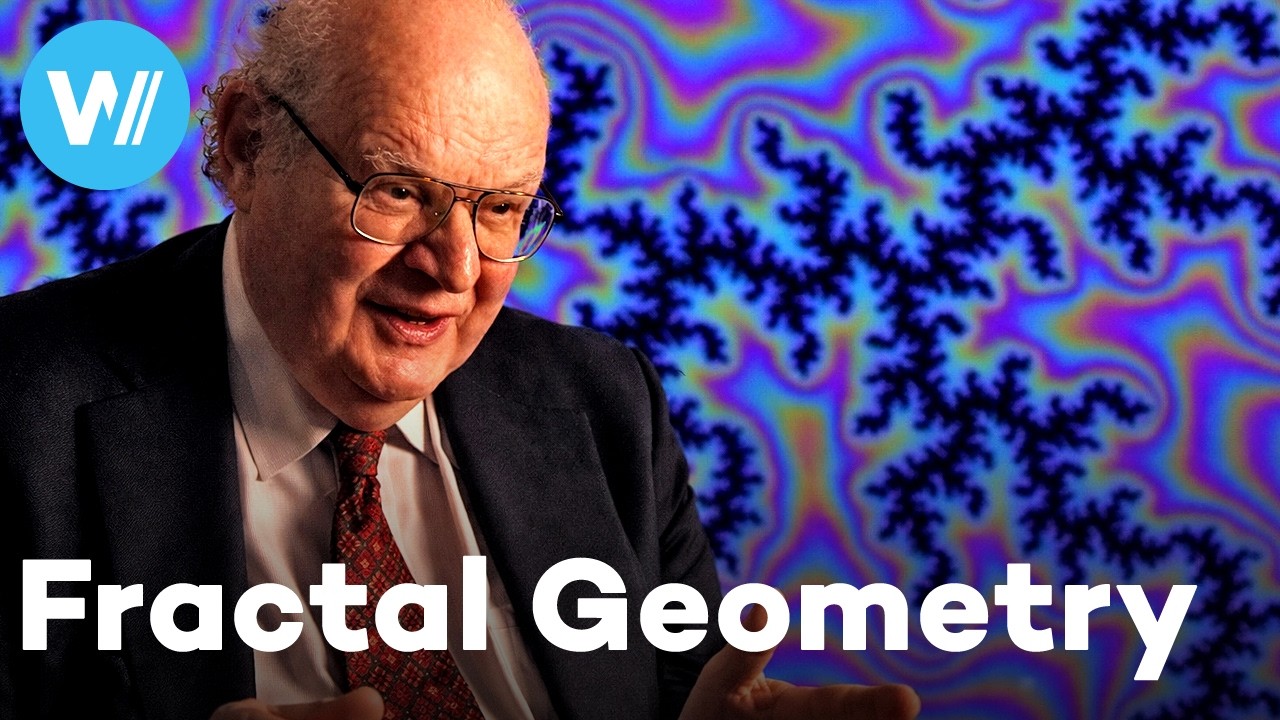
Fractal geometry, exemplified by the Mandelbrot set, reveals complex patterns in nature and has applications in fields ranging from medicine to art, featuring insights from Stephen Hawking.
Prince Charles's wedding to Camilla on April 9, 2005, marked the end of a 34-year delay due to previous marriages and the Pope's death.
Since the 9th century, explosives have evolved for both construction and warfare in China.
Benoit Mandelbrot's groundbreaking work on fractal geometry at IBM transformed mathematical understanding and has since influenced various fields, including science and medicine.
China is a country that has been rapidly changing to lead in modern science and technology.
Interviewees discuss Alan Turing and the impact of Virtual Reality in video games.
Zika virus, linked to severe birth defects in babies, has spread globally for decades, prompting urgent research into its origins and potential long-term effects on health.
China's surge in scientific innovation is transforming global fields such as medicine, robotics, and deep-sea research, shaping a future for all.
In 1921 at the University of Toronto, Dr.
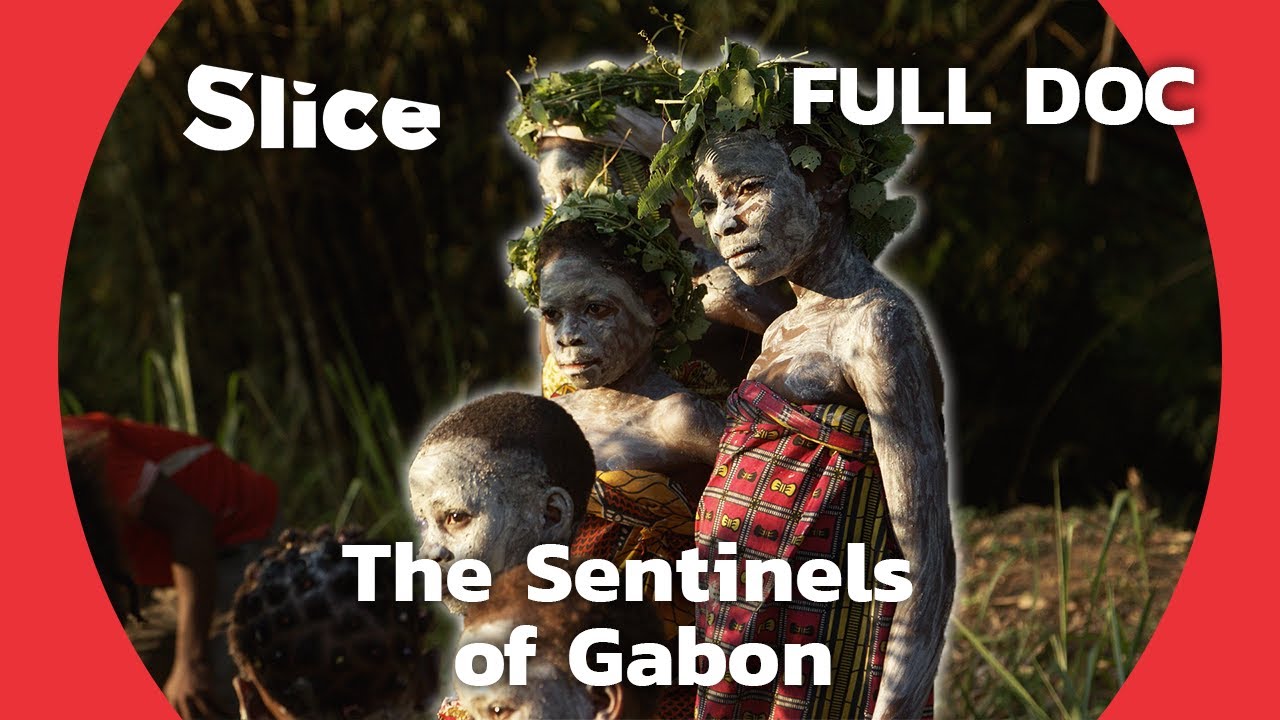
Gabonese sentinels protect their culture and rainforest from modern challenges.
For the first time in 2022, a poll showed more people preferred Prince William over Charles to succeed the throne after Queen Elizabeth II.
A rare fungus in Bhutan, valued at up to $80,000 per kilo, is igniting a high-altitude rush for wealth and sparking concerns over illegal trade and violence.
Juan Diego's mother visits a wise woman in Santiago to learn the fate of her unborn child, seeking a prophecy through enchanted corn.
Accidental discoveries such as anesthesia, the telephone, and porous silicon have significantly influenced medicine, communication, and technology.
Grégoire Ahongbonon, a former mental health patient, advocates for the care of Africa's mentally ill, challenging societal prejudices and providing essential support.
Vincent, a 14-year-old boy in Uganda suffering from AIDS-related meningitis, represents the millions of orphans facing dire consequences without affordable antiretroviral drugs.
Jean-Paul, a general practitioner in the suburbs of Paris, prepares for retirement while his successor Thomas faces the challenges of a nationwide GP shortage.
In 1992, South African police established an occult crime unit to investigate a rise in ritualistic murders linked to the use of human body parts for 'muti medicine.
Since the Taliban takeover, Afghanistan's healthcare system struggles to provide care and medicine.
Residents in Lowndes County, Alabama, face a hookworm crisis linked to sewage issues.
More countries must incentivize drug development to combat antibiotic resistance effectively.
A London audience watches live open heart surgery at the Wellcome Collection event.
In the Philippines, spiritual healers blend Catholic rituals with traditional practices, offering alternative treatments amid concerns over the risks of unregulated faith healing.
Nanotechnology transforms medicine by detecting diseases and treating Covid-19 effectively.
President Roosevelt founds The March of Dimes in 1938 to combat polio and fund research.
Herpetologist Zoltan Takacs, despite being allergic to snake venom, captures deadly snakes in pursuit of potential lifesaving medicines.
Members of a martial-arts academy demonstrate self-defense for The New Yorker’s Body Issue.
Juste, a young city dweller, seeks to reconnect with his Gabonese roots by participating in a significant rite of passage in the equatorial forest.
Thalidomide, a drug linked to severe birth defects in the 1960s, prompted the establishment of drug safety guidelines and highlights ongoing issues with rising pharmaceutical prices.
AI enhances life in Japan for the aging population while raising concerns in Silicon Valley.
In the Philippines, Dr Heidi Sampang employs drones to expedite tuberculosis testing and treatment in remote communities, addressing a critical health crisis.
Biased perceptions linking body size to health have led to the dismissal of scientific findings that challenge the conventional understanding of BMI.
Antibiotics were invented to combat harmful bacteria but affect good bacteria too.
Cartography's evolution is explored through various mapping techniques, from ancient Marshall Islands' stick maps to modern computerized systems used by the NYPD.
In 2016, Zika virus emerged as a public health crisis in the Americas, prompting researchers like Andrew Haddow and Robert Tesh to trace its origins back to Uganda.