From over 100,000 films, discover the handful you'll love.
Free or premium access to the world's largest documentary library.
40 films
A large team of Spanish conquistadors hacks through dense vegetation in Highland Guatemala in 1576 to catalog newly conquered provinces.
Of the 125,000 aircrew who served in Bomber Command during World War II, 73,000 became casualties, with 55,573 killed in action.
Lobbyists, philanthropists, and the Gates Foundation are promoting GMOs in Africa as solutions to famine and malaria, raising concerns about corporate influence and health risks.
Rachel Carson's "Silent Spring" sparked a national debate on pesticide dangers, influencing President John F. Kennedy's investigation and environmental legislation.
One drop of Sydney funnel-web spider venom can kill a human in 15 minutes.
The Mekong River, the world's tenth longest at 4,350 kilometers, flows through Laos, shaping the lives of its six million inhabitants.
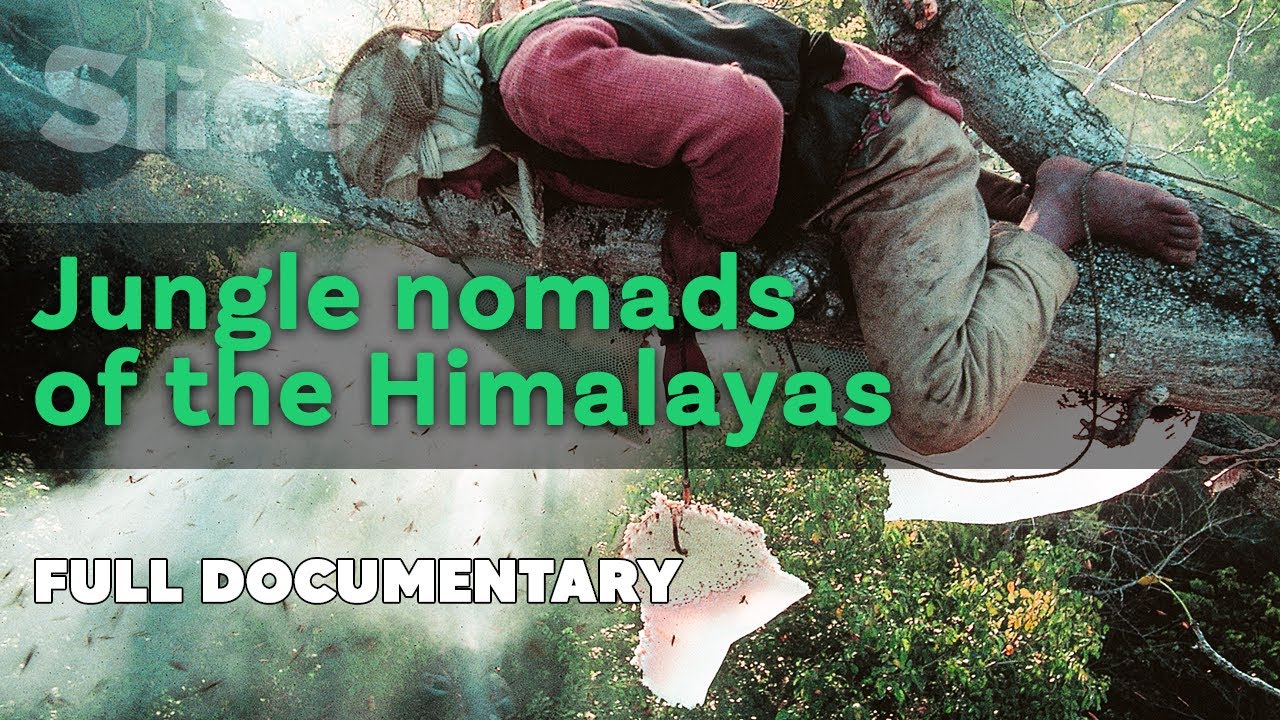
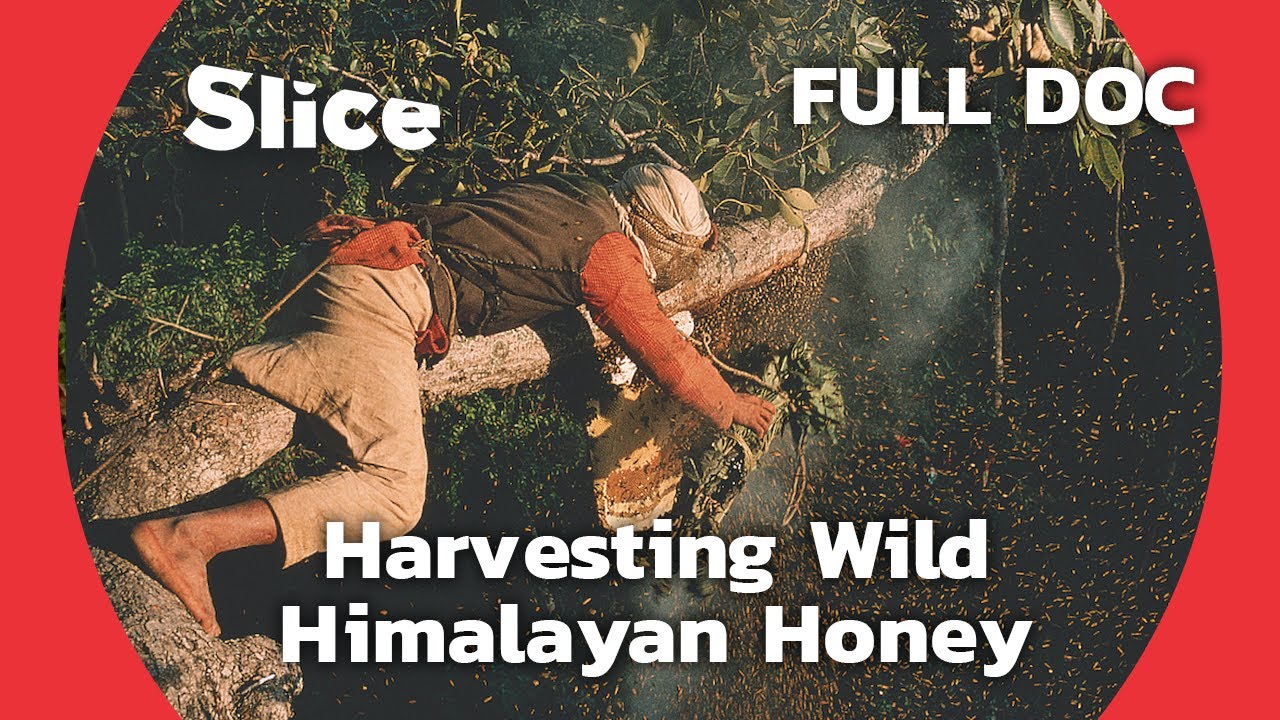
A 50-yard tall tree in the Terai forest houses over a hundred wild bee nests, vital to the Raji nomads' honey-harvesting tradition.
One in every six children die before the age of five, a statistic illustrated by the death of Alaishri from malaria before her first birthday.
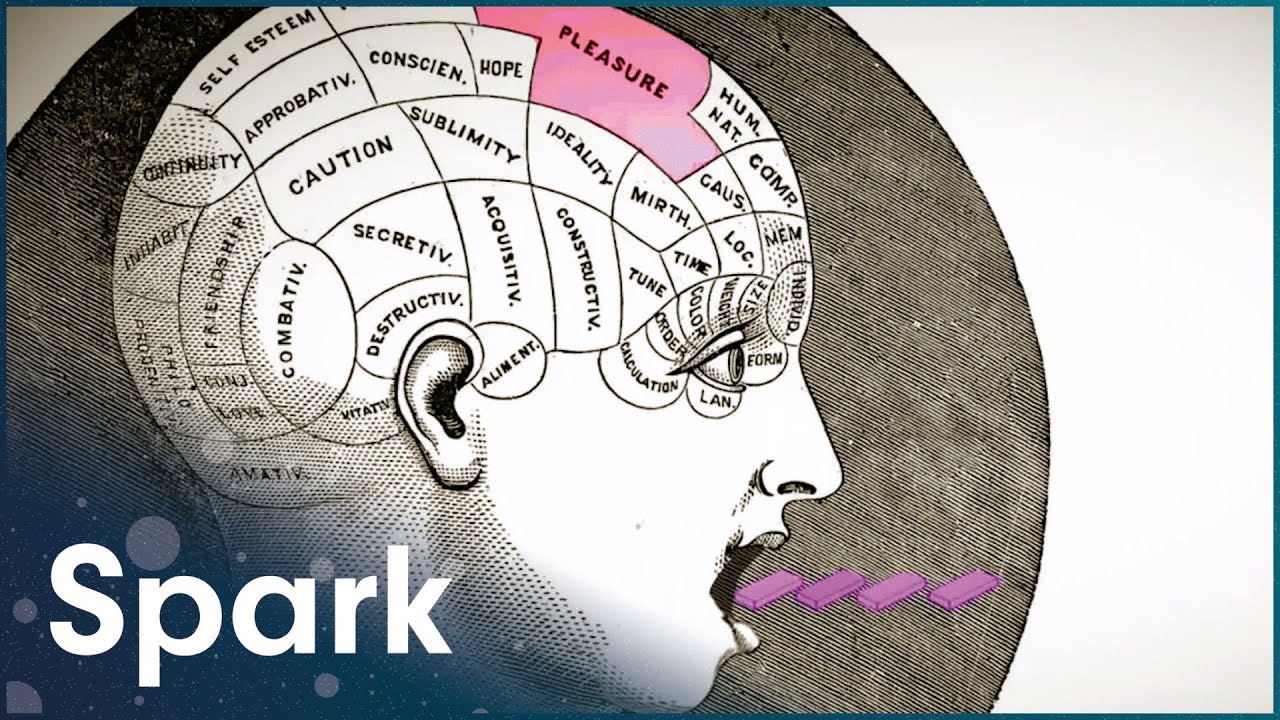
Genetic engineering has advanced a thousand-fold since Gregor Johann Mendel's pea experiments, reshaping the future of medicine and agriculture.
Benedict's struggle for survival in the Amazon rainforest highlights the dangers of malaria and the psychological toll of isolation in a hostile environment.
One of the largest tribes in Africa, the Azande historically created an empire that spanned from the Congo rainforests to Southern Sudan.
American troops in Korea faced a health crisis with diseases like malaria and dysentery threatening lives and operational effectiveness during the 1950s.
Bill Gates' philanthropic efforts in Africa promote GMO food as a solution to famine and malaria, raising concerns about corporate influence and potential risks.
This episode highlights deadly mosquito outbreaks, including Zika and malaria, and features Bill Gates.
30 Raji nomads scale trees in the Terai forest to gather honey from Apis laboriosa, the world's largest migratory bee, risking their lives in the process.
Trillions of sticks of gum are chewed worldwide each year, making it the second most common form of litter after cigarette butts.
In 2014, a storm caused 100 percent mortality of harp seal pups in the Arctic, illustrating the severe impact of climate change on marine life.
Burkina Faso faces a severe malaria epidemic, claiming half a million lives annually in Africa, while scientists strive for a long-awaited vaccine breakthrough.
Every year, two million people die of malaria, with the disease continuing to spread in regions like Africa and Europe due to climate change and globalization.
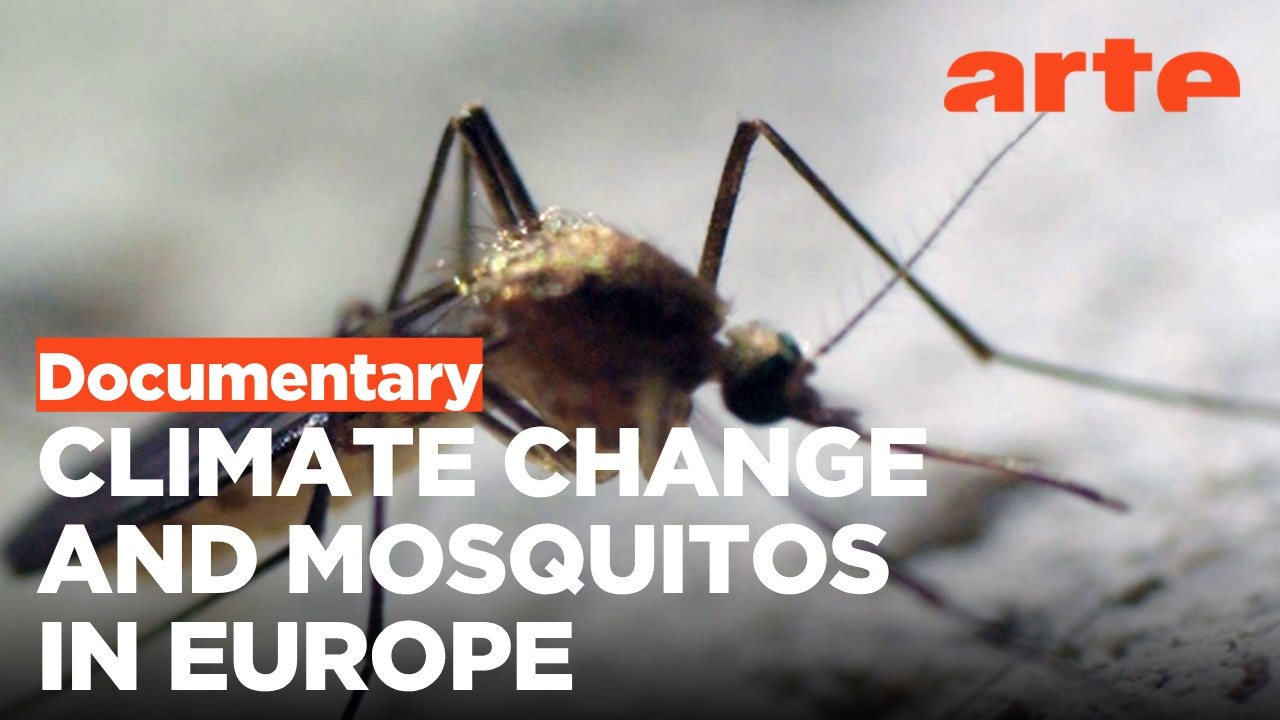
Climate change and increased global mobility have allowed virus-carrying mosquitos to spread tropical diseases like chikungunya and West Nile virus across Europe.
A wolf fish weighing up to nine pounds, known for its sharp teeth and ability to swallow piranhas whole, is the target of a fishing expedition in the Amazon.
A scientific race to develop a malaria vaccine has intensified over 50 years, with the RTS,S candidate nearing commercialization and insights from Bill Gates.
Malaria kills a million Africans every year, prompting Bear Grylls to demonstrate survival techniques in the Kenyan wilderness.
African countries face poor living conditions but show low COVID-19 fatality rates.
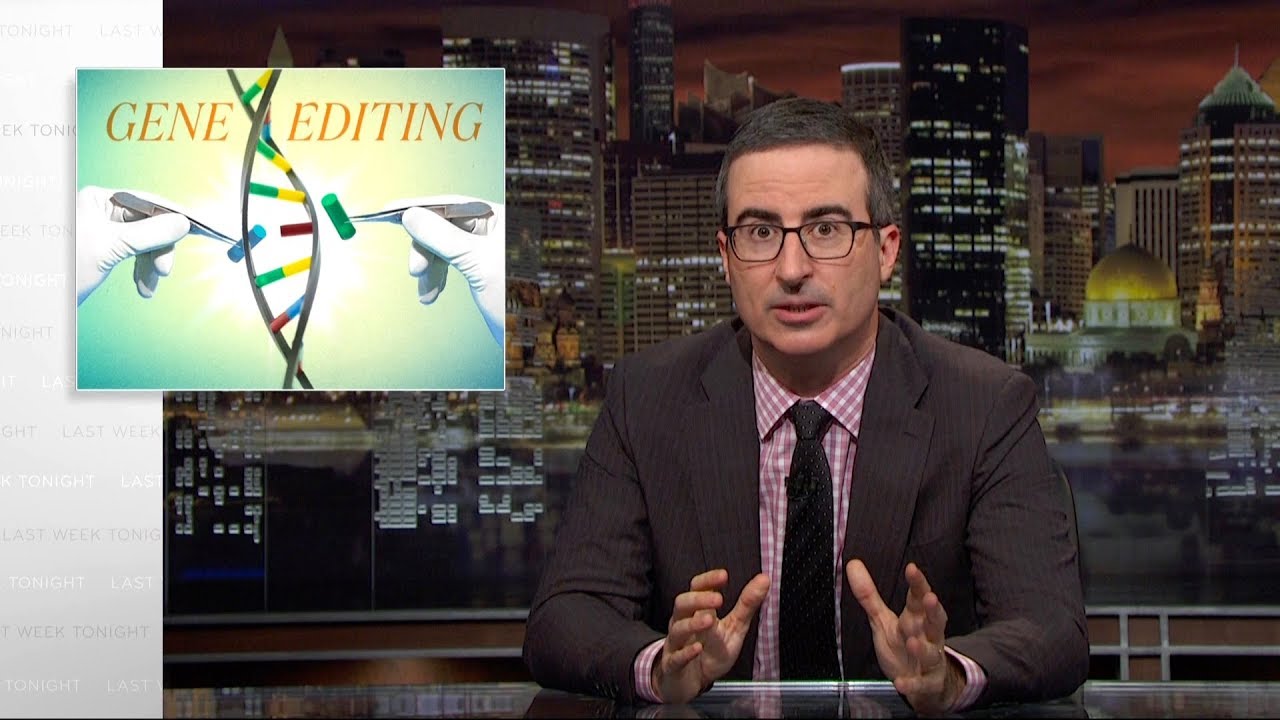
CRISPR technology, which allows precise changes to DNA, is discussed alongside its potential to eliminate hereditary diseases and ethical concerns about designer babies.
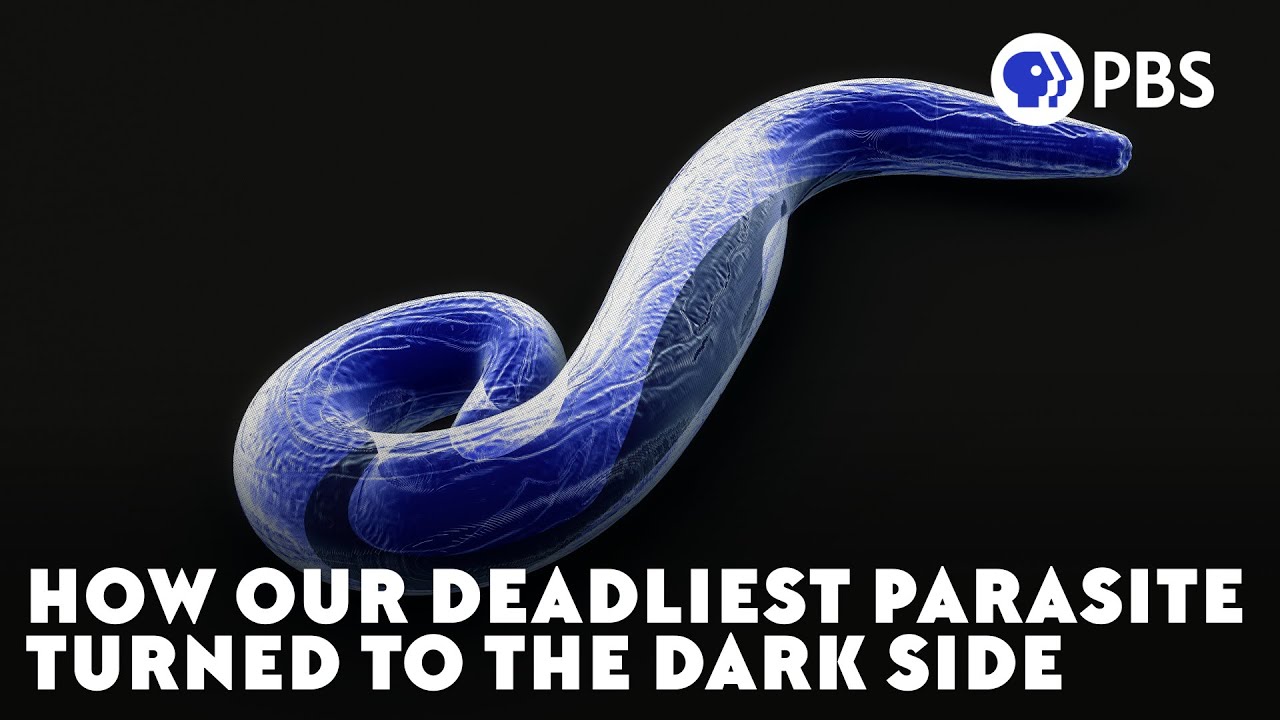
Around 10,000 years ago in Africa, a parasite transitioned from gorillas to humans with the aid of mosquitoes, marking a significant evolutionary leap.
Malaria still kills 400,000 annually, but gene-editing technology offers new hope.
In 2005, the G7 meeting at Gleneagles made significant pledges to combat poverty, but many commitments were not met even before the financial crisis.
Ethiopia struggles with malaria drug resistance and healthcare shortages in 2006.
Researchers from around the world continue to seek a malaria vaccine to save lives.
Upwards of 80 million pounds of DDT were sprayed annually in the U.S., leading to significant environmental and health concerns.
A 58-year-old woman from Cyprus is admitted to A&E for breathing difficulties, prompting reflections on her strict upbringing and her daughter's resentment.
CRISPR technology allows for precise DNA modifications, enabling the elimination of diseases like muscular dystrophy and Alzheimer's.
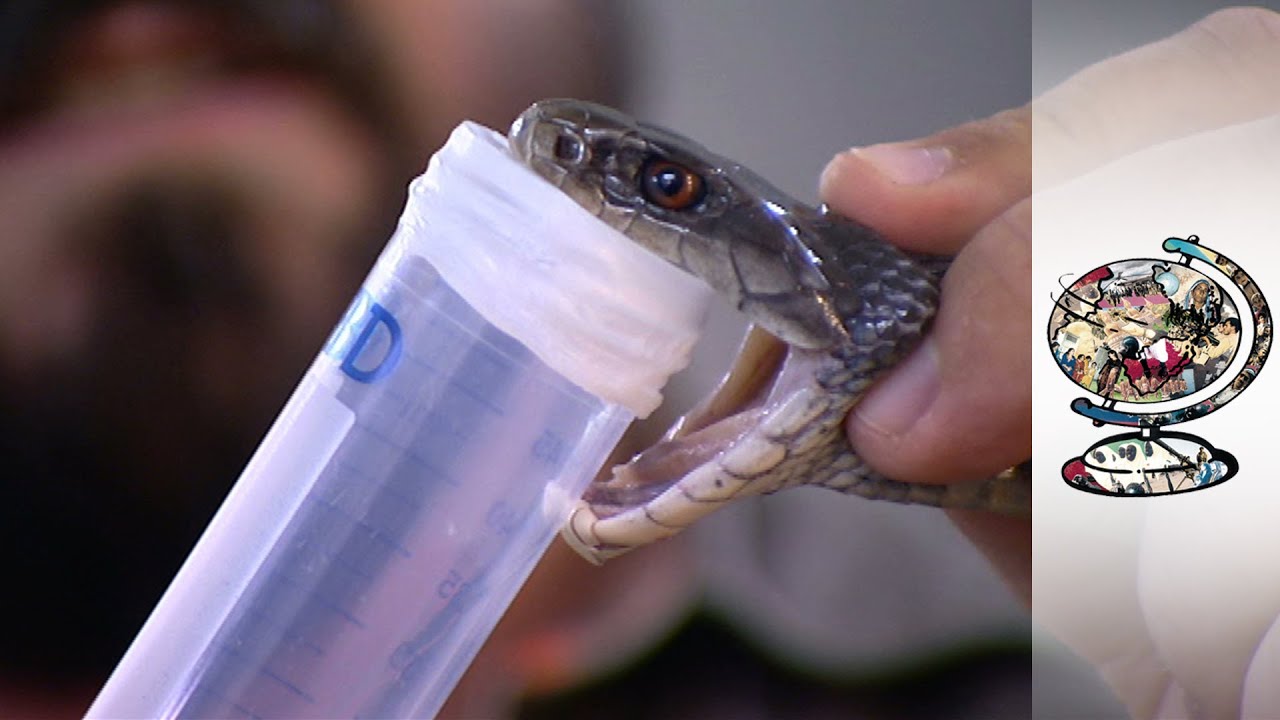
Venomous snakes kill more people in Papua New Guinea than malaria, tuberculosis, and HIV combined, revealing a severe public health crisis.
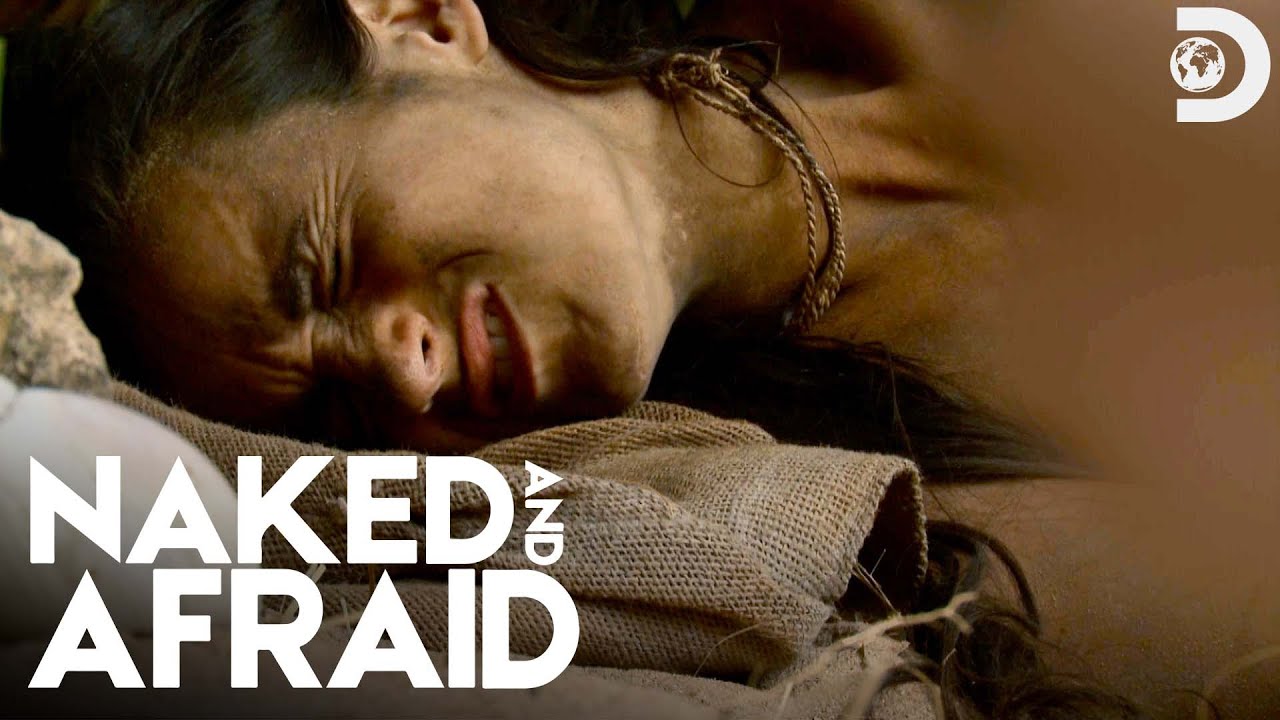
Sabrina survives 20 days in the Bolivian wilderness, one day short of her goal, while Vince loses 20 pounds and is later diagnosed with three tropical diseases.
Kenia will soon join Malawi and Ghana in a malaria vaccination pilot program for children.
Venezuela struggles with rising infectious diseases like malaria and Chagas due to health system failures.
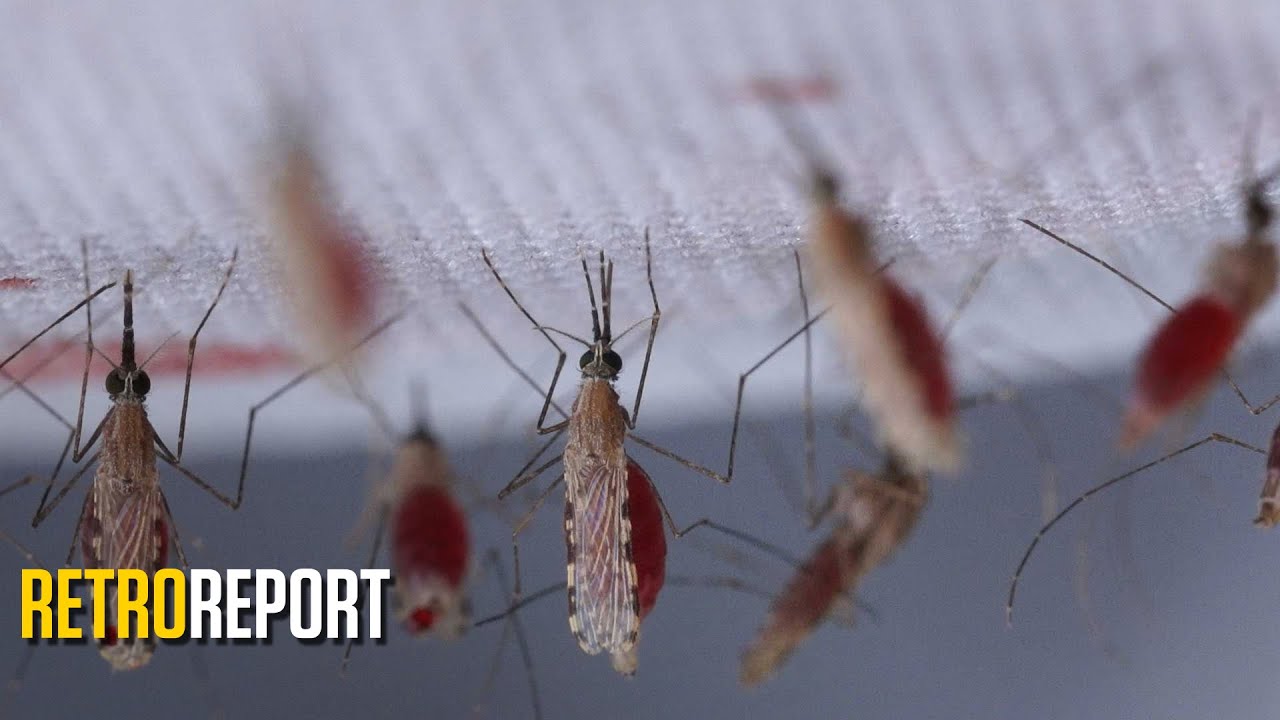
Mosquitoes are responsible for more than 700,000 deaths each year, primarily due to diseases like malaria, which affects children under five in Africa.
Malaria has defeated more armies than any general, shaping history and racial dynamics.
Researchers at Barro Colorado Island compiled the first estimate of Earth's species at 30 million, a figure more than three times what is thought now.