From over 100,000 films, discover the handful you'll love.
Free or premium access to the world's largest documentary library.
38 films
Shen Dong spent the first 23 years of his life in a North Korean labor camp before finding freedom and sharing his story in New York City.
One room in a log cabin in Kentucky served as the birthplace of Abraham Lincoln on February 12, 1809.
On July 4, 1776, the Second Continental Congress ratified the Declaration of Independence, a document authored by Thomas Jefferson.
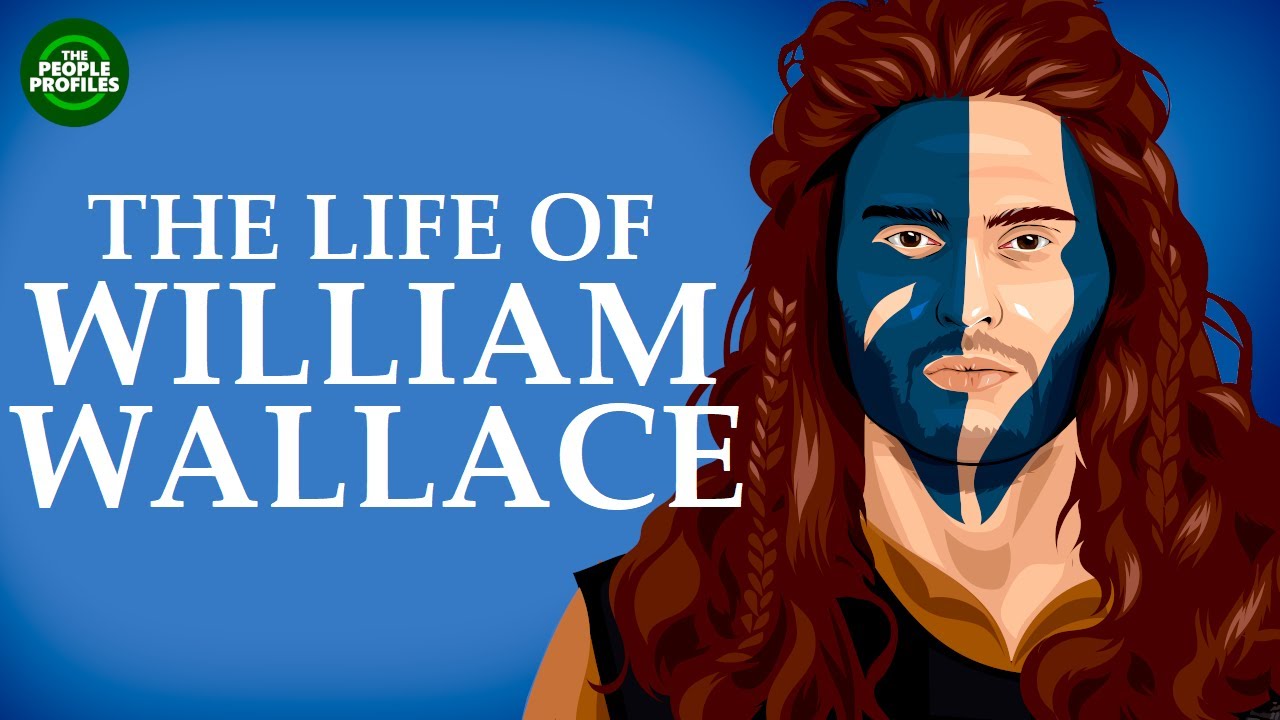
William Wallace is believed to have been born around 1270 AD in southwest Scotland, into a family with ties to the Scottish gentry.
In 1320, the Declaration of Arbroath asserted that as long as 100 men remained alive, Scotland would never submit to English domination.
George Washington, Thomas Jefferson, and other major southern founders owned slaves while advocating for the principles of liberty and equality.
One hundred seventy years of freedom is framed as the basis for America's fight against totalitarian regimes during World War II.
More than 15,000 African American soldiers served in World War II, facing challenges and fighting for liberty against Nazi ideology.
More than a million visitors view the Declaration of Independence each year at the National Archives, where its ideals shaped American aspirations.
Over 600,000 lives were lost in the Civil War, a conflict that ultimately led to the ratification of the 13th Amendment in 1865.
Jonathan Zimmerman has published more than 400 op-eds in major newspapers, discussing the ongoing tension between free speech and censorship in the U.S.
On July 4, 1776, the insurgents declared their freedom from British rule, igniting a war for independence that reshaped the future of the United States.
170 years of freedom are at stake as the film discusses the rise of totalitarianism and the struggle between democratic and fascist states.
A Transcontinental Railroad, one of the greatest building feats since the pyramids, united the nation with a ribbon of iron and wood after the Civil War.
Protests in Beirut unite citizens against government corruption and demand liberty.
A road sign in Louisiana marks the largest rebellion of enslaved people in US history, prompting discussions about how this event is remembered.
Clifford Beers founds America's first outpatient mental health clinic in 1913 at Yale University.
On June 6, 1944, 155,000 soldiers landed on the beaches of Normandy as part of the largest military operation in history.
French people face an important decision in the upcoming presidential election amid the Ukraine war.
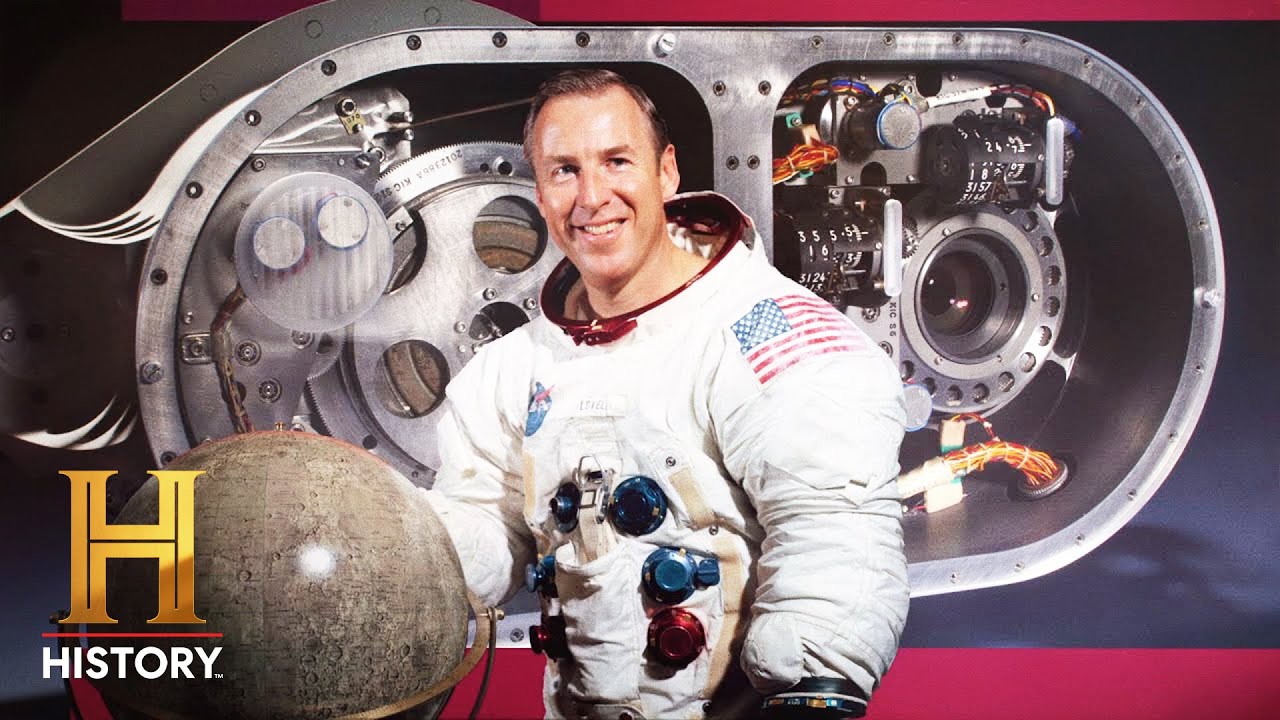
Apollo 13 astronauts Jim Lovell, Fred Haise, and Jack Swigert navigated their way back to Earth using 250 years of American technological advancements.
Hawaii's path to statehood involved a complex struggle for equality and resilience, culminating in its admission as the 50th state of the United States in 1959.
Reza Pahlavi claims that Tehran's influence led to his uninvitation from the Munich Security Conference, criticizing Western appeasement of the Iranian regime.
Foreign citizens join Ukraine's foreign legion to fight against Russia for liberty.
One-third of Latvia's population is Russian-speaking, creating challenges in national identity and language policy since the country regained independence in 1991.
Memorial Day originated in the years following the Civil War, established by African American soldiers and communities as a tribute to fallen comrades.
India unveils a 182m statue of Sardar Vallabhbhai Patel, the world's tallest statue.
A police killing in St. Louis ignites community outrage and recalls the Mike Brown incident.
Five men, including Crispus Attucks, were killed by British soldiers during the Boston Massacre, prompting calls for American independence.
Mary Edwards Walker, the first woman awarded the Medal of Honor, exemplifies resilience and commitment to equality in the context of American history's ongoing quest for justice.
Shami Chakrabarti reflects on her leadership at Liberty since 2003 and discusses how the refugee crisis dishonors the memory of the Holocaust.
Ellis Island, a historic gateway for millions of immigrants, symbolizes both the promise of a new life and the challenges of exclusion in America's quest for equality.
The Easter Egg Roll is an annual White House tradition celebrating over a century of history.
Researchers reveal 250 women fought disguised as men during the Civil War for various reasons.
Eighteenth-century soldiers from various nationalities gathered on October 19, 1781, as British forces surrendered at Yorktown, marking a turning point in the war.
Kimberly Guilfoyle passionately supports Trump, condemning chaos and urging American greatness.
Marcelino Serna, an undocumented immigrant, became a decorated war hero during World War I, exemplifying the contributions of immigrants to American history.
South Wales Police's facial recognition technology raises privacy concerns in Cardiff.
750 pilots have been trained at Tuskegee Airfield, with 50% of them serving in combat during World War II.