From over 100,000 films, discover the handful you'll love.
Free or premium access to the world's largest documentary library.
10 films
In the last 50 years, wildlife populations have declined by 60 percent, prompting urgent calls for conservation efforts to protect remaining ecosystems.
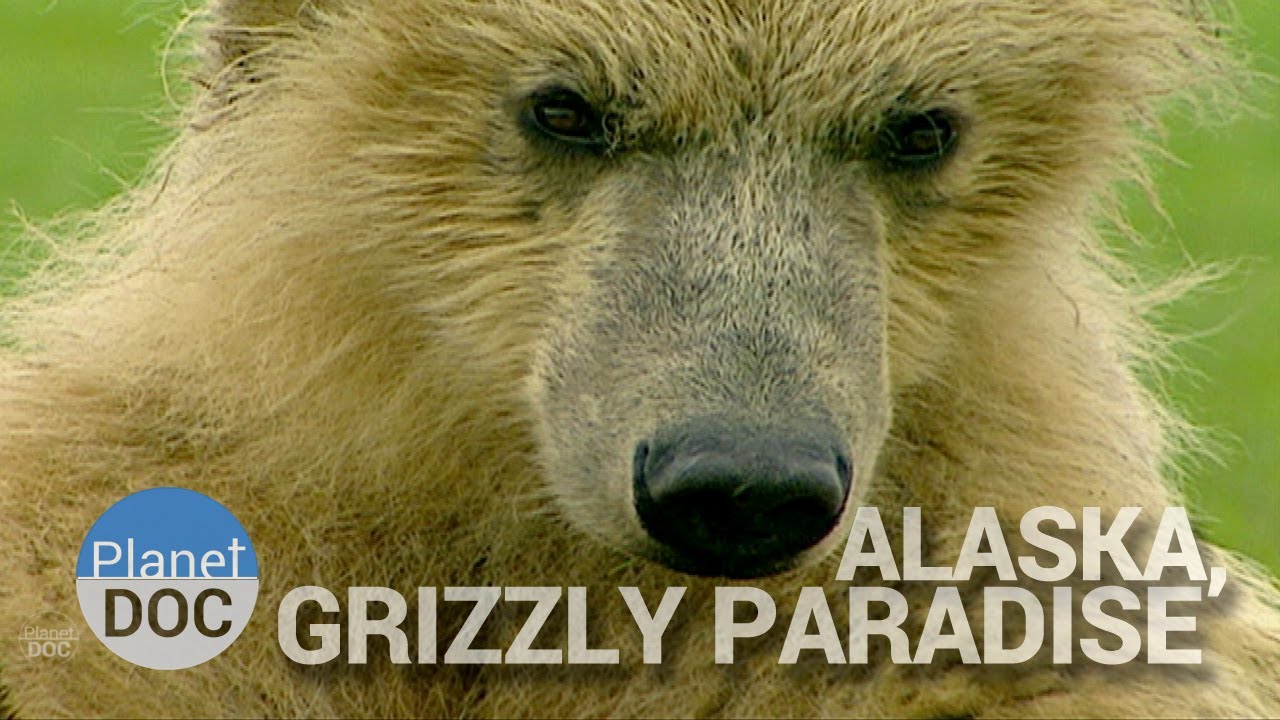
One and a half million square kilometers of Alaska are home to only six hundred thousand people, with vast areas never touched by humans.
Less than 250 millimeters of rain falls annually on the Valdés Peninsula, a vital refuge for marine mammals in Argentina.
Blue whales can grow to 30 metres in length and weigh about 180 tonnes, making them the largest living creatures on the planet.
Less than 250 mm of rain falls annually on the Valdez Peninsula, where marine mammals like southern right whales come to breed each year.
In Antarctica, elephant seals and various penguin species utilize isolated islands as essential nurseries and sanctuaries for breeding and survival training.
4.5 kilometers from the Kora Peninsula lies the 1,200-meter deep Kora Canyon, a vital feeding ground for Dusky Dolphins and other marine life.
Up to 40,000 king penguins gather on South Georgia's beaches during the Antarctic summer to breed and raise their young.
75% of the world's freshwater is stored in Antarctic ice sheets, raising concerns over territorial claims and resource extraction in the region.
One and a half million square kilometers of Alaska's wilderness support a diverse ecosystem, including the iconic grizzly bears that roam its vast landscapes.