From over 100,000 films, discover the handful you'll love.
Free or premium access to the world's largest documentary library.
36 films
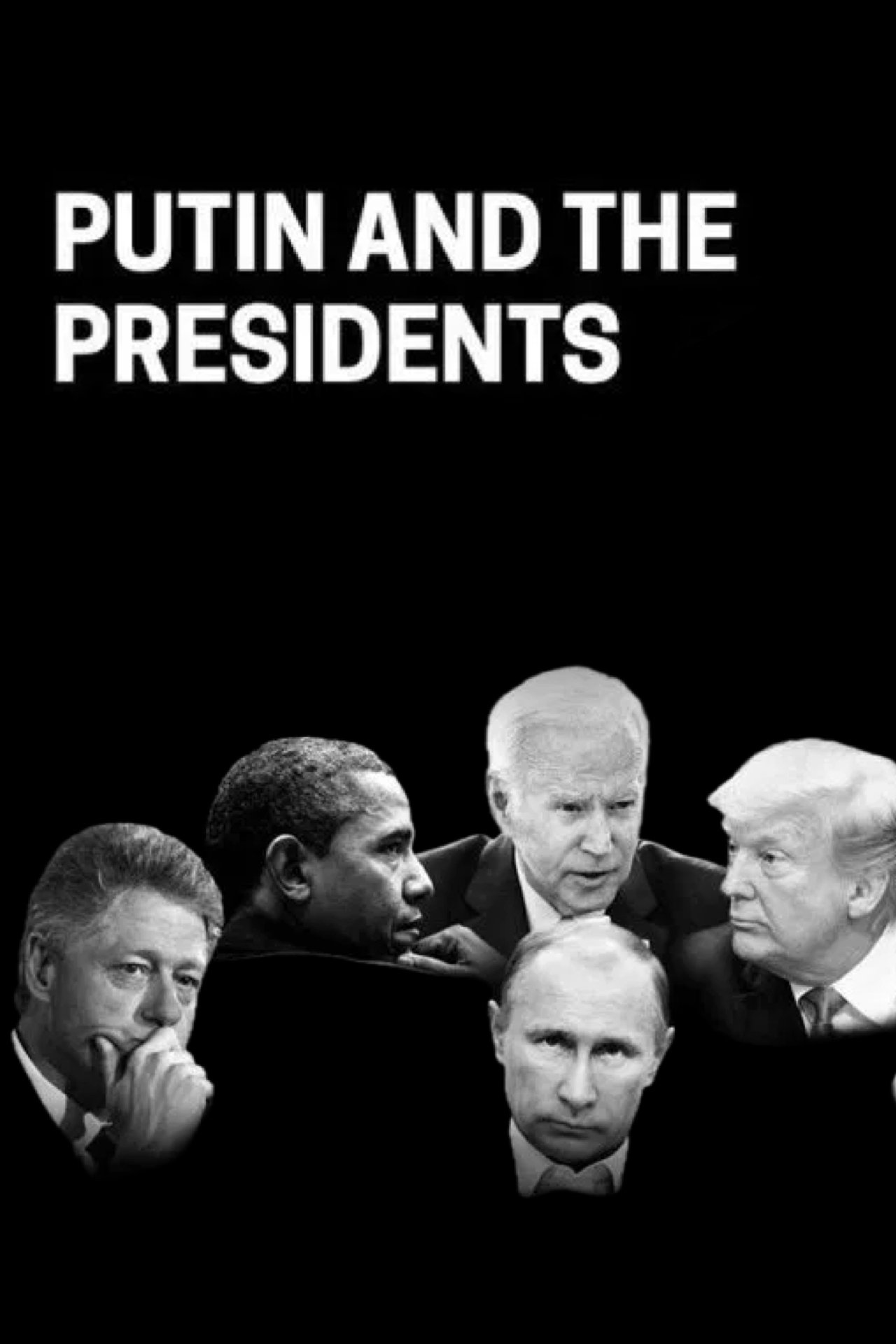
Vladimir Putin, a former KGB officer, has confronted five American presidents over two decades, shaping a tense relationship marked by military aggression.
Alexander Litvinenko, a former KGB officer, was poisoned with radioactive polonium in London in 2006, leading to a complex investigation by Scotland Yard.
Peter Volta made nearly 100 trips between West Germany and East Berlin from 1978 to 1988, delivering information during the Cold War's secret intelligence battle.
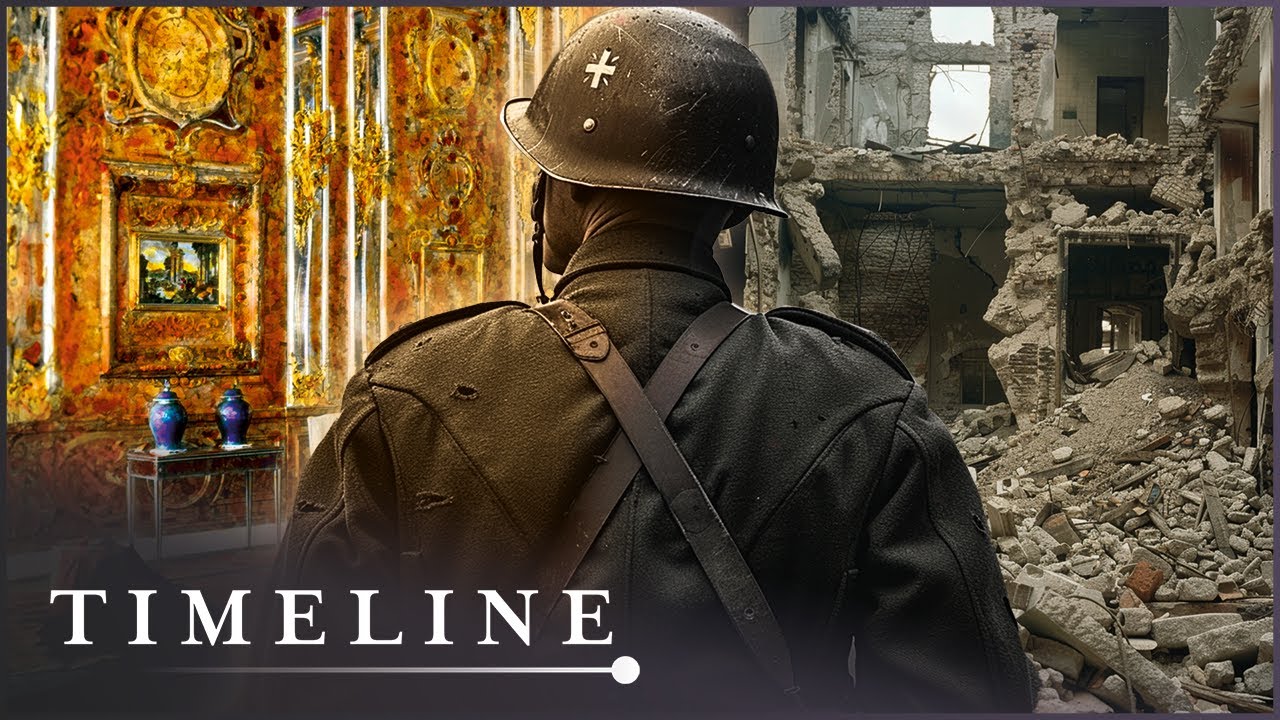
R. Hattenhauer has searched approximately 150 miles of mines in southeast Germany for the missing Amber Room, looted by Nazis during World War II.
1,500 Russian soldiers remain deployed in Transnistria, a breakaway region in Moldova that operates under Moscow's influence and support.
Vladimir Putin was born on October 7, 1952, in Leningrad, now known as St Petersburg, and has since risen to become the President of Russia.
More than 50 billion dollars of public money was spent on the 2014 Winter Olympics in Sochi, overshadowing political tensions in Russia.
Between 1978 and 1988, KGB agent Peter Wolter made nearly 100 trips from West Germany to East Berlin to deliver intelligence.
For the first time, the CIA successfully handled a well-placed agent in Moscow during the Cold War, marking a significant shift in intelligence operations.
Harold Adrian Russell Philby, a British agent, defects to the Soviets in 1963 and becomes Comrade Kim.
In autumn 1983, NATO's Able Archer exercise raised alarms in Moscow, leading to fears of a potential nuclear first strike amid heightened Cold War tensions.
Christopher Boyce reveals his past as a CIA double agent selling secrets to the KGB.
For 50 years, agents from the CIA and KGB operated in Berlin, monitoring each other's movements amid the Cold War's intense rivalry.
In 1985, KGB officer Oleg Gordievsky executed a perilous escape from the Soviet Union, providing vital intelligence that influenced Cold War dynamics.
Germany served as a critical intelligence battleground during the Cold War, highlighting espionage efforts by NATO and the USSR, including the 1985 killing of Major Arthur D. Nicholson.
In divided Germany during the Cold War, NATO and Soviet intelligence agencies engaged in a covert battle of espionage, surveillance, and counterintelligence tactics.
About 25,000 refugee claimants arrive in Canada each year, seeking asylum from dangerous situations in their home countries.
Xavier Ameil, a French civilian, risks his life as a handler for a KGB spy.
Four terrorist bombings in September 1999 killed almost 300 people and helped propel Vladimir Putin to the presidency amid a climate of fear.
Four terrorist bombings in September 1999 killed almost 300 people and raised suspicions about the Kremlin's involvement in the attacks.
A Russian laboratory used a secret hole in the wall to tamper with doping samples, revealing the extent of state-sanctioned cheating in athletics.
About 100,000 crosses adorn a small hill in Lithuania, symbolizing the nation's struggle against Soviet oppression and its enduring spirituality.
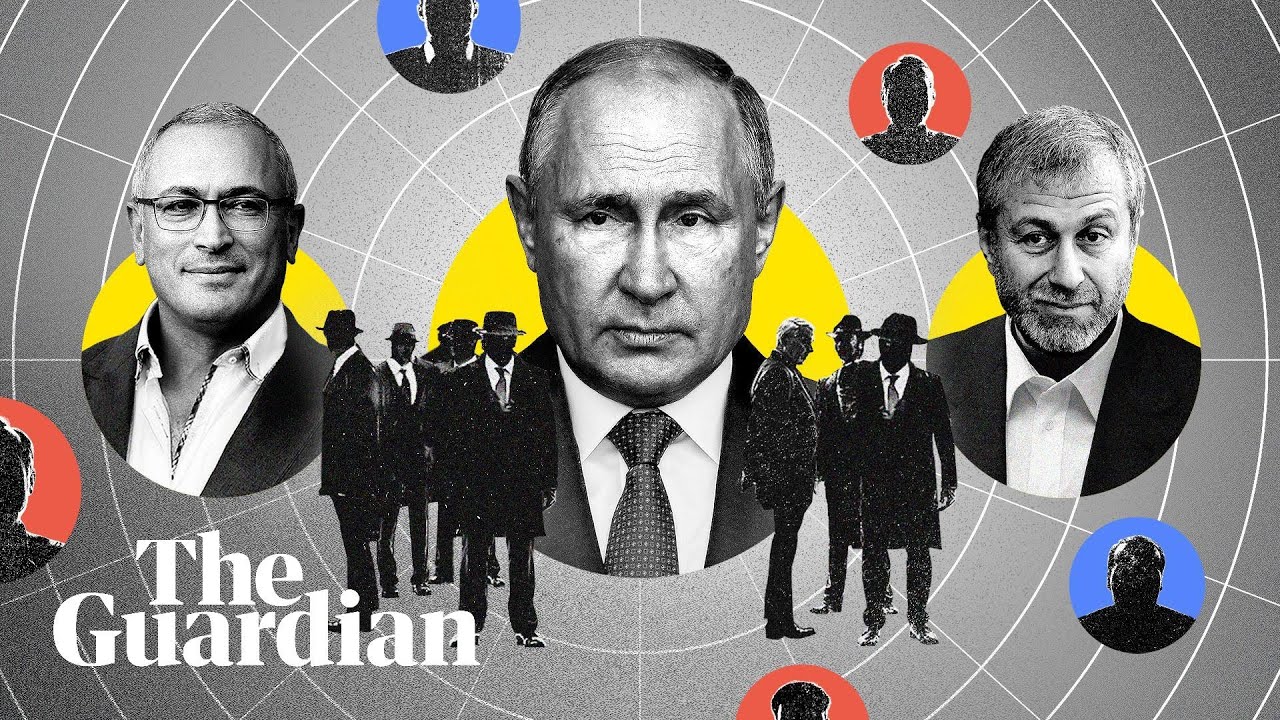
Vladimir Putin's war in Ukraine leads to severe sanctions against Russian oligarchs worldwide.
Viktor Orekhov, a former KGB officer, recounts his transformation from enforcer of repression to supporter of dissidents in Soviet-era Russia.
Soviet troops attacked a peaceful demonstration in Georgia in 1989, killing 20 people amid the country's struggle for independence from Russian control.
John Bolton discusses the initial optimism of the Bush Administration regarding Vladimir Putin's presidency, believing it could lead to cooperation against emerging threats.
Putin's February 24th speech frames the invasion of Ukraine as a 'special military operation' and identifies the United States as 'Enemy Number One.
A $1 billion palace on the Black Sea, linked to Vladimir Putin, features an underground ice hockey rink and a pole dancing room.
From 2014, the connection between Russian hackers and government officials became much closer, as revealed by investigations into cyber activities.
Vladimir Putin served as a midlevel bureaucrat in Dresden during the fall of the Berlin Wall, feeling disconnected from the changes in Russia.
Vladimir Putin and his KGB colleagues burned documents in Dresden as they faced the uncertainty of the Soviet Union's collapse in 1991.
On August 9, 1999, Vladimir Putin was named acting prime minister of Russia, a position few expected him to hold for nearly 18 years.
Luke Harding analyzes Vladimir Putin's rise to power amid the war in Ukraine.
By 1973, Oleg Gordievsky had risen to deputy of political intelligence within the KGB's foreign operations in Denmark before becoming a double agent for MI6.
$124 million disappeared without a trace from a food aid program in St. Petersburg, as Vladimir Putin assured residents that supplies were on the way.
Putin wrote a 5,000-word essay arguing that Ukraine has always been part of Russia, reflecting his views on historical unity and national identity.