From over 100,000 films, discover the handful you'll love.
Free or premium access to the world's largest documentary library.
41 films
Over two years, filmmaker Michel Negroponte documents Maggie's claims of being married to the Roman god Jupiter and the daughter of actor Robert Ryan.
In July 1994, 21 fragments of the comet Shoemaker Levy 9 collided with Jupiter, releasing energy equivalent to 6 million megatons of TNT.
More than 10,000 galaxies exist, each containing up to 100 million solar systems, raising questions about the potential for extraterrestrial life.
Jupiter's massive gravitational power acts as a vacuum cleaner for the solar system, preventing comets from striking Earth every few hundred years.
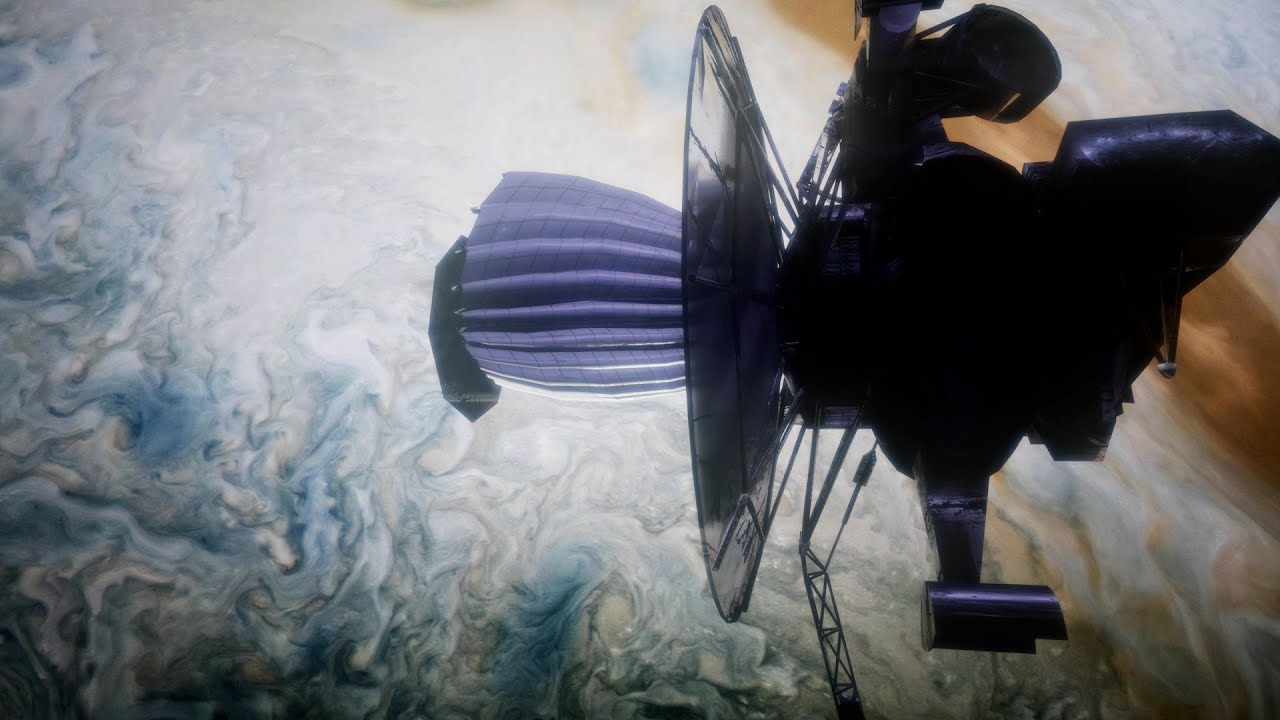
NASA's Juno mission explores Jupiter's extreme environment, revealing its massive ocean of liquid metallic hydrogen and the technology that enables this research.
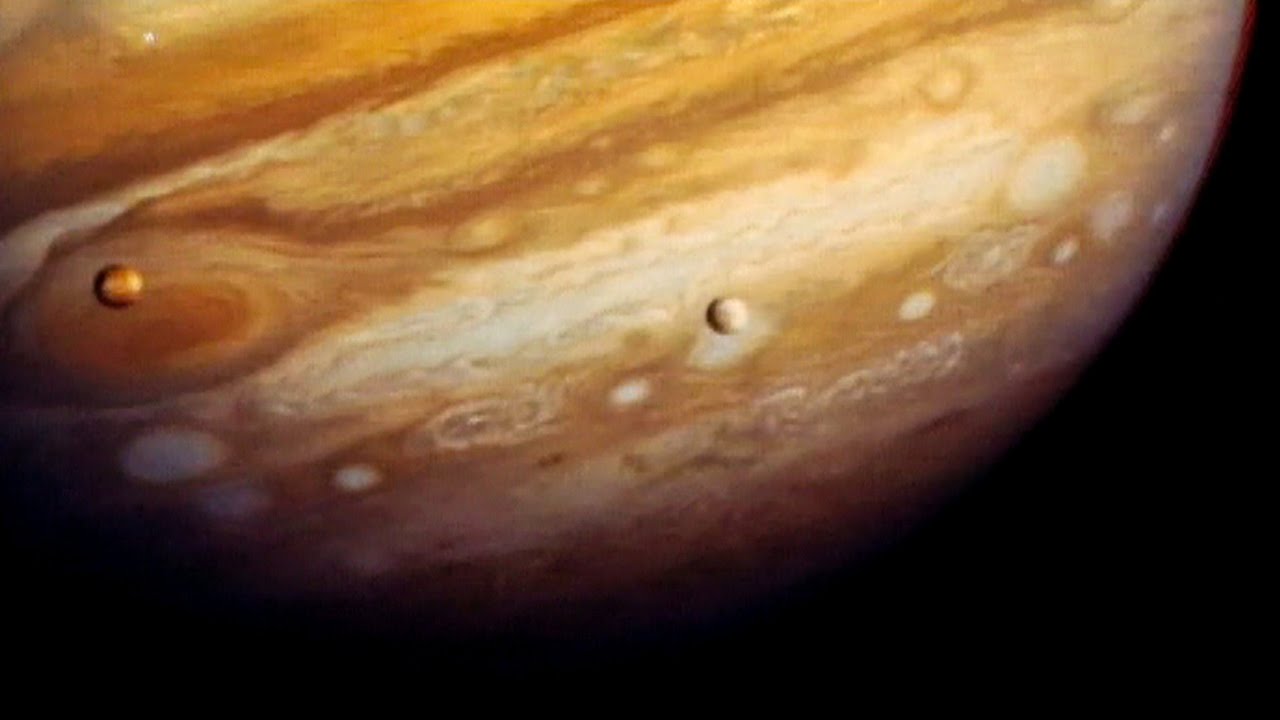
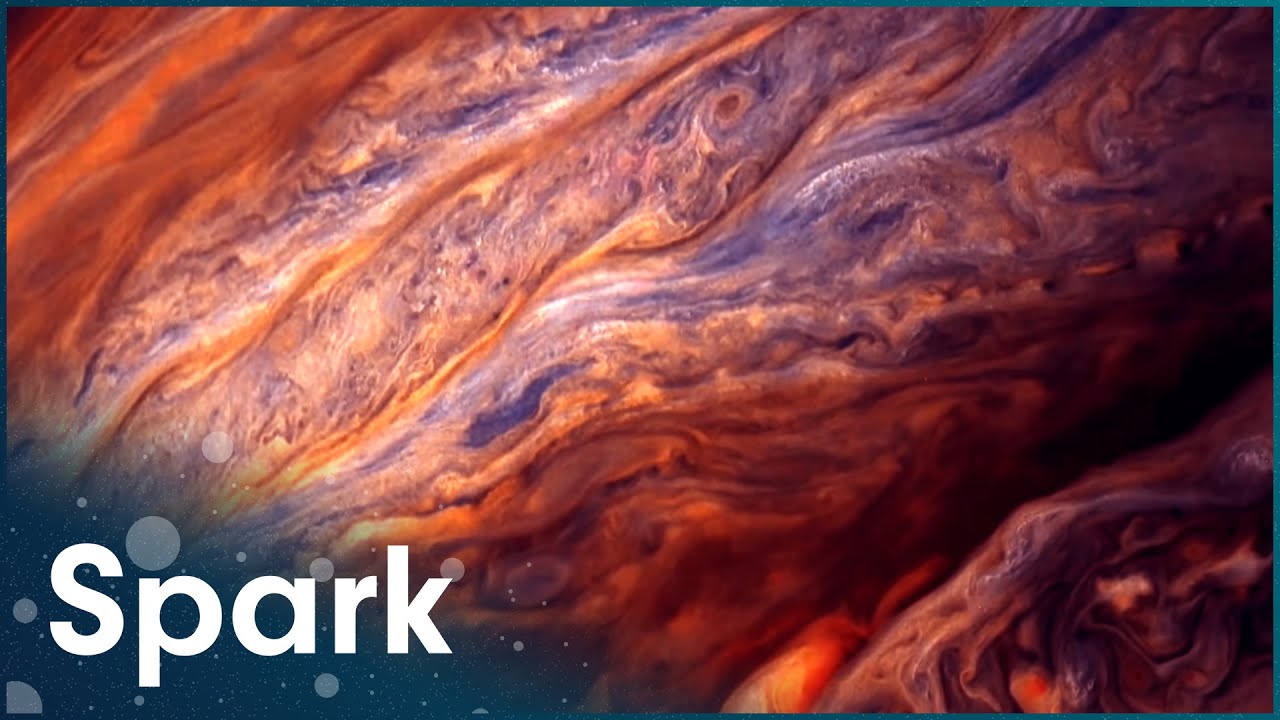
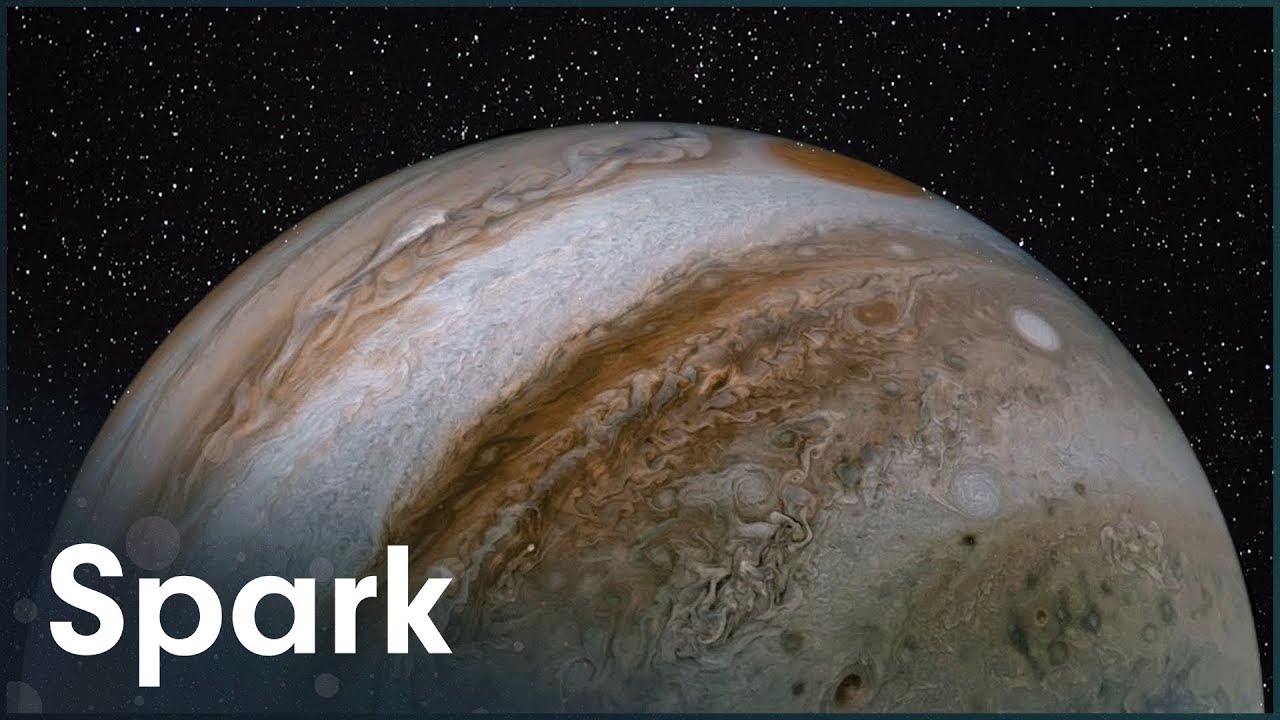
Jupiter, the largest planet in the solar system, features 400mph winds and Earth-sized storms, while Super Diamonds highlight the allure and power of these rare gems.
A 1,000-foot radio dish in Puerto Rico listens for signals from deep space, as scientists search for evidence of extraterrestrial life.
Venus's surface reaches temperatures of 900 degrees Fahrenheit, making it inhospitable and resembling a furnace rather than a potential home for life.
The search for alien life focuses on water sources in the solar system, especially Europa.
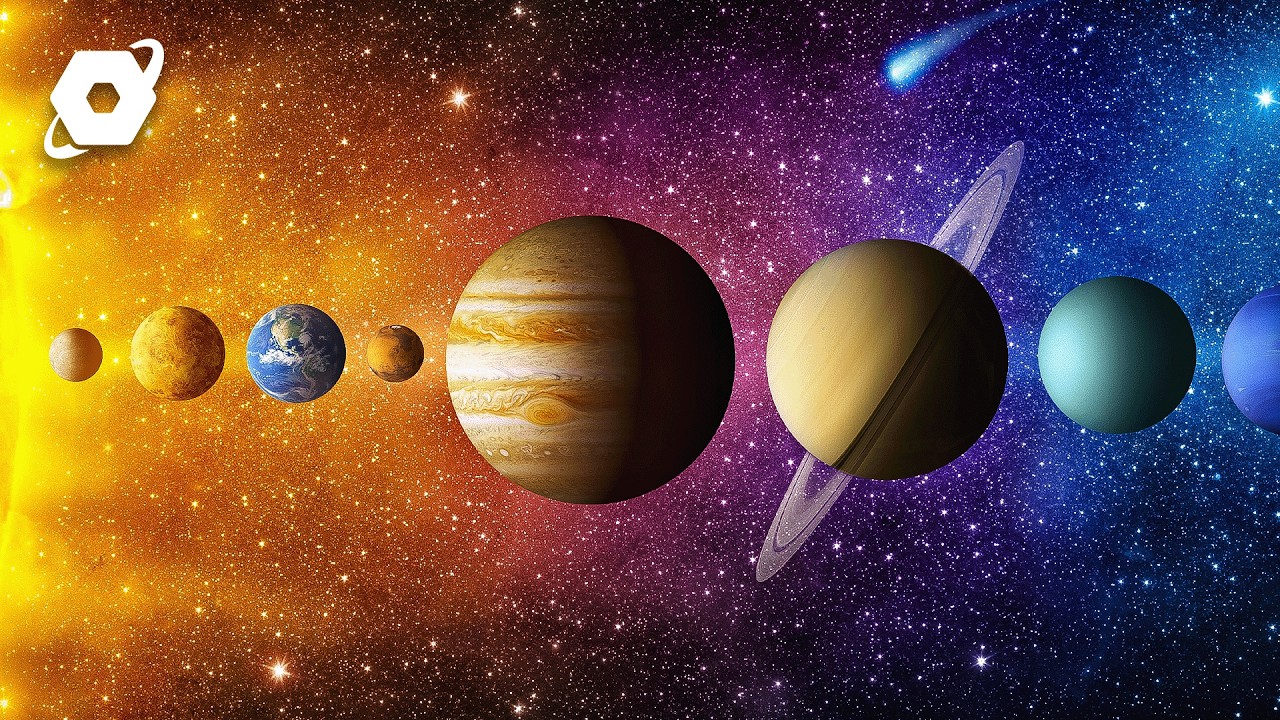
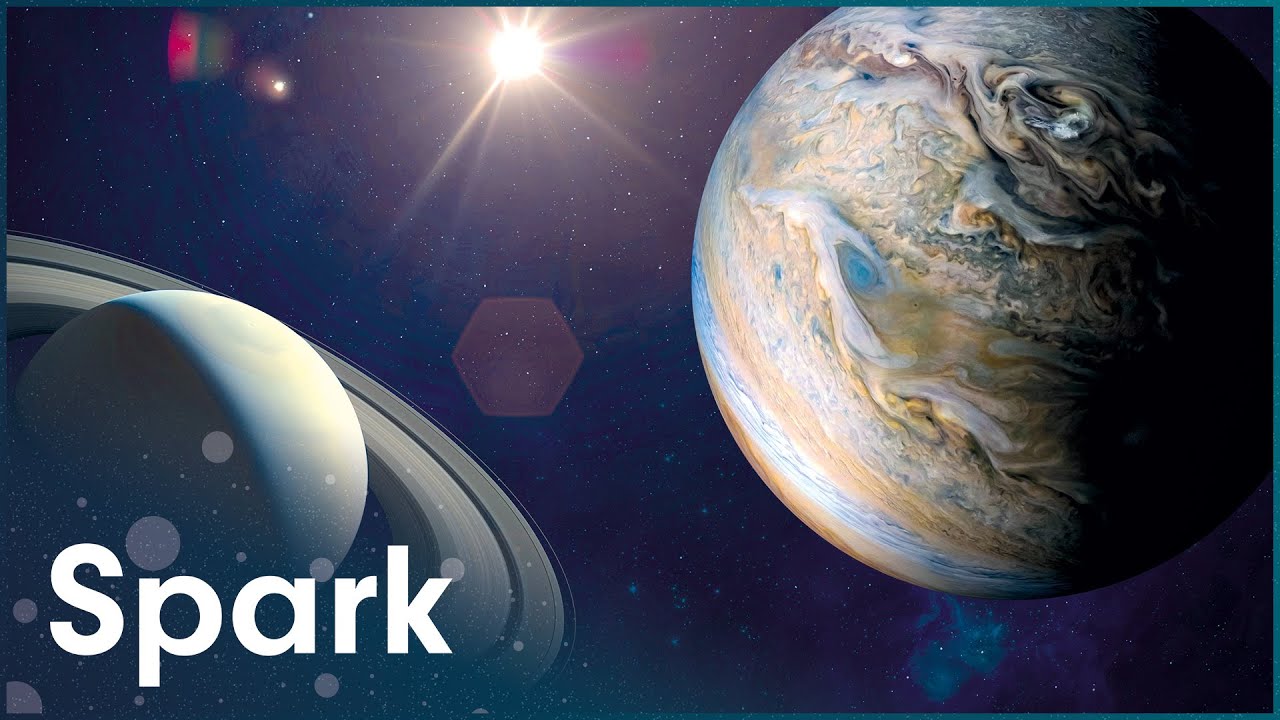
Gas giants Jupiter and Saturn, along with their moons and the potential existence of Planet Nine, are explored in the outer Solar System's icy realms.
Ceres, the largest asteroid, measures nearly 1,000 kilometers across and is visible to the Hubble Space Telescope, revealing its rotation and surface features.
For more than 20 years, musician Alal has traveled Arizona's desert roads in his old taxi, performing concerts in small towns across the state.
Jupiter's atmosphere is examined through data from the Juno mission, building on insights gained from the Cassini spacecraft and Huygens lander.
On August 15, 1977, a strong narrowband radio signal lasting 72 seconds was received by Ohio State University's Big Ear radio telescope, suggesting possible extraterrestrial origin.
Orbiters of Jupiter and Saturn provide new insights into their moons and the outer solar system.
Jupiter, the largest planet, reveals unique mysteries about our solar system's formation.
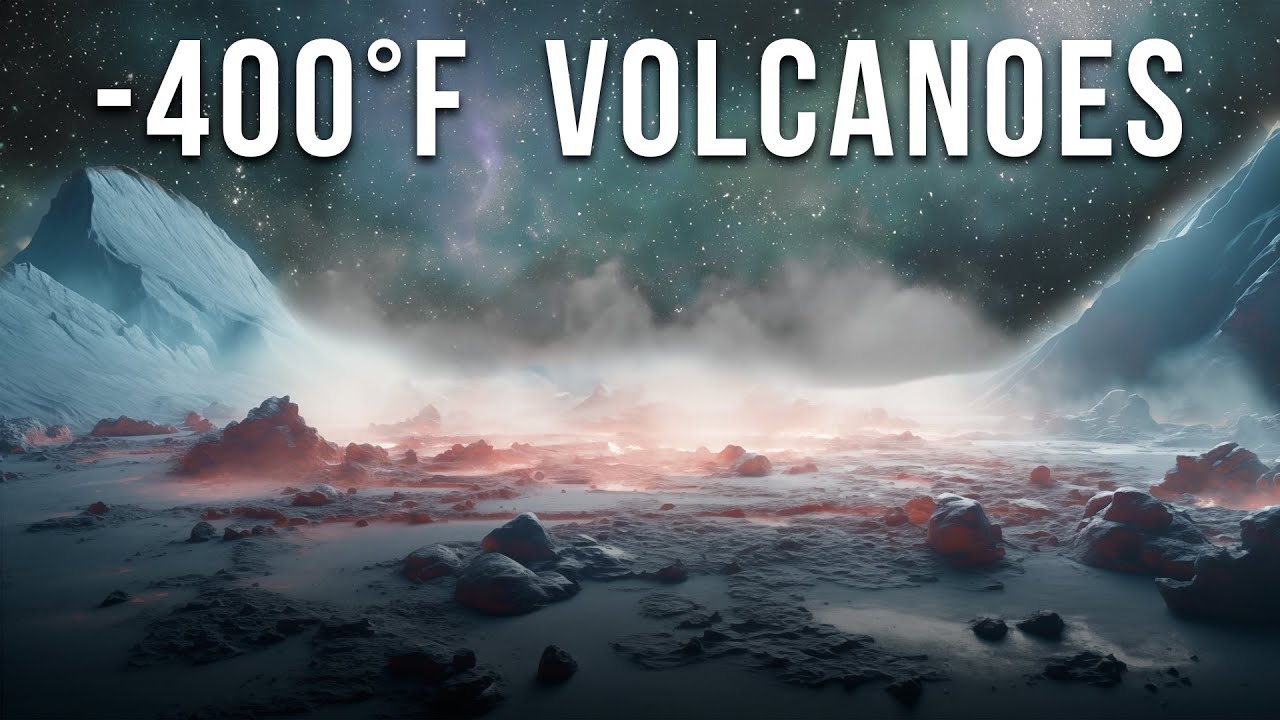
Triton, a moon of Neptune, has geysers that erupt a mixture of liquid nitrogen and dust at temperatures nearly 400 degrees below zero.
Venus's double-eyed vortex measures 1,800 miles wide and features hurricanes that whirl around each other, raising questions about the potential for life on other planets.
Luna 1, the first robotic emissary to the Moon, missed its target by nearly 6,000 km but became the first spacecraft to orbit the sun.
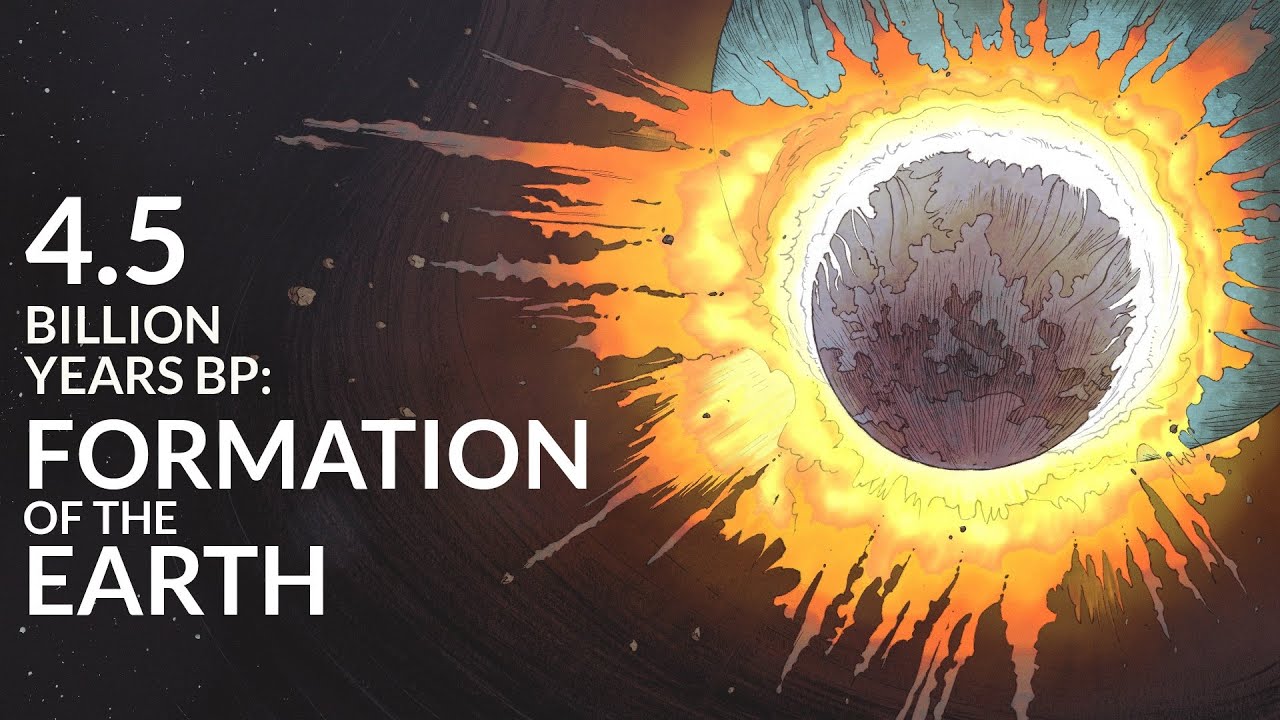
4.6 billion years ago, the sun ignited, marking the beginning of the solar system and the eventual formation of Earth as a unique planet capable of supporting life.
In the autumn of 312 AD, Constantine's army camped 40 miles north of Rome, preparing for a decisive battle against his rival Maxentius.
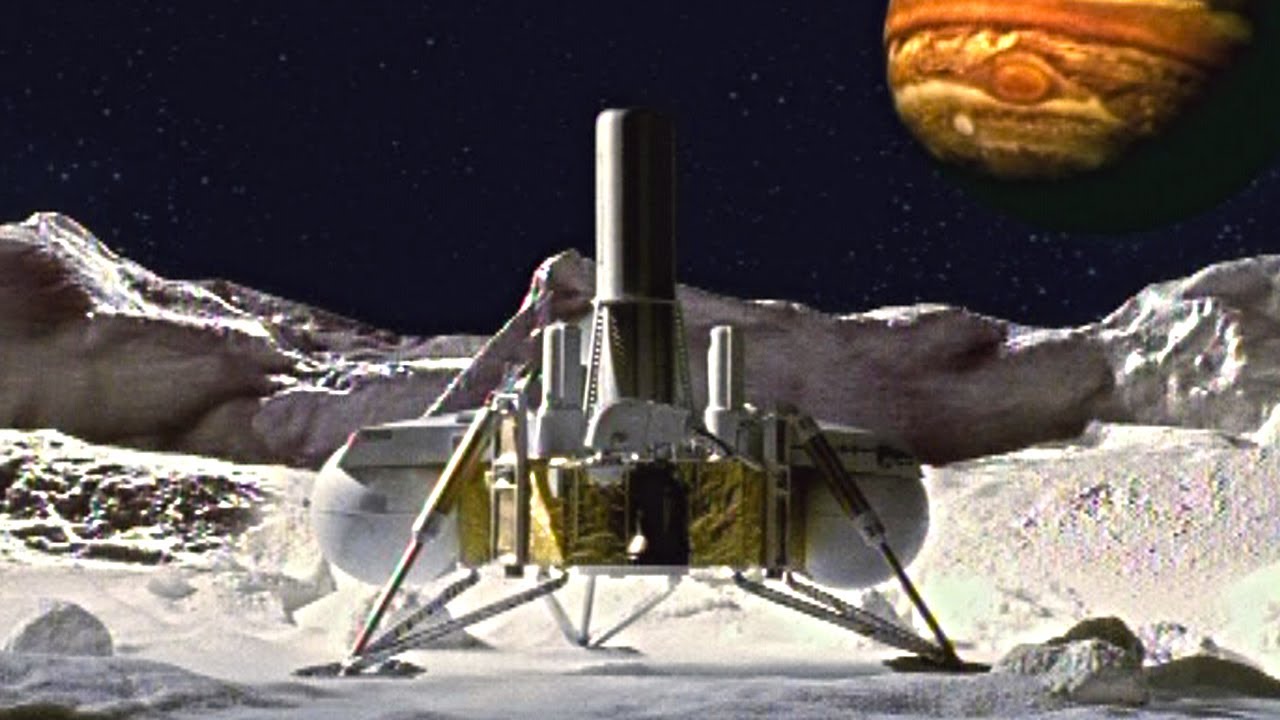
Jupiter's icy moons, with their potential subsurface oceans, are the focus of scientific exploration aimed at understanding life in extreme environments.
In 2015, NASA telescopes identified a promising exoplanet with Earth-like temperatures and potential liquid water, prompting astrophysicists to explore similar solar systems.
Chariklo, an asteroid in South America, is discovered to have two narrow rings.
Rocky leftovers from asteroids may help solve Earth's key resource shortages.
Astronomers are investigating the potential existence of a hidden planet, often called 'Planet Nine,' within the solar system, using advanced techniques and analyzing elusive clues.
Erin Elmore from Jupiter discusses Republican views on the Capitol violence and political protests.
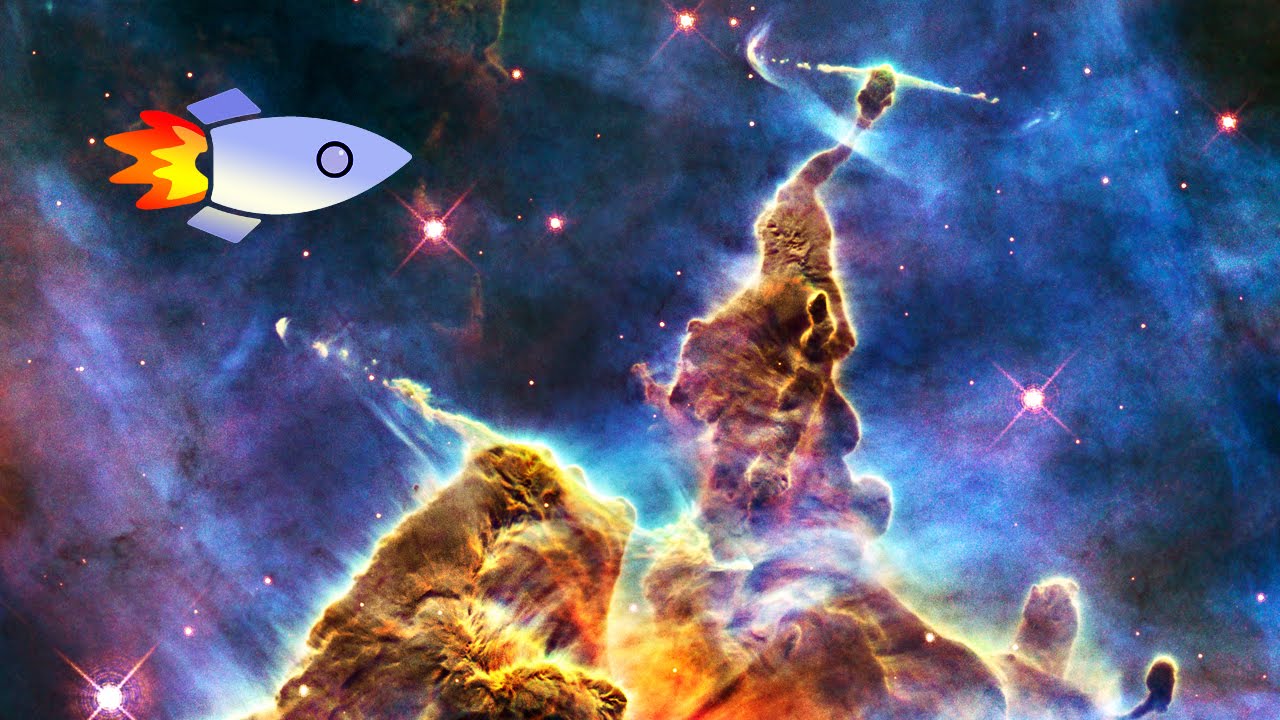
The Hubble Space Telescope has been capturing images of the universe for 25 years, including the iconic Pillars of Creation and the Cat's Eye Nebula.
The formation of Earth and the solar system is explained through the process of fractionation and the characteristics of gas giants like Jupiter and Saturn.
Hubblecast highlights Galileo Galilei's first telescope demo and Hubble's discoveries.
NASA's Dawn spacecraft captured images of a three-mile-tall pyramid on the dwarf planet Ceres, raising questions about extraterrestrial life.
Io is Jupiter's volcanic moon, known for its intense lava activity and unique geology.
Around 4 billion years ago, Jupiter and Saturn's alignment triggers asteroid bombardment on Earth.
Light pollution in New York City obscures the beauty of planets like Saturn and Jupiter.
Astronomers detect a Jupiter-like exoplanet from another galaxy in the Milky Way.
Comets represent leftover materials from the solar system's formation, crucial for Jupiter and Saturn.
Geysers on Enceladus shoot ocean water hundreds of kilometers into space, containing organic molecules that could indicate the presence of life.
Saturn's moon count has increased to 82, surpassing Jupiter by three, thanks to discoveries made using the Subaru telescope in Hawaii.
Voyager 1 became the only spacecraft to travel beyond the solar system and into interstellar space, now nearly 13 billion miles from the Sun.
The asteroid belt, located between Mars and Jupiter, contains millions of asteroids, including the dwarf planet Ceres, which are separated by vast distances.
NASA's Voyager spacecraft, launched in 1977, continue to transmit data from beyond the solar system, raising questions about their future in space.