From over 100,000 films, discover the handful you'll love.
Free or premium access to the world's largest documentary library.
22 films
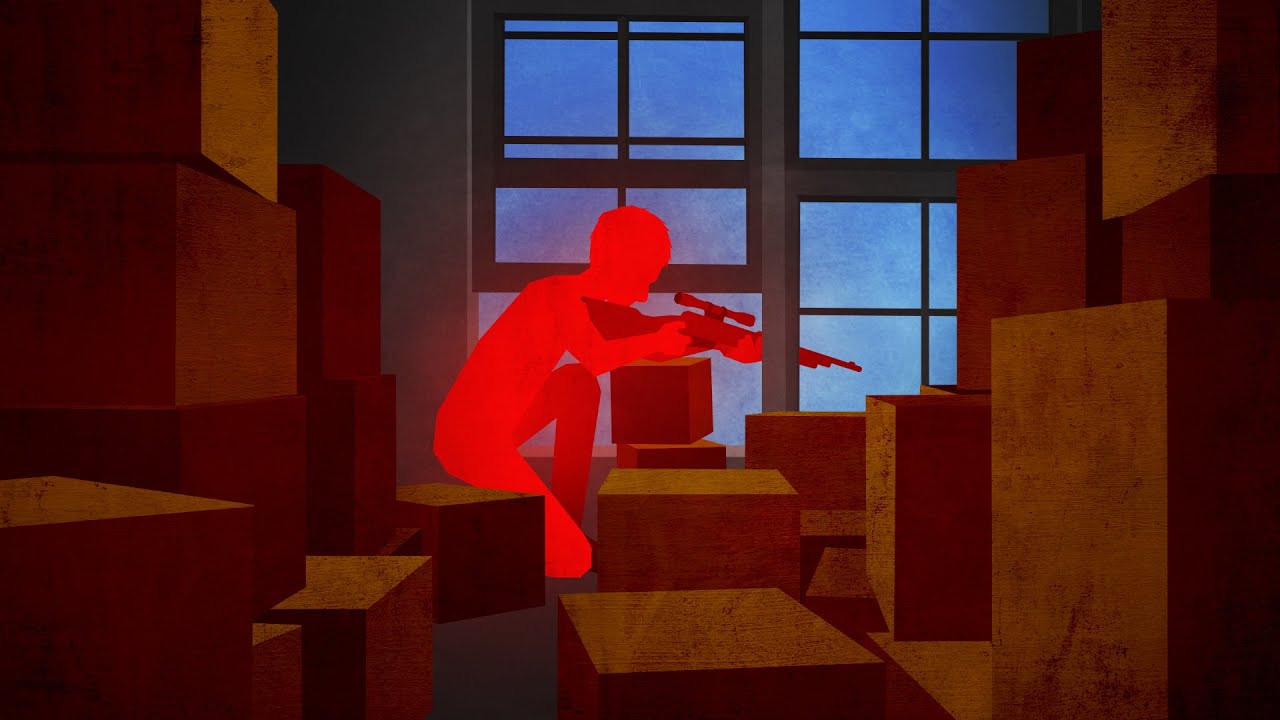
Lee Harvey Oswald fired three rounds from the Texas School Book Depository, leading to the assassination of President John F. Kennedy on November 22, 1963.
Clint Hill, a Secret Service agent, reflects on his memories of protecting John F. Kennedy during the president's trip to Texas in November 1963.
The first televised debate between John F. Kennedy and Richard Nixon reached 70 million viewers, marking a turning point in American election campaigns.
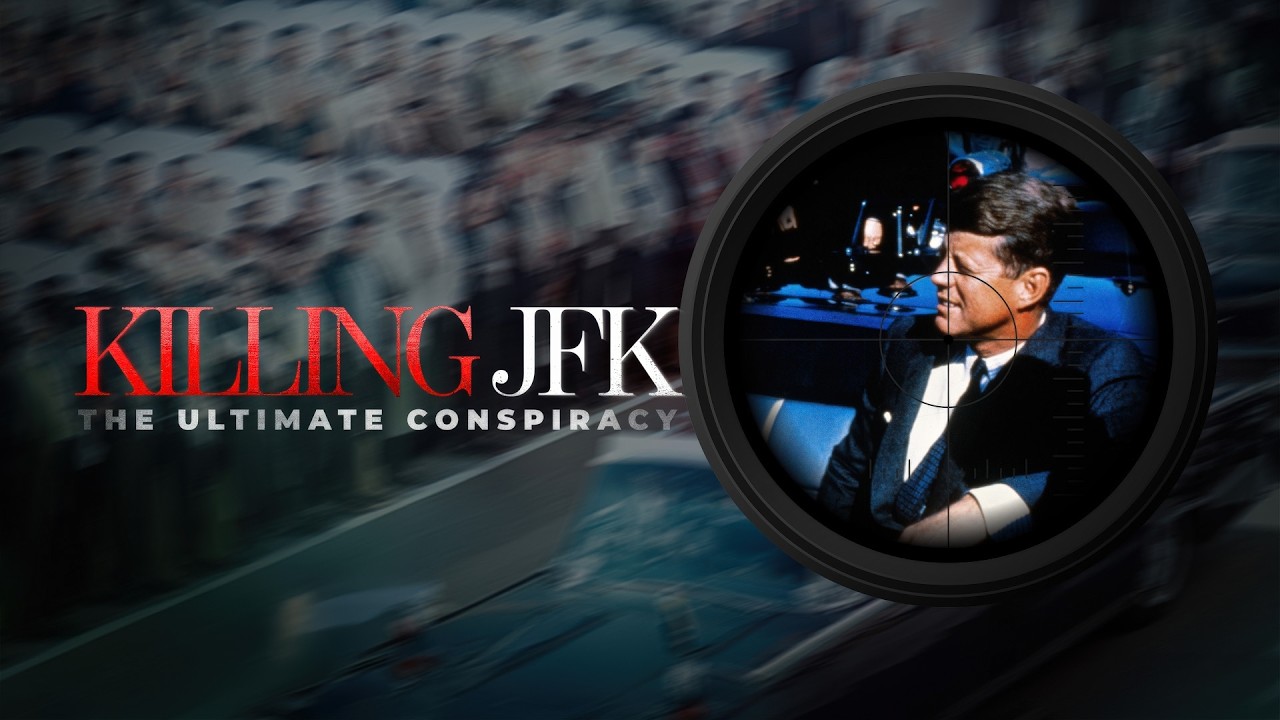
Kennedy was shot in the head while riding in a car with Texas Governor Connally, leading to a national crisis and a reevaluation of his enemies.
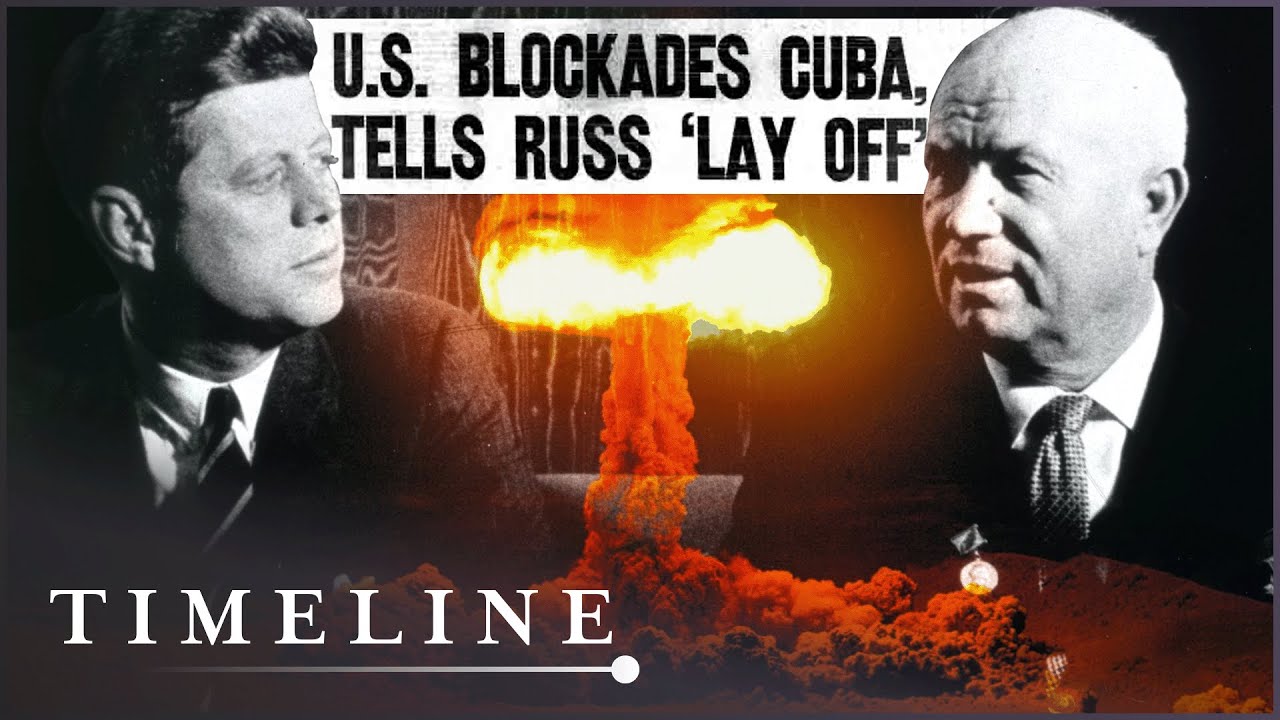
Ninety miles from Florida, the United States quarantined Cuba in response to the Soviet Union's placement of nuclear warheads on the island.
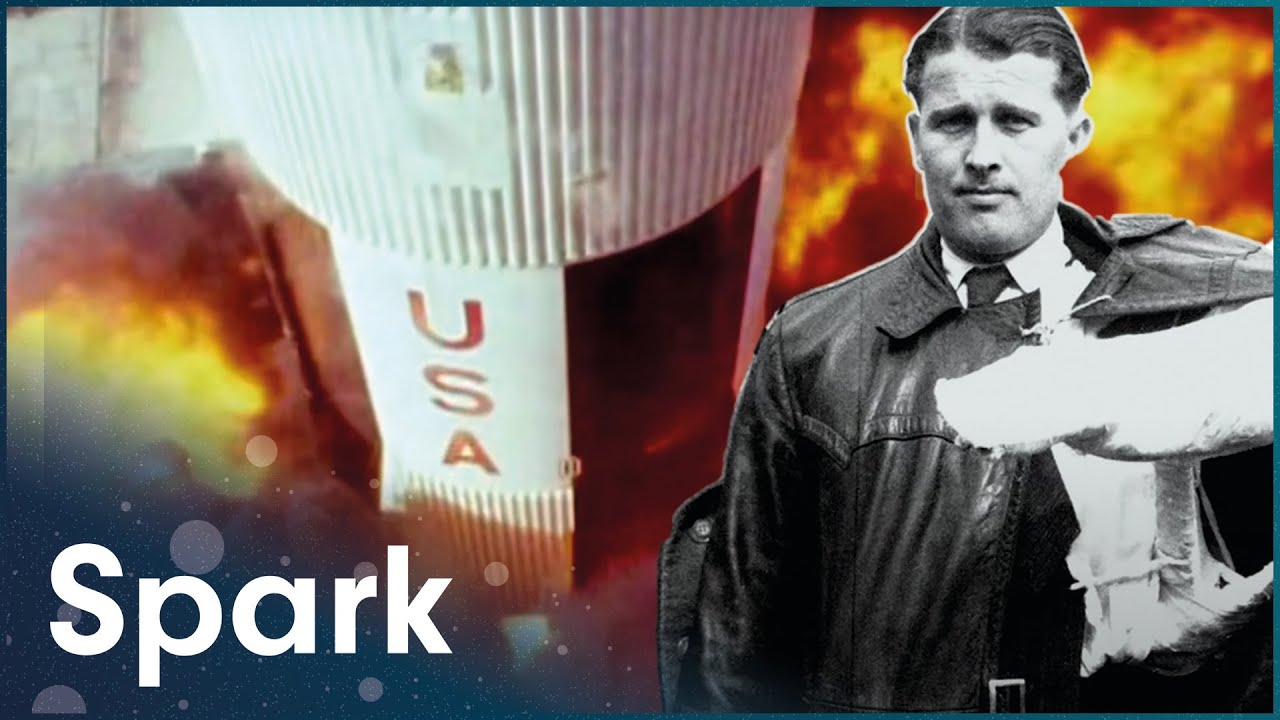
Over 200,000 scientists and engineers contributed to the development of the Saturn V rocket, which remains the most powerful vehicle ever built.
Kennedy was shot in the head while riding in a car with Texas Governor Connally on November 22, 1963, a moment that changed the nation.
One p.m.
John F. Kennedy's final months, from June to November 1963, are examined through archival materials and interviews with notable figures in the eight-part docuseries.
On July 20, 1969, nearly a billion people watched as Neil Armstrong declared, "The Eagle has landed," marking humanity's first steps on the Moon.
Dwight Eisenhower delivered his farewell address on January 17, 1961, warning against the undue influence of the military industrial complex.
For two weeks in October 1962, the world faced the threat of thermonuclear war as the Soviet Union deployed nuclear missiles just 90 miles from the U.S.
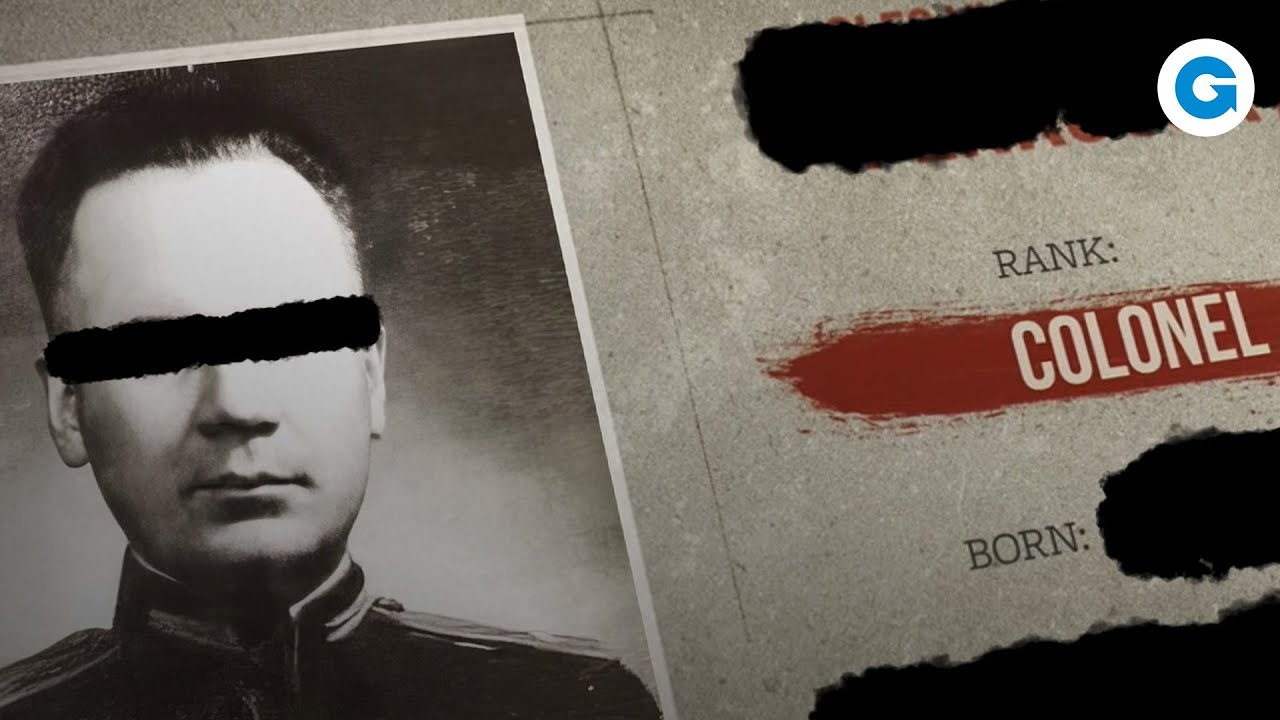
In October 1962, Oleg Penkovsky, a Soviet officer, provided critical intelligence to the CIA that helped prevent nuclear war during the Cuban missile crisis.
In October 1962, the world came the closest it has ever been to nuclear armageddon during the Cuban Missile Crisis between the United States and the Soviet Union.
In October 1960, Martin Luther King Jr. was arrested during a sit-in at Rich’s Department Store in Atlanta, prompting urgent political responses from both campaigns.
A distinguished panel of former members of Congress discusses the need for an internal review of the institution's organization and procedures.
Lyndon Johnson's landslide victory in the 1964 presidential election marked a significant shift in American political dynamics during the 1960s.
115 years before John F. Kennedy addressed the Irish Parliament, his great grandparents left Ireland for America in search of a better life.
Nearly half a million Berliners gathered to hear President John F. Kennedy speak at the Berlin Wall on June 26, 1963, during a critical moment in the Cold War.
On April 12, 1961, the Soviets launched Yuri Gagarin, the first person to orbit the Earth, intensifying the U.S. space race under President John F. Kennedy.
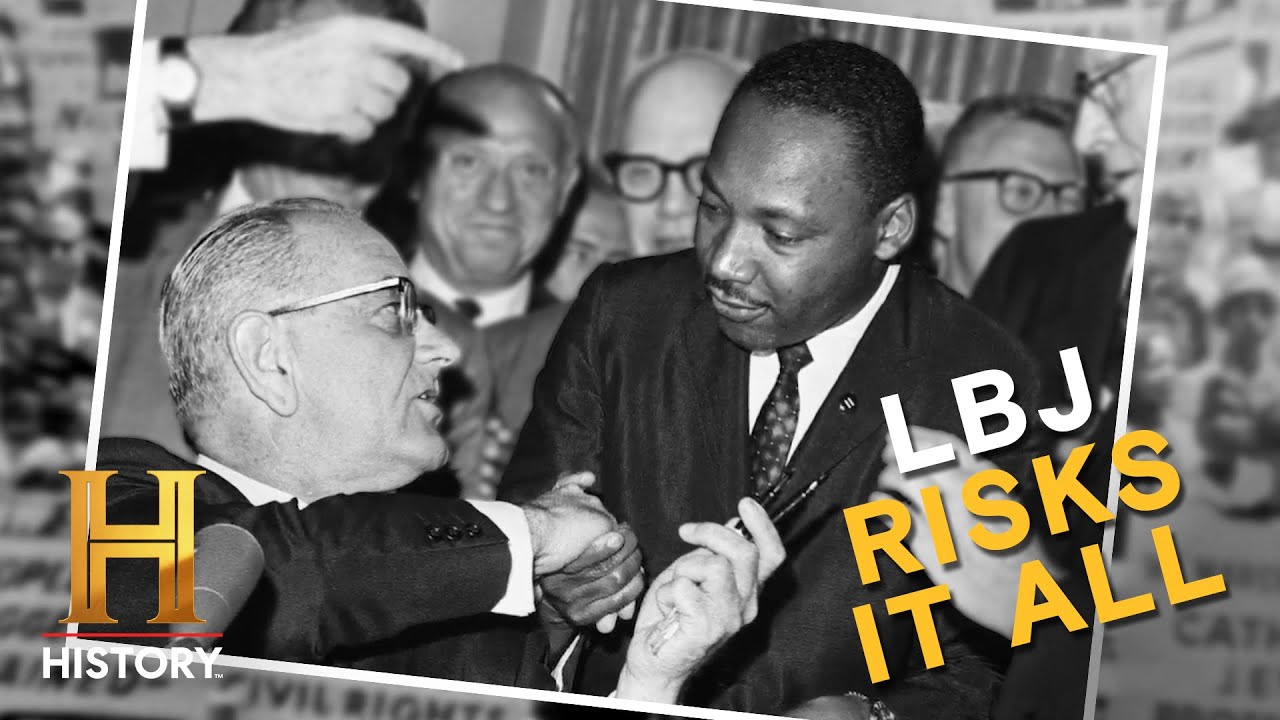
Six weeks after delivering a speech to Congress prioritizing civil rights, Lyndon B. Johnson died of a heart attack, leaving a complex legacy.
On June 12, 1987, Ronald Reagan spoke at the Berlin Wall, stating, "This wall will fall."