From over 100,000 films, discover the handful you'll love.
Free or premium access to the world's largest documentary library.
20 films
In the Rising Star Cave system in South Africa, paleoanthropologists study a chamber containing the bones of the extinct species Homo naledi.
400,000 years ago, a new species, Homo sapiens, emerged in Africa, adapting to various climates and developing agriculture and monumental structures.
Homo sapiens, anatomically modern humans, have lived in Africa's Great Rift Valley for about 200,000 years, marking the beginning of human history.
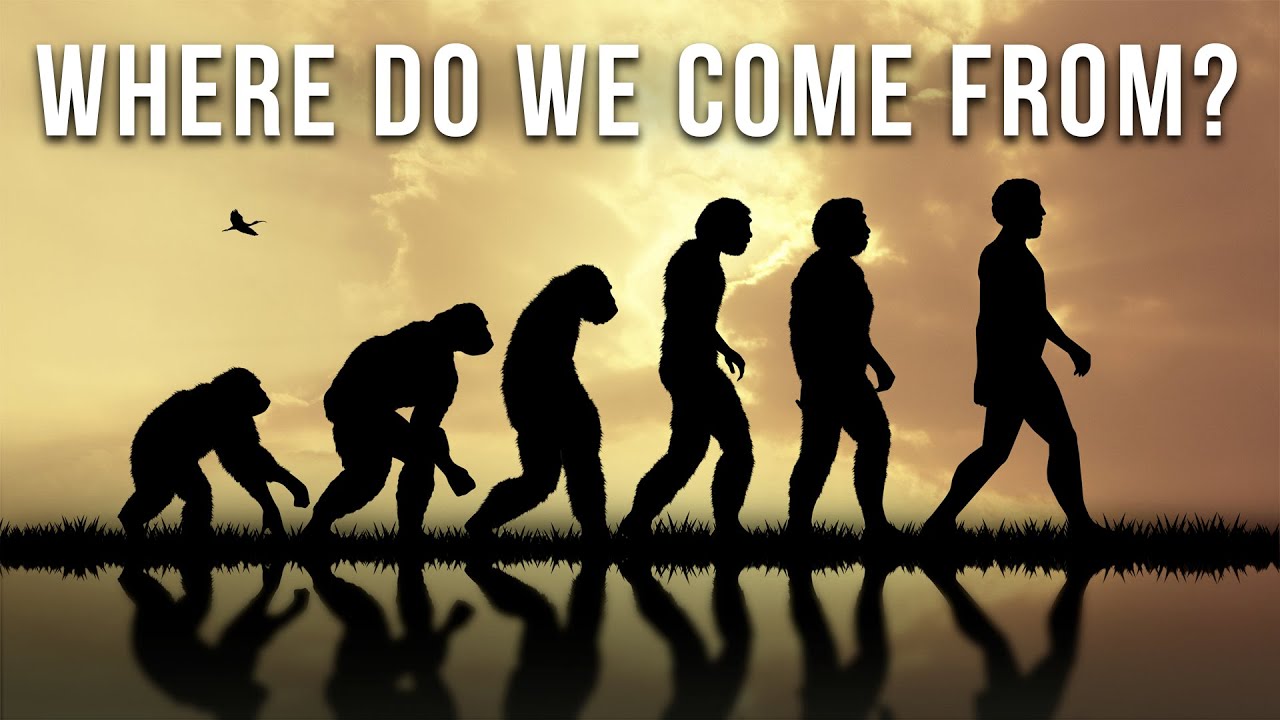
Homo sapiens emerged 200,000 years ago after a 3.3 billion year battle for survival, evolving from single-celled organisms to the most complex creatures on Earth.
The global population increased from three million to 100 million over 8,000 years as humans transitioned from nomadic life to settled societies.
Neanderthals survived for about 300,000 years in harsh ice age conditions, adapting their physical traits to endure extreme cold and low sea levels.
Two sets of remains, one belonging to a human and the other to a Paranthropus, were found at Kromdraai, dating back 2.5 million years.
Homo sapiens appeared on Earth 195,000 years ago, influenced by a master race from the stars known as the Anunnaki, who created humans to work as slaves.
A railgun can fire projectiles at nearly four times the speed of sound, reaching targets 185 kilometers away.
Twenty-five million years ago, the great apes emerged, leading to the evolution of Homo Sapiens and the development of language, culture, and technology.
Seventy thousand years ago, Homo sapiens experienced a cognitive revolution that allowed them to dominate other human species, a theme echoed in today's advancements in artificial intelligence.
3,700 exoplanets have been identified so far, yet no signals from extraterrestrial civilizations have been detected in nearly 60 years of searching.
3,700 known exoplanets have been identified, yet no signals indicating extraterrestrial life have been detected in nearly 60 years of searching.
Around 130,000 Tibetans have fled China, facing dangerous journeys to preserve their culture and spirituality in neighboring countries like Nepal and India.
A CubeSat can be launched into space for as little as $100,000, reflecting the rapid growth of the private space industry.
99% of all species that have ever lived are now extinct, wiped out by global catastrophes that continue to threaten humanity today.
In 2005, ultramarathon runner Dean Karnazes covered 350 miles across Northern California without stopping to sleep or eat, illustrating human endurance capabilities.
A man walks into a shop and asks the shopkeeper if they sell leather, leading to a series of jokes that illustrate humor's challenges in translation.
Homo sapiens first appeared around 300,000 years ago, but significant developments in communication began only about 40,000 years ago with symbolic thinking and art.
Neanderthals, who thrived in Eurasia for over 300,000 years as skilled toolmakers and hunters, faced decline potentially due to competition with early humans.