From over 100,000 films, discover the handful you'll love.
Free or premium access to the world's largest documentary library.
34 films
Medieval beauty standards, hygiene practices, and women's roles are examined through insights from historian Eleanor Janega and Dr Kate Lister's engaging discussion.
Ancient Greece is explored through the most searched questions, revealing insights about its culture, democracy, cuisine, and contributions like the Olympics.
New archaeological findings provide insights into the lives and practices of Druids, the enigmatic figures of Celtic history.
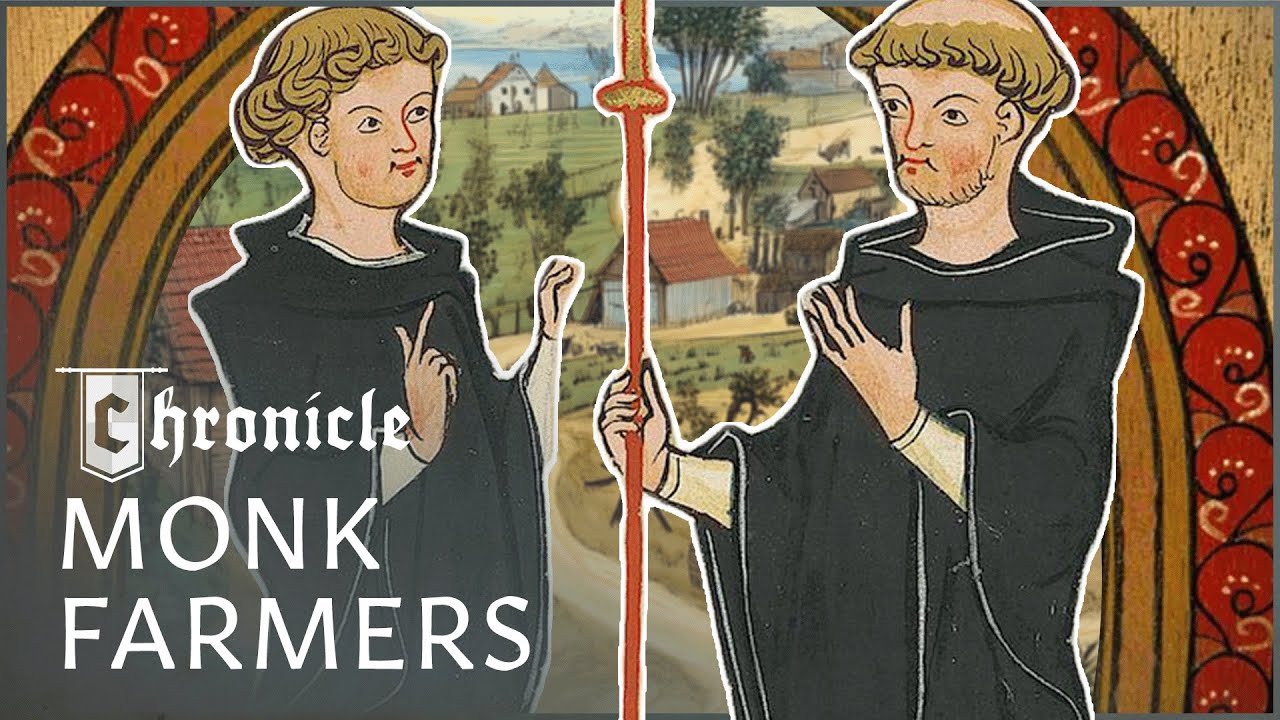
Tudor farmers relied heavily on monasteries for farmland, consuming large quantities of bread and ale while praying for successful harvests.
Artefacts recovered from the Titanic, including a pocket diary and a possessions bag, reveal the personal stories of passengers lost in the 1912 disaster.
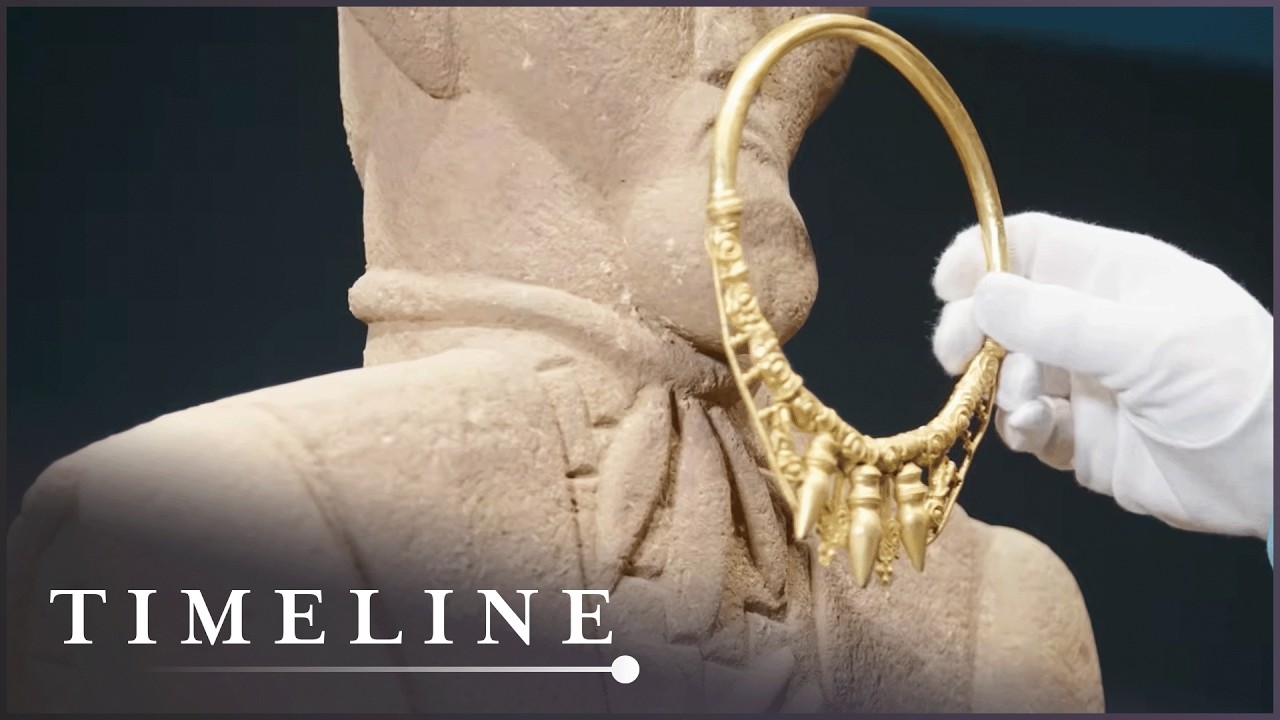
In Flag Fen, Time Team investigates a Bronze Age trackway and potential burial site, revealing its significance to ancient peoples in the region.
In the Pacific theater of World War II, American forces captured the Japanese-held islands of Guam, Tinian, and Saipan, marking a crucial turning point in the conflict.
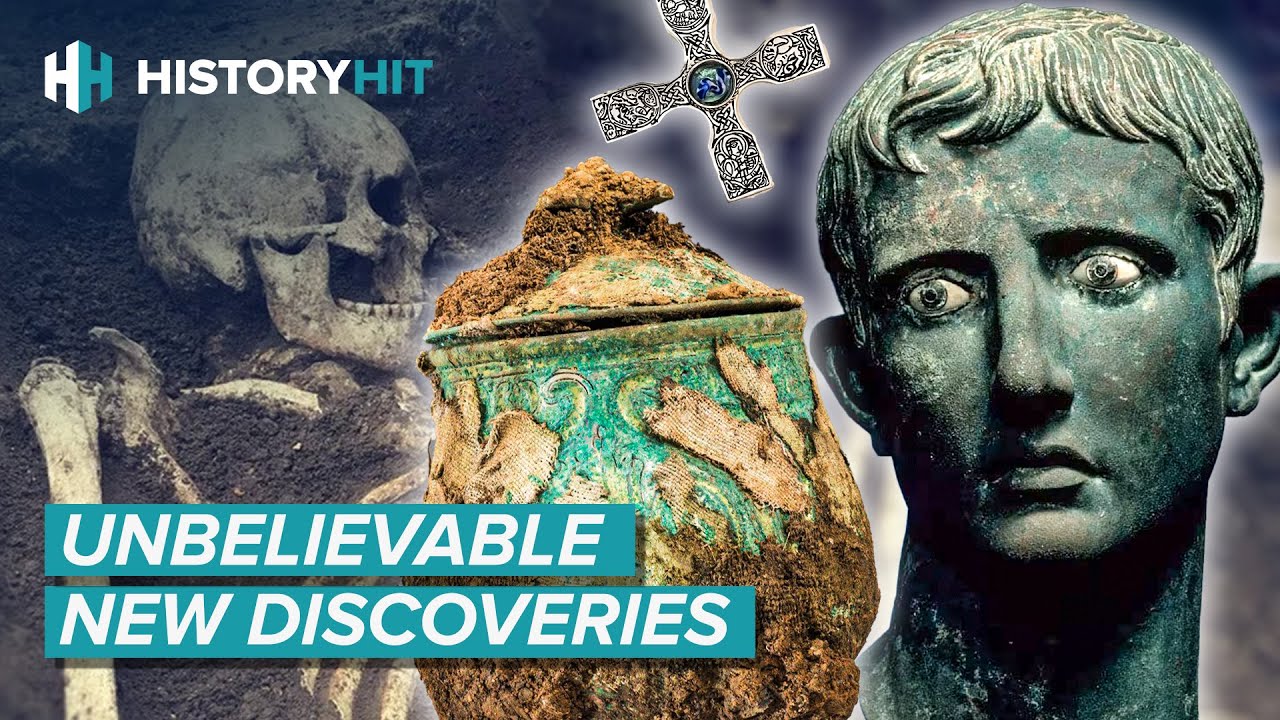
Recent archaeological discoveries showcase remarkable finds, including the Galloway Viking Treasure and the world's oldest Tarkhan Dress, highlighting global historical treasures.
Historian James Holland and ex-US Army Ranger Dr Mike Simpson analyze the planning, logistics, and execution of the Normandy campaign during World War II.
The Churchill tank played a crucial role in the success of D-Day and subsequent battles, showcasing its versatility in the fight against Nazi Germany.
Helicopter warfare in Vietnam is examined through the personal experiences of soldiers and pilots who participated in the conflict, highlighting its impact on military strategy.
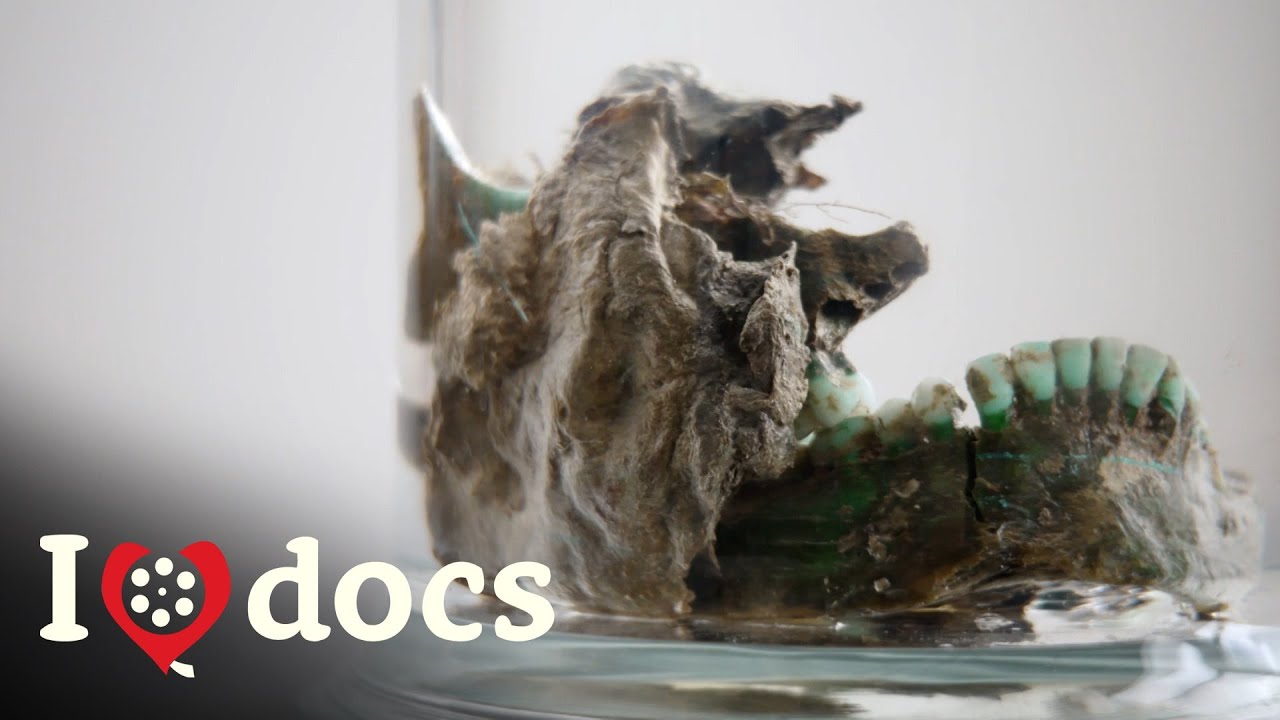
In Lincolnshire, archaeologists conduct a three-day rescue dig at an Anglo-Saxon cemetery, revealing the remains of Britain's tallest warrior woman and rare graves from the 5th and 6th centuries AD.
Beneath the streets of Baiae, Italy, advanced 3D laser scanning technology reveals the architectural remnants and hidden networks of ancient Rome's most scandalous city.
In Denia, Spain, experts explore life in an Islamic settlement governed by a pirate king during the Dark Ages, revealing its historical significance.
Vindolanda, located near Hadrian's Wall, has been the site of extensive archaeological excavations revealing insights into Roman life on the empire's northwestern frontier.
An Anglo-Saxon cemetery in Yorkshire reveals unique burial customs and social structures, including a rare case of a man given a woman's burial.
Pavlopetri, located off the southern coast of Greece, is the oldest submerged city in the world, revealing insights into ancient civilization through advanced technology.
Viking society, often celebrated for its exploration, was also marked by human trafficking and slavery, as illustrated by the story of Irish monk Findan, who was enslaved in the 9th century.
Life on the Isle of Portland revolves around the extraction and processing of its distinctive limestone, shaping the island's history, customs, and community.
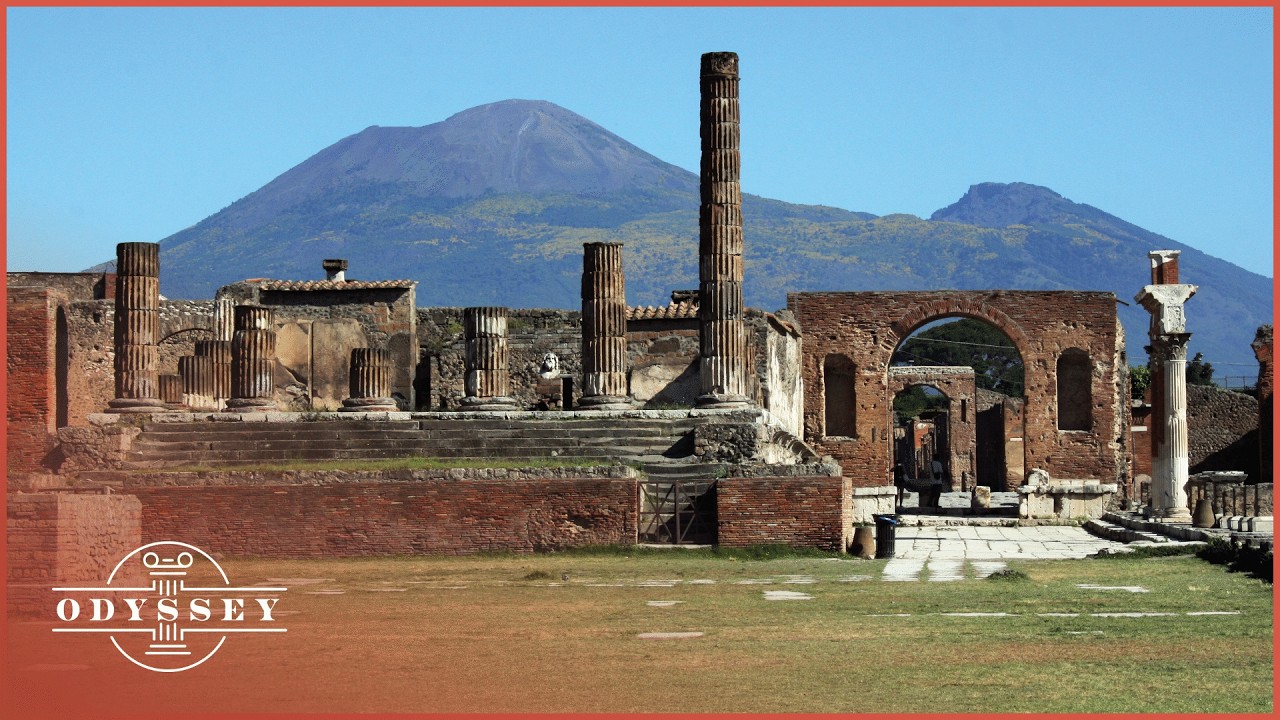
Mount Vesuvius's catastrophic eruption in 79 AD buried the Roman city of Pompeii, preserving its remnants and offering insights into ancient civilization.
In December 1944, the Battle of the Bulge marked Hitler's last major offensive, highlighting the failed advance of Kampfgruppe Peiper and the defense of Bastogne.
Britain's covert military operations during conflicts reveal how governments resort to unconventional tactics when negotiations fail.
Mount Kologet, Goldsboro, Palomares, and Thule represent four significant nuclear accidents during the Cold War that reveal the hidden dangers of superpower tensions.
A perfectly preserved Iron Age village in Britain reveals advanced technology, while the search for a lost WWII Spitfire highlights the story of Flight Lieutenant Alistair Gun.
Thomas Jefferson's complex legacy regarding Christianity, slavery, race, and philosophy is examined through insights from Annette Gordon-Reed and Peter Onuf.
Ramesses II, who reigned for 66 years, sought immortality while facing health issues, as revealed by a 1976 autopsy in Paris that preserved his mummy.
In 1965, Paul Letersky served as an assistant to FBI Director J. Edgar Hoover, providing unique insights into the operations of one of America's most powerful law enforcement figures.
Ancient civilizations, from the dawn of Mesopotamia to the fall of Rome, shaped the foundations of power in a world influenced by nature's dual role.
In 1795, the warship Triunfante sank during a French siege, and the documentary details the archaeological process of retrieving and displaying this significant wreck in Spain.
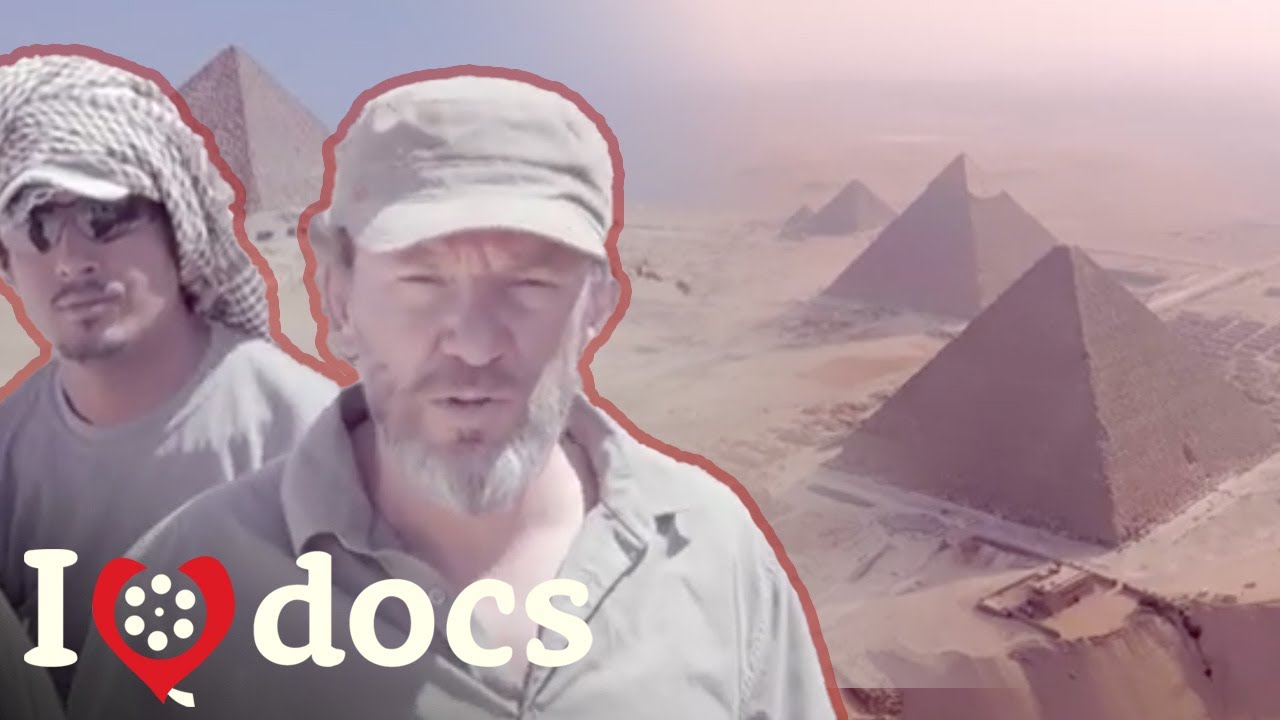
Recent archaeological findings in the Egyptian desert and along the Red Sea coast provide new insights into the construction techniques used during Khufu's reign.
Historian David McCullough discusses American history and identity with Archivist Alan Weinstein at the National Archives in Washington, DC, on July 13, 2007.
In Brazil's favelas, a violent conflict between police and drug traffickers results in an average of one police officer killed every two days amid widespread social inequality.
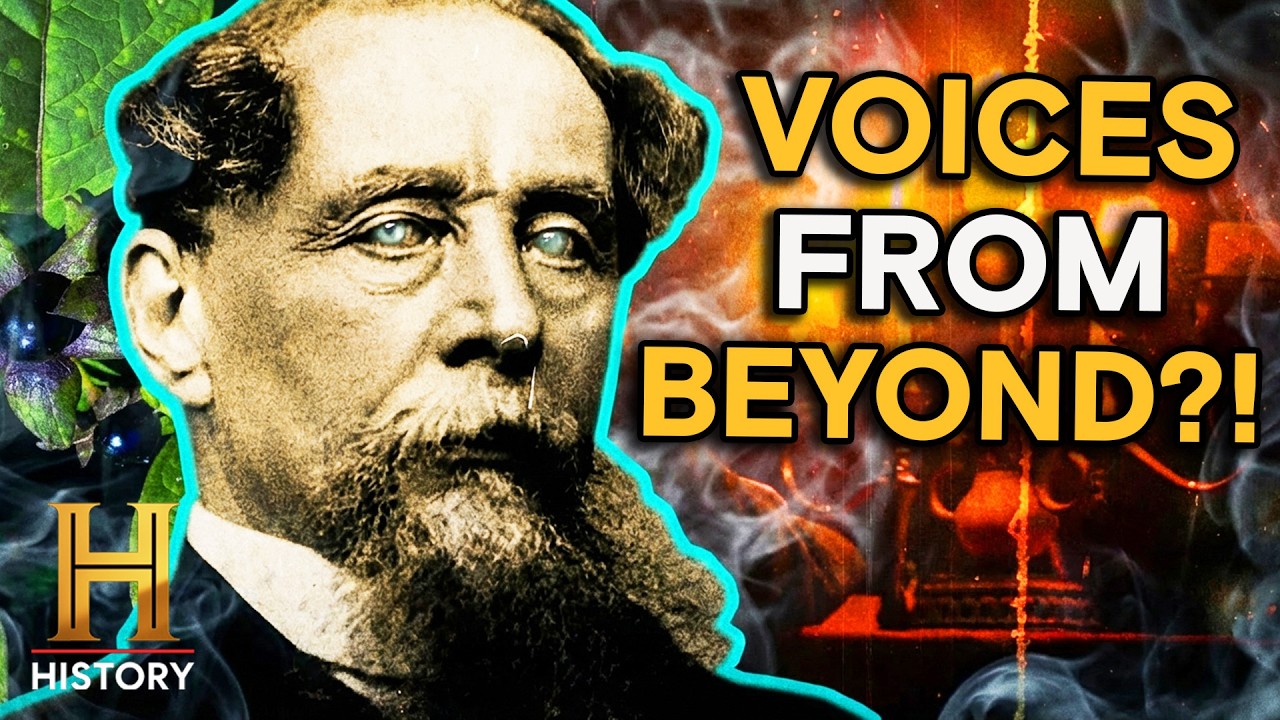
In 1870 England, after Charles Dickens' death, claims arise that his spirit continues his unfinished mystery through a medium.
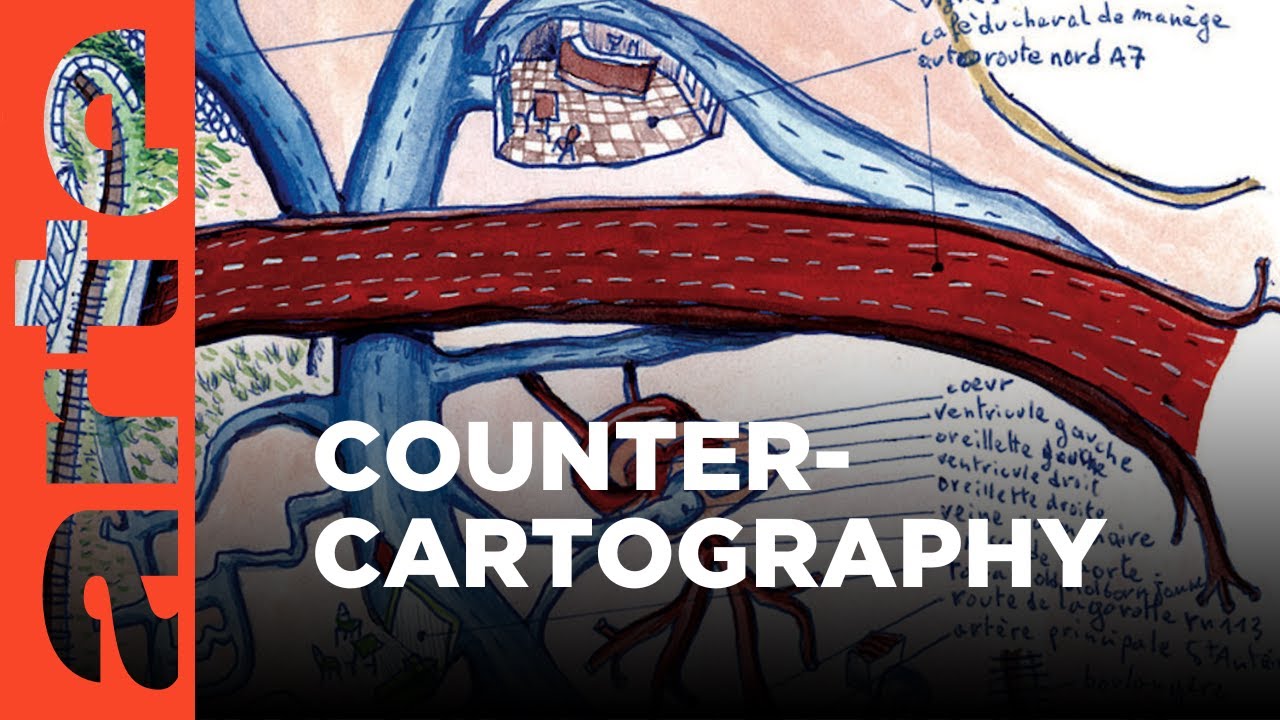
Counter-cartography challenges the conventional use of digital mapping tools like Google Maps by highlighting cultural and social dimensions often overlooked in urban spaces.