From over 100,000 films, discover the handful you'll love.
Free or premium access to the world's largest documentary library.
37 films
A 7-ton male Stegosaurus, equipped with meter-long spikes on its tail, poses a lethal threat despite its small brain size.
Seventeen lions, imported from South Africa, are reintroduced to Akagera National Park, altering the ecosystem and triggering instinctual fear among herbivores.
For three years, not a single drop of rain has fallen on the cracked lands of Kenya's Northern Frontier District, testing the limits of survival in Shaba.
A leopardess carries the remains of a young eland through the gallery forest of the Serengeti to provide for her five-month-old cub.
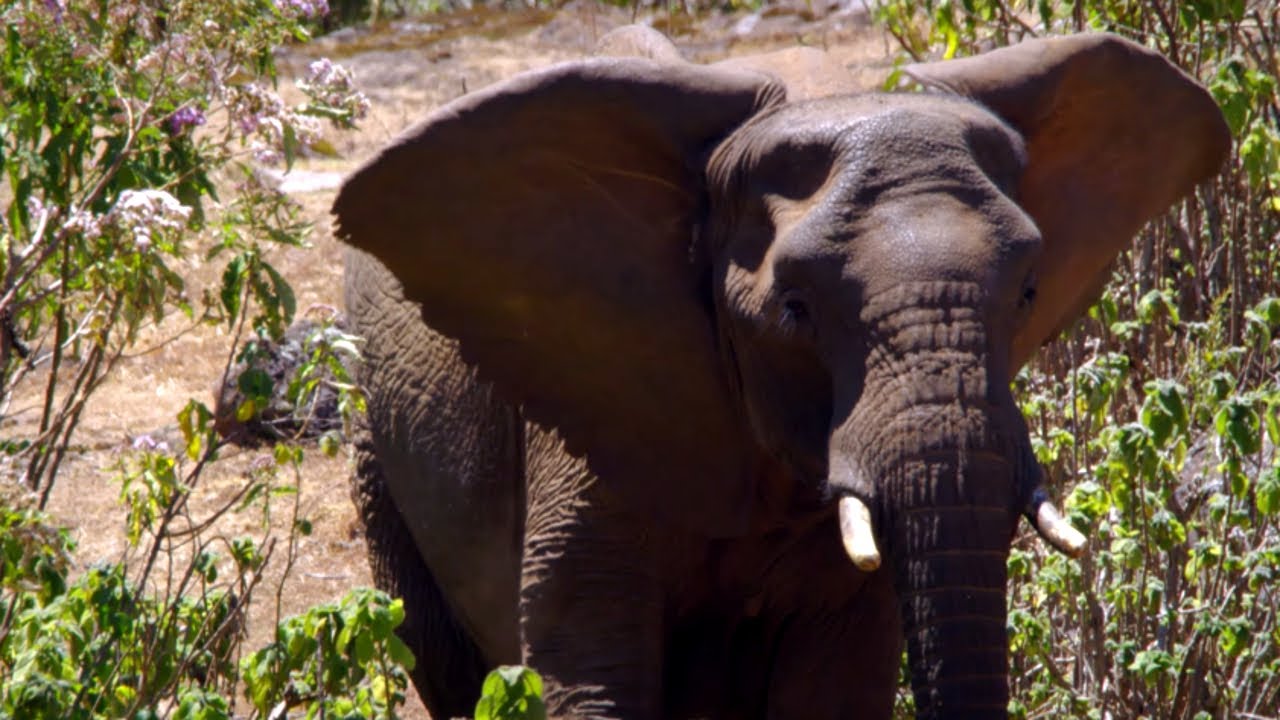
In May 2016, researcher Ian Redmond is injured by an elephant named Carly while studying a unique population of cave elephants in Mount Elgon, Kenya.
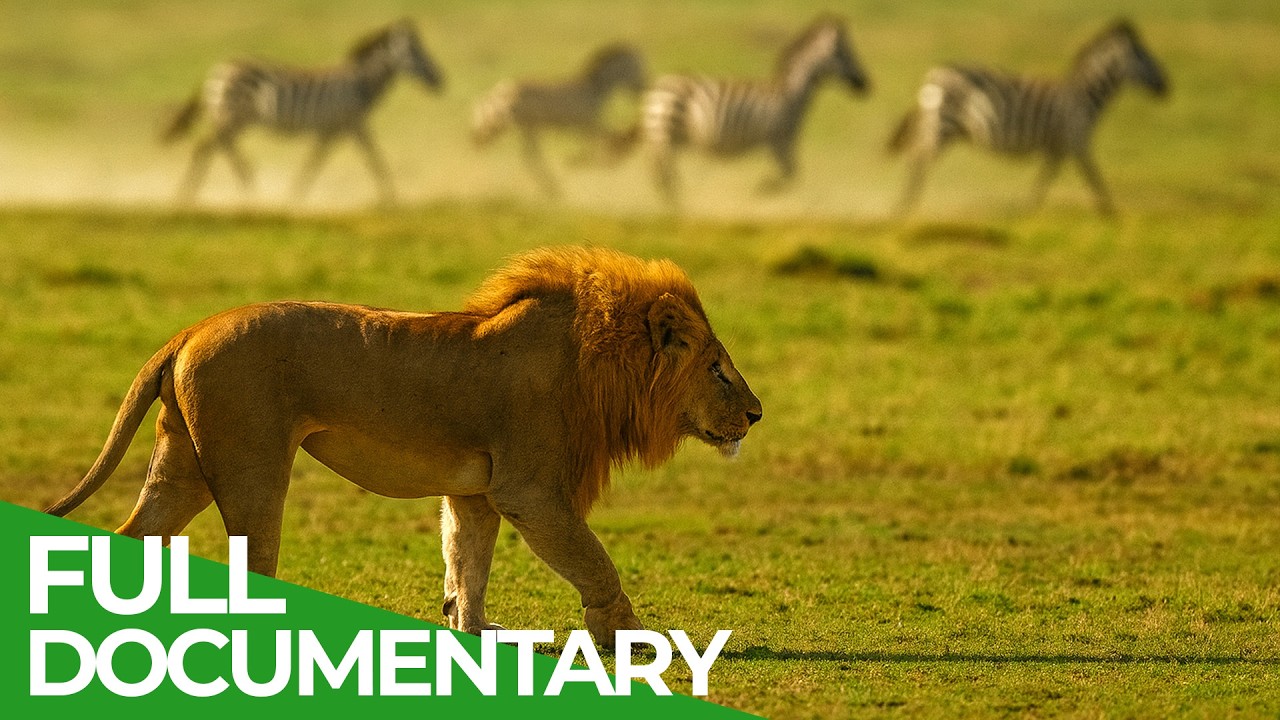
In the East African savannah, nearly two million large herbivores coexist with predators like cheetahs and lions, highlighting the interdependence of species and their adaptations.
More than 15,000 lions, leopards, and hyenas inhabit the Maasai Mara in Kenya, where they engage in a nightly contest for survival.
Lionesses may mate more than 250 times during their fertile period, while facing threats from solitary males and buffalo as they protect their cubs.
Every year, vultures in the Serengeti consume 11 million kilos of meat, playing a crucial role in the park's ecosystem.
Six females from the Gol Kopje pride struggle to survive in a 200 square kilometer territory during the harsh dry season of the Serengeti.
For three years, no rain has fallen in Shaba, a region in northern Kenya where drought and floods create extreme challenges for wildlife and survival.
Each year, wildebeest travel 700 kilometers from the Serengeti Plains to the Maasai Mara in search of fresh, protein-rich pastures.
Wapiti, also known as elk, inhabit Yellowstone National Park, where they thrive in a diverse ecosystem covering 9,000 square kilometers.
11 million kilos of meat are consumed by vultures in the Serengeti each year, illustrating their crucial role in the park's ecosystem.
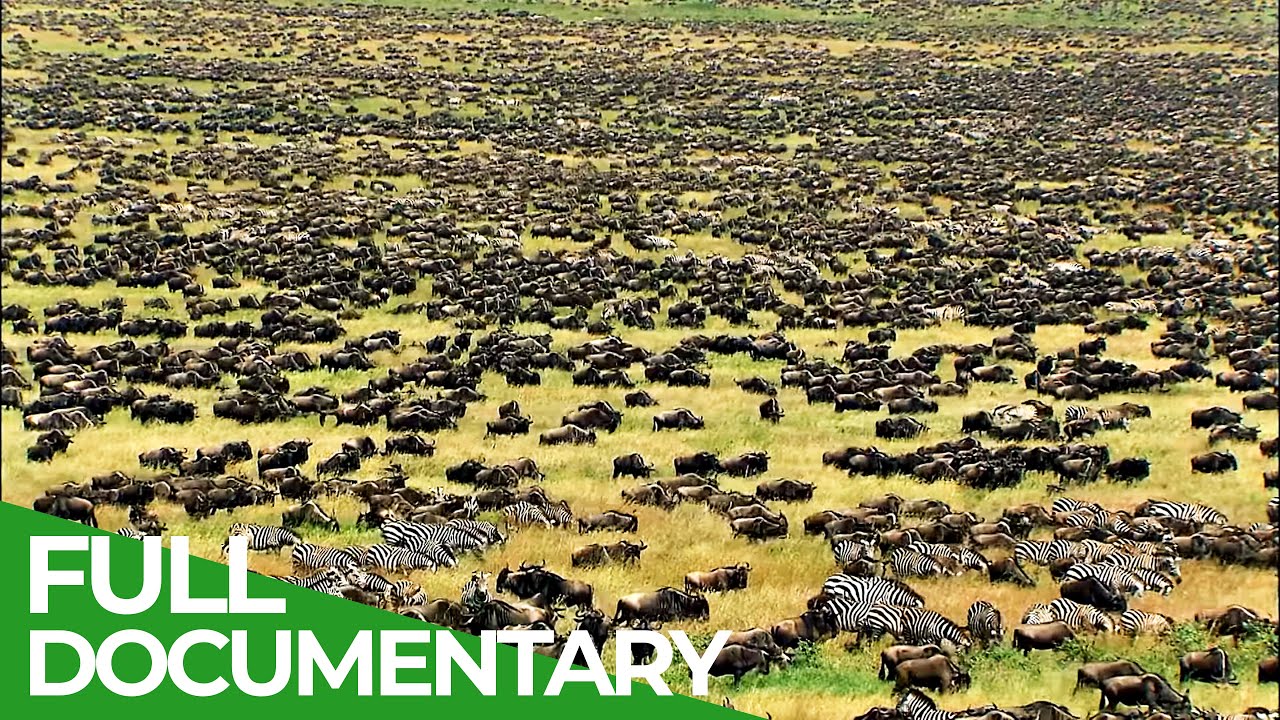
Each year, 1.3 million wildebeest undertake a 600-kilometer migration across East Africa in search of fresh grasses that follow seasonal rains.
Columns of animals 40 km long form as over a million wildebeest and hundreds of thousands of zebra and gazelle migrate through the Serengeti.
A dwarf mongoose measures barely 30 centimeters and weighs a maximum of 750 grams, thriving in the termite nests of Samburu National Reserve.
Ecosystems today include a variety of dietary options beyond carnivores and herbivores, prompting exploration of whether insects influenced dinosaur evolution.
About 2,500 people live on Komodo and Rinca, where Komodo dragons hunt and the islands transform into a wild state at night.
This Spanish video details the eating habits of elephants and their impact on Africa's ecosystem.
21,000 livestock animals grazed in the Gir region in 1965, consuming 90% of the grass and threatening the survival of wild herbivores.
Over 1 million seals gather along the Namibian coast each year to give birth, but their survival is threatened by overfishing and reduced sardine populations.
Sergey Zimov proposes reintroducing large herbivores to stabilize melting permafrost.
Jorge, the last of his species on the Galapagos Islands, lives a life marked by isolation after all others have died.
Female chital give birth every six months, contributing to a thriving population that interacts with langurs in the diverse ecosystems of Kanha National Park.
Less than 25,000 blackbuck antelope remain in India, where cultural beliefs help protect them in the Little Rann Desert region of Gujarat.
Two species of flamingos, the greater and lesser, flock to Lake Magadi in Ngorongoro each year to feed on algae and crustaceans.
A capybara, weighing up to 50 kilos, is the largest rodent on earth and spends hours in the water eating aquatic plants before moving to grass at dusk.
Females lay up to 7,000 eggs in the ponds of Picos de Europa National Park during the mating season from March to April.
Over 300 million years ago, limestone deposits formed the foundation of the Picos de Europa mountain range in northern Spain.
Grevy’s zebras and Burchell’s zebras form mixed herds in Shaba during the rainy season before migrating to the Aberdare mountains for year-round pasture.
Scientists have identified about 50 taste receptors, revealing that taste and smell can begin on the tongue rather than only in the brain.
Grizzly bears face increased danger in spring as hunger drives adult males to potentially kill young bears for food.
In 398 B.C., Greek historian Ctesias wrote about a wild beast in India and Nepal, a creature that has fascinated people for centuries.
The Tarahumara Indians, known for their long-distance running, often race distances of 1 to 200 kilometers, supported by their community during the events.
Tortoises at the Smithsonian's National Zoo enjoy a special salad mix for their diet.
A study of a prairie dog burrow in Texas revealed it covered more than 60,000 square kilometers and housed 400 million inhabitants.