From over 100,000 films, discover the handful you'll love.
Free or premium access to the world's largest documentary library.
23 films
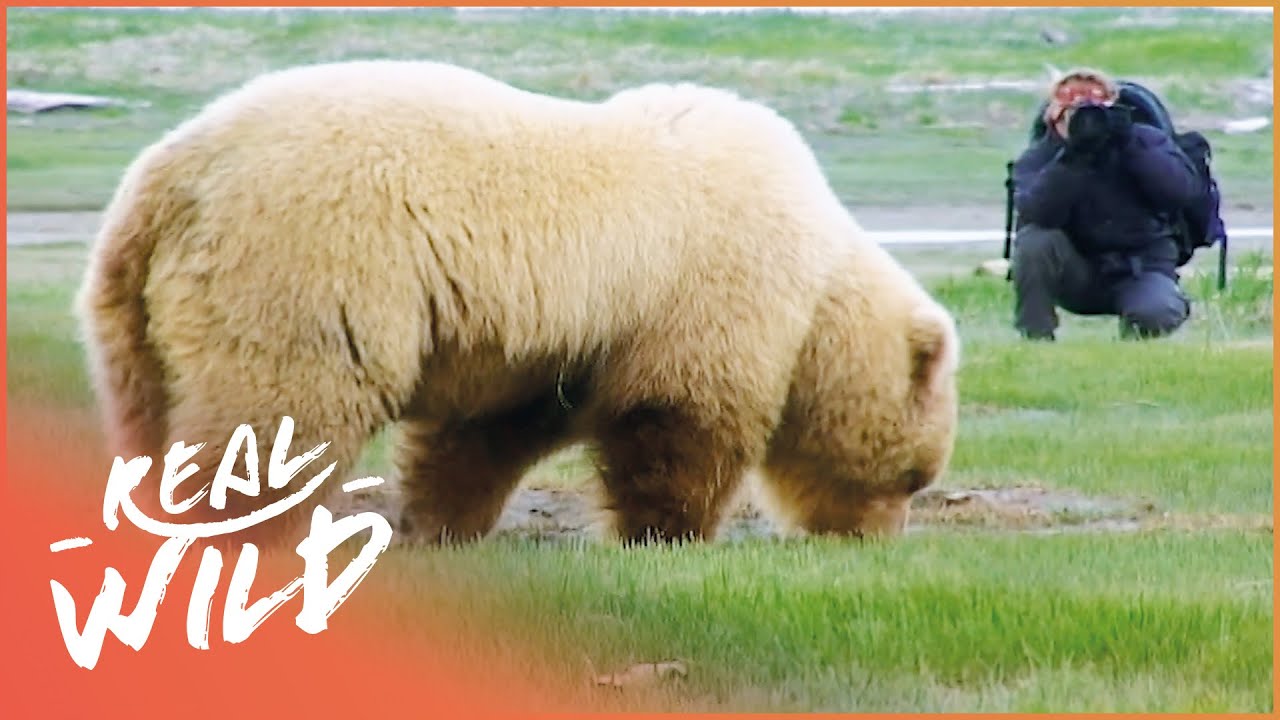
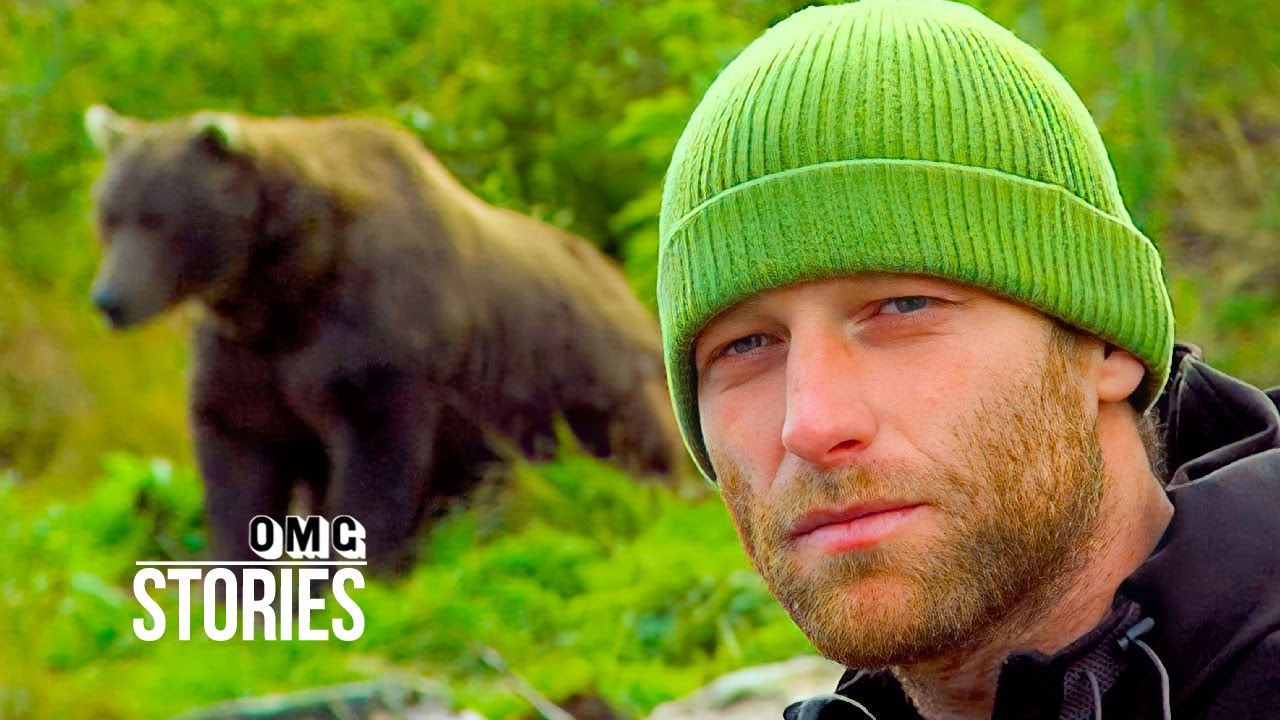
Andreas Keeling and his friend Greg search for giant grizzly bears in Alaska, where they encounter a caribou cornered by wolves in a dramatic hunt.
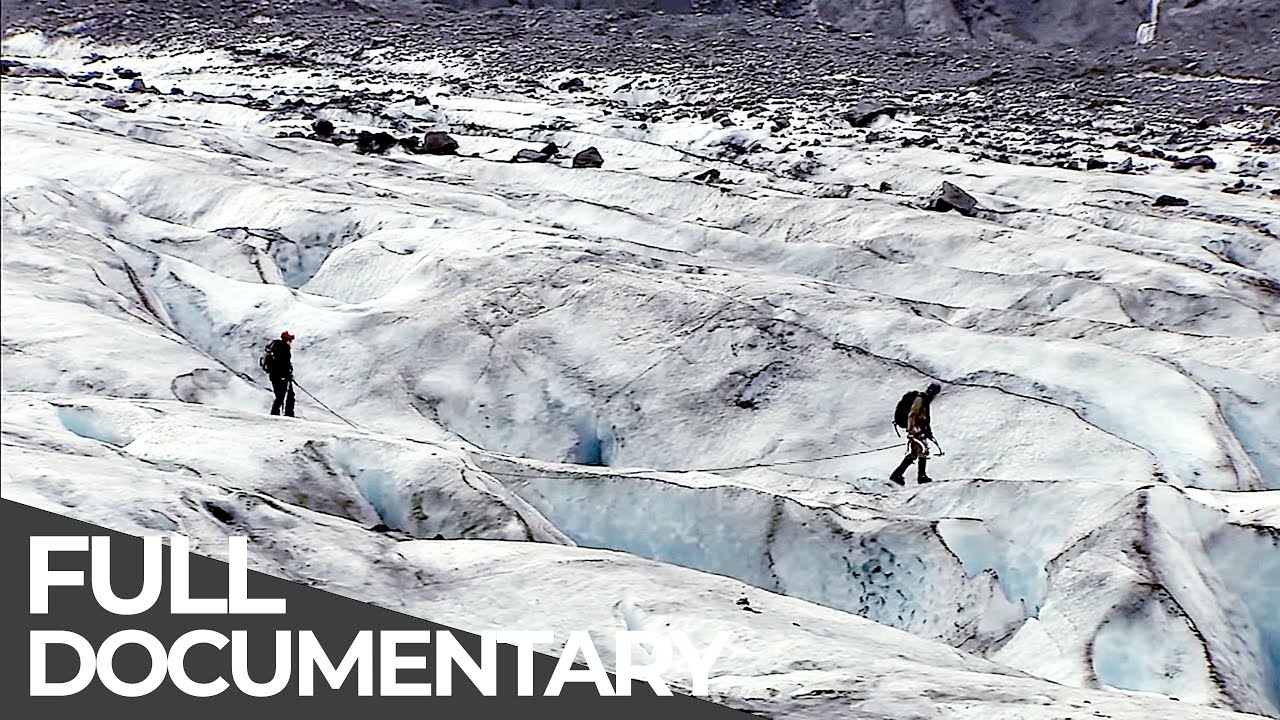
300 kilometers per hour winds whip across the ice plains of South Georgia, posing a constant threat to wildlife filmmakers in the field.
Alaska is home to the largest population of brown bears in the world, with local residents adapting to the region's extreme conditions and rich natural resources.
Kachemak Bay near Homer, Alaska, is home to the largest crabs in America and the biggest Greenland halibut in the Pacific, attracting fishermen from around the world.
Paul Nicklen and Cristina Mittermeier conduct a four-year mission to stop oil drilling in the Bahamas using their photography and social media reach.
A 400-year-old tree is chopped down by a lumberjack in British Columbia, where 90 percent of the wood is exported to other countries.
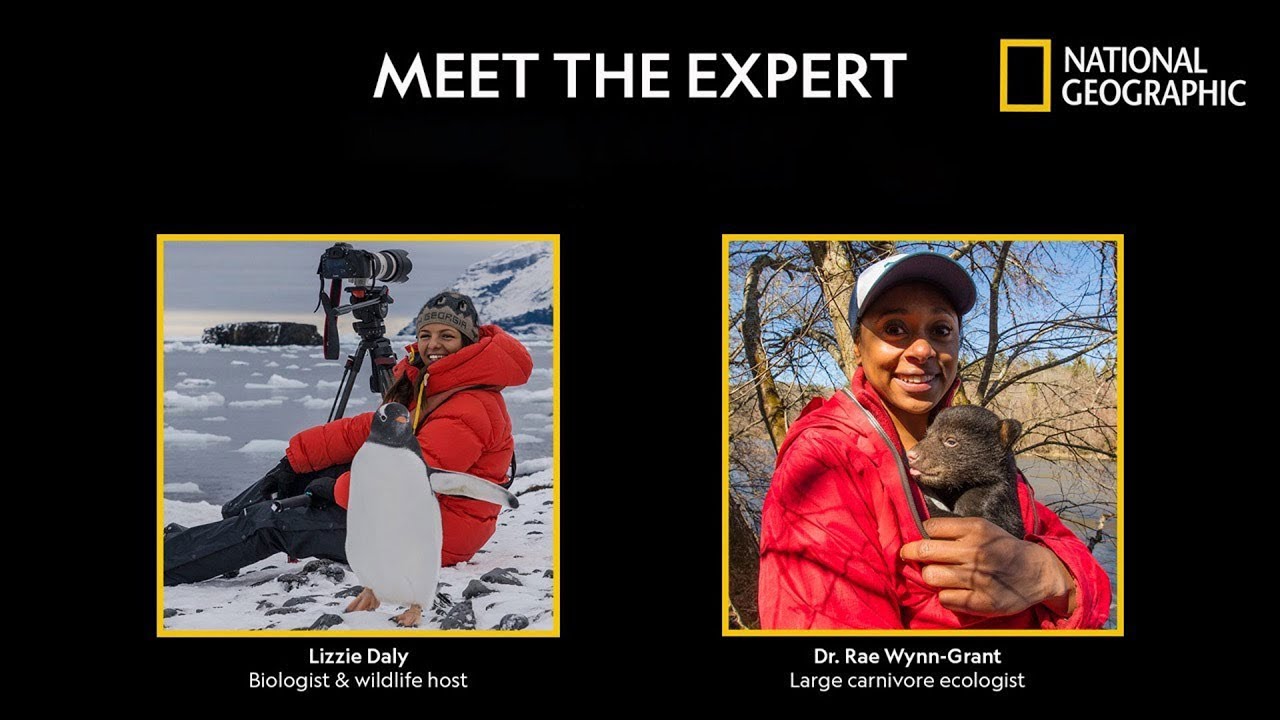
Dr. Rae Wynn-Grant studies black and grizzly bears in Montana, focusing on wildlife corridors to improve conservation efforts for these species.
More than 700 grizzly bears live in Yellowstone, foraging for food during the summer months while facing the challenges of a changing environment.
Nearly 600 grizzly bears live in Yellowstone National Park, where a mother faces the challenge of raising her cubs in a harsh environment.
In the Alaskan wilderness, biologist David Bittner forges relationships with wild brown bears while documenting the annual salmon run amid harsh conditions.
Swiss biologist David Bittner has spent seven years living among wild brown bears in Alaska's 'grizzly maze', the site of Timothy Treadwell's fatal encounter.
More than 5,000 female turtles dig nests on the beach, each laying over 100 eggs in a race against predators and the elements.
Andreas Kieling has five weeks to film giant grizzlies in the Bering Sea before the storm season begins.
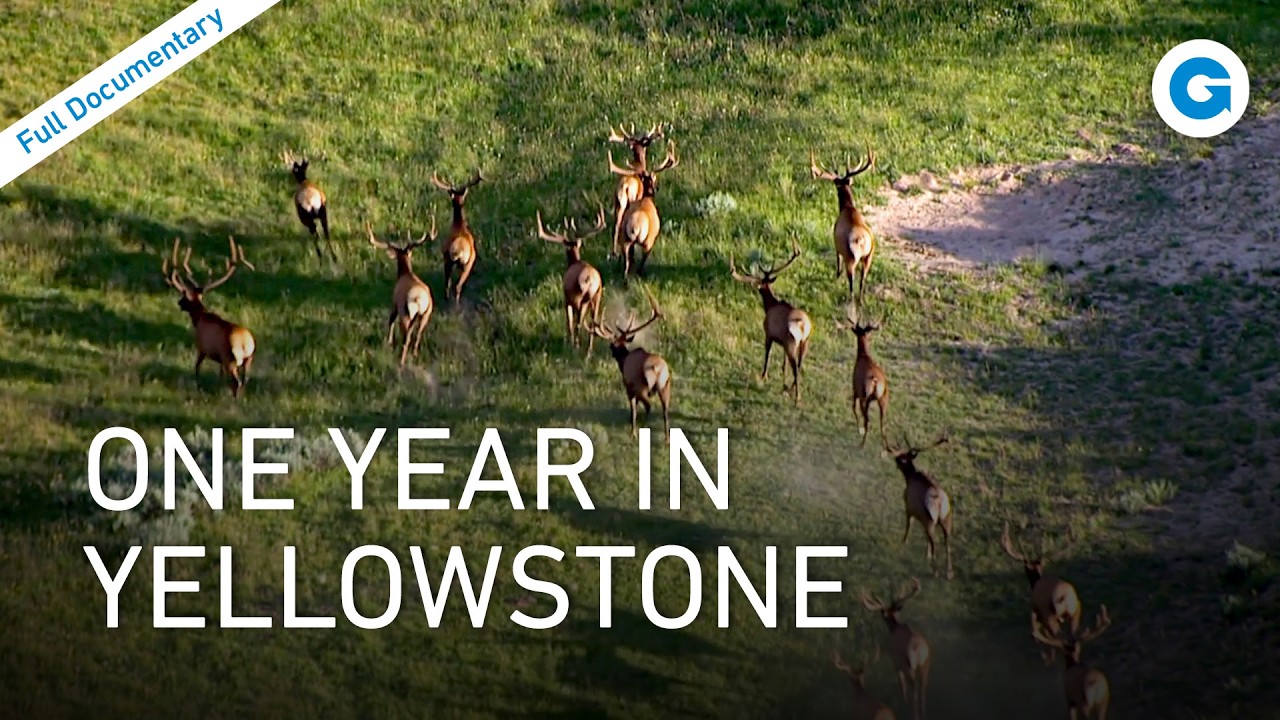
Yellowstone has managed to breed 5,000 bison from a mere 21 animals that survived near extinction in the late 19th century.
One square foot of rich tide pool habitat along the Olympic coastline can support 4,000 individual animals.
The Rocky Mountaineer showcases the engineering prowess behind luxury train travel through North America's treacherous terrain, featuring advanced technology and safety systems.
Kenaï Peninsula showcases a vibrant rural community in Alaska, featuring passionate locals like Libby, Lionel, and Danial amidst stunning natural landscapes.
In Yellowstone National Park, a mother river otter navigates the challenges of winter survival while raising her pups amidst threats from coyotes and other predators.
An 11-week-old brown bear cub named Tara weighs just a few pounds but will grow to between 300 and 400 pounds as an adult.
Grizzly bears in Yellowstone can weigh up to 500 pounds and have been known to engage in cannibalism, with reports dating back to the 1930s.
Thousands of salmon return to their spawning grounds, facing rapids and predators as they navigate the river to complete their life cycle.
Grizzly bears face increased danger in spring as hunger drives adult males to potentially kill young bears for food.
About 100 wolves now roam Yellowstone National Park, a significant recovery after they were eradicated for over 70 years due to hunting and bounties.